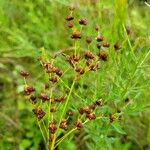
Juncus marginatus
Grass-leaf rush · Shore rush · Bog Rush · Grassleaf rush · Grass-leaved Rush
Description
Source: leafsnapJuncus marginatus is a species of flowering plant, it is a type of rush with the common names of margined rush and grass-leaf rush.
Care Guide
💧 Water
Originating from wetlands, grassleaf rush thrives in consistently moist environments and needs regular watering to sustain its growth. Being drought-sensitive, it requires weekly watering to replicate the conditions of its natural habitat. As a herbaceous perennial, grassleaf rush greatly benefits from rainwater during the growing season because of the valuable microelements it provides.
What should I do if I give too much or too little water to my Grassleaf rush?
To ensure the proper growth and health of this lovely perennial grass, it is crucial to provide adequate watering. When planted in the ground, any watering issues can be easily resolved. However, in a container, both overwatering and underwatering can quickly lead to the demise of Grassleaf rush. Insufficient watering can cause stunted growth, while excessive watering can result in yellow leaves with brown tips. Additionally, underwatering may cause drooping leaves, weak seed head production, and browning of the leaves. If you suspect that your Grassleaf rush is not receiving the correct amount of water, the first step is to determine whether it is being over or under watered. If overwatered, stop watering it immediately, as it may take several weeks for the soil to dry out. Once you notice new growth, test the soil for moisture and decide whether it requires additional watering. On the other hand, if it is receiving too little water, simply give it a thorough and deep watering to see if it rejuvenates. It is important to note that watering deeply and infrequently is always more beneficial for the grasses, as it encourages deep root growth, making them more resilient to drought and less prone to watering-related issues.
How often do I need to water my Grassleaf rush plant?
The watering needs of Grassleaf rush depend on its planting location. Typically, watering once a week is sufficient. In hot climates, watering once or twice a week during summer may be necessary. For moderate climates, watering once every seven days or more may be enough. Grass in containers generally requires more frequent watering than in-ground grass. Additionally, the location of the grass matters as shaded grasses need less frequent watering compared to in-ground grasses. It is important to water Grassleaf rush only when the soil is dry. You can test the soil moisture by pressing your finger into the soil or weighing the potted grass with a scale. When the roots lack water, the grass blades may appear folded and thinner than usual. Despite its drought tolerance, regular and deep waterings will yield a vibrant color. Although Grassleaf rush is drought resistant, it still requires care and attention, along with consistent watering. When newly planted, it needs more frequent watering until it establishes deep roots. Potted Grassleaf rush dries out quickly, especially when exposed to hot and direct sunlight. Therefore, test the soil every 3 to 4 days and water only when it feels dry. In-ground Grassleaf rush generally requires less watering, although this depends on the type of soil. Heavy clay soil can retain moisture below the surface even when it feels dry on top. Sandy soils, on the other hand, drain quickly and therefore need more frequent watering.
What should I remember when watering my Grassleaf rush in different seasons, climates, or during different stages of growth?
To determine if you're watering enough, observe the growth rate of your grasses. Grassleaf rush tends to double in size within a year, particularly during the hottest months. If it's hot but the grass isn't growing vigorously, you may need to adjust your watering schedule. In winter, you might only need to water once a month, but it's still important to check the soil moisture. During the grass's growth cycle in the warm months, it requires more water than usual. However, during winter and cooler months, the need for water decreases significantly. Remember to let the soil dry out completely before adding water to Grassleaf rush.
☀️ Light Full shade
The grassleaf rush favors places that are not exposed to strong light, prospering in dim lighting. The plant does well in settings that resemble its original low-light environment. Both too little light and excessive light do not greatly inhibit its growth, allowing it to accommodate a range of light conditions.
How many hours of sunlight does Grassleaf rush need per day?
While this plant doesn't enjoy excessive sunlight, it still requires some light during the day for proper growth through photosynthesis. Full shade plants such as Grassleaf rush don't require a full eight hours of direct sunlight daily, but they do need a minimum of six hours of indirect sunlight to grow at a healthy pace.
What type of sunlight does Grassleaf rush need to grow well?
Grassleaf rush is a shade-loving plant that needs protection from direct sunlight during the hottest parts of the day. However, it can handle some sunlight in the mornings and tolerates small amounts of afternoon sun if it's not too intense and long-lasting.
How can I keep Grassleaf rush safe from sun damage and too much sun exposure?
To avoid the need for extra protection from direct sun, there are a few tricks for planting Grassleaf rush. One option is strategic shade planting, which involves positioning the plants near buildings or trees. Another approach is to create layers using taller plants that can handle bright, direct light throughout the day. Alternatively, you can use shade cloth to construct a sunshade for your Grassleaf rush, specifically facing the sun during the hottest times of the day.
What happens if Grassleaf rush doesn't get enough sunlight?
If your Grassleaf rush is not getting enough sunlight, it can struggle to grow properly. You might see the leaves stretching towards brighter spots, the leaves getting smaller over time, and overall slow growth. To help, you can try moving the Grassleaf rush if it's in a pot or remove other foliage that is blocking the sunlight from reaching the plant.
What happens if the Grassleaf rush plant gets too much sunlight?
Grassleaf rush is sensitive to too much sunlight. If its leaves are exposed to bright, direct sunlight for several hours a day in the same areas, you may see yellowing or brown discoloration at the leaf tips. In heavily burned spots, the leaves may also curl inward. These signs indicate that your Grassleaf rush is getting too much sun and needs more shade to thrive.
🌡️ Temperature 15–37.8°C
Grassleaf rush is native to habitats where temperatures range from 59 to 100 °F (15 to 38 °C). It performs best in these warmer conditions. Seasonal adjustments may be required to keep temperatures within this range, especially in colder climates.
What temperature is best for Grassleaf rush?
Plants can be affected by the cold weather because they have the same temperature as the surrounding air. When exposed to the sun, they can warm up again, but this doesn't happen during winter. The Grassleaf rush, for instance, thrives in temperatures ranging from 70 to 85℉(21 to 30℃). It may tolerate temperatures as low as 20 to 30℉(-6 to 0℃), or even 15℉(-10℃), but not for prolonged periods as it could lead to frost damage. To ensure their optimal growth, keep the maximum temperatures around 70 to 85℉(21 to 30℃), and remember to water and provide shade periodically to prevent wilting.
Do I need to change the temperature for Grassleaf rush at different stages of growth?
Before growing Grassleaf rush, it is important to research and ensure that the temperature is suitable. Some growers may choose to lower the plants' thermostats during the growing season in order to save on HVAC costs. However, it is crucial to understand that temperature can impact the flowering, pest management, and overall quality of the plants. During the winter, some species of Grassleaf rush may enter a dormant state, causing growth to cease. As the seasons change and the temperature increases, the base temperature for growth also rises, allowing the Grassleaf rush to grow more quickly. Species that naturally grow in warmer environments tend to have higher optimum temperatures compared to those that thrive in cooler climates. Exposing Grassleaf rush seeds to cool temperatures can result in decreased uniformity and delays in growth. It may be necessary to lower the temperature specifically during the flowering phase, while maintaining a steady temperature during other stages. Cooler temperatures at night will also require less water, so irrigation adjustments should be made accordingly.
How can I make sure Grassleaf rush stays warm during cold seasons?
To help the Grassleaf rush withstand colder temperatures, stop fertilizing the plant to discourage new growth and let the existing ones become resilient. To provide warmth, consider constructing structures such as cages or trellises around the plant. Alternatively, you can use heat mats to gently warm the soil and consistently maintain an optimal temperature range for the Grassleaf rush.
How do I protect Grassleaf rush from getting damaged by the temperature?
In winter, protect the Grassleaf rush from frost by covering it with cloths, tarps, burlaps, sheets, or plastic buckets. Make sure to weigh them down so they stay in place and act as insulators. Be careful not to let plastic sheets or burlap covers touch the fruit or foliage, as the cold can cause burns. When temperatures rise during the day, take off the covers.
Do I need to change the temperature for Grassleaf rush during different seasons?
During spring, it is recommended to increase humidity for Grassleaf rush plants due to cooler air temperatures. Dry conditions during this time can stress the plants and hinder their growth. As summer approaches, the greenhouse's large cover and warm temperatures naturally lead to higher humidity levels in the air. However, this can cause problems such as condensation on greenhouse walls, potentially affecting pollination and promoting leaf infections when the water drips onto leaves. It is important to monitor the temperature and make necessary adjustments, including spraying the plants on hotter days of the year.
💨 Humidity
🪴 Soil 6-7
🌱 Fertilizer
Grassleaf rush needs extra nutrients to encourage healthy new growth. In spring, applying compost around the plant’s base can supply the necessary nourishment. Fertilizing helps support vigorous growth and improves the plant’s resistance to diseases and pests.
🪴 Pot & Repot
✂️ Pruning
Grassleaf rush is a perennial herb that grows in clumps and has grass-like leaves. To encourage healthy growth, prune any dead foliage in early spring. Removing thatch will improve air circulation and enhance the plant’s appearance. Regular pruning is essential for maintaining the plant's vigor and promoting a robust look throughout the growing season.
🌿 Propagating
🐛 Diseases & pets
☠️ Toxicity
Characteristics
- Plant Type
- Grass
- Life Cycle
- Perennial
- Genus
- Juncus
- Family
- Juncaceae
- Hardiness Zone
- 8-11
- Mature Height
- 25 cm to 52 cm
- Mature Spread
- 15 cm to 30 cm
- Leaf Color
- Green
- Leaf Type
- Semi-evergreen
- Flower Color
- Yellow, Red, Brown
- Flower Size
- 1.02 cm
- Bloom Time
- Early summer, Mid summer
- Planting Time
- Spring
- Harvest Time
- Mid summer, Late summer, Early fall
- Native Area
- Belize, Cuba, Honduras, Mexico, Guatemala, Venezuela, Brazil, Nicaragua, Costa Rica, Jamaica