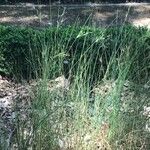
Juncus maritimus
Sea rush · Seaside rush · Sparto
Description
Source: leafsnapJuncus maritimus, known as the sea rush, is a species of rush that grows on coastlines. It is sometimes considered conspecific with Juncus kraussii. It has a wide distribution across the western Palearctic realm (all of Europe, western Asia and the Maghreb).
Care Guide
💧 Water
Sea rush flourishes in moist coastal environments, needing regular weekly watering to stay hydrated. It thrives in wet soils and is usually cultivated outdoors to take advantage of natural rainfall. Although it is resilient to temperature changes, sea rush requires sufficient moisture throughout its growth cycle for healthy development.
What should I do if I give my Sea rush too much water or too little water?
Proper watering is essential for the health and performance of this beautiful ornamental grass. When planted in the ground, watering issues can be solved easily. However, in a container, it is crucial to avoid both overwatering and underwatering, as it can quickly lead to the death of Sea rush. When Sea rush doesn't receive the right amount of water, it may stop growing. Overwatering can cause yellow leaves with brown tips, while underwatering can result in drooping leaves, weak seed head production, and browned leaves. If you suspect improper watering, the first step is to determine whether there is too much or too little water. If there is an excess of water, immediately stop watering and allow the heavy soils to dry out gradually, which may take weeks. Once new growth appears, test the soil moisture and decide whether it requires additional water. On the other hand, if Sea rush is not receiving enough water, the solution is simple: give the grasses a nice, deep drink and observe if it shows signs of improvement. It is important to note that a long, deep watering is always better than frequent shallow waterings. This is because deep watering encourages the growth of deep roots, making the grasses more resistant to drought and less prone to watering-related problems.
How frequently should I water my Sea rush?
The watering needs of Sea rush will depend on its planting location. In general, it should be watered every week. However, in hot climates, watering once or twice a week in summer may be needed. In moderate climates, watering once every seven days or more could be sufficient. Sea rush in containers will typically require more frequent watering compared to those grown in the ground. The location also plays a role, as shaded grasses require less frequent watering than those in the ground. It is important to water Sea rush only when the soil is dry. You can check this by pressing your finger into the soil or weighing the grass if it is in a pot. Lack of sufficient water can cause folded and thin grass blades. Despite its drought tolerance, regular deep waterings will help maintain its beautiful color. Although Sea rush is drought resistant, it still needs care and attention and thrives best with consistent watering. When newly planted, Sea rush will need more frequent watering until its roots are established. For potted Sea rush, especially in hot and sunny conditions, test the soil every 3 to 4 days and water when it feels dry. Ground-planted Sea rush requires less watering, but this depends on the soil type. Clay soil can hold moisture below the surface even if it feels dry on top, while sandy soil that drains quickly will need more frequent watering.
What should I watch out for when I water my Sea rush in different seasons, climates, or during different stages of growth?
To determine if you are watering enough, pay attention to the rate of growth of your grasses. Sea rush, for example, tends to double in size within a year during the hottest months. If the weather is hot but the grass isn't growing vigorously, it might be necessary to adjust your watering schedule. In winter, you could potentially water once a month, but be sure to check the soil for moisture. During the warmest months, when the grass is actively growing, it will require more water than usual. However, during winter and cooler months, the water needs will decrease significantly. Remember, it is crucial to let the soil dry out completely before adding water, especially for Sea rush.
☀️ Light Full sun
Sea rush requires a generous amount of light each day. Its origin in brightly lit habitats indicates it can tolerate moderately illuminated conditions. Healthy growth can decline if light is insufficient or excessive, which may weaken it over time.
What are the sunlight requirements for Sea rush (Juncus maritimus)?
Sea rush (Juncus maritimus) thrives in conditions where it can receive a significant amount of daylight. For its optimal growth, it requires full sun, which means it should be exposed to more than 6 hours of sunlight daily. However, it can also tolerate partial sun, about 3-6 hours of sunlight. It's crucial to observe how sunlight moves through your garden to find spots that offer a balance of light and shade, ensuring the well-being of your plants.
What essentials should be considered for growing Sea rush indoors?
When growing Sea rush indoors, it's essential to ensure it receives adequate lighting, which mimics its natural light-abundant environments. Insufficient or excessive light can hinder its growth. In cases where natural sunlight is scarce, especially during winter or in less sunny areas, artificial lighting can be a great alternative. LED lights are recommended for indoor plants as they can provide specific light wavelengths needed by plants. For full sun plants, 30-50W/sq ft of artificial light is recommended, partial sun plants require 20-30W/sq ft, and full shade plants need 10-20W/sq ft. The artificial light source should be placed 12-36 inches above the plant and turned on for 8-12 hours per day to simulate natural sunlight conditions.
What are the common symptoms of light deficiency in Sea rush?
Sea rush shows several symptoms when exposed to inadequate lighting. These include smaller new leaves compared to mature ones, leggy or sparse growth with longer spaces between leaves or stems, faster leaf drop to conserve resources, and slower or halted growth as the plant enters survival mode. Other symptoms are lighter-colored new leaves indicating a lack of chlorophyll, chlorosis where leaves lose their green color, sunscald from intense sunlight exposure damaging plant tissue, leaf curling as a defense mechanism against excessive sunlight, wilting due to increased water loss, and leaf scorching characterized by brown, dry patches on leaves.
How can Sea rush be cared for to address light deficiency?
To address light deficiency in Sea rush, gradually introduce the plant to more sunlight each week until it receives at least 6 hours of direct sunlight daily, ideally through a south-facing window. For indoor plants that are large or not easily movable, consider using artificial light, keeping a lamp on for at least 8 hours daily or investing in professional grow lights. For outdoor plants, moving them gradually to spots with better sunlight can help, but avoid sudden changes to prevent sunburn. If obstructions like trees block sunlight, prune them to allow more light to reach your plants. For smaller plants, transplanting them during their dormant period to a location with ample sunlight and good drainage can be beneficial.
🌡️ Temperature 15–35°C
Sea rush is a plant suited to moderate climates, doing best in temperatures from 59 to 95 °F (15 to 35 °C). It comes from habitats where temperatures stay within that range for most of the year. In areas with seasonal temperature swings, keep ideal conditions by adjusting indoor heating or shading outdoor plantings.
What are the ideal temperature conditions for Sea rush?
Sea rush is a plant that prefers moderate climates, doing best in temperatures between 59 to 95°F (15 to 35°C). It naturally occurs in places where the temperature remains within this range throughout the year. In areas with significant seasonal temperature changes, maintaining the ideal conditions for sea rush might involve adjusting indoor heating or providing shade for outdoor plants. While sea rush has some cold tolerance and can generally withstand temperatures above -5°C without special care, measures should be taken to protect it from temperatures dropping below -5°C.
How does Sea rush react to low temperatures, and what are the recommended solutions?
Sea rush has a moderate tolerance to low temperatures, thriving best above 15°C and needing protection if the temperature drops below -5°C. If exposed to temperatures below -10°C, the leaves may droop, and in severe cases, they could wilt and fall off. To protect Sea rush from low temperatures, it's recommended to trim off any frost-damaged parts. Wrap the plant with protective materials like non-woven fabric or cloth, and construct a wind barrier to shield it from cold winds before the advent of low temperatures again.
What impact does high temperature have on Sea rush, and how can it be mitigated?
During the summer, it's important to ensure that Sea rush does not get subjected to temperatures above 35°C. Exposure to temperatures exceeding 41°C can result in lighter leaf colors, dry and withered leaf tips, curling leaves, and increased susceptibility to sunburn. To mitigate the effects of high temperatures, trim away the sunburned and dried parts of the plant. Repositioning the plant to a shaded area during the midday and afternoon sun or employing a shade cloth can help, alongside watering the plant in the morning and evening to maintain soil moisture.
💨 Humidity
🪴 Soil
🌱 Fertilizer
🪴 Pot & Repot
✂️ Pruning
Sea rush thrives in coastal regions and benefits from regular pruning in early spring to stay healthy. To encourage air circulation and prevent excessive spreading, remove dead stems and thin out crowded areas. Consistent pruning supports growth and helps manage the plant effectively. For specific care guidelines tailored to your region, refer to local horticultural resources.
🌿 Propagating
🐛 Diseases & pets
☠️ Toxicity
Characteristics
- Plant Type
- Grass
- Life Cycle
- Perennial
- Genus
- Juncus
- Family
- Juncaceae
- Hardiness Zone
- 8-10
- Mature Height
- 91 cm
- Mature Spread
- 49 cm
- Leaf Color
- Green
- Leaf Type
- Evergreen
- Flower Color
- Tan
- Flower Size
- 0.25 cm to 0.51 cm
- Bloom Time
- Summer
- Planting Time
- Summer, Autumn
- Harvest Time
- Late summer, Early fall, Mid fall
- Native Area
- Libya, Turkey, Sweden, Austria, Montenegro, Pakistan, Slovenia, Morocco, Croatia, Uzbekistan, Russia, Germany, Romania, Belgium, Netherlands, Portugal, France, Tajikistan, Tunisia, Cyprus, Bulgaria, Greece, Ukraine, Lebanon, Syria, Italy, Spain, Denmark, Iran, Albania, Ireland, United Kingdom, Hungary, Algeria, Azerbaijan, Turkmenistan