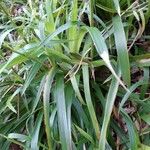
Juncus nodosus
Knotted rush · Jointed Rush · Tuberous Rush
Description
Source: leafsnapJuncus nodosus is a species of rush known by the common name knotted rush. It is native to much of North America from northern Canada to central Mexico, where it grows in wet places from freshwater to salt marsh habitat. This is a rhizomatous perennial herb producing slender, smooth stems up to about 60 centimeters tall. The inflorescence is a series of spherical clusters of flowers. Each flower has green or brown pointed segments each a few millimeters long and tapering to a point.
Care Guide
💧 Water
☀️ Light Full sun
Knotted rush is a sun-loving herbaceous perennial that comes from open habitats and is commonly found in meadows and grasslands. It prefers full sun but can also tolerate partial sun.
What are the sunlight requirements for Knotted rush (Juncus nodosus)?
Knotted rush (Juncus nodosus) requires full shade, meaning it should receive less than 3 hours of sunlight per day. It's important to observe how sunlight moves through your garden to find areas that offer the ideal balance of light and shade to ensure your plants' well-being. This consideration is crucial for the happiness and health of your Knotted rush.
🌡️ Temperature 0–35°C
Knotted rush can tolerate a wide range of temperatures, although its distribution may still be restricted by different combinations of moisture and heat. It does best in warm summer conditions with sufficient rainfall or irrigation. Extended periods of cloudy, rainy weather, as well as prolonged high temperatures, can raise the likelihood of Knotted rush dying. In winter, adequate protection from cold can increase the plant's survival rate.
💨 Humidity
🪴 Soil 6-7
🌱 Fertilizer
Knotted rush requires additional nutrients to encourage healthy new growth. In spring, adding compost around the plant's base can effectively provide the necessary nutrition. Fertilizing helps support vigorous growth and enables the plant to resist diseases and pests.
🪴 Pot & Repot
✂️ Pruning
Knotted rush features cylindrical green stems and thrives in damp environments. To encourage healthy growth and maintain its shape, prune it in early spring, being careful not to over-prune. Always use sterilized tools to prevent infections. According to reliable horticultural sources, these practices improve both the health and appearance of knotted rush.
🌿 Propagating
🐛 Diseases & pets
☠️ Toxicity
Characteristics
- Plant Type
- Grass
- Life Cycle
- Perennial
- Genus
- Juncus
- Family
- Juncaceae
- Hardiness Zone
- 3-9
- Mature Height
- 15 cm to 52 cm
- Mature Spread
- 10 cm to 30 cm
- Leaf Color
- Dark Green
- Leaf Type
- Evergreen
- Flower Color
- Yellow, Red, Green, Brown
- Flower Size
- 0.25 cm to 0.51 cm
- Bloom Time
- Early summer, Mid summer
- Planting Time
- Spring, Summer
- Harvest Time
- Late summer, Early fall
- Native Area
- Mexico