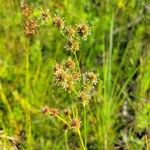
Juncus scirpoides
Needlepod rush · Needle-Pod Rush
Description
Source: leafsnapJuncus scirpoides, the needlepod rush, is a species of flowering plant in the family Juncaceae, native to the central and eastern United States. It prefers wet sandy soils, and among the many places it grows it is common in the enigmatic Carolina bays.
Care Guide
💧 Water
☀️ Light Full sun
Needlepod rush is found in habitats with plentiful sunlight, for example the shallow edges of ponds and lakes. It prefers full sun, although it can tolerate partial sun.
What are the sunlight requirements for Needlepod rush (Juncus scirpoides)?
Needlepod rush (Juncus scirpoides) thrives in locations that receive less than 3 hours of sunlight per day, which is considered full shade. When planting Needlepod rush, it's important to observe how sunlight moves through your garden throughout the day. Choosing spots that provide the perfect balance of light and shade will ensure the happiness and health of your plants.
🌡️ Temperature 5–35°C
Needlepod rush can tolerate a wide variety of temperatures, but its distribution can nonetheless be limited by specific combinations of water and heat conditions. It grows best in warm summer climates with sufficient rainfall or irrigation. Extended periods of cloudy, rainy weather or prolonged high temperatures can raise the likelihood of Needlepod rush dying. In winter, adequate protection from cold can enhance the plant's survival rate.
What is the botanical name of Needlepod rush?
The botanical name of Needlepod rush is Juncus scirpoides.
💨 Humidity
🪴 Soil
🌱 Fertilizer
🪴 Pot & Repot
✂️ Pruning
🌿 Propagating
🐛 Diseases & pets
☠️ Toxicity
Characteristics
- Plant Type
- Grass
- Life Cycle
- Perennial
- Genus
- Juncus
- Family
- Juncaceae
- Hardiness Zone
- 5-9
- Mature Height
- 30 cm to 91 cm
- Mature Spread
- 20 cm to 40 cm
- Leaf Color
- Dark Green
- Leaf Type
- Evergreen
- Flower Size
- 0.25 cm to 0.51 cm
- Bloom Time
- Summer
- Planting Time
- Spring, Autumn
- Harvest Time
- Late summer, Early fall, Mid fall