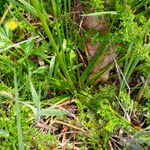
Juncus squarrosus
Heath rush · Mosquito Rush
Description
Source: leafsnapJuncus squarrosus, called goose corn, heath rush, and mosquito rush, is a species of flowering plant in the genus Juncus, native to Iceland, Europe, and Morocco, and introduced to Greenland, Svalbard, Tasmania, New Zealand, and the US state of Wisconsin. It is pollution-tolerant.
Care Guide
💧 Water
Heath rush is well-suited to moist environments and thrives with consistent moisture. To ensure healthy growth, it requires regular weekly watering while avoiding waterlogging. As a plant native to damp grasslands, heath rush has adapted to grow in harmony with the natural rainfall patterns of the seasons.
What should I do if I give my Heath rush plant too much or too little water?
Proper watering is essential for the health of ornamental grass. When planted in the ground, watering issues can be resolved, but in a container, both overwatering and underwatering can quickly kill Heath rush. If the grass isn't getting the right amount of water, it may stop growing. Signs of overwatering include yellow leaves with brown tips, while underwatering can cause drooping leaves, weak seed head production, and browned leaves. If you suspect a watering problem, first determine if it's too much or too little water. If it's too much, stop watering immediately and allow the soil to dry out. Test the soil for moisture when new growth appears to decide whether to water again. For underwatering, simply give the grass a deep drink and observe if it perks up. Remember, deep watering promotes the growth of deep roots, making the grass more resistant to drought and water-related issues.
How much should I water my Heath rush?
The watering needs of Heath rush will vary depending on its location. Generally, watering this grass once a week is sufficient. However, in hot climates, it may be necessary to water it once or twice a week during the summer. In moderate climates, watering once every seven days or more may be enough. It's important to note that grass in containers generally requires more frequent watering than grass planted in the ground. The species of grass and the location it is planted in also affect its watering needs. For example, grasses in shady areas need less frequent watering compared to those planted in the ground. It is best to water Heath rush only when the soil is dry. There are a few signs to look out for to determine if the soil is dry, such as pressing your finger into the soil or using a portable scale to check the weight of potted grass. When the roots lack sufficient water, the blades of grass may appear folded and thinner than usual. Despite its drought tolerance, regular and deep waterings will enhance the grass's color and overall appearance. In its natural habitat, Heath rush grows in open scrublands where it is exposed to extreme heat, bright sun, and intermittent rain. While this grass is drought resistant, it still requires care and attention. Gardeners agree that consistent watering allows Heath rush to thrive best, even in harsh and dry conditions. When first planted, Heath rush needs more frequent watering until it establishes deep roots. For potted Heath rush, the soil tends to dry out quickly, especially if the pot is placed in hot and direct sunlight for a significant amount of time. It is advisable to test the soil every 3 to 4 days and water only when it feels dry. When Heath rush is planted in the ground, it generally requires less watering, but this depends on the type of soil it is grown in. Clay soil, for example, retains moisture below the surface even if it feels dry at the top, while sandy soils that drain quickly will need more frequent watering.
What things should I watch out for when watering my Heath rush at different times of the year, in different weather conditions, or as it grows?
To determine if you are watering enough, you can observe the growth rate of your grass. Heath rush, for example, tends to grow rapidly during the hottest months and can double in size within a year. If the weather is hot but the grass is not growing vigorously, you may need to adjust your watering schedule. In winter, you might be able to water only once a month, but it's still important to check the soil for moisture. During the warmer months, when the grass is actively growing, it will require more water than usual. However, water requirements will significantly decrease during winter and cooler months. One crucial point to remember when dealing with Heath rush is to let the soil dry out completely before watering again.
☀️ Light Full shade
The heath rush is a plant that prospers in locations with very little light. It comes from habitats where sunlight is frequently blocked and makes efficient use of the limited light available, supporting healthy growth. Both excessive light and insufficient light can negatively affect the plant's vitality. Its sunlight needs do not change across different stages of growth.
What are the sunlight requirements for Heath Rush?
Heath Rush, or Juncus squarrosus, thrives in areas with minimal exposure to light, originating from environments where sunlight is often obstructed. This plant absorbs the scarce amount of light it receives efficiently, facilitating healthy growth. It requires less than 3 hours of sunlight daily, falling into the full shade category. Extreme exposure to sunlight or a complete lack of it can negatively affect the plant's vitality. It's essential to watch how sunlight moves through your garden to choose spots that provide the perfect balance of light and shade, ensuring your Heath Rush's happiness.
How do I use artificial lighting for Heath Rush?
Indoor Heath Rush plants require adequate lighting for optimal growth, especially when natural sunlight is insufficient, like in winter or less sunny spaces. Artificial lights offer a vital solution, promoting faster, healthier growth. LED lights are a popular choice because they can be customized to provide specific wavelengths of light. Full sun plants need 30-50W/sq ft, partial sun plants need 20-30W/sq ft, and full shade plants like Heath Rush need 10-20W/sq ft of artificial light. Place the light source 12-36 inches above the plant to mimic natural sunlight and ensure your plant receives 8-12 hours of light per day.
What are the symptoms of insufficient light in Heath Rush?
Heath Rush may exhibit subtle symptoms of light deficiency when grown indoors with insufficient light. These symptoms include smaller new leaves compared to the previous ones, leggy or sparse growth, faster leaf drop, slower or no new growth, and lighter-colored new leaves. Conditions like chlorosis, sunscald, leaf curling, wilting, and leaf scorching are also symptomatic of light-related issues, resulting from either too little or too much sunlight exposure.
How can I alleviate light-related issues in Heath Rush?
To alleviate light-related issues in Heath Rush, for indoor plants, move them to spots where they can receive ample filtered light, including brief periods of direct morning sunlight, ideally 1-2 meters away from a window. If the plant is large or not easily moveable, consider using a desk or ceiling lamp for at least 8 hours daily, or invest in professional plant grow lights. For outdoor plants, gradually move them to sunnier spots each week to avoid sunburn. Reducing obstructions like pruning trees around your garden can improve sunlight access. For smaller plants, transplanting during the dormant period, typically late winter or early spring, to a location with ample sunlight and good drainage may also help.
🌡️ Temperature 5–32.2°C
Heath rush can tolerate a wide range of temperatures, but its range may still be restricted by different combinations of moisture and heat. It performs best in warm summer climates with sufficient rainfall or watering. Extended periods of cloudy, rainy weather or prolonged high temperatures can increase the risk of Heath rush dying. In winter, adequate protection from cold can boost the plant’s survival chances.
What is the botanical name of Heath Rush?
The botanical name of Heath Rush is Juncus squarrosus.
💨 Humidity
🪴 Soil 5-7
🌱 Fertilizer
Heath rush needs extra nutrients to encourage healthy new growth. In spring, applying compost around the base of the plant will effectively supply the nutrition it requires. Fertilizing supports robust growth and helps the plant withstand diseases and pests.
🪴 Pot & Repot
✂️ Pruning
Heath rush is characterized by its dense tufts and needle-like leaves. To encourage growth, remove damaged foliage, and improve air circulation, prune it in early spring. This practice helps reduce the risk of disease and keeps the plant looking tidy. Additionally, make sure to keep your pruning tools clean to prevent infections.
🌿 Propagating
🐛 Diseases & pets
☠️ Toxicity
Characteristics
- Plant Type
- Grass
- Life Cycle
- Perennial
- Genus
- Juncus
- Family
- Juncaceae
- Hardiness Zone
- 4-8
- Mature Height
- 10 cm to 30 cm
- Mature Spread
- 15 cm to 25 cm
- Leaf Color
- Dark Green
- Leaf Type
- Semi-evergreen
- Flower Color
- Yellow, Green, Purple, Brown
- Flower Size
- 0.25 cm to 0.51 cm
- Bloom Time
- Early summer, Mid summer
- Planting Time
- Spring, Summer, Autumn
- Harvest Time
- Late summer, Early fall
- Native Area
- Sweden, Austria, Czech Republic, Slovakia, Poland, Croatia, Morocco, Belarus, Ukraine, Russia, Lithuania, Norway, Germany, Portugal, Italy, Spain, Switzerland, Denmark, Iceland, Estonia, France, Ireland, United Kingdom, Latvia, Belgium, Netherlands