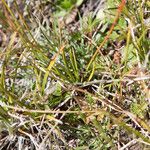
Juncus triglumis
Three-flower rush · Three-flowered Rush · Three-hulled rush · Three-hull rush · Threehulled rush
Description
Source: leafsnapJuncus triglumis, called the three-flowered rush, is a species of flowering plant in the genus Juncus, native to the subarctic and subalpine Northern Hemisphere. It is typically found in calcareous tundra habitats and arcto-alpine fens. It is often found in association with Carex atrofusca and Carex bicolor in the so-called Caricion bicolori-atrofuscae alliance.
Care Guide
💧 Water
Originating from moist alpine environments, the three-hulled rush thrives in high humidity and consistently moist soil. To keep it healthy, water it weekly. This plant grows best outdoors in cooler climates where it can take advantage of seasonal rainfall.
What do I do if I give too much or too little water to my Three-hulled rush?
Proper watering is essential for the growth and health of this beautiful ornamental grass. When planted in the ground, any watering issues can be resolved. However, in a container, too much or too little water will quickly kill Three-hulled rush. Insufficient watering can cause the grass to stop growing, while overwatering leads to yellow leaves with brown tips. Underwatering results in drooping leaves, weak seed head production, and browned leaves. If you suspect improper watering, first determine whether it's a case of too much or too little water. If overwatered, immediately stop watering and let the soil dry out, which may take several weeks for heavy soils. Once new growth appears, test the soil for moisture and decide if more water is needed. To address insufficient watering, give the grasses a deep drink and observe if they perk up. It's important to remember that a long, deep watering is preferable to shallow, frequent waterings. This promotes the growth of deep roots, making the grasses more resistant to drought and less susceptible to watering issues.
How many times should I water my Three-hulled rush plant?
The watering needs of Three-hulled rush vary depending on where it is planted. Generally, watering this grass every week is recommended. In hot climates, watering once or twice a week may be necessary during the summer. In moderate climates, watering once every seven days or more may be enough. Grass in containers typically need more frequent watering than grasses in the ground. The location also matters since this grass can thrive in full sun or part shade. Shaded grasses need less frequent watering than in-ground grasses. Only water Three-hulled rush when the soil is dry. To determine if the soil is dry, press your finger a couple of inches into it. You can also weigh the grass in a pot with a portable scale to see how light it is or feel the pot to check for lack of water. When the roots lack sufficient water, the blades may appear folded and thinner than usual. Despite its drought tolerance, regular deep waterings will result in a beautiful color. In the wild, Three-hulled rush grows in open scrubland, exposed to extreme heat, bright sun, and intermittent rain. Although it is drought resistant, it still requires care and attention. Consistent watering is recommended for optimal growth. When first planted, Three-hulled rush will need more frequent water until it develops deep roots. For potted grass, the soil tends to dry out quickly, especially if the pot is in direct sun for most of the day. Test the soil every 3 to 4 days and water only when it feels dry. Three-hulled rush in the ground generally requires less watering, but this depends on the soil type. Clay soil holds water for a long time and may feel dry on the surface while retaining moisture below ground. Sandy soils that drain quickly will need more frequent watering.
What do I need to be careful about when I water my Three-hulled rush in different seasons, climates, or during different stages of growth?
To determine if you are watering your grass enough, pay attention to how quickly it grows. Three-hulled rush is known to double in size within a year, particularly during the hottest months. If it's hot outside but your grass isn't growing vigorously, consider adjusting your watering schedule. In winter, you may be able to water just once a month, but it's still important to check the soil for moisture. During the warmest months when the grass is in its growth cycle, it will require more water than usual. However, in winter and cooler months, the need for water will significantly decrease. It's crucial to remember that the soil for Three-hulled rush should always be allowed to completely dry out before watering again.
☀️ Light Full shade
The grassleaf rush favors places that are not exposed to strong light, prospering in dim lighting. The plant does well in settings that resemble its original low-light environment. Both too little light and excessive light do not greatly inhibit its growth, allowing it to accommodate a range of light conditions.
What are the sunlight requirements for Three-hulled rush (Juncus triglumis)?
Three-hulled rush (Juncus triglumis) requires full shade to thrive, meaning it should receive less than 3 hours of sunlight daily. It's important to observe how sunlight moves through your garden carefully, selecting spots that offer the ideal balance of light and shade to ensure the well-being of your plants.
🌡️ Temperature 15–37.8°C
Grassleaf rush is native to habitats where temperatures range from 59 to 100 °F (15 to 38 °C). It performs best in these warmer conditions. Seasonal adjustments may be required to keep temperatures within this range, especially in colder climates.
What is the name of the plant?
The name of the plant is Three-hulled rush.
What is the botanical name of Three-hulled rush?
The botanical name of Three-hulled rush is Juncus triglumis.
💨 Humidity
🪴 Soil 6-7
🌱 Fertilizer
Grassleaf rush needs extra nutrients to encourage healthy new growth. In spring, applying compost around the plant’s base can supply the necessary nourishment. Fertilizing helps support vigorous growth and improves the plant’s resistance to diseases and pests.
🪴 Pot & Repot
✂️ Pruning
The three-hulled rush is a distinctive wetland plant known for its slender, cylindrical stems. To promote new growth and keep the plant compact, prune it in early spring by cutting back the dead stems to ground level. Regular pruning not only helps improve the plant's overall appearance but also enhances air circulation and reduces the risk of disease.
🌿 Propagating
🐛 Diseases & pets
☠️ Toxicity
Characteristics
- Plant Type
- Grass
- Life Cycle
- Perennial
- Genus
- Juncus
- Family
- Juncaceae
- Hardiness Zone
- 8-11
- Mature Height
- 25 cm to 52 cm
- Mature Spread
- 15 cm to 30 cm
- Leaf Color
- Green
- Leaf Type
- Semi-evergreen
- Flower Color
- Yellow, Red, Brown
- Flower Size
- 1.02 cm
- Bloom Time
- Early summer, Mid summer
- Planting Time
- Spring
- Harvest Time
- Mid summer, Late summer, Early fall
- Native Area
- Belize, Cuba, Honduras, Mexico, Guatemala, Venezuela, Brazil, Nicaragua, Costa Rica, Jamaica