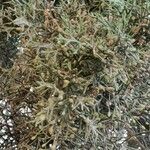
Juniperus canariensis
Canary juniper · Canary Islands juniper
Description
Source: wikipedia (CC BY-SA)Juniperus canariensis is a woody plant in the family Cupressaceae native to the Canary Islands and Madeira, off the coast of Northwestern Africa.
Care Guide
💧 Water
☀️ Light Full sun
Phoenician juniper comes from open habitats, such as sunny meadows and forest margins, which supply plentiful light. It does best in Full Sun but will tolerate Partial Sun, adjusting well to different sunlight levels.
🌡️ Temperature 15–37.8°C
Phoenician juniper is highly adaptable to a variety of climate conditions, whether encountering scorching summers or cold winters. However, it does have an optimal temperature range for growth. If temperatures become excessively high, the plant is susceptible to heat and humidity stress, which can lead to its death. In areas where temperatures near the lower limit of its cold tolerance, it is important to use insulation measures to protect the plant.
💨 Humidity
🪴 Soil 6-8
🌱 Fertilizer
Phoenician juniper has particular nutrient needs and does not require heavy fertilization. Fertilizing in spring is best for promoting optimal growth. Supplying nutrients enhances its health, strengthens its resistance to pests and diseases, and helps sustain its long lifespan.
🪴 Pot & Repot
✂️ Pruning
🌿 Propagating
🐛 Diseases & pets
☠️ Toxicity
Characteristics
- Plant Type
- Tree
- Life Cycle
- Perennial
- Genus
- Juniperus
- Family
- Cupressaceae
- Hardiness Zone
- 8-11
- Mature Height
- 2.13 m to 6.1 m
- Mature Spread
- 2.13 m to 3.96 m
- Leaf Color
- Green
- Leaf Type
- Evergreen
- Bloom Time
- Late winter, Early spring
- Planting Time
- Spring, Summer
- Harvest Time
- Late summer, Early fall, Mid fall
- Native Area
- Saudi Arabia, Libya, Turkey, Tunisia, Italy, Portugal, Spain, Iran, Cyprus, Albania, Algeria, Greece, Croatia, Morocco, France