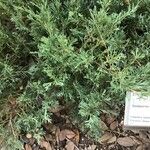
Juniperus chinensis
Chinese juniper · Chinese pyramid juniper · Blue Alps · Bonsai Juniper · Chinski Jałorc (HSB)
Description
Source: leafsnapJuniperus chinensis, commonly known as Chinese juniper, is an evergreen coniferous tree belonging to the cypress family. Native to China, Japan, Mongolia, and Korea, this tree can grow up to 20 meters tall and typically exhibits a conical or columnar shape with dense foliage in shades of blue-green to gray-green. The Chinese juniper's leaves are needle-like and arranged in whorls of three. The tree produces small cones that start off green and turn brown as they mature. Due to its attractive foliage and shape, the Chinese juniper is frequently used for ornamental purposes. It can be grown as single specimens or incorporated into hedges and screens for privacy. In addition to its aesthetic appeal, Chinese juniper is known for its medicinal properties. Traditional Chinese herbalists have used its leaves to treat various ailments, including arthritis, asthma, coughs, and colds. Chinese junipers thrive in well-drained soil with full sun exposure but can also tolerate partial shade. These plants are relatively low-maintenance and require minimal pruning, except when being shaped into hedges or screens. Overall, Juniperus chinensis is a versatile plant, offering both visual appeal and medicinal benefits, making it an excellent addition to any garden landscape design.
🎭 Resolute and assertive
Care Guide
💧 Water Every 7 days
Chinese juniper, native to East Asia, thrives in moderate to dry conditions, showcasing its resilience to drought. Water the plant every 1-2 weeks, allowing the soil to dry out between waterings. Be aware that its water needs change with the seasons: providing consistent moisture during the spring and summer helps maintain vibrant foliage.
How should I water my Chinese juniper plant?
Watering your Chinese juniper is a simple task. To water it, you can turn on your garden hose and slowly soak the soil. This is ideal for mature trees that require a lot of water. However, for smaller trees, you can use a watering can or other smaller tools. It's important to avoid overhead watering as it can cause disease, especially in young trees.
What do I do if I give too much or too little water to my Chinese juniper?
Overwatering can occur due to poor soil conditions. If the soil does not drain well, your Chinese juniper may start to decline. In this situation, you can either improve the soil's drainage by adding amendments or relocate the plant to a more favorable area. If you are growing the juniper in a pot, you may also need to repot it with looser soil and a container that allows for better drainage. Additionally, overwatering can lead to diseases, which should be treated promptly. On the other hand, underwatering is easy to address by simply watering more frequently. The plant will bounce back and regain its health. To determine if you have overwatered the juniper, examine the foliage, particularly the new growth. Discolored or easily breakable new growth indicates excessive moisture. Similarly, standing water or slow drainage in the plant's growing area suggests overly moist soil. Underwatered Chinese juniper trees will also show signs in their foliage, such as sparse or brown leaves. It is important to consider recent rainfall or consistently high temperatures when assessing these symptoms.
How frequently should I give water to my Chinese juniper?
A mature Chinese juniper typically doesn't require much water. It can usually survive solely on rainfall and become drought tolerant. During the hottest months, you may need to water it once a week, but during other seasons, watering may be unnecessary. The exception is for newly planted trees, which should be regularly watered to help with root establishment and soil moisture. However, it's crucial to avoid overwatering as Chinese junipers cannot tolerate standing water. When unsure, it's better to avoid watering rather than risk overwatering.
How much water does my Chinese juniper plant need?
During the height of summer, you'll usually need to water your Chinese juniper once a week, giving it about one inch of water. However, if it has rained one inch or more that week, you can skip watering. For newly planted Chinese junipers, they will need more water for the first few growing seasons, typically requiring watering once every one to two weeks.
How do I give water to my Chinese juniper plant during different seasons?
The Chinese juniper tree requires the most water in the summer when it is hottest. You should water it about once a week if there is no rainfall. In other seasons, the plant can often survive without any watering. In spring and fall, you may need to water it if the weather is very hot, but this is rare. Unlike other plants, the Chinese juniper does not go into full dormancy in winter and will continue to grow. However, its water needs in winter are low because the cool temperatures do not dry out the soil quickly.
☀️ Light Full sun
The Chinese juniper does best in direct sunlight, drawing most of its energy from those bright rays. Protecting it from full exposure will not prevent growth, although it may be most productive with greater light. Excessive shade or overly intense sun can impede its normal growth and development. Originally, they grew well in places with abundant sunlight.
What are the sunlight requirements for a Chinese juniper?
The Chinese juniper thrives in conditions where it can receive clear rays of the sun, ideally absorbing energy primarily from these radiant beams. To ensure the plant's optimal growth and development, providing it with a location that offers full sun, meaning above 6 hours of sunlight, is crucial. However, the plant can still grow under partial sun, which amounts to about 3-6 hours of sunlight. It's important to monitor how sunlight moves through your garden and choose locations that offer a good balance of light and shade, as both overly shady or extremely sunny conditions could hinder the plant's normal growth. The essence of care lies in understanding the balance required for the Chinese juniper’s happiness and growth.
How do artificial lights benefit the Chinese juniper, and what are the requirements if natural sunlight is insufficient?
For indoor Chinese junipers or in situations where natural sunlight is insufficient, artificial lighting can play a critical role in ensuring optimal growth. It's especially beneficial during winter or in less sunny spaces. LED lights are recommended due to their ability to be customized to provide specific wavelengths of light that plants need. For full sun plants, an intensity of 30-50W/sq ft is ideal; partial sun plants benefit from 20-30W/sq ft; and full shade plants require 10-20W/sq ft of artificial light. The light source should be placed 12-36 inches above the plant to mimic natural sunlight conditions and it's crucial to mimic natural daylight hours, typically ensuring plants get 8-12 hours of light per day. This approach helps promote faster, healthier growth by compensating for the lack of natural sunlight.
What symptoms indicate that a Chinese juniper is getting too much or too little sunlight?
Symptoms of improper sunlight exposure in Chinese junipers can vary. Insufficient sunlight may lead to smaller new leaves, leggy or sparse growth, faster leaf drop, delayed or halted growth, and the development of pale or lighter-colored new leaves. These indicate a lack of chlorophyll and essential nutrients. Conversely, symptoms like chlorosis (leaves turning yellow due to chlorophyll breakdown), sunscald, leaf curling, wilting, and leaf scorching suggest excessive sunlight exposure. These various symptoms help in identifying whether the plant is under stress due to too much or too little sunlight, guiding necessary adjustments in its care.
What solutions can optimize light exposure for the Chinese juniper?
To optimize light exposure for the Chinese juniper, indoor solutions include gradually shifting the plant to sunnier locations until it receives at least 6 hours of direct sunlight daily, utilizing south-facing windows for maximum sunlight, and considering artificial light sources like a desk lamp or professional grow lights to provide at least 8 hours of light daily if the plant is large. Outdoors, gradually moving plants to sunnier spots can help them adapt to increased light without the risk of sunburn. Additionally, reducing obstructions such as pruning nearby trees or relocating the plant can significantly improve sunlight access. For smaller plants, transplanting during their dormant period to a spot with ample sunlight and good drainage is recommended. These measures can ensure healthy new growth, even though parts of the plant that were previously affected by insufficient light may not recover.
🌡️ Temperature 5–35°C
Chinese juniper is native to temperate regions and does best in temperatures from 41 to 95 °F (5 to 35 ℃). In very warm spells, provide shade or move it indoors. In colder spells, make sure it gets enough warmth to reach its necessary temperature.
What is the ideal temperature range for growing Chinese juniper?
Chinese juniper thrives in temperate climates, with an ideal temperature range of 41 to 95 °F (5 to 35 °C). It has strong cold resistance but requires protection when temperatures are expected to drop below -30°C. Special care during extreme temperatures involves providing shade during hot periods and ensuring warmth during cooler times. Before the first freeze of autumn, it's recommended to water the plant abundantly to keep the soil moist, which helps prevent drought and water scarcity during winter and early spring.
How does low temperature affect Chinese juniper, and what are the solutions?
Chinese juniper is cold-tolerant and can generally survive well when temperatures remain above 5°C. However, when winter temperatures fall below -30°C, there might not be any immediate noticeable effects, but come spring, the branches may become brittle and dry, with no new shoots emerging. To remedy this, it's advisable to prune away any dead branches that have failed to produce new leaves in the spring.
What should I do if my Chinese juniper is exposed to high temperatures?
During summer, keeping Chinese juniper below 35°C is critical to avoid heat stress. Should the temperature exceed 38°C, the plant's leaves may lighten in color, and the tips may become dry and withered, increasing susceptibility to sunburn. Treatment involves trimming away the sunburned and dried parts, moving the plant to a shaded location or employing a shade cloth to protect it from midday and afternoon sun. Additionally, watering the plant in the morning and evening can help keep the soil suitably moist.
💨 Humidity high (>60%)
This plant needs special care because it loves high humidity levels of 60-80% or more. The best way to achieve this is by placing a humidifier near the plant. Daily misting is also essential! Make sure the room has good ventilation.
🪴 Soil 6-7
🌱 Fertilizer
Chinese juniper has specific nutrient needs and does not require heavy fertilization. Fertilizing in spring is best for promoting optimal growth. Providing nutrients enhances its health, increases its resistance to pests and diseases, and helps maintain a long lifespan.
Why is it important to put fertilizer on my Chinese juniper?
To promote healthy growth in Chinese juniper, it is important to fertilize it in the spring. Since this plant has a long lifespan, it requires proper support. By adding nutrients to the soil, you can enhance the plant's health, enabling it to better withstand pests and diseases that may hinder growth or shorten its lifespan.
When should I fertilize my Chinese juniper to get the best results?
Chinese juniper, unlike garden annuals and perennials, doesn't rely heavily on additional nutrients, as the growing medium may not provide adequate support for healthy growth. To nourish Chinese juniper effectively, it is best to fertilize it in the spring before new growth begins.
When is it best not to put fertilizer on my Chinese juniper?
Chinese juniper is a plant that doesn't need a lot of extra nutrients. While some plants benefit from monthly or weekly fertilization, this is not the case for Chinese juniper. In fact, an excess of fertilizer can actually harm it and lead to withering. Therefore, it is best to only apply fertilizer in the spring and avoid doing so during the other seasons (summer, fall, and winter). Additionally, refrain from adding any fertilizer or organic matter to the soil during these seasons.
What kind of fertilizer does my Chinese juniper tree need?
When choosing fertilizer for your Chinese juniper plant, consider its age. Despite not needing a lot of additional nutrients, a balanced plant food is ideal as it promotes healthy root development and growth. Avoid fertilizers with high nitrogen levels.
How do I give food to my Chinese juniper?
Properly fertilizing Chinese juniper is crucial, both in terms of timing and technique. It is best to apply the fertilizer once in the spring, specifically at the base of the plant. To avoid any issues, be careful not to get any fertilizer on the trunk. If using a granulated fertilizer, a thin layer of soil should be spread over the pellets. This aids in the absorption of the fertilizer into the soil.
🪴 Pot & Repot Every 12 months
To ensure healthy growth and an adequate nutrient supply, repot your Chinese juniper every 3 to 4 years. Regular repotting prevents root binding and supports the overall vitality of the plant.
✂️ Pruning
The Chinese juniper is known for its dense foliage and conical shape, which can be enhanced through annual pruning. Key techniques include thinning out overcrowded branches and removing any dead wood. The best time for pruning is from early to late winter. This timing promotes better air circulation, reduces the risk of disease, and supports healthy growth and an attractive appearance.
🌿 Propagating
🐛 Diseases & pets
☠️ Toxicity
Characteristics
- Plant Type
- Shrub
- Life Cycle
- Perennial
- Genus
- Juniperus
- Family
- Cupressaceae
- Hardiness Zone
- 4-9
- Mature Height
- 0.91 m to 20.12 m
- Mature Spread
- 3.05 m
- Leaf Color
- Green, Blue
- Leaf Type
- Evergreen
- Flower Color
- Yellow, White, Green, Brown
- Flower Size
- 0.20 cm to 0.25 cm
- Bloom Time
- Early spring, Mid spring
- Planting Time
- Spring, Autumn
- Harvest Time
- Mid summer, Late summer, Early fall
- Native Area
- Russia, Japan, Koppen, South Korea, China