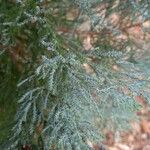
Juniperus deppeana
Checker-bark juniper · Alligator juniper · Checkerbark Juniper
Description
Source: leafsnapJuniperus deppeana (alligator juniper or checkerbark juniper) is a small to medium-sized tree reaching 10–15 metres (33–49 feet) in height. It is native to central and northern Mexico and the southwestern United States.
🎭 Safeguarding, Anti-Theft Affection
Care Guide
💧 Water Every 7 days
The alligator juniper is well-suited to arid environments and has a high tolerance for drought. It requires watering only once every one to two weeks. As an evergreen that is often grown outdoors, this tree can make the most of occasional rainfall to keep its foliage lush throughout the year.
How should I water my Alligator juniper tree?
Watering your Alligator juniper is a simple task. To do it, just turn on your garden hose and use it to slowly soak the soil. For larger trees, the garden hose is the best tool as they need more water. However, for smaller trees, you can use a watering can or other smaller tools. It's important to avoid overhead watering as this can cause disease, especially for younger trees.
What should I do if I give my Alligator juniper too much or too little water?
Overwatering can occur if the soil does not allow water to drain properly for your Alligator juniper. This can cause the plant to decline. To address this issue, you can either improve the soil's drainage by amending it or relocate the plant to a more suitable spot. If you are growing your juniper in a pot, repotting it with looser soil and better drainage may be necessary. Overwatered plants are more prone to diseases, so immediate treatment is recommended. On the other hand, if your juniper is underwatered, simply increasing the frequency of watering will help it recover. To determine if your plant has been overwatered, examine the new growth for discoloration or easy breakage. Standing water or slow drainage in the plant's growing area also indicate excessive moisture in the soil. For underwatered plants, the leaves may become sparse and brown. Considering recent rainfall or high temperatures can help you diagnose the issue correctly.
How many times should I give water to my Alligator juniper?
A mature Alligator juniper is usually drought tolerant and can survive on rainfall alone. Typically, you only need to water this tree once a week during the hottest months, while during other seasons, watering may not be necessary. However, if you've recently planted the tree, regular watering is important to help the roots establish themselves. Remember that Alligator juniper does not tolerate standing water, so it's better to avoid watering it if you're unsure rather than risk overwatering.
How much water does my Alligator juniper tree need?
During the height of summer, Alligator junipers usually require watering. Usually, around one inch of water per week is adequate. However, this amount may vary based on rainfall. If it has rained one inch or more, you can skip watering for that week. Newly planted Alligator junipers need more water during the establishment period. This means watering them once every one to two weeks for the first few growing seasons.
What is the best way to water my Alligator juniper all year round?
The Alligator juniper tree requires the most water during the summer months when it is the hottest. During this time, it is recommended to water the plant once a week if there is no rainfall. In other seasons, the tree can often survive without any water. In spring and fall, there may be a need to provide some water if the weather becomes exceptionally hot, although this is rare. Unlike many other plants, the Alligator juniper does not enter full dormancy in winter, meaning it continues to grow during the coldest months. However, water requirements during winter remain low as the cool temperatures do not cause the soil to dry out quickly.
☀️ Light Full sun
The alligator juniper does best with plenty of natural light and prefers a location that is continuously exposed to sunlight. Its native habitat reflects this need for abundant light. A lack of sufficient sunlight can impede healthy growth, while too much light typically does not cause significant harm because of the tree's hardiness.
What are the sunlight requirements for Alligator Juniper?
Alligator Juniper requires full sun, which means it needs more than 6 hours of sunlight daily, but it can also thrive in partial sun, receiving about 3-6 hours of sunlight. It's crucial to observe your garden's sunlight patterns to find the ideal balance of light and shade for the plant's wellbeing. The Alligator Juniper's natural habitat demands significant light exposure, and while lacking adequate sunlight could impede its growth, it's quite resilient and can generally withstand excess light.
What are the essentials for growing Alligator Juniper?
The Alligator Juniper thrives with ample natural light and prefers locations with continuous sun exposure, reflecting its origin in light-abundant environments. Inadequate sunlight might slow its growth, but it's adaptable enough to handle excess sunlight without severe consequences. For indoor plants where natural light is insufficient, artificial lighting can be a solution. Optimal growth requires LED lights or other suitable artificial lights, positioned 12-36 inches above the plant, mimicking natural sunlight for about 8-12 hours daily, depending on the plant's needs.
What symptoms indicate Alligator Juniper isn't getting enough light?
If Alligator Juniper isn't receiving enough light, it may show various symptoms such as smaller new leaves, leggy growth, premature leaf drop, halted growth, paler new leaves, and symptoms of chlorosis or sunscald. Leaf curling, wilting, and leaf scorching might also occur from excessive sunlight rather than a deficiency. These indicators highlight the plant's struggle with its light environment, either needing more sunlight or suffering from too much exposure.
How can I address light-related issues for an Alligator Juniper?
To address light-related issues in Alligator Juniper, consider moving the plant gradually to a sunnier location until it receives at least 6 hours of direct sunlight if indoors, using south-facing windows and keeping curtains open during the day. For large or immovable plants, artificial lighting can supplement light needs. Outdoors, ensure plants are acclimated to sunlight increases to avoid sunburn. Removing obstructions or transplanting to sunnier areas can improve light access. However, note that parts of the plant damaged by insufficient light may not recover, but new growth will be healthy with better light conditions.
🌡️ Temperature 15–35°C
Alligator juniper is a hardy plant that requires a thermophilic environment. Native to regions with moderate temperatures, it prefers a range of 59 to 95 °F (15 to 35 ℃). In different seasons, slight temperature adjustments may be necessary to ensure the plant's continued growth.
What are the essential care requirements for Alligator juniper?
Alligator juniper (Juniperus deppeana) thrives in thermophilic environments and is native to regions with moderate temperatures, preferring a range of 59 to 95 °F (15 to 35 °C). It benefits from slight temperature adjustments across different seasons to ensure its growth continues. Despite its strong resistance to cold, if winter temperatures are expected to drop below -15°C, it's crucial to provide cold protection. This can involve wrapping the trunk and branches with non-woven fabric or cloth. Additionally, before the onset of the first freeze in autumn, it's recommended to water the plant thoroughly to ensure the soil remains moist and enters a frozen state, which helps to prevent drought and water scarcity into early spring.
How should Alligator juniper be cared for in low temperatures?
Alligator juniper is quite cold-tolerant and fares best in temperatures above 15°C. During winter, it's advisable to keep it above -10°C. Should temperatures fall below -15°C, the plant might not show immediate damage during winter, but come spring, the branches can become brittle and dry, with no new shoots emerging. To mitigate this, dead branches that have failed to produce new leaves by spring should be pruned away to encourage new growth.
What steps should be taken if Alligator juniper experiences high temperatures?
In the summer, it's best to keep Alligator juniper below 35°C. Temperatures exceeding 38°C may cause the plant's leaves to lighten in color and the tips to dry out and wither, making it more prone to sunburn. To help the plant cope, trim away the sunburned and dried-up parts. Moving the plant to a shaded location or using a shade cloth can protect it from midday and afternoon sun. Additionally, watering the plant in the morning and evening will help keep the soil moist and prevent further stress.
💨 Humidity
🪴 Soil 6-7
🌱 Fertilizer
Alligator juniper has specific nutrient needs and does not require heavy fertilization. Fertilizing in spring is best for optimal growth. Supplying nutrients improves its health, increases its resistance to pests and diseases, and helps sustain its long lifespan.
🪴 Pot & Repot
✂️ Pruning
The Alligator Juniper is known for its distinctive bark and scale-like leaves. To keep it healthy, prune it from early to late winter. Focus on removing dead branches and thinning out dense areas to improve air circulation. Be cautious not to prune too heavily, as this can stress the tree. Instead, regular light pruning helps maintain its shape and vigor. Always use clean tools to ensure the plant stays healthy.
🌿 Propagating
🐛 Diseases & pets
☠️ Toxicity
Alligator Juniper has been documented to cause skin and respiratory irritation, while serious reactions are uncommon. It's best to always wear protective gear when handling the plant.
Characteristics
- Plant Type
- Tree
- Life Cycle
- Perennial
- Genus
- Juniperus
- Family
- Cupressaceae
- Hardiness Zone
- 7-9
- Mature Height
- 15.24 m to 18.29 m
- Mature Spread
- 6.1 m to 7.62 m
- Leaf Color
- Green, Blue
- Leaf Type
- Evergreen
- Flower Color
- Yellow, Green, Orange
- Bloom Time
- Early spring, Mid spring
- Planting Time
- Autumn, Spring
- Harvest Time
- Late summer, Early fall, Mid fall
- Native Area
- Mexico