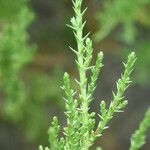
Juniperus excelsa
Crimean juniper · Grecian Juniper · Greek juniper · Great juniper
Description
Source: wikipedia (CC BY-SA)Juniperus excelsa, commonly called the Greek juniper, is a juniper found throughout the eastern Mediterranean, from northeastern Greece and southern Bulgaria across Turkey to Syria and Lebanon, Jordan, the Caucasus mountains, and the southern coast of Crimea.
🌳 Apart from its familiar uses in landscaping and woodworking, rocky mountain juniper has a number of less obvious applications. Its sturdy, aromatic wood is valued for making high-quality furniture and fence posts. Oil can be extracted from rocky mountain juniper to be used as a fragrance in aromatherapy and cosmetics. Its hardy nature makes it suitable for reclamation projects to stabilize soils and prevent erosion, while its foliage provides food for browsing wildlife.
🎭 Safeguarding, Anti-Theft Affection
Care Guide
💧 Water
How should I water my Greek juniper plant?
Watering your Greek juniper is a simple task. To do so, turn on your garden hose and slowly soak the soil. This is the best option for mature trees that require a lot of water. For smaller trees, a watering can or another smaller tool will suffice. Avoid overhead watering as it can lead to disease, especially for young trees.
What should I do if I give my Greek juniper plant too much water or too little water?
Overwatering can be caused by poor soils. If the soil doesn't drain effectively, your Greek juniper may decline. To remedy this, you can amend the soil or transplant the plant to a better location. If you grow your Greek juniper in a pot, you may need to repot it with looser soils for better drainage. Overwatered plants can also contract diseases, so it's important to treat them promptly. On the other hand, underwatered Greek junipers can be revived by watering more often. To determine if your Greek juniper is overwatered, look at the foliage, especially the new growth. If it's discolored or easily breakable, there may be too much moisture. Standing water or slow drainage can also indicate overwatering. Conversely, underwatered junipers may have sparse, brown foliage. Consider recent rainfall or high temperatures as factors contributing to these symptoms.
How frequently should I give water to my Greek juniper?
A mature Greek juniper is drought tolerant and can survive on rainfall alone. During the hottest months of the year, you may need to water it about once a week. However, in other seasons, it usually won't need any additional watering. The exception to this is if you have just planted a new juniper. In that case, regular watering is necessary to establish its roots. Remember that Greek junipers cannot tolerate standing water, so it's better to under-water than over-water them.
How much water does my Greek juniper plant need?
During the height of summer, you will need to water your Greek juniper. Normally, this means giving it one inch of water per week. However, you may need to adjust this amount based on the amount of rain that week. If it has rained one inch or more, you can skip watering your Greek juniper. Keep in mind that newly planted Greek junipers need more water during the establishment period. Typically, you should water them once every one to two weeks for the first few growing seasons.
How can I water my Greek juniper properly all year long?
The Greek juniper tree has different water needs throughout the year. During the summer months when it's hot, it requires the most water. In this season, water it once a week if there's no rain. However, during other times of the year, it can often survive without any water at all. In spring and fall, you might need to water it if the weather is exceptionally hot, but this is rare. Unlike many other plants, the Greek juniper doesn't fully go dormant in winter, so it continues to grow even during the coldest months. However, since the temperatures are cool, the water needs during winter are low as the soil doesn't dry out quickly.
☀️ Light Full sun
The rocky mountain juniper prefers habitats with steady sun exposure and can tolerate locations with only occasional light cover. Native to an environment accustomed to abundant sunshine, its growth and health are directly influenced by how much sun it receives. Too little sunlight can hinder its development, while too much can cause harm.
What are the sunlight requirements for Greek juniper?
Greek juniper thrives best in full sun, requiring more than 6 hours of sunlight per day. However, it can also adapt to partial sun conditions, making do with about 3-6 hours of sunlight. It's important to observe the sunlight patterns in your garden to ensure you're providing the right amount of light and shade for optimal growth. Artificial lighting can supplement natural sunlight, especially for indoor plants or during less sunny seasons, with different wattages recommended based on the plant's sunlight needs.
What typical environments do Greek junipers originate from?
Greek juniper originates from open environments that are characteristically bright and sunny, such as meadows and the edges of forests. These settings provide ample light, which is crucial for their growth and development. When cultivating Greek juniper, mimicking these conditions by ensuring it receives either full or partial sun can help it thrive.
How does inadequate sunlight affect Greek juniper, and what are the symptoms?
Insufficient sunlight can cause several symptoms in Greek juniper, illustrating the plant's struggle to adapt to suboptimal lighting conditions. Symptoms include smaller new leaves, leggy or sparse growth, accelerated leaf drop, halted growth, lighter-colored new leaves, chlorosis, sunscald, leaf curling, wilting, and leaf scorching. These symptoms highlight the plant's difficulty in photosynthesis and maintaining overall health when deprived of adequate sunlight.
How can I mitigate the effects of inadequate sunlight for Greek juniper?
To combat inadequate sunlight for Greek juniper, consider gradually introducing the plant to more sunlight, aiming for at least 6 hours daily. For indoor plants, using artificial light such as desk lamps or professional grow lights can supplement natural light. Outdoor plants benefit from gradual relocation to sunnier spots, avoiding abrupt exposure that can cause sunburn. Additionally, ensuring there are no obstructions to sunlight and considering transplantation during the plant's dormant period can improve light access. Note that while parts of the plant affected by low light may not recover, new growth should be healthy with improved lighting.
🌡️ Temperature 5–32.2°C
In its native Rocky Mountains habitat, rocky mountain juniper thrives in cooler conditions, with summer average highs near 77 ℉ (25 ℃) and winter lows that can fall well below freezing. It can still tolerate a broad range of temperatures, though it prefers 41 to 90 ℉ (5 to 32 ℃). In colder seasons, additional mulching and watering help prevent damage.
What is the Greek juniper?
The Greek juniper, scientifically known as Juniperus excelsa, is a species of plant. There was no additional information provided about its essentials or symptoms.
💨 Humidity
🪴 Soil 6-7
🌱 Fertilizer
Rocky mountain juniper has specific nutrient needs and doesn't require heavy fertilization. Spring is the best time to fertilize for optimal growth. Supplying nutrients improves its health, increases resistance to pests and diseases, and helps sustain its long lifespan.
Why should I add nutrients to my Greek juniper plant?
To promote healthy growth of Greek juniper, it is important to fertilize it in the spring. Keep in mind that this plant has a long lifespan and requires support. By adding nutrients to the soil, you can also enhance its overall health, making it more resistant to common pests and diseases that can hinder its growth or shorten its lifespan.
When should I fertilize my Greek juniper for the best results?
Greek juniper is a bit unique compared to your typical garden plants because it doesn't need a lot of extra nutrients. Sometimes, the growing medium may not provide enough nutrients for it to grow healthily. If you want to fertilize Greek juniper, the best time to do it is in the spring before new growth starts.
When is the best time to not use fertilizer on my Greek juniper plant?
While some plants benefit from regular fertilization on a monthly or weekly basis, Greek juniper does not require excessive nutrients. Applying too much fertilizer can actually cause it to die back. Therefore, it is best to only fertilize Greek juniper in the spring and refrain from doing so in the summer, fall, and winter. Additionally, avoid adding any fertilizer or organic matter to the soil during these seasons.
What kind of fertilizer does my Greek juniper plant need?
The age of your plant determines the fertilizer it needs. Keep in mind that Greek junipers don't need a lot of extra nutrients. Choose a balanced plant food that promotes healthy root development and growth, but avoid fertilizers with high nitrogen levels.
How can I make my Greek juniper plant grow healthier?
When fertilizing Greek juniper, make sure to pay attention to both the timing and method. In the spring, apply the fertilizer at the base of the plant, being careful to avoid getting any on the trunk. If you're using granulated fertilizer, cover the pellets with a light layer of soil to ensure proper absorption into the soil.
🪴 Pot & Repot 2-3 years
When repotting Rocky mountain juniper, pick a pot 1–2 inches (2.5–5.1 cm) larger with plenty of drainage. Use a well-draining potting mix. Repot in spring or fall, making sure the root ball sits slightly below the rim of the flower pot. Water thoroughly after repotting and place it in a warm spot with indirect sunlight.
✂️ Pruning
To properly care for a Greek juniper, it is best to prune it during its dormant period, which ranges from early to late winter. Focus on removing dead or damaged branches and thinning out dense areas to improve air circulation. Be cautious and avoid heavy pruning, as the Greek juniper grows slowly. Using clean and sharp tools will enhance the plant's health and appearance while also increasing its resistance to diseases.
🌿 Propagating
🐛 Diseases & pets
☠️ Toxicity
Characteristics
- Plant Type
- Tree
- Life Cycle
- Perennial
- Genus
- Juniperus
- Family
- Cupressaceae
- Hardiness Zone
- 4-8
- Mature Height
- 4.88 m to 20.12 m
- Mature Spread
- 1.22 m to 1.83 m
- Leaf Color
- Green, Blue
- Leaf Type
- Evergreen
- Flower Color
- Yellow, Green, Blue
- Bloom Time
- Mid spring, Late spring
- Planting Time
- Spring, Autumn
- Harvest Time
- Early spring, Mid spring, Mid summer, Late summer, Fall, Winter
- Native Area
- Mexico