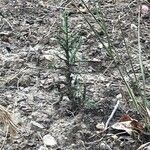
Juniperus occidentalis
Western-cedar · Sierra juniper · Western juniper
Description
Source: leafsnapJuniperus occidentalis, commonly known as the Western Juniper, is a coniferous evergreen tree that belongs to the Cupressaceae family. Native to western North America, it thrives in a variety of habitats, including rocky slopes, dry forests, and sagebrush plains. The tree can reach heights of up to 20 meters, with trunk diameters of up to 1 meter. The Western Juniper has a distinctive appearance, featuring blue-green, needle-like leaves that grow in whorls of three. These sharp-pointed leaves emit a resinous aroma when crushed. Additionally, the tree produces small, berry-like cones. For centuries, indigenous peoples have utilized the Western Juniper for various purposes, including medicinal uses such as treating colds and coughs. Its strong wood has also been used to craft tools like bows and arrows. However, the Western Juniper has become an invasive species in some regions. It can outcompete native vegetation, leading to soil erosion problems. Conservationists have employed methods such as controlled burning and mechanical removal to manage its spread in affected areas. In summary, the Western Juniper plays an important ecological role but requires careful management when it becomes invasive in certain habitats.
🎭 Messiah, perpetuity, continence
Care Guide
💧 Water Every 7 days
Western juniper is well-suited to arid environments due to its high tolerance for drought, needing only minimal moisture to thrive. It prefers dry soil and benefits from watering every two weeks. As an evergreen, it keeps its foliage throughout the year and requires even less water during the colder months when its growth slows down.
How should I water my Western juniper plant?
Watering your Western juniper is a simple task. To water the tree efficiently, use a garden hose to slowly soak the soil. For mature trees, a garden hose is the best option because they may require a large amount of water. However, for smaller trees, a watering can or other smaller watering tool is sufficient. It's important to avoid overhead watering to prevent excessive moisture on the leaves, which can cause disease, especially in young trees.
What should I do if I give my Western juniper too much water or too little water?
Sometimes, overwatering Western junipers occurs because of poor soils. If the soil doesn't drain well, the plant may start to decline. To address this issue, you can either improve the soil's drainage by amending it, or relocate the juniper to a more suitable growing spot. If you have the juniper in a pot, you might need to repot it with looser soil in a container that allows for better drainage. Overwatering can also lead to diseases, which should be treated promptly. On the other hand, if your juniper is underwatered, the solution is simple: water it more often, and the plant will recover and thrive again. To determine if your juniper is overwatered, examine its foliage, especially the new growth. If the new growth is discolored or easily breaks, it's a clear sign of excessive moisture. Additionally, stagnant water or slow drainage in the plant's area indicates overly moist soil. Underwatered junipers will also exhibit foliage symptoms, such as sparse and brown leaves. Consider recent heavy rainfall or consistently high temperatures if you notice these symptoms as they can help in making the right judgment.
How much water does my Western juniper need?
A mature Western juniper is drought tolerant and can survive on rainfall alone. During the hottest months, watering once a week is sufficient, but in other seasons, watering may not be necessary. Newly planted junipers should be watered regularly to establish their roots, but avoid overwatering as this species cannot tolerate standing water. When unsure, it is better to err on the side of not watering your Western juniper too much.
How much water does my Western juniper tree need?
During the height of summer, you'll need to water your Western juniper. Typically, you should give it about one inch of water per week. However, the amount can vary depending on how much it has rained. If it has rained one inch or more that week, you don't need to water the juniper. For newly planted Western juniper, it will require more water during the establishment period. Usually, this means watering it once every one to two weeks for the first few growing seasons.
How do I water my Western juniper at different times of the year?
The Western juniper tree requires the most water during the summer when it is hottest. Water it once a week if there is no rainfall. It can usually survive without water throughout the year, except in spring and fall when it might need some watering if the weather is unusually hot. Unlike other plants, the Western juniper does not go completely dormant in winter and will continue to grow. However, the water requirements during winter are low as the cool temperatures do not dry out the soil quickly.
☀️ Light Full sun
The western juniper flourishes when it gets the maximum sunlight possible throughout the day. Its origins in harsh environments have made it highly receptive to sunlight. Insufficient exposure can result in stunted growth, while consistent saturation produces optimal health and vigour.
What are the sunlight requirements for the Western juniper?
The Western juniper requires full sun exposure, thriving in conditions where it can receive maximal sunlight throughout the day, typically more than 6 hours. It is well-adapted to harsh environments, making it extremely receptive to sunlight. Adequate sun exposure is crucial as it influences the plant's growth, health, and vigor. Insufficient sunlight may lead to stunted growth, whereas consistent ample sunlight ensures optimal health. It's important to observe how sunlight moves through your garden to choose spots that offer the right balance of light and shade for your plants.
How can artificial lighting support plant growth indoors?
Indoor plants, including those that prefer full sun, may require artificial lighting to achieve optimal growth, especially in environments where natural sunlight is lacking. LED lights are a popular choice for their ability to be customized to provide specific wavelengths needed by plants. For full sun plants, 30-50 Watts per square foot is recommended; partial sun plants need 20-30 Watts per square foot, and full shade plants require 10-20 Watts per square foot. The artificial light source should be placed 12-36 inches above the plant to mimic natural sunlight effectively, and most plants will benefit from 8-12 hours of light per day to replicate the natural daylight hours.
What are the signs of sunlight deficiency in Western junipers?
Western junipers show various symptoms when experiencing sunlight deficiency, despite their preference for full sunlight. Indications of insufficient light include smaller new leaves, leggy or sparse growth, premature leaf drop, slower or halted growth, and leaves that appear lighter in color or chlorotic. Other signs like sunscald, leaf curling, wilting, and leaf scorching may indicate too much sun exposure. These symptoms highlight the plant's struggle to maintain its health and growth under suboptimal light conditions.
What solutions can mitigate sunlight deficiency symptoms in Western junipers?
To address sunlight deficiency in Western junipers, consider gradually moving them to sunnier locations, ensuring they receive at least 6 hours of direct sunlight daily. For indoor plants, utilize south-facing windows and keep curtains open during the day or use artificial grow lights if the plant is large or not easily movable, ensuring the light is on for at least 8 hours daily. For outdoor plants, avoid sudden light intensity changes to prevent sunburn. If trees or other barriers obstruct sunlight, prune branches or move plants to brighter locations. Remember, while these actions can promote healthy new growth, parts of the plant already affected may not recover.
🌡️ Temperature 5–32.2°C
Western juniper is native to climates with temperatures between 41 and 90 °F (5 to 32 ℃). It does best in moderately cool to warm conditions. Making seasonal adjustments—such as giving shade during hot summer periods and shielding it from frost in winter—can help keep it healthy.
What is the ideal temperature range for Western juniper?
Western juniper thrives in environments with temperatures ranging from 41 to 90 °F (5 to 32 °C). It performs best in moderately cool to warm conditions. During the hot summer months, it's beneficial to provide the plant with shade, and in winter, it's essential to protect it from frost. Although Western juniper is highly cold-tolerant and doesn’t require specific frost protection measures, watering it generously before the first freeze of autumn to keep the soil moist can prevent drought and water scarcity during the colder months.
How does Western juniper react to extremely low temperatures?
Western juniper is exceptionally cold-tolerant and can withstand winter temperatures above -30°C without noticeable changes during the winter. However, if temperatures fall below this threshold, the plant may experience issues in spring such as brittle and dry branches that fail to produce new shoots. To mitigate any damage from extreme cold, it's advised to prune away dead branches that have not produced new leaves come spring.
What should I do if Western juniper is exposed to high temperatures?
Western juniper struggles with high temperatures, particularly when they exceed 32°C, leading to significant leaf drop or, in severe cases, the death of the plant. To help the plant cope with excessive heat, trim any sunburned and dried parts away. Moving the plant to a shaded location or employing a shade cloth can protect it from the harsh midday and afternoon sun. Additionally, watering the plant in the morning and evening can help keep the soil adequately moist.
💨 Humidity
🪴 Soil 6-7
🌱 Fertilizer
Western juniper has specific nutrient needs and does not require heavy fertilization. Spring is the best time to apply fertilizer for optimal growth. Providing nutrients improves its health, increases its resistance to pests and diseases, and helps support its long lifespan.
Why is it necessary to add fertilizer to my Western juniper plant?
To promote healthy growth in Western juniper, it is recommended to fertilize in the spring. Keep in mind that this plant has a long lifespan and requires support. Adding nutrients to the soil not only improves its overall health but also enhances its ability to withstand common pests and diseases that may impede growth or reduce its lifespan.
When should I put fertilizer on my Western juniper?
The growing medium may not provide sufficient nutrients for healthy growth, but Western juniper is unique in that it requires fewer additional nutrients compared to garden annuals and perennials. For optimal results, it is recommended to fertilize Western juniper in the spring before new growth starts.
When is it not a good time to fertilize my Western juniper?
While some plants benefit from monthly or weekly fertilization, Western juniper does not require excessive nutrients. Over-fertilization can actually harm it and cause it to decline. To care for Western juniper, it is recommended to only apply fertilizer in the spring and refrain from doing so during the summer, fall, and winter. Additionally, avoid adding any additional organic matter to the soil during these seasons.
Which kind of fertilizer should I use for my Western juniper?
The age of your plant is important when choosing fertilizer. Keep in mind that Western juniper doesn't need a lot of nutrients. Look for a balanced plant food that promotes healthy roots and growth. Avoid fertilizers with high nitrogen levels.
How should I give nutrients to my Western juniper plant?
When fertilizing Western juniper, it is crucial to consider both the timing and method. Apply the fertilizer once during the spring, focusing on the base of the plant and avoiding contact with the trunk. If using granulated fertilizer, cover the pellets with a thin layer of soil to facilitate absorption into the soil.
🪴 Pot & Repot
✂️ Pruning
Western juniper is characterized by its rugged, needle-like foliage. For optimal care, prune the plant between early and late winter. Focus on removing any dead or diseased branches and thinning out dense areas to improve air circulation. It's important to maintain the tree's natural shape; excessive cutting can stress the plant. Proper pruning encourages healthier growth and highlights its distinctive silhouette.
🌿 Propagating
🐛 Diseases & pets
☠️ Toxicity
Characteristics
- Plant Type
- Tree
- Life Cycle
- Perennial
- Genus
- Juniperus
- Family
- Cupressaceae
- Hardiness Zone
- 4-7
- Mature Height
- 3.96 m to 27.43 m
- Mature Spread
- 4.88 m to 10.06 m
- Leaf Color
- Green
- Leaf Type
- Evergreen
- Flower Color
- Yellow, Green
- Flower Size
- 0.76 cm
- Bloom Time
- Early spring, Mid spring
- Planting Time
- Spring
- Harvest Time
- Late summer, Early fall, Mid fall
- Native Area
- West to Pacific Northwest United States