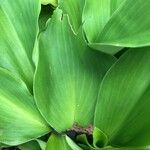
Kaempferia galanga
Galanga · Cekuh · Kencor · Aromatic ginger · Resurrection Lily
Description
Source: leafsnapKaempferia galanga, commonly known as galangal, is a perennial herbaceous plant that belongs to the ginger family. Native to Southeast Asia, it is widely cultivated in countries such as Indonesia, Thailand, and Malaysia. The plant can grow up to 1 meter in height and features long leaves that are green on the top and purple underneath. The rhizomes of Kaempferia galanga are the most commonly utilized part of the plant for culinary purposes. They possess a pungent aroma and a slightly sweet taste that is similar to ginger but with more complex flavors. Galangal is a staple in many Southeast Asian dishes, including curries, soups, stews, marinades, and sauces. In addition to its culinary applications, Kaempferia galanga has traditionally been used for medicinal purposes due to its anti-inflammatory properties, which can help alleviate pain caused by arthritis or other inflammatory conditions. Overall, Kaempferia galanga is an important herbaceous plant with both culinary and medicinal uses, making it a significant part of many cultures around the world.
Care Guide
💧 Water Every 7 days
Kencur flourishes in humid environments and needs to be watered moderately every 1 to 2 weeks. Native to tropical rainforests, this plant excels at absorbing and storing water. It prefers moist soil, making it ideal for container gardening, which helps maintain the right level of hydration without causing waterlogging.
How should I water my Kencur plant?
To effectively water the Kencur plant, it is recommended to use filtered water at room temperature. This is because tap water often contains harmful particles that can be detrimental to the plant's health. Additionally, it is important to use water that is at room temperature or slightly warmer, considering that the Kencur originates from a warm environment and cold water may negatively affect its system. It is advisable to avoid overhead watering, as this can lead to complications with the foliage. Instead, a better approach is to simply pour the filtered room temperature water onto the soil until it is thoroughly soaked. This method benefits the plant by moisturizing the roots and allowing them to spread and absorb the necessary nutrients from the soil.
What should I do if I give my Kencur plant too much or too little water?
Overwatering and underwatering are both harmful to your Kencur plant, but overwatering is a more frequent problem. When the plant gets too much water, the leaves and stems may wilt and turn yellow. Additionally, overwatering for a long time can lead to diseases like root rot, mold, and mildew, which can ultimately kill your plant. Underwatering is less common because the Kencur plant can tolerate drought fairly well. However, it is still possible to underwater your plant, which will cause the leaves to become brittle and brown. It is important to recognize the signs of overwatering early on when taking care of your Kencur plant. Some diseases resulting from overwatering, such as root rot, may be irreversible if not addressed promptly. If you notice early signs of overwatering, reduce your watering frequency immediately. Additionally, check the quality of the soil in which your Kencur plant is growing. If the soil doesn't drain well, replace it with a loose, well-draining potting mix. Conversely, if you observe signs of underwatering, simply water your plant more regularly until those signs disappear.
How frequently should I water my Kencur plant?
If your Kencur plant is in a pot, the best way to check if it needs watering is by sticking your finger into the soil. If the top two to three inches of soil feels dry, it's time to water it. If you have your Kencur plant growing in the ground outdoors, you can use the same method to test the soil. When the top few inches of soil have dried out, it's time to water. In spring and early fall, you will typically need to water this plant about once a week using this method. However, during extremely hot weather, you may need to water it twice or more per week. It's worth mentioning that mature, well-established Kencur plants can handle drought well.
How much water does my Kencur plant need?
When watering your Kencur plant, don't hold back on how much water you give. Ensure that the first two to three inches of soil are dry before watering thoroughly. Add enough water to fully saturate the soil, causing excess water to drain through the pot's drainage holes. If you don't see excess water draining, you may have underwatered the plant. However, be careful not to let water accumulate in the soil, as this can harm the plant. On the other hand, if water doesn't drain well through the pot, it could indicate poorly draining soils, which should be avoided. If the plant is outside, 1 inch of rain per week will suffice.
How do I water my Kencur plant as it grows?
The water requirements of the Kencur plant can vary depending on its growth stages. For instance, when the Kencur is in the early years of its life or after being transplanted to a new location, it will require more water than usual. During these stages, the Kencur expends a lot of energy on developing new roots, which are crucial for future growth. To ensure optimal root performance, it is important to provide slightly more moisture than during the mature phase. As the Kencur plant becomes more established over a few seasons, its water needs will decrease. Additionally, another growth stage that may require increased watering is during the bloom period. The process of flower development utilizes a significant amount of moisture, so it may be necessary to provide extra water during this time.
☀️ Light Partial sun
Kencur originates from habitats like forest understories or rocky sites, where it grows under natural shade. It prefers partial sunlight but can tolerate full sun or deep shade, reflecting its adaptable and hardy character.
🌡️ Temperature 15–37.8°C
Kencur comes from tropical areas where the climate is usually warm and humid. Consequently, it is well adapted to high temperatures and humidity. It does not tolerate sudden temperature changes and prefers a constant temperature, so avoiding temperature fluctuations indoors is important. It generally cannot withstand cold temperatures and requires higher temperatures to grow. If the surrounding temperature falls too low, the plant may stop growing or may die.
What is the botanical name of Kencur?
The botanical name of Kencur is Kaempferia galanga. It is known by its common name 'Kencur' in various cultures and holds a significant place in traditional medicine and culinary practices.
💨 Humidity
🪴 Soil 6-7
🌱 Fertilizer
Proper fertilization is essential for Kencur's health and appearance. Fertilize Kencur during the summer, repeating the treatment monthly throughout the season. Nutrients provide the energy for growth and help maintain the plant's tissues. Fertilization improves Kencur's flowering, ensuring the best blooms.
🪴 Pot & Repot
✂️ Pruning
Kencur benefits greatly from regular pruning, particularly from early to late spring. The main techniques include removing dead leaves to enhance growth and improve air circulation, which helps reduce the risk of disease. Always sterilize your tools before pruning and opt for light trimming to maintain the plant’s appearance.
🌿 Propagating
🐛 Diseases & pets
☠️ Toxicity
Characteristics
- Plant Type
- Herb
- Life Cycle
- Perennial
- Genus
- Kaempferia
- Family
- Zingiberaceae
- Hardiness Zone
- 8-11
- Mature Height
- 46 cm
- Mature Spread
- 49 cm
- Leaf Color
- Green
- Leaf Type
- Deciduous
- Flower Color
- White, Lavender
- Flower Size
- 2.54 cm to 5.08 cm
- Bloom Time
- Summer
- Planting Time
- Spring, Summer, Autumn
- Harvest Time
- Late summer, Early fall, Mid fall
- Native Area
- India, Cambodia, Vietnam, Myanmar, Philippines, Thailand