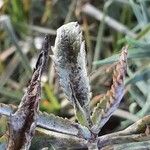
Kalanchoe delagoensis
Chandelier plant · Mother-of-millions · Leaf Everlasting · Life Everlasting · Mother of millions
Description
Source: leafsnapKalanchoe delagoensis, formerly known as Bryophyllum delagoense and commonly called mother of millions or chandelier plant, is a succulent plant native to Madagascar. Like other members of Bryophyllum (now included in Kalanchoe), it is able to propagate vegetatively from plantlets that develop on its leaf margins.
💡 These tall plants are adorned with numerous lantern-like flowers. What’s truly remarkable is that small plants begin to grow along the edges of their leaves. As these tiny plants mature, they automatically detach and quickly take root wherever they land.
🌳 The chandelier plant is not usually recognized for its industrial uses, but rather for its notable capacity to thrive in arid conditions. This adaptability makes the chandelier plant a compelling subject for research into drought resistance mechanisms. Its tubular leaves and rapid propagation methods also draw particular interest for potential uses in biology and horticulture education, effectively illustrating vegetative reproduction strategies.
🎭 Sincere
Care Guide
💧 Water
The chandelier plant is well-suited for arid regions, requiring only minimal watering every 2-3 weeks. It thrives in well-draining soil, which makes it an excellent choice for container gardening. Its ability to tolerate drought and store water improves its resilience, enabling it to withstand periods of neglect.
What should I do if I give my Chandelier plant too much or too little water?
Chandelier plants are usually able to withstand long periods without water, but if you neglect to water them for a month or more, they may look thirsty or damaged. Signs of underwatering include a lackluster appearance, wrinkled leaves, dried-up plant parts, and completely dried-out soil. To remedy this, give the plant plenty of water by submerging the pot in water for 5-10 minutes until the soil feels moist on the surface. Overwatering is dangerous for Chandelier plants and can lead to root rot, preventing the roots from absorbing nutrients and water. Symptoms of overwatering include yellow, swollen, and translucent organs that may burst open. It's important to check the soil to confirm overwatering as the cause. To help an overwatered plant, improve air ventilation, adjust water frequency, and check the roots for rot. If root rot is severe, it may be best to remove healthy portions of the plant and propagate a new one. If only some roots are affected, remove unhealthy roots, dip the remaining healthy ones in a fungicide, and repot in fresh soil. While this may not always save a succulent with root rot, it often leads to a full recovery in the next growing season.
How much water does my Chandelier plant need?
Determining how often to water a Chandelier plant does not have a specific rule. The simplest way to determine the watering frequency is to monitor the soil and only water it when it becomes completely dry. To check the soil, you can either use your finger or a moisture meter to assess the moisture level below the surface. If the plant is potted in a deep container, a stick or chopstick can be used for this purpose. If the soil feels slightly moist, it is advisable to wait a few more days and check again. In general, during the summer season, most people typically water the Chandelier plant every two weeks, while in winter, they do it once a month. However, various factors can influence the frequency of watering. Some factors are listed below, which can help in determining the appropriate watering schedule.
What things should I think about when giving water to my Chandelier plant?
To properly water your Chandelier plant, you need to consider several environmental factors such as container size, soil type, temperature, and humidity. The size of your container and the type of soil used will determine how often and how much water to give. Make sure to use a container with adequate drainage holes to allow excess water to escape. Smaller containers hold less moisture, so they require more frequent watering compared to larger pots. Avoid using oversized pots as this can lead to overwatering. When repotting, choose a container that is only one size larger than the current one. Shallow containers are ideal since Chandelier plants have shallow root systems. In terms of watering frequency, Chandelier plants need less water during winter when growth slows down and less energy and water are consumed. In cooler winter air, evaporation is reduced, so the soil stays wet longer. The specific climate of your location also affects watering needs. Humid areas with frequent rain require less watering, while dry and arid regions demand more frequent watering. Keep in mind that even within the same geographic location, conditions can vary with the season and the use of indoor heating and air conditioning. If you have planted your Chandelier plant in the ground, it generally does not need additional water beyond what nature provides through precipitation and dew. However, during prolonged dry periods, it may be necessary to give supplemental water. For areas where Chandelier plants can only be grown in containers, they can be moved outside during suitable temperatures in spring and summer and then brought indoors as temperatures drop. Potted Chandelier plants kept outside typically require more water due to increased sun exposure, even if they are placed on a shaded porch.
How do you water a chandelier plant?
The best way to water a Chandelier plant is to thoroughly soak it and then let it dry out before watering again. This plant can tolerate drought, so it's okay to let it get quite dry before watering. It's always better to underwater rather than overwater this plant. When you water, make sure the soil gets soaked throughout the entire pot. Don't pour the water in one spot, but instead, water around the whole rim of the planter to ensure all sides of the plant get wet. The amount of water needed depends on the size of the container and the soil's absorption capacity. Give your Chandelier plant enough water for it to drain out from the drainage holes, and then leave the drained water in the saucer for about 20-30 minutes to let it absorb into dry pockets of soil. After that, remove any excess water in the saucer to avoid waterlogging the soil. Bottom-watering is also a good method for the Chandelier plant as it ensures the soil is thoroughly moistened. This involves placing the pot in a saucer of water and letting the soil absorb moisture through the drainage holes. You'll know the soil has absorbed enough water when the top layer feels moist. This method takes longer than top-watering, but it's almost foolproof for evenly distributing water throughout the pot. The Chandelier plant's original habitat is relatively dry with occasional heavy rain, so you can mimic this by bottom-watering the plant when the soil is completely dry. Deep soil bathing is better than frequent light watering for the Chandelier plant.
☀️ Light Full sun
The chandelier plant prospers with abundant light, typically mirroring the vigor of the open areas in its native habitat. Sufficient exposure promotes healthy growth and flowering. It can also tolerate moderate lighting conditions, yet insufficient or excessive light may stunt its growth or cause leaf discoloration.
What does full sun and partial sun mean for plants?
Full sun refers to locations that receive above 6 hours of sunlight daily, ideal for plants that thrive in abundant light. Partial sun is about 3-6 hours of sunlight, suitable for plants that require a balance of light and shade. Observing how sunlight moves through your garden helps in choosing spots that provide the perfect balance for plant health, ensuring they receive the right amount of light without being overexposed.
How much light does a Chandelier plant need?
The Chandelier plant requires abundant light exposure to thrive, ideally replicating the open, sunny conditions of its native habitat. This ensures healthy growth and flowering. It can also tolerate moderate light settings, but poor light conditions could stunt its growth or cause leaf discoloration. In cases where natural light is insufficient, especially during winter or in less sunny spaces, artificial lighting can provide a vital solution. Utilizing LED lights, for example, can be customized to the needs of the plant, with specific wattage recommendations for full sun, partial sun, and full shade plants to promote healthy growth.
What are the symptoms of light deficiency in a Chandelier plant?
Chandelier plants show several symptoms when they experience suboptimal lighting. These include smaller new leaves, leggy or sparse growth, faster leaf drop, slower or no new growth, lighter-colored new leaves indicating a lack of chlorophyll, chlorosis or loss of green leaf color, sunscald damage from intense exposure, leaf curling as a defensive mechanism against overexposure, wilting from excessive water loss, and leaf scorching characterized by brown or crispy leaf edges. These symptoms highlight the plant's struggle with insufficient or excessive light.
How can I improve my Chandelier plant's light exposure?
Improving your Chandelier plant's light exposure involves several strategies. Indoors, gradually moving your plant to receive at least 6 hours of direct sunlight daily, using a south-facing window, and considering artificial lighting like desk or ceiling lamps for at least 8 hours daily or professional plant grow lights, can help. Outdoors, gradually shifting your plant to sunnier spots while avoiding sudden changes that could cause sunburn is beneficial. For ground plants, reducing obstructions like pruning tree branches to allow more sunlight and transplanting to better locations during dormant periods can significantly improve light exposure. It's important to note that parts of the plant damaged by insufficient sunlight may not recover, but increasing light exposure will ensure new growth is healthy.
🌡️ Temperature 20–37.8°C
The chandelier plant is native to temperate regions and prefers temperatures of 68 to 100 °F (20 to 38 °C). To replicate these natural conditions, seasonal adjustments may be required, with cooler indoor temperatures in winter and warmer ones in summer.
What are the ideal temperature conditions for a Chandelier plant?
The Chandelier plant, also known as Kalanchoe delagoensis, thrives in temperate climates, preferring temperature ranges between 68 to 100 °F (20 to 38 °C). To mimic its natural habitat, seasonal adjustments are essential, such as maintaining cooler indoor temperatures during winter and warmer conditions in summer. It's a heat-loving plant that enters dormancy in winter, stopping its growth. If outdoor temperatures drop below 41°F (5°C), the plant should be moved indoors near a south-facing window for maximum sunlight exposure. Supplemental lighting may be necessary if natural light is insufficient. With temperatures falling below 68°F (20°C), its growth slows, and watering should be reduced or halted to avoid root rot, especially for plants kept outdoors.
How does low temperature affect the Chandelier plant and what are the solutions?
The Chandelier plant does not fare well in low temperatures, preferring its environment to be above 68°F (20°C). When winter arrives and temperatures dip below 41°F (5°C), the plant is at risk of becoming weak, wilting, and potentially succumbing to root rot. In instances of mild frost damage, symptoms might not appear immediately but expect the plant to gradually wither within a week. The remedy involves pruning away the frost-damaged areas. If root rot is detected, the affected roots should be removed, and the plant can be propagated from cuttings. To aid recovery, the plant should be relocated indoors to a warmer setting near a south-facing window to maximize sunlight exposure, or use supplemental lighting if needed.
How do high temperatures affect the Chandelier plant, and what are the solutions?
During the summer, the Chandelier plant should remain in temperatures below 100°F (38°C). Exposure to temperatures exceeding 109°F (43°C) halts the plant's growth, leading to water loss, wilting, and an increased risk of sunburn. To address this, any sunburned or decayed parts of the plant should be removed. Providing shade during the peak afternoon sunlight until recovery is achieved is crucial. For instances of root rot, watering should cease until signs of new root growth are evident.
💨 Humidity
🪴 Soil 6-6
🌱 Fertilizer
The Chandelier plant only requires light applications of fertilizer once or twice a year during its growing season. Refrain from fertilizing in winter and during its summer dormancy. Reduce feeding for plants that have been repotted and wait a couple of months after repotting before applying fertilizer. Fertilizing promotes healthy growth and helps encourage blooms.
Why should I add fertilizer to my Chandelier plant?
Fertilizing the Chandelier plant provides nutrients to the growing medium, supporting healthy growth even though it already stores water and nutrients. Additionally, applying plant food during the growing season can encourage mature specimens to produce blooms.
When should I fertilize my Chandelier plant?
Chandelier plants only require a small amount of fertilizer during the growing season. To ensure optimal growth, fertilize 1-2 times a year, specifically in the spring and autumn. Avoid fertilizing in the winter and summer when the plant is dormant. When repotting, be cautious and reduce the amount of fertilizer used. It's recommended to wait a few months after repotting before applying any fertilizer.
When is it best to not put fertilizer on my Chandelier plant?
The Chandelier plant goes through a dormancy period, like most plants. During the summer and winter, when it stops growing, it's best to avoid fertilizing. It's also recommended to refrain from fertilizing for a few months after repotting in the spring.
What kind of fertilizer should I use for my Chandelier plant?
When fertilizing the Chandelier plant, it is recommended to use a liquid plant food specifically designed for succulents and cacti. Remember to dilute the fertilizer with water to half-strength to avoid the soil becoming too concentrated with nutrients. To apply the fertilizer, pour it at the base of the plant and water it thoroughly. Make sure any excess moisture drains from the container or seeps into the ground to prevent buildup.
How do I give my Chandelier plant the nutrients it needs?
When fertilizing a Chandelier plant, both liquid and granular plant food options are available. It is easier to use liquid plant food, but granules can also be used. Whichever option you choose, make sure to follow the instructions on the packaging. For liquid fertilizers, dilute them to half-strength. Regardless of whether you're using granules or liquid plant food, always apply it to the soil. After application, cover the granules with a thin layer of soil and water the plant.
🪴 Pot & Repot Every 2 years
When repotting a Chandelier plant, pick a pot slightly larger than the current one that has good drainage. Use a gritty, well-draining cactus or succulent mix. Gently remove the plant from its old pot, brush off extra soil, and set it in the new pot at the same depth. Wait a few days before watering so any root damage can heal. Repot in spring or fall and place the plant in a brightly lit spot.
✂️ Pruning
To maintain an attractive shape for your chandelier plant, prune any excessive or dense branches in the spring and autumn. Use a knife or scissors for this task, and be sure to apply sulfur powder to the cuts to prevent infection. If you wish to propagate the plant, choose stems with 5-6 leaves. Allow the cuts to heal before planting them in moist soil.
🌿 Propagating
🐛 Diseases & pets
☠️ Toxicity
Characteristics
- Plant Type
- Herb, Shrub
- Life Cycle
- Perennial
- Genus
- Kalanchoe
- Family
- Crassulaceae
- Hardiness Zone
- 10-11
- Mature Height
- 0.2 m to 2.13 m
- Mature Spread
- 30 cm
- Leaf Color
- Green, Red, Silver, Gray
- Leaf Type
- Evergreen
- Flower Color
- Orange, Red
- Flower Size
- 5.08 cm to 20.32 cm
- Bloom Time
- All year round
- Planting Time
- Spring
- Harvest Time
- Spring, Summer, Fall
- Native Area
- South Africa, Madagascar, Eswatini