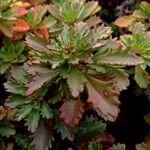
Kalanchoe longiflora
Kalanchoe · Long-leaf Kalanchoe
Description
Source: leafsnapKalanchoe longiflora is a succulent plant belonging to the Crassulaceae family. Native to Madagascar, it can grow up to 1 meter tall. The plant features long, narrow green leaves that can reach up to 20 cm in length, arranged in a rosette pattern at the base of the stem. The flowers of Kalanchoe longiflora are tubular and bright orange-red. They bloom during winter and spring, attracting pollinators such as bees, butterflies, and hummingbirds. Kalanchoe longiflora is easy to cultivate, requiring minimal care. It thrives in well-draining soil with moderate watering during its growing season (spring-summer). In the winter months, it should be kept dry with minimal watering. This plant has medicinal properties, containing compounds such as flavonoids, alkaloids, and tannins, which have anti-inflammatory effects used for treating wounds and burns. Overall, Kalanchoe longiflora is an attractive succulent with beautiful flowers that can be grown either indoors or outdoors in warm climates. It makes an excellent addition to any garden or home decor collection.
🎭 Perseverance, undying love
Care Guide
💧 Water Every 7 days
The Tugela cliff-kalanchoe is a drought-tolerant plant native to arid regions. It thrives with minimal water and balanced humidity, requiring watering only every 2-3 weeks. As an evergreen plant, it retains its leaves throughout the year, making it more efficient at conserving water compared to deciduous plants.
How should I water my Tugela cliff-kalanchoe?
To properly water Tugela cliff-kalanchoe, it's important to follow a few steps. Firstly, in the spring when new leaves are beginning to grow, add water to the plant's pot. Wait until the soil becomes completely dry before watering it. Use either tap water or distilled water. Avoid watering the plant from above; instead, water it at the base by applying water slowly and evenly across the entire soil surface. This method ensures consistent moistening of the soil without wetting the above-ground parts of the plant. You can continue watering until you see a light stream of excess water draining from the pot's hole.
What do I do if I give my Tugela cliff-kalanchoe plant too much or too little water?
Overwatering a Tugela cliff-kalanchoe is more common than underwatering it, and it can be very harmful to the plant, sometimes causing it to die quickly. To prevent overwatering, it's important to let the soil completely dry before watering. However, many people mistakenly water their plant incorrectly, especially when it goes into dormancy. In this case, we will focus on fixing the problem of overwatering. If you notice signs of overwatering in your Tugela cliff-kalanchoe, it's best to remove it from its pot. Check the roots for any signs of rot or moisture-related diseases, and remove those affected. Some roots may just need to be cleaned and will recover. Afterward, replant your Tugela cliff-kalanchoe in well-draining soil to reduce the chances of future overwatering. While less common, underwatering can also occur. If this happens, simply water your plant slightly more often without overcompensating and overwatering it.
How often do I need to water my Tugela cliff-kalanchoe plant?
Tugela cliff-kalanchoe is a type of succulent plant that doesn't need much water because it comes from a hot and dry region. To take care of this plant, you should let the soil completely dry out between waterings. This usually takes about two weeks to a month. The frequency of watering depends on the season. During spring and summer, when the plant is growing, you can water it every 2-3 weeks once the soil is dry. In the summer, the soil may dry out faster. However, when the temperature drops below 60 degrees or goes above 85 degrees Fahrenheit, the plant goes dormant and doesn't need more water. Instead, you should reduce or stop watering until the temperature is right for the plant to grow again.
How much water does my Tugela cliff-kalanchoe plant need?
Tugela cliff-kalanchoe is a low-water plant that can go for a while without being watered. However, when it is time to water this plant, you should give it a lot of water. There is no specific amount, but make sure the soil is completely moist. If you are growing this plant in a pot, water it until you see water coming out of the drainage holes. You can also test if you have watered enough by inserting a pencil into the soil – if it comes out moist, then you have provided enough water.
How do I know if I'm watering my Tugela cliff-kalanchoe plant enough?
Overwatering is a bigger problem than underwatering. When overwatering happens, you can easily tell because the leaves lose their shape, become mushy, and change colors. This is very different from healthy living stone leaves, which are usually firm and maintain their shape. Tugela cliff-kalanchoe rarely suffers from underwatering, as it can survive without any water. However, if underwatering does occur, you will typically see leaf discoloration and dryness.
☀️ Light Full sun
Tugela cliff-kalanchoe prefers strong sunlight to bloom optimally. It can, however, survive in partly sunny conditions. This plant comes from habitats with plentiful sun, and either too much or too little light can interfere with healthy growth. Its light requirements do not change much between stages.
How much sunlight does Tugela cliff-kalanchoe need to grow? (How much sun does Tugela cliff-kalanchoe need to grow?)
To ensure the healthy growth of Tugela cliff-kalanchoe, it is recommended to provide it with a minimum of 6 hours of sunlight daily, although more is preferable. The exact number of hours can vary depending on the intensity of sunlight and other environmental factors, but it is generally not a concern if they receive up to 14 hours of sun each day.
What kind of sunlight does Tugela cliff-kalanchoe require?
Tugela cliff-kalanchoe requires abundant sunlight to thrive. These full-sun plants can do well with direct light or bright indirect sun. While some variations may tolerate partial sun, more sunlight is generally beneficial for their growth.
Do I need to keep Tugela cliff-kalanchoe away from the sun?
Tugela cliff-kalanchoe is a plant that thrives in hot, sunny places and is well-suited to such environments. Therefore, it doesn't require protection from the sun. However, if you plan on suddenly relocating your Tugela cliff-kalanchoe to a very sunny spot, it's important to proceed with caution. Plants need time to adjust to new conditions, so it's best to start by gradually exposing the plant to a few hours of sunlight per day. As it becomes more acclimated, you can increase the duration of sun exposure. Once fully adapted, most Tugela cliff-kalanchoe plants will thrive in direct sunlight without needing any additional protection.
If Tugela cliff-kalanchoe doesn't get enough sunlight, what will happen?
Insufficient sunlight can cause Tugela cliff-kalanchoe to struggle and hinder its growth. Signs of not receiving enough sunlight include pale coloring, wilting leaves, and leaf drop. Another issue that may arise is etiolation, also known as legginess. This occurs when the plant tries to reach for the light, resulting in a sparse look and weak stems.
What will happen if Tugela cliff-kalanchoe receives too much sunlight?
Tugela cliff-kalanchoe can change color to protect itself from too much sunlight. People often purposely stress these plants with mild sun exposure during the summer, which is not harmful. The plants will return to their normal coloring when the amount of light decreases from autumn to spring. However, if the plants are quickly moved into direct sunlight, they can get sunburned, which appears as white or brown spots on the top leaves that were exposed to the most sun. Sunburned plants should be relocated to a shadier spot and watered if necessary. Any damaged leaves can be removed, and new growth will eventually replace them.
🌡️ Temperature 20–37.8°C
The tugela cliff-kalanchoe needs a warm environment to grow, doing best in temperatures from 68 to 100℉ (20 to 38℃). In winter, the plant may prefer slightly cooler conditions, around 60 to 70℉ (15 to 21℃), to encourage growth and blooming. During summer, it might be necessary to move the plant to a spot with partial shade to avoid overheating.
What temperature is best for Tugela cliff-kalanchoe?
To create the best possible environment for Tugela cliff-kalanchoe, it is ideal to grow them in temperatures between 60-75℉ (15-25℃). They can handle slightly higher or lower temperatures, but this range promotes the best growth. If the temperatures drop below 40℉ (10℃) or go above 95℉ (35℃), the plants will enter a dormant state and stop growing. Permanent damage or even death can occur if they are exposed to prolonged periods of temperatures over 95℉ (35℃).
Does Tugela cliff-kalanchoe need varying temperatures for different growth stages?
Tugela cliff-kalanchoe have specific temperature requirements for different stages of their life. During the summer, they enter a dormant phase, while in winter, they have a growing phase. For active growth, these plants need cooler temperatures, but not excessively cold. Anything below 40℉(10℃) will cause them to go dormant, regardless of the season. Interestingly, high temperatures can also induce dormancy and reduce the plant's need for water. It's important to avoid overwatering during dormancy as it can lead to root rot. Only water the soil when it feels dry.
Here are three tips to help you control the temperature for Tugela cliff-kalanchoe.
Tip #1
Does Tugela cliff-kalanchoe require varying temperatures during different parts of the year?
Tugela cliff-kalanchoe are known for growing actively during winter, but their flowers don't bloom until spring when temperatures rise. If you're cultivating these succulents indoors, their temperature requirements won't be significantly affected by the seasons. Instead, focus on providing them with the right amount of sunlight. During winter, it may be challenging for Tugela cliff-kalanchoe to receive adequate light, while summers can offer an excessive amount. Excessive sunlight can harm the leaves and stems, impeding or completely stopping their growth. To achieve the best results, keep your Tugela cliff-kalanchoe in an area with bright but indirect light.
How should I keep my Tugela cliff-kalanchoe at the right temperature?
If you are growing Tugela cliff-kalanchoe indoors, it's best to keep them in a climate-controlled area of your home. This could be an A/C unit for warmer regions or a heater for colder regions, but avoid direct airflow onto the plants. Instead, aim for a balance of natural air without drastic changes in temperature. Also, make sure they receive indirect sunlight from windows in the room. If you have Tugela cliff-kalanchoe plants outside, it's important to control the temperature by placing them in a location that receives optimum sunlight. Avoid exposing them to direct sunlight and heat during midday. These plants thrive in full sun or partial shade, so it's best to have dappled sunlight filtered through a tree, plant, or fabric structure. Excessive sunlight can lead to high temperatures, which can cause dormancy and damage to the plants.
💨 Humidity dry (<40%)
This plant prefers dry conditions, so don't mist it. However, watering it less often can also thrive in higher humidity.
🪴 Soil 6-6
🌱 Fertilizer
For the Tugela cliff-kalanchoe, light applications of fertilizer once or twice a year during the growing season are adequate. Do not fertilize in winter or summer, when the plant is dormant. Reduce fertilizer for plants that have been repotted and wait a couple of months after repotting before feeding. Fertilizing helps maintain healthy growth and promotes flowering.
Why should I put fertilizer on my Tugela cliff-kalanchoe?
Fertilizing Tugela cliff-kalanchoe is important for adding nutrients to the growing medium. While this plant does store water and nutrients, applying plant food during the growing season is beneficial for promoting healthy growth. Fertilizing can also stimulate mature specimens to produce blooms throughout the growing season.
When should I fertilize my Tugela cliff-kalanchoe?
Tugela cliff-kalanchoe, like other plants, benefits from extra nutrients, but it only requires a small amount of fertilizer during the growing season. To fertilize, do so 1-2 times a year, preferably in the spring and autumn, avoiding winter and summer when it is dormant. If you have recently repotted the plant, use less fertilizer and wait a few months before applying any.
When is it not a good idea to fertilize my Tugela cliff-kalanchoe?
Tugela cliff-kalanchoe, like other plants, goes into a dormancy period. This is the time when you should avoid applying fertilizer. During summer and winter, the plant stops growing, so it's best to stop fertilizing. It's also recommended to refrain from fertilizing for the first few months after repotting in spring.
What kind of fertilizer does my Tugela cliff-kalanchoe plant need?
When fertilizing Tugela cliff-kalanchoe, it's recommended to use a liquid plant food that is specifically designed for succulents and cacti. Dilute the fertilizer with water by half to avoid the accumulation of fertilizer in the soil. Apply the fertilizer to the base of the plant, making sure to water thoroughly to allow any excess moisture to drain or seep into the ground.
How can I feed my Tugela cliff-kalanchoe plant?
When fertilizing Tugela cliff-kalanchoe, using liquid plant food is simpler, although you can also opt for granules. Follow the instructions on the packaging and ensure liquid fertilizers are diluted to half-strength. Apply either granules or liquid plant food to the soil and cover the granules with a thin layer of soil before watering, regardless of the type of plant food used.
🪴 Pot & Repot Every 2 years
When repotting Tugela cliff-kalanchoe, choose a pot slightly larger than the current one that has good drainage. Use a gritty, well-draining succulent or cactus mix. Gently remove the plant from its old pot, brush off excess soil, and place it at the same depth. Wait a few days before watering to allow any root damage to heal. Repot in spring or fall and keep it in a brightly lit spot.
✂️ Pruning
To keep the Tugela cliff-kalanchoe in good shape, it is important to prune it, especially in the spring and autumn. Use tools like knives or scissors to remove any redundant or overly dense branches. If you want to propagate the plant, cut stems that have 5 to 6 leaves. After cutting, treat the wound with sulfur powder and wait for it to heal before planting. Make sure the soil is slightly moist when you plant the cutting.
🌿 Propagating
🐛 Diseases & pets
☠️ Toxicity
Characteristics
- Plant Type
- Succulent, Herb
- Life Cycle
- Perennial
- Genus
- Kalanchoe
- Family
- Crassulaceae
- Hardiness Zone
- 10-12
- Mature Height
- 40 cm
- Mature Spread
- 30 cm
- Leaf Color
- Green, Blue, Red, Brown
- Leaf Type
- Evergreen
- Flower Color
- Yellow, Orange
- Flower Size
- 1.02 cm to 1.52 cm
- Bloom Time
- Winter
- Planting Time
- Spring
- Harvest Time
- Late winter, Early spring, Mid spring
- Native Area
- South Africa