Kalanchoe marnieriana
Marnier's Kalanchoe · Kalanchoe Marnieriana Succulent
Description
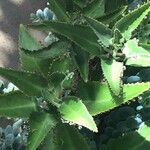
Source: leafsnapKalanchoe marnieriana, commonly known as the "penwiper plant," is a succulent native to Madagascar. It is a popular houseplant due to its distinctive appearance and low maintenance needs. The leaves of Kalanchoe marnieriana are elongated and narrow, featuring a velvety texture reminiscent of felt or suede. These leaves are arranged in opposite pairs along the stem, creating an eye-catching symmetrical pattern. In late winter or early spring, Kalanchoe marnieriana produces small clusters of pink or white flowers that bloom on tall stalks rising above the foliage. These flowers attract pollinators such as bees and butterflies. The plant prefers bright, indirect light but can tolerate some direct sunlight if acclimated slowly. It thrives in well-draining soil and should be watered sparingly, allowing the soil to dry out between waterings. Propagation of Kalanchoe marnieriana is easy; simply place stem cuttings in well-draining soil or water until roots form. With proper care, this unique succulent can thrive indoors for many years, adding a touch of natural beauty to any home decor.
🎭 Perseverance, undying love
Care Guide
💧 Water Every 7 days
Marnier's kalanchoe, a plant native to Madagascar, thrives in arid conditions and requires very little water. To keep it healthy, water the plant every three weeks and make sure it has good drainage to prevent root rot. Because it is sensitive to cold, it is usually grown indoors.
How can I properly water my Marnier's kalanchoe?
To water Marnier's kalanchoe properly, follow these steps: 1. Wait until spring when new leaves are growing before watering. 2. Only water when the soil is completely dry inside the pot. 3. Use tap water or distilled water when watering. 4. Avoid watering from above; instead, water at the base of the plant. 5. Apply water slowly and evenly across the soil surface. 6. This method ensures consistent moisture for the soil without wetting the above-ground parts of the plant. 7. Keep watering until you see a light stream of excess water draining from the pot's hole.
What should I do if I give too much or too little water to my Marnier's kalanchoe?
Overwatering is a common problem with Marnier's kalanchoe plants and can quickly cause them to die. To avoid overwatering, it's important to let the soil completely dry before watering. Many people mistakenly water their plants too much, especially during dormancy. If you notice signs of overwatering, it's best to repot the plant and remove any rotten or diseased roots. Some roots may be salvaged with a simple cleaning. After repotting, use soil with good drainage to prevent future overwatering. Underwatering is less common but can still occur. If this happens, simply water your plant slightly more frequently without overcompensating and overwatering it.
How frequently should I give water to my Marnier's kalanchoe plant?
Marnier's kalanchoe is a succulent plant with low water needs. This is because it comes from a hot and dry region. To properly care for this plant, you should allow its soil to completely dry out between waterings. It usually takes about two weeks to a month for the soil to dry completely. The frequency of watering depends on the season. During spring and summer, when the plant is actively growing, you can water it every 2-3 weeks. In the summer, the soil may dry out faster. However, when the temperature is below 60 degrees or above 85 degrees Fahrenheit, the plant will go into a dormant or semi-dormant state and does not need watering. In this case, you should reduce or stop watering until the temperature becomes suitable for growth again.
How much water does my Marnier's kalanchoe plant require?
Marnier's kalanchoe is a plant that doesn't need a lot of water overall. It can go without water for some time, but when it's time to water the plant, you should give it a good amount. There isn't a specific measurement, but make sure the soil is completely moist. If the plant is in a pot, water it until you see water coming out of the drainage holes. To test if you've watered enough, insert a pencil deep into the soil and if it comes out moist, you've provided enough water.
How do I know if I am giving enough water to my Marnier's kalanchoe plant?
Overwatering is a bigger concern than underwatering. If you overwater, you'll notice the leaves becoming mushy and changing colors, unlike healthy leaves that are sturdy. Marnier's kalanchoe rarely needs water, but if underwatering happens, you'll usually see leaf discoloration and dryness.
☀️ Light Full sun
Marnier's kalanchoe prefers an environment with plenty of sunlight, so a bright, sun-filled spot is ideal. It can also tolerate areas with less generous light. If the plant consistently receives either too little or too much light, harmful effects can appear.
How much sunlight does Marnier's kalanchoe require for growth?
To ensure the healthy growth of Marnier's kalanchoe, it is recommended to provide it with a minimum of 6 hours of sunlight daily, although more would be preferable. The specific number of hours may vary depending on factors such as sunlight intensity and the environment, but it is unlikely that the plant will receive an excessive amount of sunlight. In fact, it can tolerate up to 14 hours of sun per day without any issues.
What kind of sunlight does Marnier's kalanchoe require?
Marnier's kalanchoe is a plant that loves bright sunlight. It thrives when placed in direct light or bright indirect sun since it is a full-sun plant. While some types can survive with partial sun, it's generally better to provide them with more sunlight.
Should I keep Marnier's kalanchoe away from direct sunlight?
Marnier's kalanchoe is a plant that thrives in hot, sunny environments and is well-suited for such conditions. Because of this, it does not require protection from the sun. However, if you plan to move your Marnier's kalanchoe to a very sunny location that it is not accustomed to, you need to proceed with caution. Plants need time to adapt to new conditions, so it is best to gradually introduce the plant to more sunlight. Begin by moving it into the sun for a couple of hours each day, increasing the duration of sun exposure over time. Once the plant has adjusted, most types of Marnier's kalanchoe can handle full sun without any need for protection.
What happens if Marnier's kalanchoe doesn't get enough sunlight?
Marnier's kalanchoe needs plenty of sunlight to thrive and grow. Signs of not getting enough sunlight include pale coloring, wilting leaves, and leaf drop. When the plant doesn't get enough light, it may also become leggy or stretched out, which makes it look sparse and have weak stems.
What will happen if Marnier's kalanchoe is exposed to too much sunlight?
During the summer, Marnier's kalanchoe may change colors to red, pink, or orange as a way to protect itself from excessive sunlight. Many people intentionally expose these plants to mild sun stress to enjoy the different colors. This is safe and normal, as they will return to their original coloring when sunlight decreases in the fall and winter. However, if the plant is suddenly moved into direct sunlight, it can get sunburned. Sunburn manifests as white or brown spots on the top leaves that were most exposed to the sun. To help a sunburned plant, it should be moved to a shadier spot and watered if necessary. Additionally, any sun-damaged leaves can be removed, and over time, new growth will replace them.
🌡️ Temperature 20–37.8°C
Marnier's kalanchoe, a woody plant from temperate regions, originates from habitats where it prefers temperatures of 20 to 38 ℃ (68 to 100.4 ℉). To accommodate seasonal variation, provide warmer conditions in summer and cooler conditions in winter.
What temperature is best for Marnier's kalanchoe?
For the best growth of Marnier's kalanchoe, it is recommended to keep the temperatures between 60-75℉ (15-25℃). This range is optimal but they can tolerate slightly higher or lower temperatures. However, temperatures below 40℉(10℃) or above 95℉(35℃) will cause the plants to go into dormancy and stop growing. Extended periods of temperatures above 95℉ (35℃) can be damaging and potentially fatal for these plants.
Is Marnier's kalanchoe grown at different temperatures during different stages of growth?
Marnier's kalanchoe go through different phases of life that are influenced by temperature. During the summer, they enter a dormant phase, while during the winter, they go into a growing phase. For active growth, cooler temperatures are needed, but not too cold. If the temperature drops below 40℉ (10℃), they will go dormant regardless of the season. On the other hand, high temperatures can also trigger dormancy, reducing the plant's watering needs. During this dormant period, overwatering can lead to drowning and root rot. It's important to only water the soil when it feels dry.
Three ways to manage the temperature of Marnier's kalanchoe.
Here are a few tips to help care for your Marnier's kalanchoe: 1. Tip #1: Be cautious of overwatering during high temperatures. Despite the common belief, Marnier's kalanchoe actually require less water in the summer. To determine if your plants have enough moisture, touch the soil about two inches below the surface with your finger. If it feels dry, then it's time to water. Avoid continuing to water if the soil is already wet, as this can cause root rot. 2. Tip #2: Don't worry if temperatures occasionally become too high or too low. While it's ideal to keep Marnier's kalanchoe within the optimal temperature range, they won't instantly die if the temperature fluctuates. These plants can even survive for short periods of time in temperatures below freezing. When faced with temperature changes, they will enter a dormancy state and require less water. It's important to return them to the correct temperature range as soon as possible, but don't panic if the temperature suddenly changes. 3. Tip #3: Avoid exposing your Marnier's kalanchoe to extreme heat. Prolonged exposure to high temperatures can cause irreversible damage. Initially, you may notice aesthetically pleasing changes in leaf colors, such as muted shades of red, yellow, and orange. However, over time, the plant will start to wither, leading to stunted growth and eventually death due to sun damage.
Does Marnier's kalanchoe require different temperatures during various seasons?
Marnier's kalanchoe grow actively during the winter, but their flowers won't bloom until spring when it's warmer. If you are planting these succulents indoors, the temperature requirements won't be affected much by the seasons. Instead, the focus should be on ensuring the plants receive the right amount of sunlight. In winter, it can be challenging for Marnier's kalanchoe to get enough light, while in summer, there may be too much. Excessive sunlight can harm the leaves and stems, stunting or stopping their growth altogether. To achieve the best results, keep your Marnier's kalanchoe in an area with bright but indirect light.
How do I keep my Marnier's kalanchoe at the right temperature?
If you are growing Marnier's kalanchoe indoors, keep them in an area with climate control. If you live in a warmer region, use an A/C unit, or if you live in a colder region, use a heater. However, make sure the air from either doesn't directly touch the plants. Also, try to have natural air flow without drastic temperature changes. Keep the plants in rooms with indirect window lighting. If your Marnier's kalanchoe is outside, control the temperature by positioning it for optimal sunlight. Avoid direct sunlight and heat during midday. These plants prefer full sun or partial shade, so filtered sunlight through a tree, plant, or fabric structure is ideal. Exposing them to too much sunlight can lead to high temperatures and potential dormancy or damage.
💨 Humidity dry (<40%)
This plant prefers dry conditions, so don't mist it. However, watering it less often can also thrive in higher humidity.
🪴 Soil 6-7
🌱 Fertilizer
For Marnier's kalanchoe, small doses of fertilizer once or twice a year during the growing season are enough. Do not fertilize in winter or in summer when it is dormant. Cut back on fertilizer for repotted plants and wait a couple of months after repotting before you fertilize. Fertilizing helps maintain healthy growth and encourages blooms.
Why should I put plant food on my Marnier's kalanchoe?
To support healthy growth, it is beneficial to fertilize Marnier's kalanchoe during the growing season. Despite its ability to store water and nutrients, applying plant food enhances the nutrient content in the growing medium. Additionally, fertilizing can stimulate mature specimens to produce blooms during the growing season.
When should I fertilize my Marnier's kalanchoe?
Marnier's kalanchoe, like all plants, benefits from extra nutrients. However, it only requires a small amount of fertilizer during its growing season. To fertilize effectively, apply it 1-2 times a year in the spring and autumn, avoiding winter and summer when the plant is dormant. If you have recently repotted your plant, be cautious and use less fertilizer. It is also recommended to wait a few months after repotting before applying any fertilizer.
When is not a good time to fertilize my Marnier's kalanchoe?
Marnier's kalanchoe, like other plants, goes through a dormancy period where it stops growing. During this time, it is important to refrain from applying fertilizer. This dormancy period occurs in both summer and winter. Additionally, after repotting in the spring, it is advisable to wait a couple of months before resuming fertilizer application.
What kind of fertilizer does my Marnier's kalanchoe plant need?
When fertilizing Marnier's kalanchoe, it is recommended to use a liquid plant food specifically made for succulents and cacti. Dilute the fertilizer by mixing it with water to half-strength, in order to prevent a buildup in the soil. Apply the fertilizer to the base of the plant and make sure to water it thoroughly. Additionally, ensure that any excess moisture drains from the container or seeps into the ground.
How can I fertilize my Marnier's kalanchoe plant?
When fertilizing Marnier's kalanchoe, using liquid plant food is easier, but you can also choose granules. Follow the instructions on the packaging and make sure to dilute liquid fertilizers to half-strength. Whether you opt for granules or liquid, always apply it to the soil. Cover the granules with a thin layer of soil and water the plants, regardless of the type of plant food you use.
🪴 Pot & Repot Every 2 years
When repotting Marnier's kalanchoe, pick a pot slightly larger than the current one that has good drainage. Use a gritty, well-draining cactus or succulent mix. Gently remove the plant from its old container, brush off excess soil, and replant it at the same depth. Wait a few days before watering so any root damage can heal. Repot in spring or fall and place the plant in a brightly lit spot.
✂️ Pruning
To keep a mariner's kalanchoe in good shape, it's important to prune any extra or dense branches in the spring and autumn. If you want to propagate the plant, choose strong stems with 5-6 leaves, cut them, and apply sulfur powder to the cut area. After the wound has healed, plant the cuttings in soil that is kept slightly moist.
🌿 Propagating
🐛 Diseases & pets
☠️ Toxicity
Characteristics
- Plant Type
- Succulent, Herb
- Life Cycle
- Perennial
- Genus
- Kalanchoe
- Family
- Crassulaceae
- Hardiness Zone
- 10-12
- Mature Height
- 46 cm
- Mature Spread
- 76 cm
- Leaf Color
- Green, Blue, Red
- Leaf Type
- Evergreen
- Flower Color
- Pink
- Flower Size
- 2.54 cm
- Bloom Time
- Spring
- Planting Time
- Spring, Summer, Autumn
- Harvest Time
- Early summer, Mid summer
- Native Area
- Madagascar