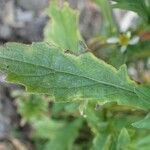
Kalimeris incisa
Japanese aster
Description
Source: leafsnapKalimeris incisa, common name kalimeris or Japanese aster, is a species of flowering plant in the family Asteraceae.
Care Guide
💧 Water
☀️ Light Full sun
Incised-leaf aster is a sun-loving, perennial herbaceous plant native to open habitats, often thriving in meadows and grasslands. It prefers full sun but can also tolerate partial sun.
🌡️ Temperature 5–32.2°C
Incised-leaf aster can tolerate a wide range of temperatures, though its distribution may still be restricted by specific mixes of moisture and heat. It does best in warm summer conditions with adequate rainfall or irrigation. Extended periods of cloudy, rainy weather, as well as prolonged high temperatures, both raise the risk of the Incised-leaf aster dying. In winter, protecting the plant from cold can increase its survival rate.
💨 Humidity
🪴 Soil 6-7
🌱 Fertilizer
The ideal time to fertilize an Incised-leaf aster is in early spring, when it is coming out of dormancy and beginning active growth. Fertilization supplies essential nutrients for healthy growth. Although the Incised-leaf aster has relatively low fertilizer requirements, annual fertilization can improve its survival and promote better, longer-lasting flowers.
🪴 Pot & Repot
✂️ Pruning
🌿 Propagating
🐛 Diseases & pets
☠️ Toxicity
Characteristics
- Plant Type
- Herb
- Life Cycle
- Perennial
- Genus
- Kalimeris
- Family
- Compositae
- Hardiness Zone
- 4-8
- Mature Height
- 1.52 m
- Mature Spread
- 61 cm
- Leaf Color
- Green
- Leaf Type
- Deciduous
- Flower Color
- Purple, Lavender, White
- Flower Size
- 0.25 cm to 0.51 cm
- Bloom Time
- Late summer, Early fall, Mid fall
- Planting Time
- Spring, Summer
- Harvest Time
- Mid fall, Late fall