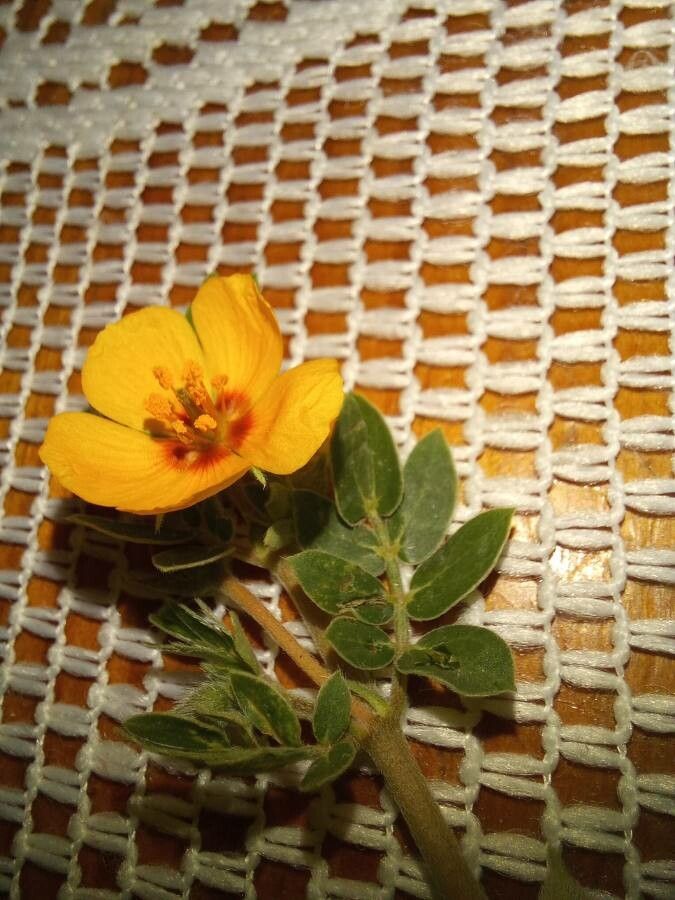
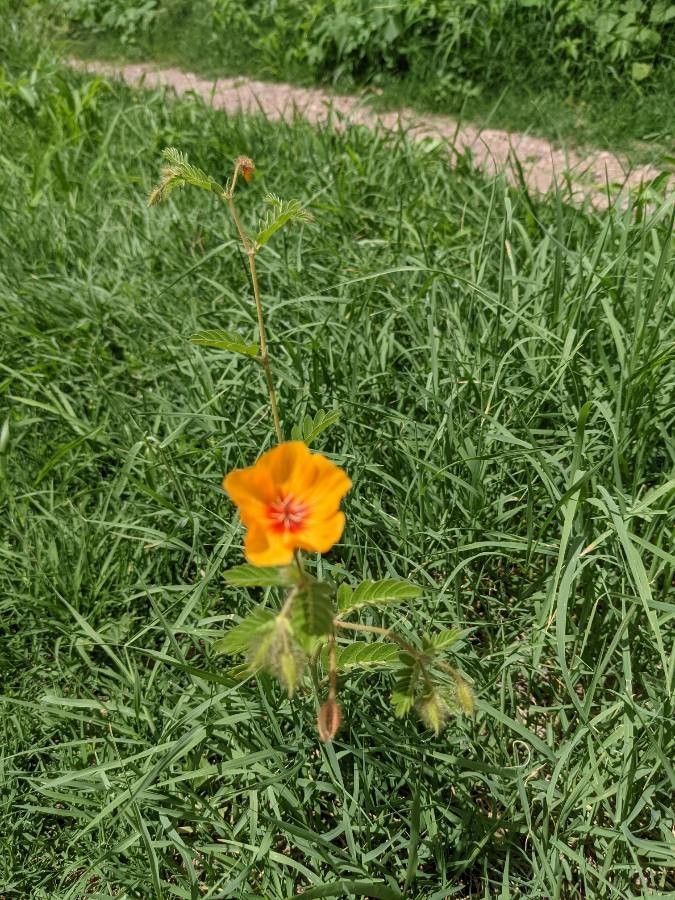
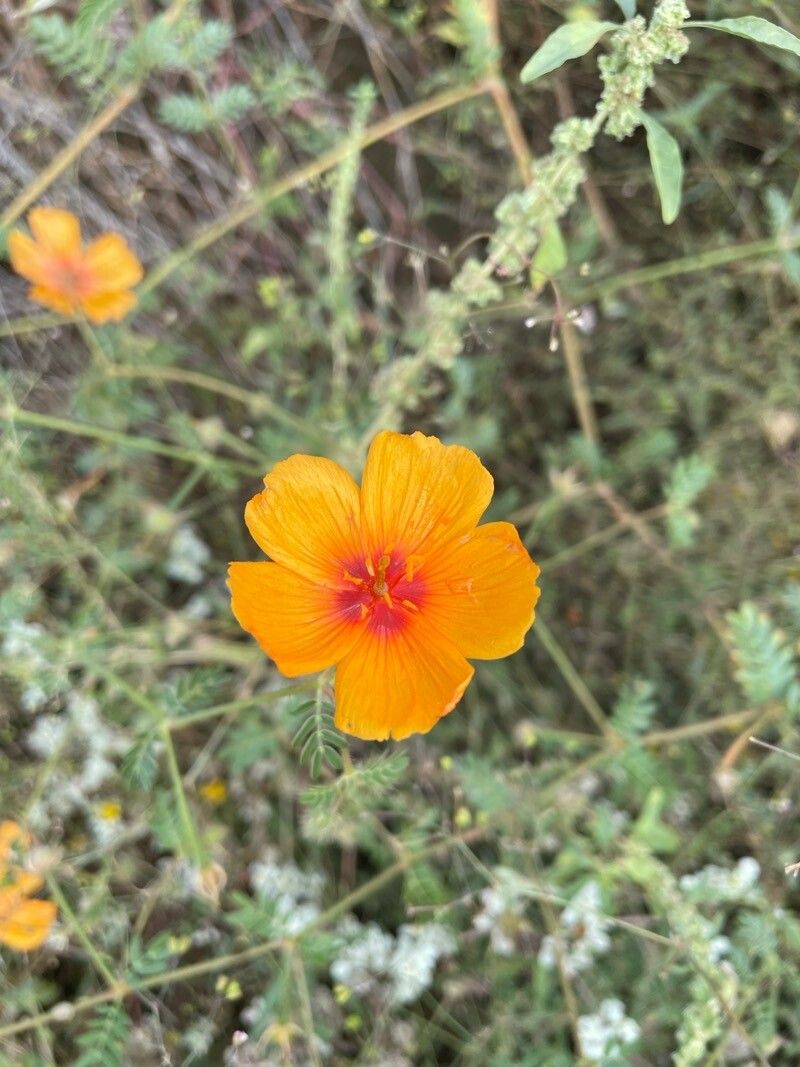
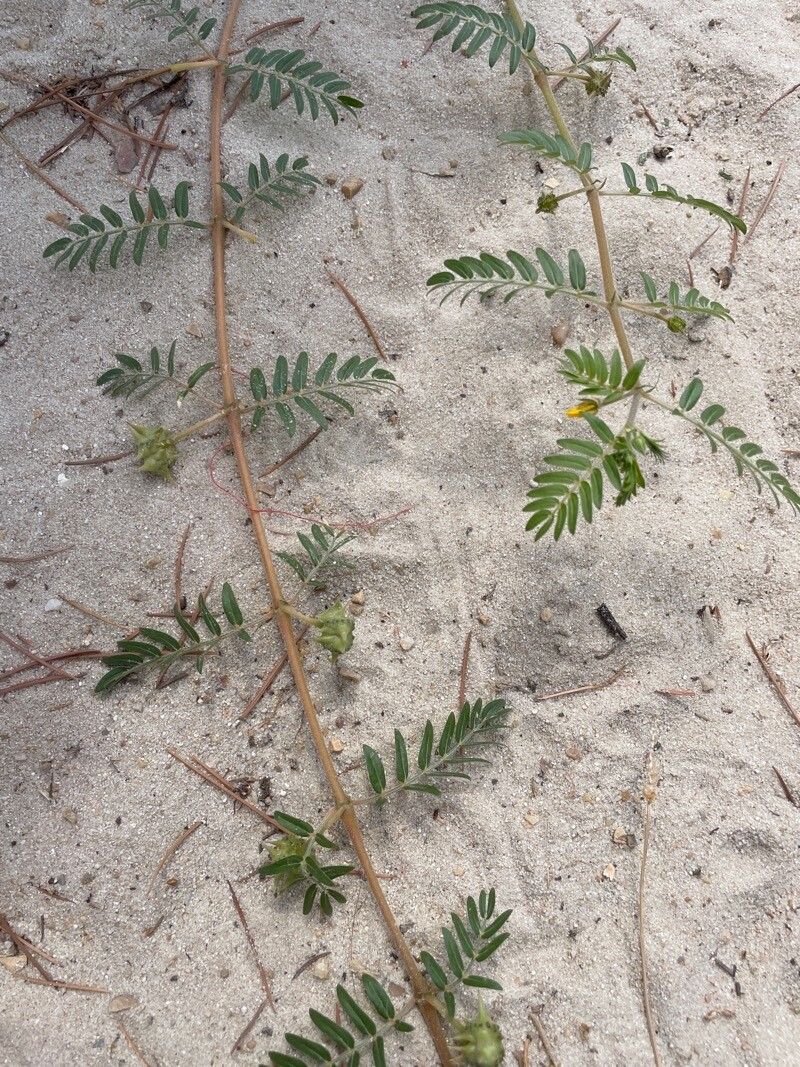
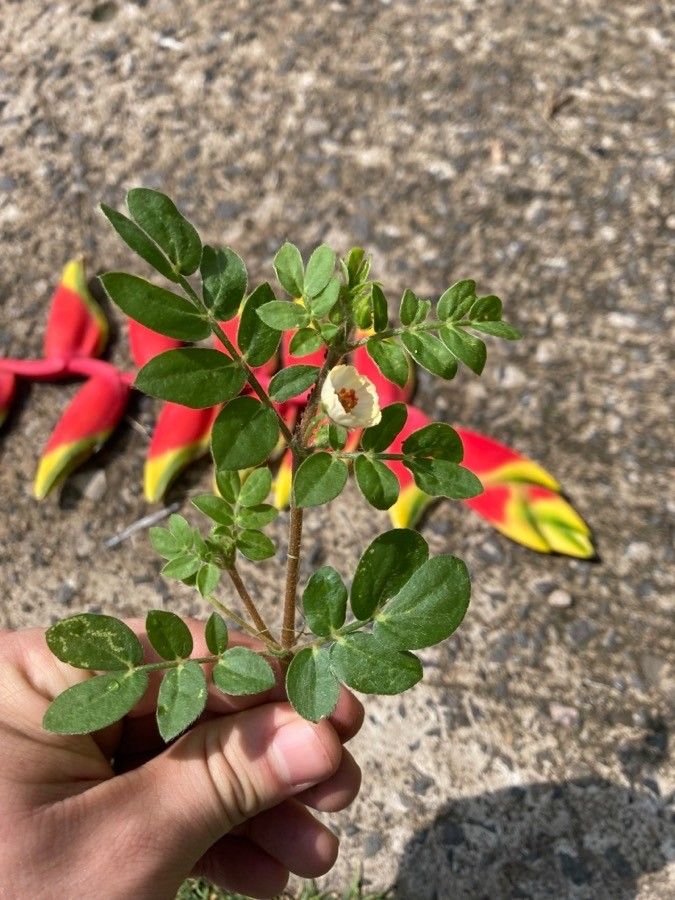
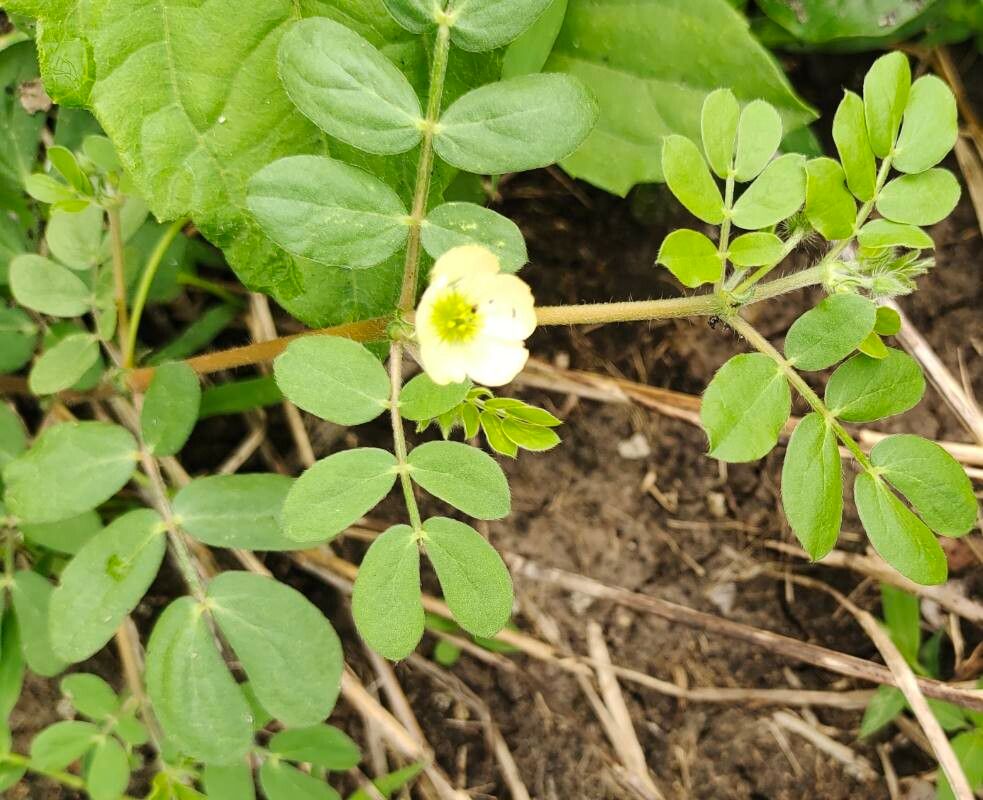
Kallstroemia grandiflora, the Arizona poppy, is a summer annual herb of the deserts of the Southwestern United States, California, and northern Mexico. Kallstroemia grandiflora has opposite, pinnately compound leaves. Large showy flowers often appear in abundance after summer monsoon rains, with bristly trichomes, stipules, and orange corollas.
Arizona poppy is fairly disease-resistant and usually not prone to illnesses. However, it can be affected by pests and diseases present in its environment. These problems are generally not serious. Regarding care, the plant needs a moderate level of attention. It benefits from regular pruning to maintain a neat appearance and support healthy growth. Fertilizing can also encourage more flowering. Arizona poppy is well suited for anyone with outdoor space, such as a garden or patio, and does not require extensive gardening experience. It may need more attention if grown indoors.
How to keep Kallstroemia Grandiflora.
Light
Arizona poppy does best with uninterrupted sunlight all day. Native to open spaces and clearings where the sun is not blocked, it grows healthily. Excessive sun can cause slight wilting, but it recovers rapidly. Lack of sufficient light slows its growth and may leave the plant weakened.
Water
The Arizona poppy thrives in dry climates, needing very little water due to its high drought tolerance. It grows best when watered once a week to prevent waterlogging and flourishes in full sunlight, which helps it make the most of its water supply during the growing season.
Temperature
Arizona poppy is native to warm areas and performs best at temperatures of 68 to 100 °F (20 to 38 ℃). It prefers warm conditions and is less tolerant of colder climates. During colder seasons, adjustments may be necessary to keep it within its optimal temperature range.
Fertilizer
When the Arizona poppy has opened most of its blooms to full size, begin fertilizing again. During the period of peak bloom, apply fertilizer once every three to four weeks, as weather permits. Then, after the Arizona poppy starts producing fewer new blooms, stop fertilizing; there's no need to fertilize when the plant can no longer produce more blooms.
Pruning
The Arizona poppy boasts vibrant flowers and benefits from regular pruning. To encourage healthy growth and abundant blooms, prune in early to late spring. Trim away dead stems and thin out overcrowded areas to improve air circulation and prevent disease. This will ensure the plant maintains a robust and tidy appearance throughout the season.
Botanical profile.
- Plant Type
- Herb
- Life Cycle
- Annual
- Genus
- Kallstroemia
- Family
- Zygophyllaceae
- Hardiness Zone
- 8-11
- Mature Height
- 30 cm to 91 cm
- Mature Spread
- 30 cm to 91 cm
- Leaf Color
- Green
- Leaf Type
- Deciduous
- Flower Color
- Yellow, Orange
- Flower Size
- 2.54 cm to 5.08 cm
- Bloom Time
- Summer, Fall
- Planting Time
- Spring, Summer, Autumn
- Harvest Time
- Mid summer, Late summer, Fall, Early winter
- Native Area
- Mexico
Other names.
Reader questions.
How should I water my Arizona poppy?
To water an Arizona poppy, you have several options. You can use a garden hose with a spray nozzle, a watering can, or any common watering tool. The good news is that Arizona poppies are not too particular about the type of water they receive. They can survive on rainwater, tap water, or filtered water. Avoid watering this plant from overhead, as it can harm the leaves and flowers and may even cause disease. Instead, consider using a drip irrigation system, which will evenly and directly water the soil. If you have an Arizona poppy in a container, you can follow a similar watering approach, but use a cup, watering can, or your tap to apply water directly to the soil.
What are the sunlight requirements for Arizona poppy?
Arizona poppy requires full sun, which means it needs above 6 hours of sunlight daily to thrive. Observing how the sunlight moves through your garden is vital to choose spots that provide the optimal balance of light and shade for your plants, ensuring their well-being. Continuous exposure to sun rays throughout the day is essential for the Arizona poppy, as it originates from openings and clearings where sunlight isn't obstructed. While overexposure can cause slight wilting, the plant is known to recover swiftly. However, insufficient light can slow growth and lead to a weakened plant.
What are the ideal temperature conditions for an Arizona poppy to thrive?
The Arizona poppy, known botanically as Kallstroemia grandiflora, thrives in warm regions and prefers temperatures between 68 to 100°F (20 to 38°C). It is less tolerant of colder climates and may require adjustments during colder seasons to maintain this optimal temperature range. Although the Arizona poppy has some cold tolerance and generally does not require special measures when the temperature is above 0°C, protective measures, such as wrapping the plant with plastic film, fabric, or other materials, are necessary if the temperature is expected to drop below 0°C. These protections should be removed once the temperature rises again to ensure the plant's health.
What do I need to do if I give my Arizona poppy too much or too little water?
To remedy underwatering Arizona poppy, simply water it more regularly when you notice it lacks moisture. However, overwatering can lead to more serious consequences, potentially causing diseases and death. To prevent this, choose a proper growing location with adequate sunlight and drainage to avoid waterlogged soil. If you overwater your potted Arizona poppy, consider repotting it with loose soil and a pot that drains efficiently. This helps ensure proper drainage and prevents future overwatering.
How does artificial lighting support indoor Arizona poppy plants?
Indoor Arizona poppy plants require adequate lighting for optimal growth, especially when natural sunlight is insufficient. Artificial lighting offers a vital solution, promoting faster, healthier growth. LED lights are popular for indoor plant lighting as they can be customized to provide specific wavelengths needed by plants. Full sun plants need 30-50W/sq ft of artificial light, partial sun plants need 20-30W/sq ft, and full shade plants require 10-20W/sq ft. The light source should be placed 12-36 inches above the plant to mimic natural sunlight, and most plants need 8-12 hours of light per day.
How should I care for my Arizona poppy when temperatures are low?
The Arizona poppy has moderate tolerance to low temperatures but thrives best when the temperature remains above 20°C. During winter, it's crucial to keep the plant above 0°C to prevent frost damage. If the temperature falls below -10°C, the leaves may droop and, in severe cases, wilt and eventually fall off. To protect your Arizona poppy in cold weather, trim off any frost-damaged parts and take preventive measures before the cold arrives. Wrapping the plant with non-woven fabric or cloth and constructing a wind barrier can protect it from cold winds and minimize damage.
How frequently do I need to water my Arizona poppy?
To keep your Arizona poppy healthy, water it regularly throughout the growing season. In spring, water it once per week. As the season progresses and it gets warmer, you may need to water it two to three times per week. However, be careful not to overwater it, as this can harm the plant. Regardless of how often you water, make sure the soil remains moist but not wet. If your Arizona poppy is in a pot, you'll need to water it more frequently. Potted plants can heat up and dry out faster, so plan to water them a few times per week instead of just once per week for plants in the ground.
What are the key symptoms of light deficiency in Arizona poppy?
Arizona poppy may exhibit several symptoms when cultivated indoors with inadequate light, including small new leaves compared to mature ones, leggy or sparse growth with longer spaces between leaves or stems, faster leaf drop to conserve resources, slower or halted new growth, and lighter-colored or irregularly patterned new leaves indicating a lack of chlorophyll. Conditions such as chlorosis, where leaves lose their green color, sunscald with damaged areas from intense sunlight, leaf curling as a defense mechanism against sunlight, wilting due to increased water loss, and leaf scorching characterized by brown, dry edges, are crucial symptoms to monitor.
What are the signs of heat stress in Arizona poppy, and how can I mitigate them?
Heat stress in Arizona poppy becomes apparent when the temperature exceeds its comfortable threshold of 38°C. Signs of heat stress include lighter leaf color, dry and withered leaf tips, curling leaves, and increased susceptibility to sunburn when temperatures soar above 43°C. To mitigate these symptoms, trim away any sunburned and dried-up parts of the plant. To protect your Arizona poppy from excessive heat, move it to a shaded location or use a shade cloth to shield it from the midday and afternoon sun. Additionally, maintaining soil moisture by watering in the morning and evening can help alleviate stress caused by high temperatures.
How much water does my Arizona poppy require?
Determining how much water to give your Arizona poppy can be done in a few different ways. Some gardeners prefer to gauge moisture by feeling the soil, suggesting that you water until the top six inches are moist. Another option is to use a set measurement, like two gallons per week, adjusting based on temperature and soil dryness. However, following rigid guidelines can result in overwatering if your plant needs less. Container-grown Arizona poppies require a different approach. Ensure all layers of dry soil are moist, either by checking with your finger or allowing a slight amount of excess water to drain from the pot.
How can I manage sunlight exposure for Arizona poppy to ensure healthy growth?
To ensure healthy growth for Arizona poppy, consider the following solutions: For indoor plants, gradually move them to a sunnier location each week to receive at least 6 hours of direct sunlight daily, utilizing a south-facing window for maximum exposure and consider artificial lights for additional lighting. Outdoors, adapt plants gradually to sunnier spots to avoid sunburn. Minimize obstructions by pruning branches or relocating smaller plants to sunnier locations with good drainage, especially during the dormant period, to increase sunlight access. It's important to note that while parts of the plant affected by insufficient sunlight may not recover, new growth will be healthy after adjusting light exposure.
How do I know if I'm giving enough water to my Arizona poppy?
Avoiding overwatering your Arizona poppy can be somewhat difficult. These plants have deep roots, so weekly watering is necessary to keep the soil moist. However, Arizona poppies are highly susceptible to root rot, which can cause browning of the plant. Underwatering is less likely to happen, as these plants can survive without supplemental watering for a while. But if you neglect to water for too long, the plant will begin to wilt and the leaves may become dry.