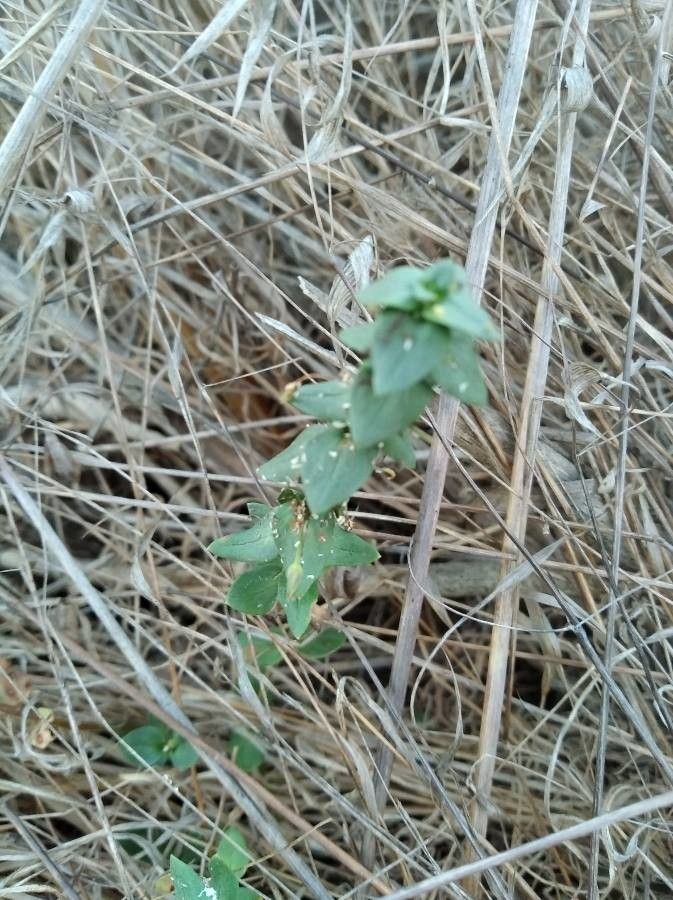
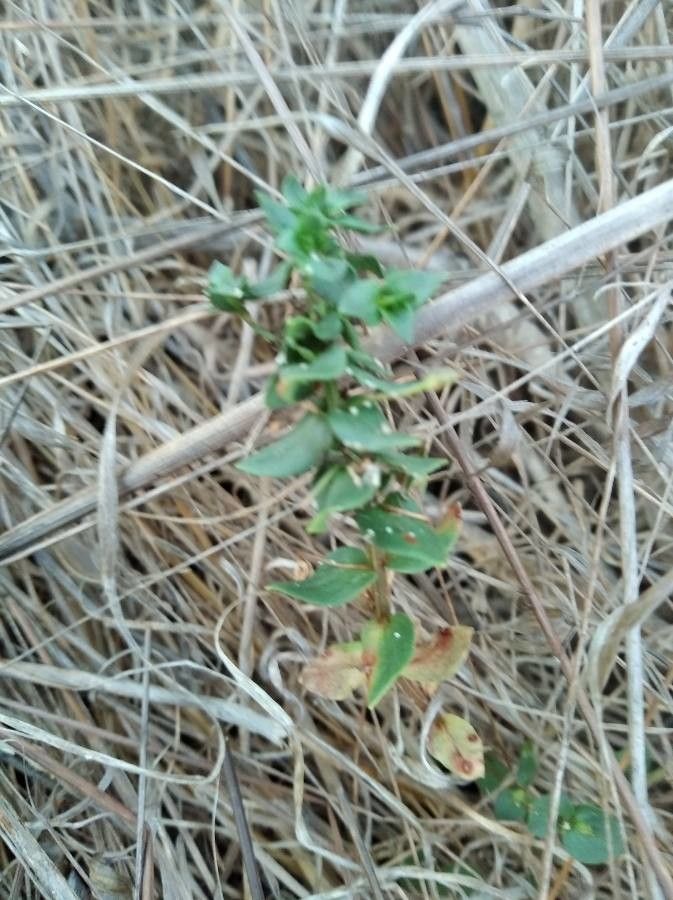
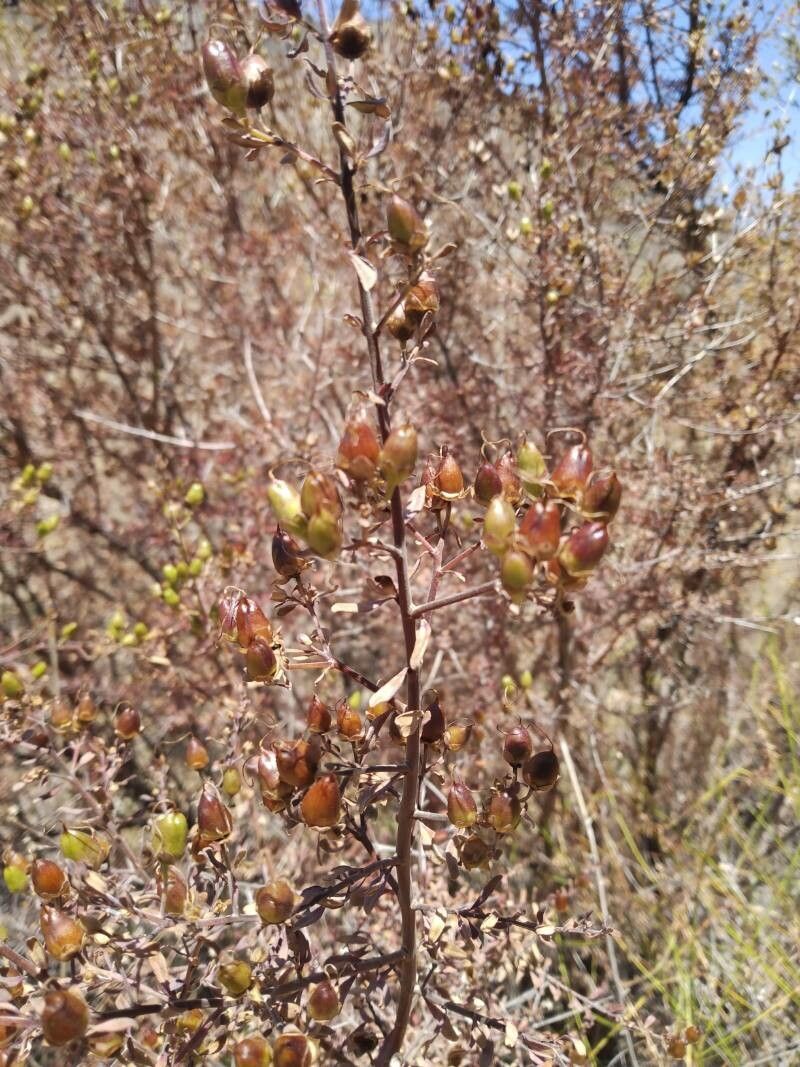
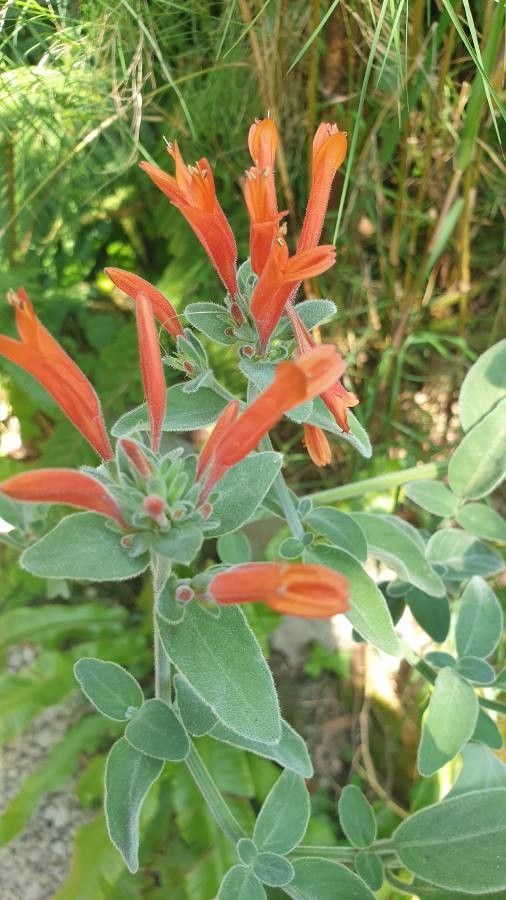
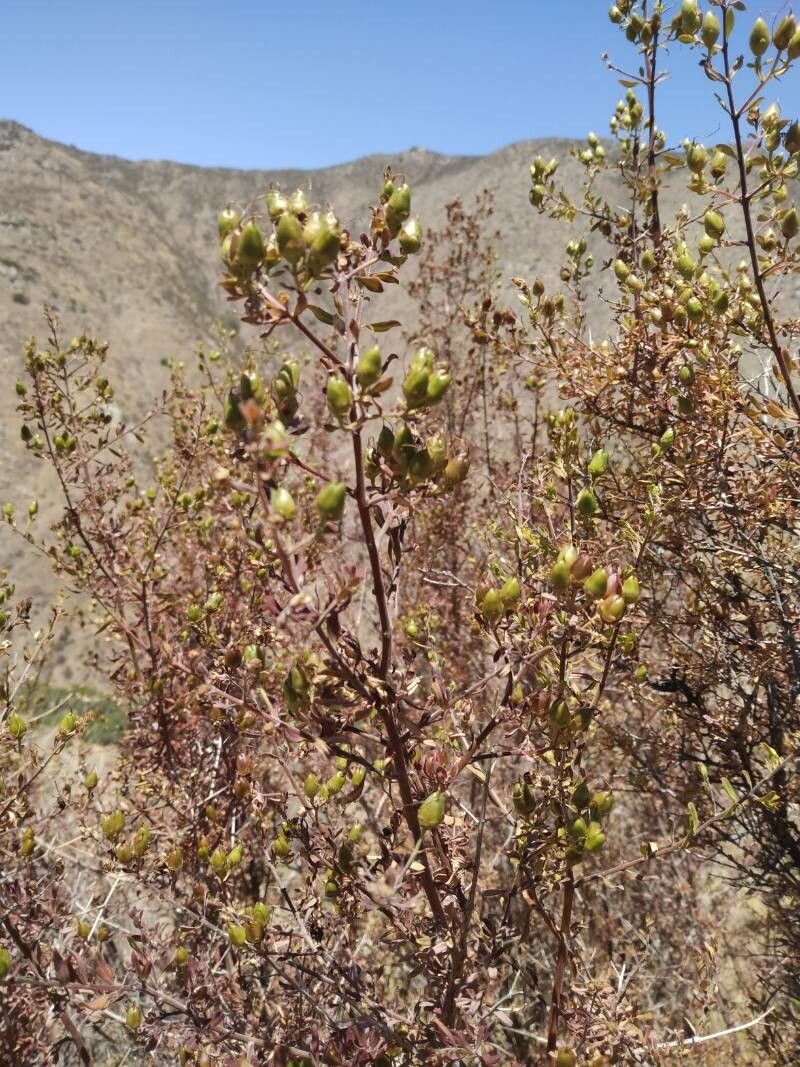
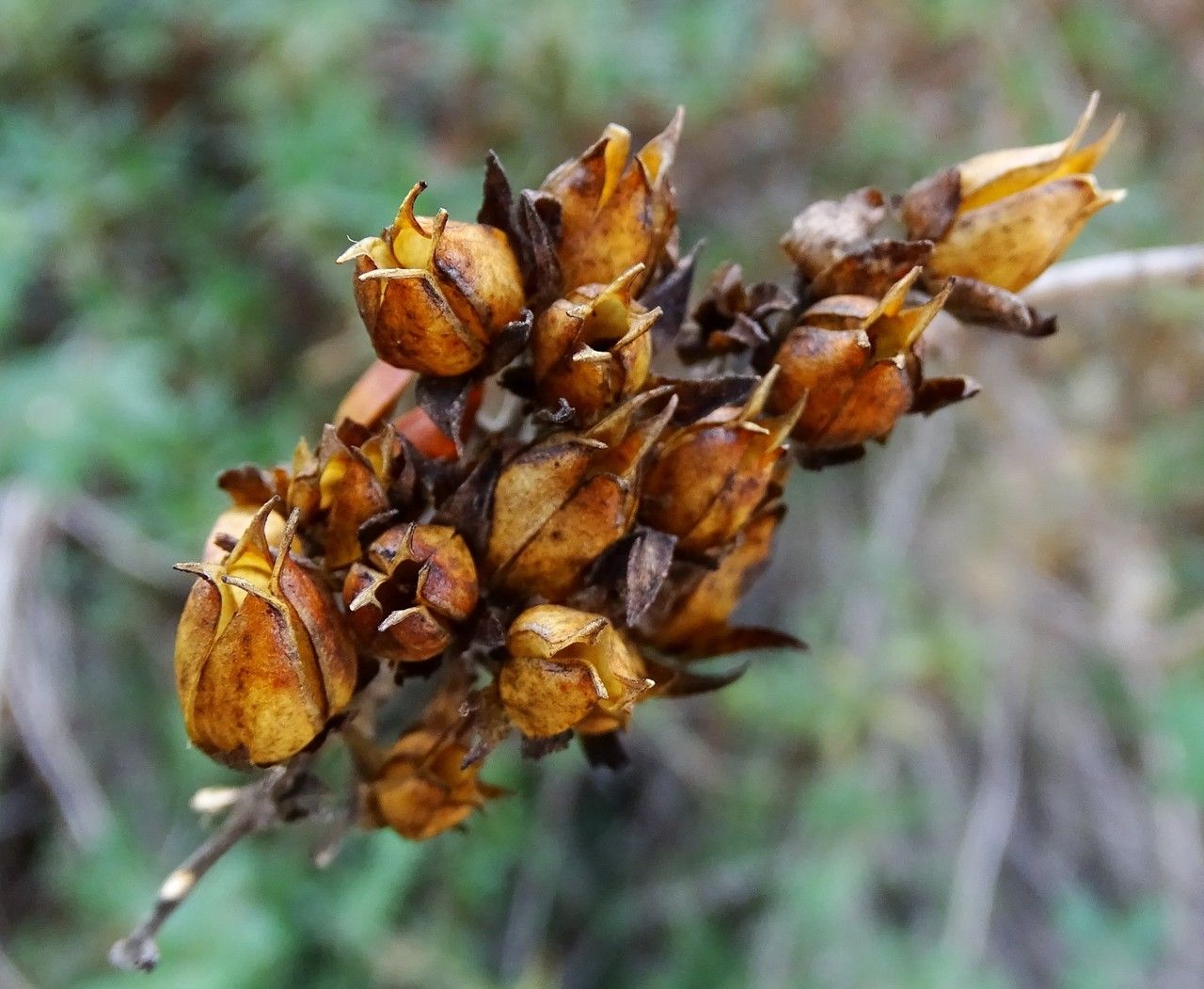
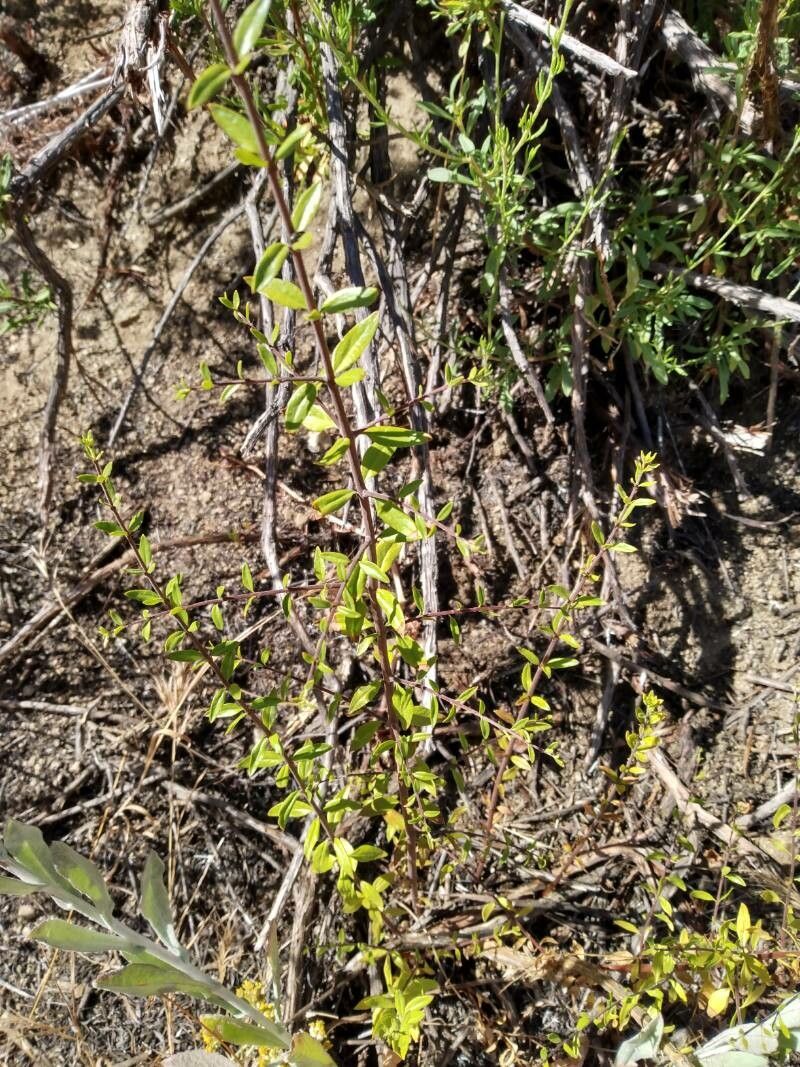
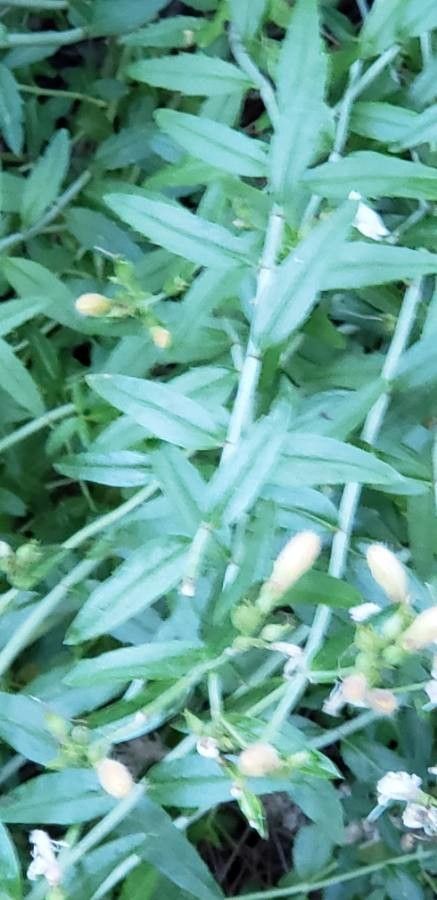
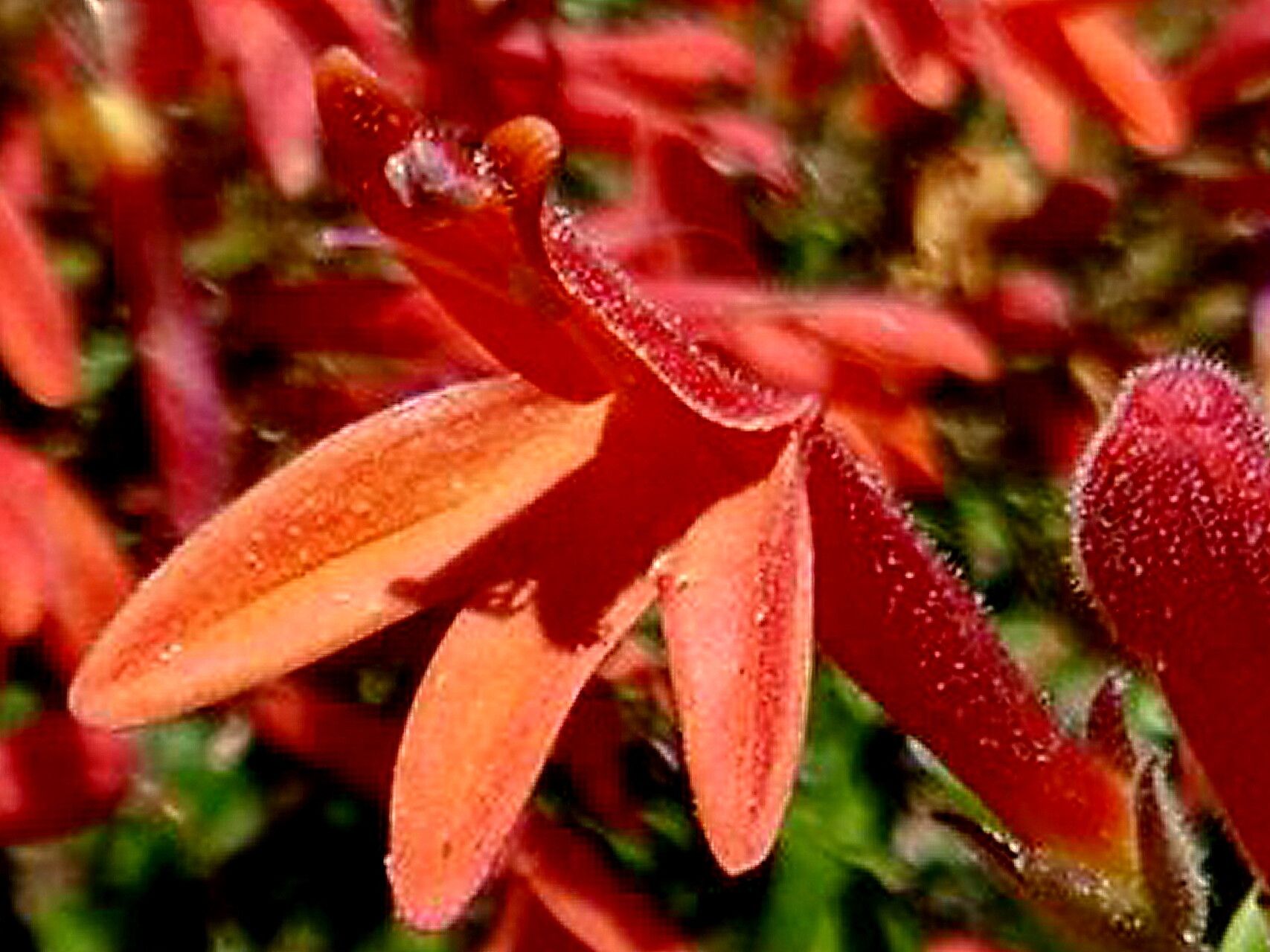
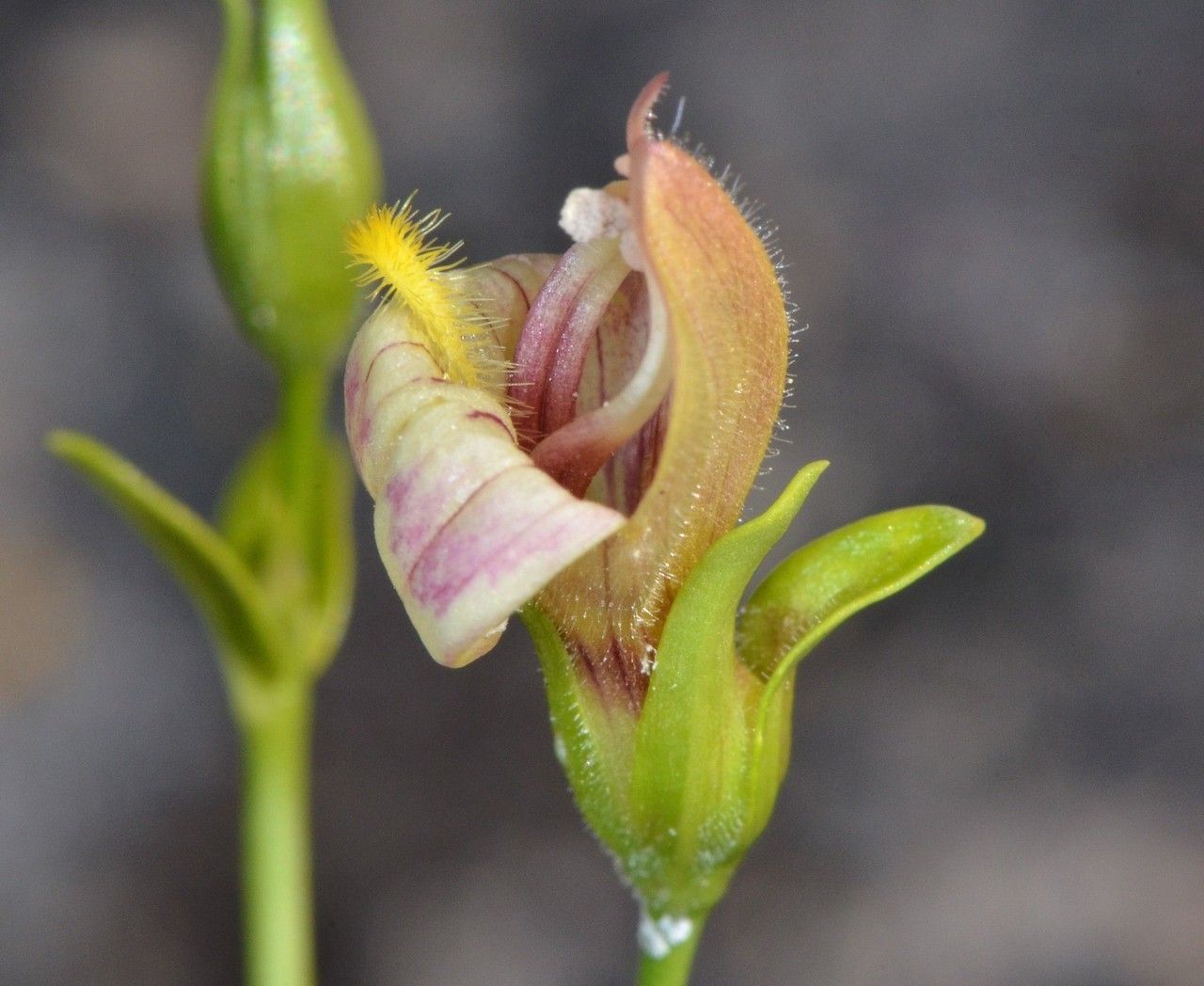
Keckiella cordifolia, commonly known as heartleaf keckiella, is a perennial plant native to the western United States. It belongs to the Scrophulariaceae family. The plant typically grows up to 3 feet tall and features green, slightly hairy, heart-shaped leaves. The tubular flowers vary in color from yellow to orange-red and bloom from late spring through early summer.
Keckiella cordifolia commonly thrives in rocky areas, dry slopes, and open woodlands at elevations ranging from 3,000 to 8,000 feet above sea level. It is a hardy plant that can tolerate drought conditions once established.
For centuries, Native American tribes have used the plant for medicinal purposes, particularly as a treatment for respiratory ailments like coughs and colds.
Aside from its medicinal uses, Keckiella cordifolia is also an attractive ornamental plant suitable for gardens or containers with well-draining soil and full sun exposure.
Overall, Keckiella cordifolia is an interesting native perennial with appealing foliage, making it ideal for rock gardens or naturalistic landscapes. It can spread out over time without becoming invasive or overwhelming nearby plants.
Heartleaf Keckiella is quite disease-resistant and is generally not susceptible to illnesses. In terms of care, this plant is relatively low-maintenance. When grown outdoors it requires minimal watering, and larger plants typically do not need pruning. Smaller plants, however, should be pruned after they have bloomed. Heartleaf Keckiellat is suitable for anyone with an outdoor space, such as a garden or deck, and does not require a lot of care experience.
How to keep Keckiella Cordifolia.
Light
Heartleaf Keckiella does best in locations that receive sunlight for most of the day. It can also tolerate sites that are sunlit for roughly half the day. It is native to habitats that provide this kind of light exposure. Too much light can accelerate water loss, while too little light limits growth.
Water
Heartleaf Keckiella thrives in semi-arid environments, where it can endure dry spells between waterings. It is drought-tolerant and should be watered every two weeks. This plant is ideal for outdoor growth and benefits from natural rainfall in regions with well-defined dry seasons, demonstrating its adaptation to periodic droughts.
Temperature
Heartleaf Keckiella is native to areas where temperatures range from 59 to 95 °F (15 to 35 ℃). It prefers moderate climates and grows best under these conditions. In colder months, aim to keep the temperature near 59 °F (15 ℃).
Fertilizer
Proper timing is vital when fertilizing Heartleaf Keckiella. Apply fertilizer in early spring and continue monthly until early summer. The fertilizer encourages attractive blooms and supplies energy during both dormant and active growth periods.
Pruning
Heartleaf Keckiella is known for its heart-shaped leaves and vibrant flowers. To maintain its health and appearance, prune it in late spring. During pruning, remove any dead stems and thin out the branches to enhance air circulation. Be careful not to over-prune; instead, aim to preserve its natural shape. This practice promotes healthy growth and results in abundant blooms, while also helping to prevent disease. Always use clean tools for the best results.
Pot & Repot
Heartleaf Keckiella is a shrub that resembles a bush and requires repotting every 2 to 3 years. The best time to repot is in late winter or early spring. When repotting, choose a larger container to provide ample space for its roots. After repotting, water the plant sparingly until you notice new growth. Using a pot with good drainage will help ensure the plant recovers optimally.
Botanical profile.
- Plant Type
- Shrub
- Life Cycle
- Perennial
- Genus
- Keckiella
- Family
- Plantaginaceae
- Hardiness Zone
- 8-10
- Mature Height
- 0.91 m to 3.05 m
- Mature Spread
- 0.91 m to 1.83 m
- Leaf Color
- Green
- Leaf Type
- Semi-evergreen
- Flower Color
- Red
- Flower Size
- 2.54 cm to 5.08 cm
- Bloom Time
- Late spring, Early summer, Mid summer
- Planting Time
- Spring, Summer
- Harvest Time
- Late summer, Early fall, Mid fall
- Native Area
- Mexico
Other names.
Reader questions.
What do I do if I give Heartleaf Keckiella too much or too little water?
If a Heartleaf Keckiella is overwatered, its leaves can turn yellow, drop off, and wilt. The plant may also look unhealthy with mushy stems. When these signs appear, it's best to adjust your watering schedule. Wilting can also indicate under watering, in which case the leaves may become crispy and dry. If the soil is dry and watering alone is not enough, give it a thorough watering. However, even with enough water, the damaged root system may cause the plant to appear dry with yellow leaves after a few days. Once it returns to normal, the yellowing of the leaves will stop. When caring for a Heartleaf Keckiella indoors, always check the moisture levels in the pot and avoid overwatering. Look for signs of black spots and let the soil dry out for a few days if present. Overwatering can lead to root rot, so consider transferring the plant to a different pot if you notice discolored and slimy roots. It's important to prevent root rot by not letting the soil become too soggy. When planting a Heartleaf Keckiella outdoors, make sure to check the soil moisture by digging a little deeper. If the soil is too dry, it may indicate underwatering, and adequate watering is necessary for recovery.
Why should I put fertilizer on my Heartleaf Keckiella plant?
To help your Heartleaf Keckiella thrive and produce beautiful blooms, fertilization is key. By applying fertilizer in early spring, you can enhance the chances of your Heartleaf Keckiella having excellent flowers during that season. Additionally, fertilizer provides your plant with sufficient energy to store in the ground during its dormant growth phases. Supplying extra nutrients during fall planting or late spring will enable your Heartleaf Keckiella to accumulate more energy for active growth when the time comes.
What are the sunlight requirements for Heartleaf Keckiella?
Heartleaf Keckiella requires full sun, which means it needs more than 6 hours of sunlight daily. It can also thrive in partial sun, getting about 3-6 hours of sunlight. It's crucial to observe the movement of sunlight through your garden and position your plants in spots that provide an ideal balance of light and shade for their growth and happiness.
What is the ideal temperature range for Heartleaf Keckiella?
Heartleaf Keckiella, botanically known as Keckiella cordifolia, thrives in temperatures ranging from 59 to 95 °F (15 to 35 °C). It prefers moderate climates and performs best within these temperature ranges. During the colder months, maintaining a temperature close to 59 °F (15 °C) is recommended. The plant has some cold tolerance, generally not requiring additional cold protection when temperatures are above -5°C. However, temporary measures such as wrapping the plant in protective materials are advised if temperatures are expected to drop below -5°C.
How should I water my Heartleaf Keckiella plant?
To help promote excellent root development in plants, consider these watering techniques: place a garden hose at the base of the plant instead of directly spraying the leaves. If the plant is outdoors and exposed to direct sunlight, the leaves may need more water. You can moisten the roots by using bubblers or soaker hoses for individual plants or to cover the entire garden or bed. When adding or removing plants, use soaker hoses to encourage deep root growth. Make sure to drain any excess water and allow the soil to dry before watering again. Watering at ground level can help prevent diseases. On sunny days, it may be beneficial to spray the entire bush with water. Remember, whether the plants are potted or in-ground, Heartleaf Keckiella prefers deep watering instead of light sprinkling.
When should I fertilize my Heartleaf Keckiella?
Timing is crucial when fertilizing Heartleaf Keckiella to ensure effectiveness and avoid waste. It is important not to fertilize too early when the plant is still dormant, as this would result in the fertilizer being rinsed away by rainwater, causing pollution. Instead, the first application of fertilizer should be done in early spring. After that, continue fertilizing once a month until early summer.
What are the essential considerations for growing Heartleaf Keckiella?
Heartleaf Keckiella favors environments that are well-lit by the sun for the majority of the day, but it can also adapt to conditions with sunlight for half of the day. This adaptation is rooted in its natural habitat, which offers similar lighting conditions. Excessive light might speed up water loss, while too little light could hinder its growth. For indoor plants lacking natural sunlight, especially during winter or in areas with less natural light, artificial lighting becomes crucial for optimal growth. LED lights are preferred for their ability to provide specific wavelengths needed by plants. The amount of artificial light required varies depending on whether the plant is full sun (30-50W/sq ft), partial sun (20-30W/sq ft), or full shade (10-20W/sq ft). The correct positioning (12-36 inches above the plant) and duration of artificial lighting (8-12 hours per day) are key to mimicking natural sunlight conditions.
How does Heartleaf Keckiella react to low temperatures?
Heartleaf Keckiella has a moderate tolerance to low temperatures, ideally staying above 15°C. In winter, it's crucial to keep the temperature above -5°C to avoid damage. Exposure to temperatures below -10°C may cause the leaves to droop; while they might recover in mild cases, severe exposure can lead to wilting and eventual leaf drop. To protect the plant from low temperatures, it's advised to trim frost-damaged parts and wrap the plant with materials like non-woven fabric or cloth, alongside constructing a wind barrier to shield it from cold winds.
How often do I need to water my Heartleaf Keckiella?
The Heartleaf Keckiella is a plant that prefers deep and infrequent watering, especially when planted in pots. In these cases, it is recommended to soak them in a gallon of water each time to account for the limited water storage and faster soil drying. In colder regions, watering should be done every 3 to 5 days. The best time to water is early in the morning when the soil is dry, regardless of whether the plant is indoors or outdoors. Checking the soil moisture is another way to determine when watering is needed. If the top 2-3 inches of soil are dry, it is time for a full watering. On hot days, it may be necessary to check the moisture daily due to faster soil drying in pots. For plants in a garden, irrigation of the soil is required. In hotter climates, watering once a week is sufficient, but only when the top 2 to 3 inches of soil are too dry. It is important to take into account any rainfall the plant has received and avoid overwatering to prevent root rot. Heartleaf Keckiella generally grows during spring and fall, so adding mulch about 3 to 4 inches deep when planted outdoors can help conserve water. Sandy soil requires more frequent watering due to fast draining, while clay soil requires less frequent watering to avoid root rot. Keeping track of watering dates on a calendar can help ensure timely watering and prevent drooping leaves, which may indicate delayed watering.
When is not a good time to put fertilizer on my Heartleaf Keckiella plant?
To ensure optimal growth and blooming of Heartleaf Keckiella, it is important to be mindful of the type and timing of fertilizer used. Avoid using fertilizers with high levels of nitrogen, as this can result in excessive leaf development but few blooms. Instead, opt for fertilizers that have lower nitrogen levels compared to other nutrients. It is best to refrain from fertilizing Heartleaf Keckiella after the early autumn, as this can lead to excessive growth just before winter. Similarly, it is not recommended to fertilize the plant during hot and dry periods, as the dry soil is not as effective in delivering fertilizer to the roots. Fertilizing during such times can also stimulate growth, which requires more water that may not be readily available. Ideally, it is advisable to apply fertilizer earlier in the season when temperatures are cooler. Lastly, it is important to be cautious of inadvertently giving the Heartleaf Keckiella a double-dose of fertilizer, as it can absorb fertilizer that has been applied to nearby plants or lawns.
What are the symptoms of improper light exposure in Heartleaf Keckiella?
Symptoms of improper light exposure for Heartleaf Keckiella can include smaller new leaves, leggy or sparse growth, faster leaf drop, slower or no new growth, lighter-colored new leaves, chlorosis (yellowing leaves), sunscald (pale or necrotic spots due to intense light), leaf curling (a defense mechanism against too much light), wilting (due to water loss from too much sun), and leaf scorching (brown, dry edges due to excessive sunlight). These symptoms indicate either too much or too little exposure to sunlight, affecting the plant's health and growth.
What should I do if Heartleaf Keckiella is exposed to high temperatures?
During the summer, it's essential to ensure Heartleaf Keckiella does not get exposed to temperatures above 35°C. When the temperature soars above 41°C, the leaves may lighten in color, curl, and become susceptible to sunburn with leaf tips drying and withering. To manage this, sunburned and dried parts should be trimmed away. Moving the plant to a shaded location, especially from the midday and afternoon sun, or using a shade cloth can be beneficial. Additionally, watering the plant in the morning and evening helps keep the soil moist and supports the plant under high temperature conditions.