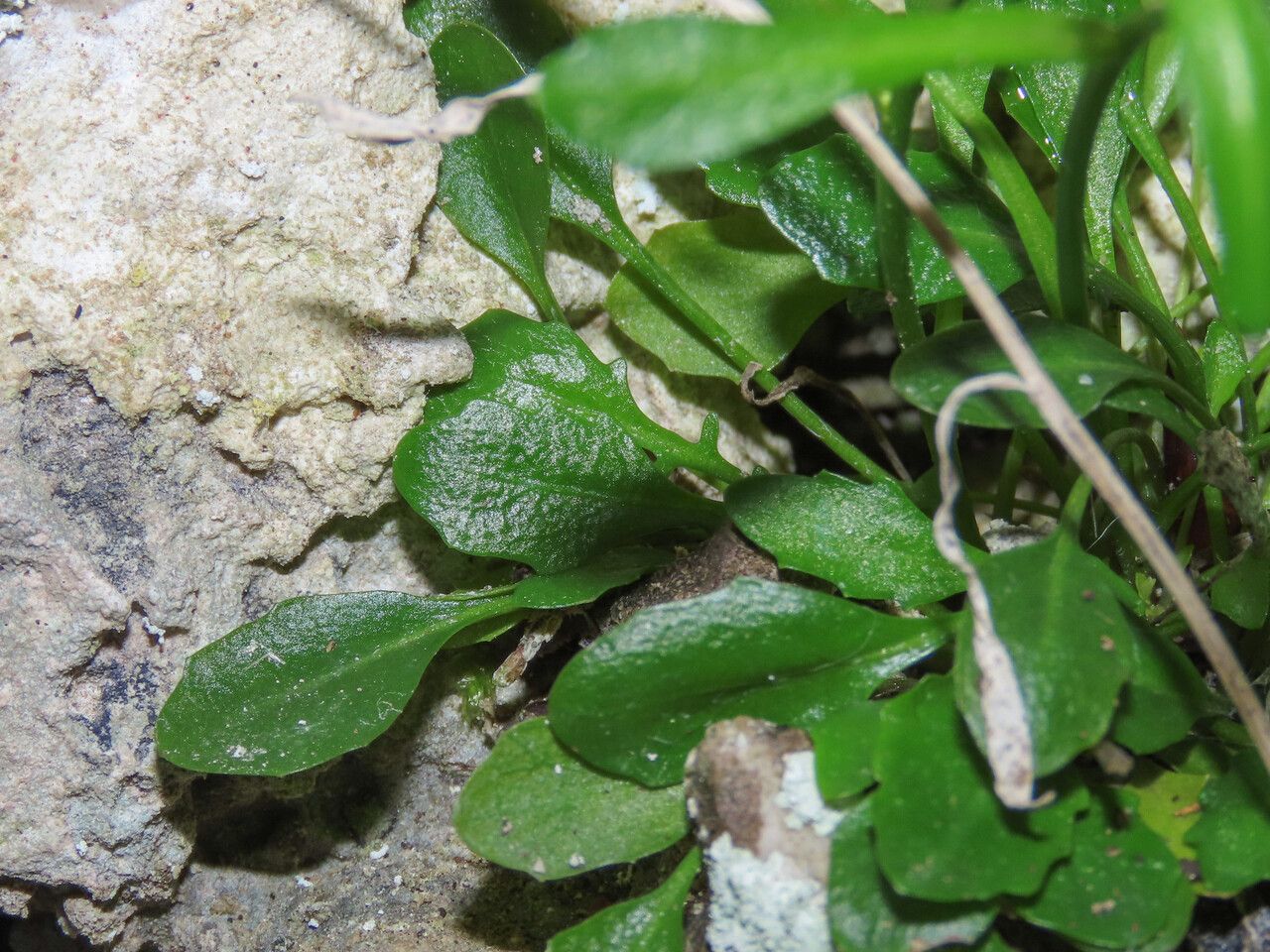
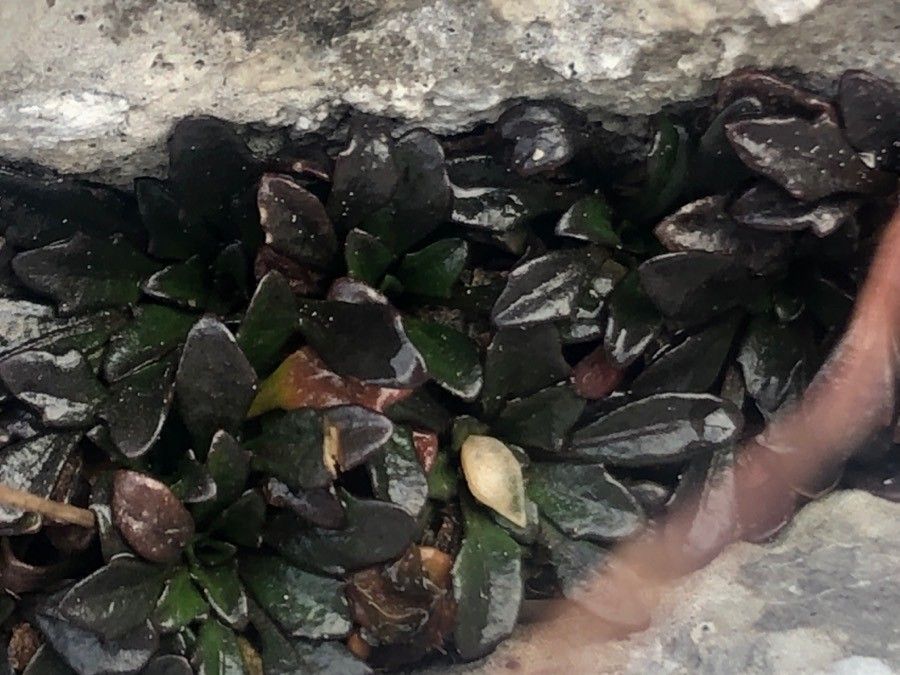
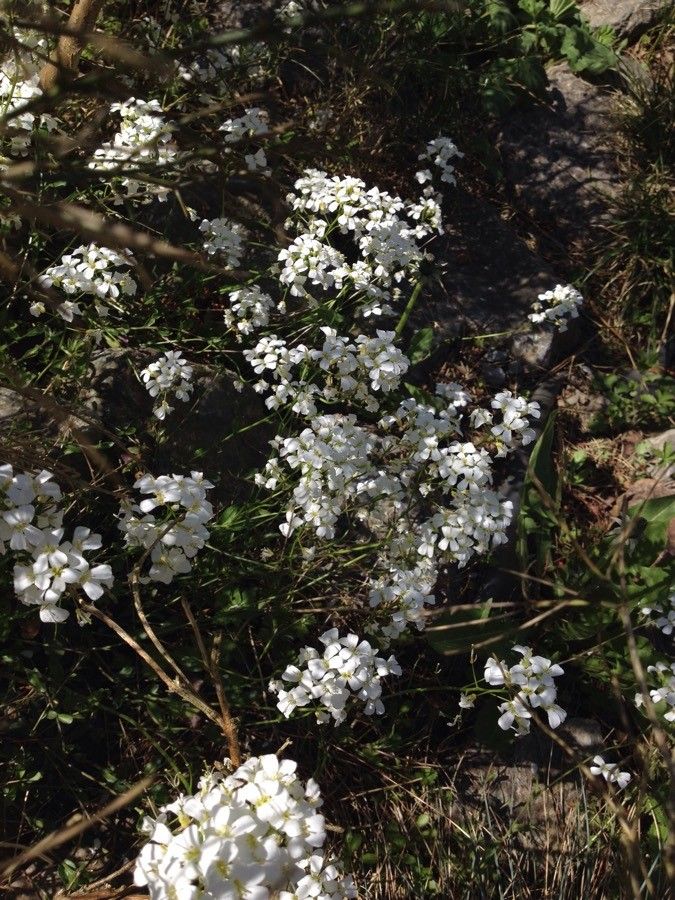
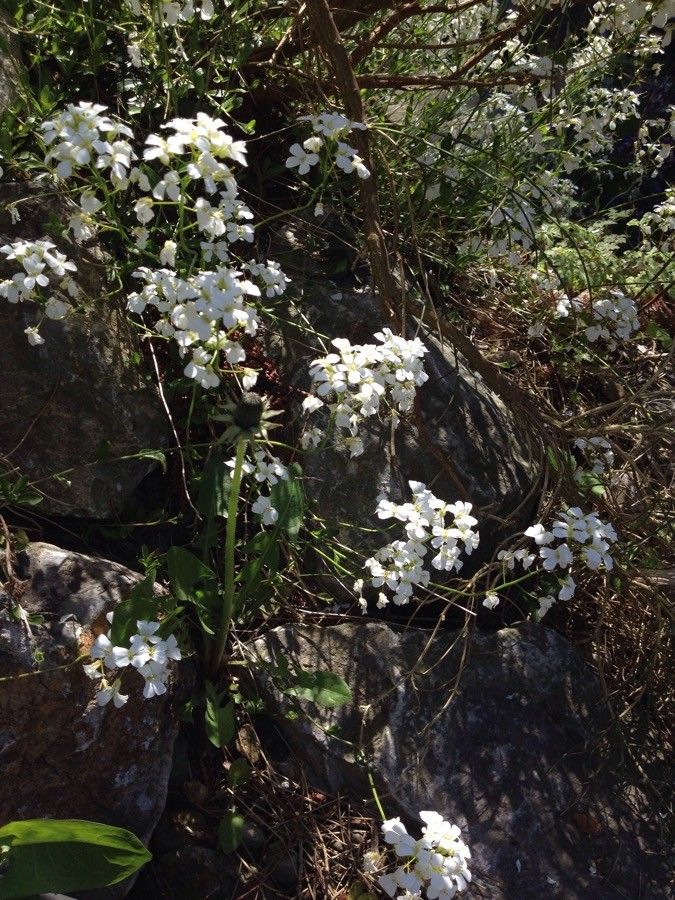
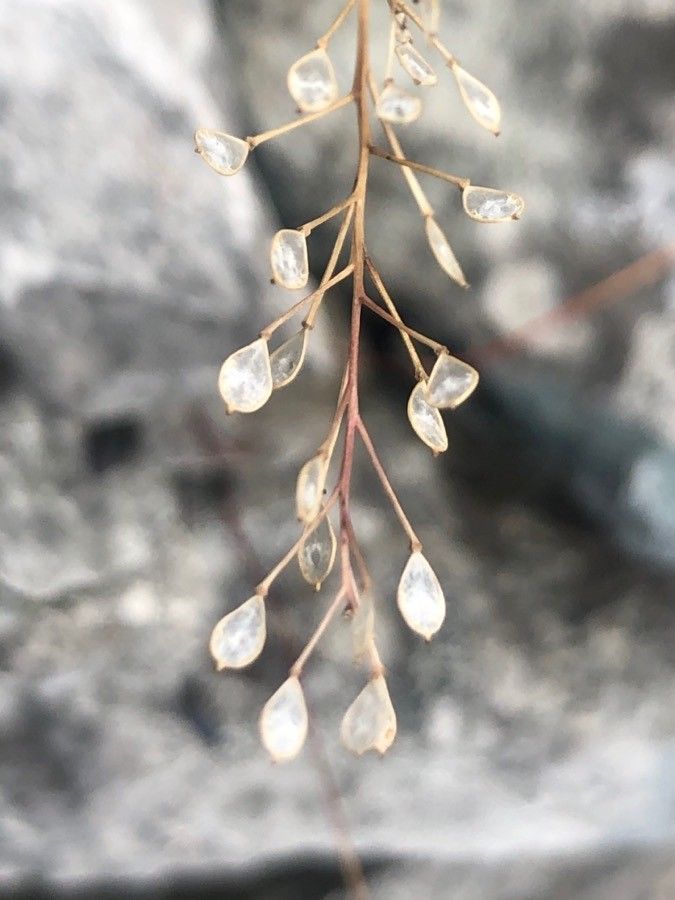
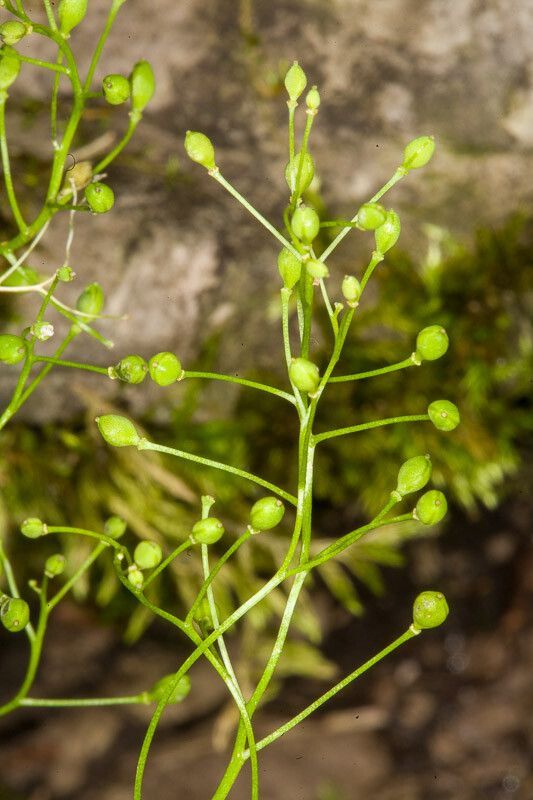
Rock scurvy grass has good resistance to disease and is generally not prone to illnesses. However, it can be susceptible to pests and diseases present in its surroundings. These infections are usually not severe. In terms of care, this plant needs a moderate level of maintenance. It requires regular pruning to keep a good appearance and support healthy growth. Fertilizing can also help promote flowering. Rock scurvy grass is suitable for anyone with outdoor space, such as a garden or patio, and does not demand much plant-care experience. It may require more attention when grown indoors.
How to keep Kernera Saxatilis.
Light
Rock scurvy grass is a sun-loving, herbaceous perennial that is native to open habitats and commonly grows in meadows and grasslands. It favors full sun but can also tolerate partial sun conditions.
Water
Rock scurvy grass flourishes in rocky areas with minimal water, displaying excellent drought tolerance. It should be watered weekly to avoid over-saturation. As an outdoor plant, it adapts well to changing weather conditions, efficiently managing water uptake during irregular rainfall to ensure its survival.
Fertilizer
Usually one fertilizer application in spring is enough for Rock scurvy grass, though repeated feedings can maximize growth. Feed every month to every month and a half. Fertilizing improves the leaves’ appearance and function, helping maintain uniform color and a healthy texture. It also promotes root development and nutrient uptake for long-term plant health.
Pruning
Rock scurvy grass is known for its small white flowers and leafy rosettes. To maintain its health and appearance, prune the plant from early to late spring. This will help remove dead growth, improve airflow, and encourage healthy foliage. Regular pruning not only enhances the plant's appearance but also reduces the risk of disease and promotes a vigorous blooming season. Keeping up with this practice will ensure the plant remains compact and robust.
Botanical profile.
- Plant Type
- Herb
- Life Cycle
- Perennial
- Genus
- Kernera
- Family
- Brassicaceae
- Hardiness Zone
- 4-8
- Mature Height
- 5 cm to 15 cm
- Mature Spread
- 10 cm to 20 cm
- Leaf Color
- Green
- Leaf Type
- Deciduous
- Flower Color
- White
- Flower Size
- 0.25 cm to 0.51 cm
- Bloom Time
- Mid spring, Late spring, Early summer
- Planting Time
- Spring, Summer
- Harvest Time
- Summer
- Native Area
- Austria, Slovakia, Montenegro, Bulgaria, Poland, Greece, Croatia, Slovenia, Serbia, Germany, Italy, Spain, Switzerland, Albania, Romania, France
Other names.
Reader questions.
How should I water my Rock scurvy grass in the best way?
To successfully water the Rock scurvy grass, follow these guidelines: Firstly, make sure to use filtered water that is at room temperature. Tap water may contain harmful particles that can negatively affect the plant's health. Secondly, it is important to use water that is at room temperature or slightly warmer. Since the Rock scurvy grass is native to a warm environment, cold water can be a shock to its system. Additionally, avoid overhead watering as it can lead to issues with the foliage. Instead, apply your filtered room temperature water directly to the soil until it is thoroughly soaked. This helps to moisten the roots and allows them to spread through the soil and absorb the necessary nutrients.
What should I do if I give my Rock scurvy grass too much or too little water?
It is important to understand that both overwatering and underwatering can harm your Rock scurvy grass, but overwatering is more commonly seen. When the plant gets too much water, its stems and leaves may wilt and turn yellow. Extended periods of overwatering can also lead to diseases like root rot, mold, and mildew, which can be fatal for your plant. On the other hand, underwatering is not as common because the Rock scurvy grass is fairly drought-tolerant. However, underwatering is still a possibility, and in such cases, you will notice that the leaves become brittle and brown. To take care of your Rock scurvy grass, it is crucial to recognize signs of overwatering as early as possible. Some diseases caused by overwatering, such as root rot, may become irreversible if you delay action. If you notice early signs of overwatering, reduce your watering routine immediately. Additionally, check the quality of the soil where the plant is growing. If it drains poorly, replace it with loose, well-draining potting mix. On the other hand, if you see signs of underwatering, simply increase the frequency of watering until the symptoms improve.
How often should I water my Rock scurvy grass plant?
If your Rock scurvy grass is in a pot, simply stick your finger into the soil to determine if it needs water. If the top two to three inches of soil are dry, then it's time to water it. If you have your Rock scurvy grass planted outdoors in the ground, you can also use this method. If the top few inches of soil have dried out, it's time to add water. Typically, in spring and early fall, you'll need to water this plant about once a week. However, during extremely hot weather, you may need to water it twice or more per week. It's worth noting that mature, well-established Rock scurvy grass can tolerate drought quite well.
How much water does my Rock scurvy grass require?
When you water your Rock scurvy grass, make sure to give it plenty of water. Check if the top few inches of soil are dry - if they are, it's time to water. Give the plant a good soak so that the water reaches all the way through the soil. You can tell you've added enough water when you see excess water draining out of the pot's drainage holes. If there's no excess water, you probably didn't give enough water. However, be careful not to overwater the plant, as this can be harmful. If there's no water draining through the pot, it may be because the soil isn't draining properly, which is not good for the plant's health. If the plant is outside, it should get about 1 inch of rain per week, which should be enough.
How do I water my Rock scurvy grass at different stages of growth?
The water requirements of Rock scurvy grass can vary based on its growth stages. In the early years and after transplanting, it needs more water due to the focus on root development. As the plant matures, it requires less water. Additionally, during the blooming period, more water may be needed to support flower development.
How should I water my Rock scurvy grass throughout the year?
The water needs of Rock scurvy grass are highest during the hottest months of the year. In summer, you may need to water this plant more than once per week, depending on how quickly the soil dries out. However, during winter, the plant enters a dormant phase and requires much less water. In fact, you may not need to water the plant at all during winter. If you choose to water during winter, it should be done no more than once per month to avoid the risk of disease.
How does watering my Rock scurvy grass indoors compare to watering it outdoors?
If you are a gardener who doesn't live in temperate or tropical regions, it is common to grow Rock scurvy grass indoors. However, keep in mind that the soil in a container can dry out faster than ground soil. If you have drying elements like air conditioning units, your Rock scurvy grass will need more frequent watering compared to if it were planted outside. In such cases, your grass may not require much watering if it receives regular rainfall. On the other hand, if you grow this plant inside, you will need to water it more often since you won't have the option of rainwater soaking the soil.