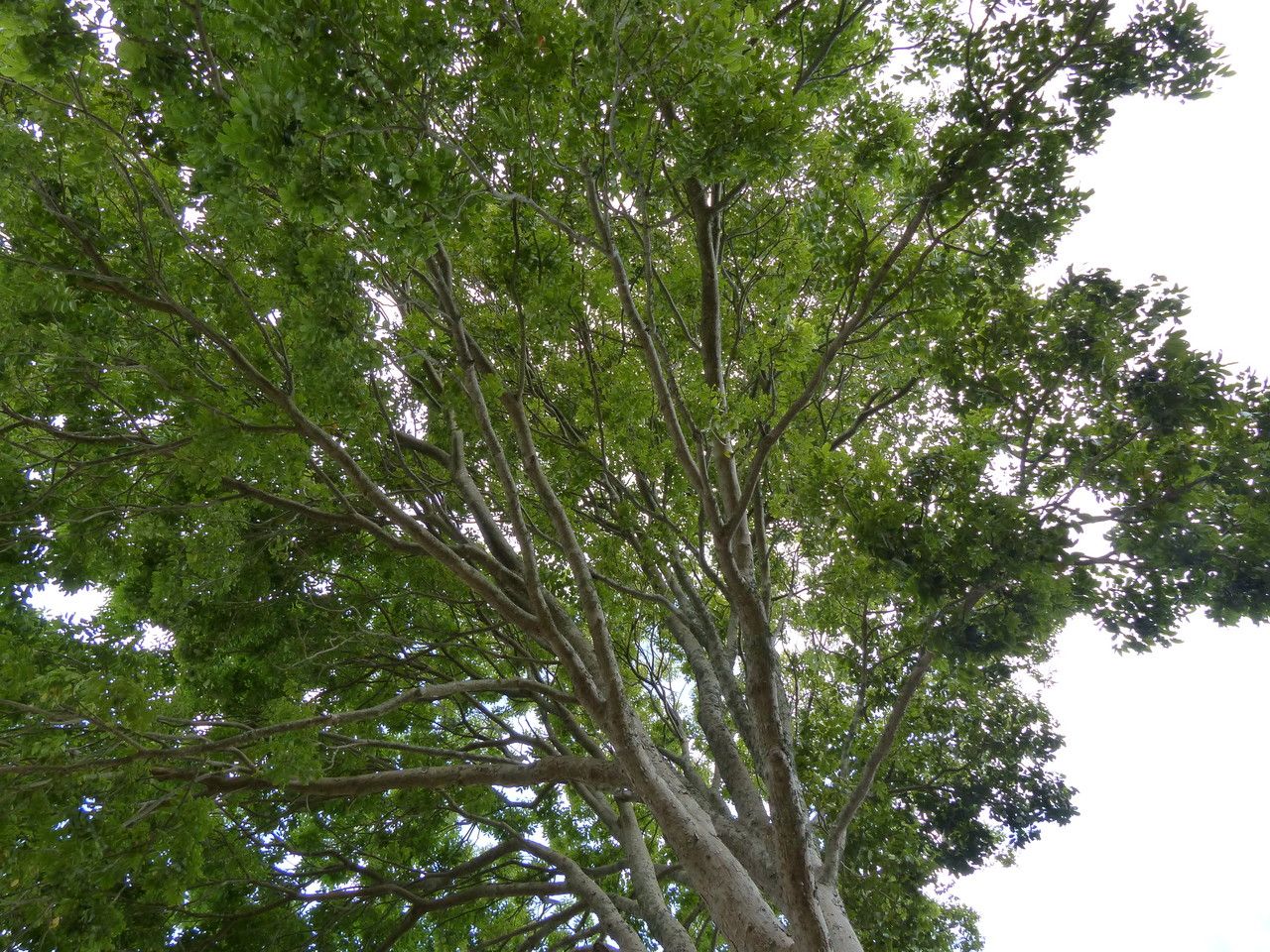
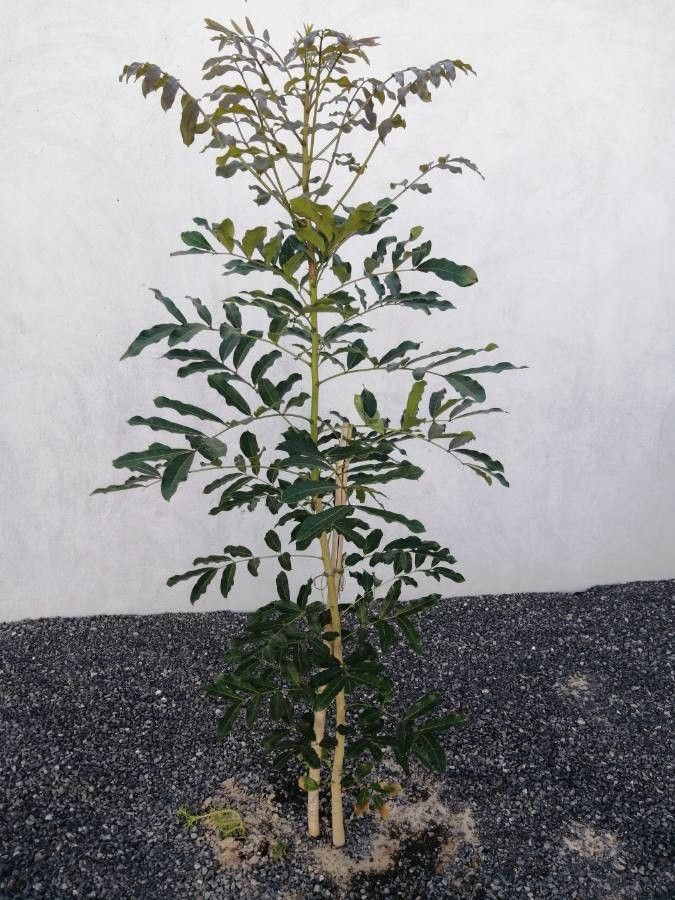
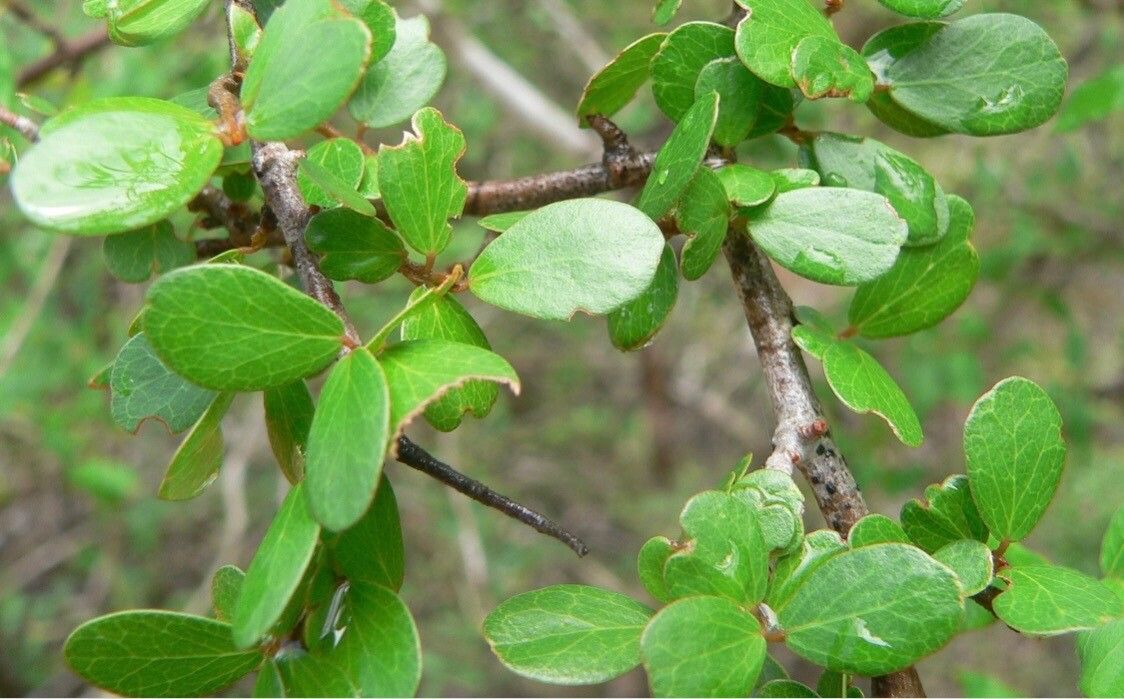
Khaya anthotheca, commonly known as African mahogany, is a large deciduous tree that belongs to the Meliaceae family. Native to tropical Africa, it can be found in countries such as Cameroon, Ghana, Ivory Coast, and Nigeria. The tree can grow up to 60 meters tall, with a trunk diameter reaching up to 2 meters.
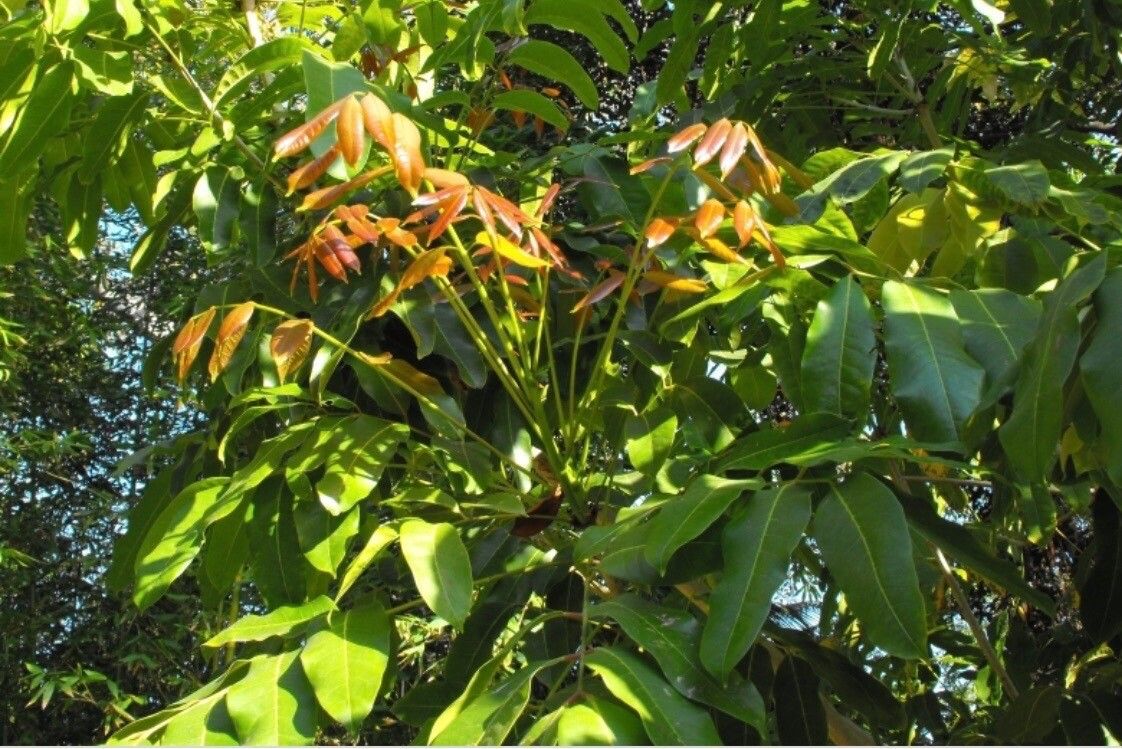
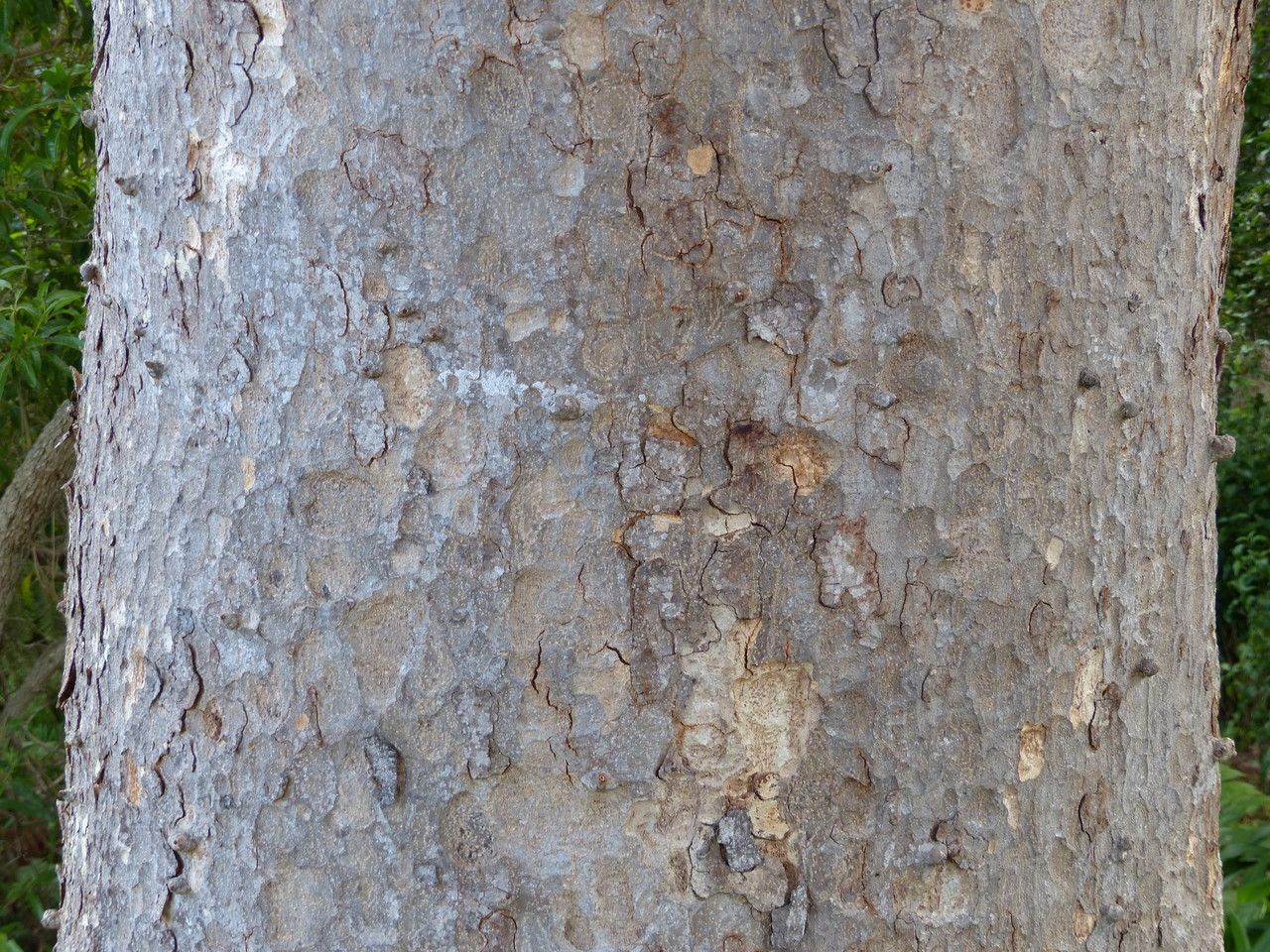
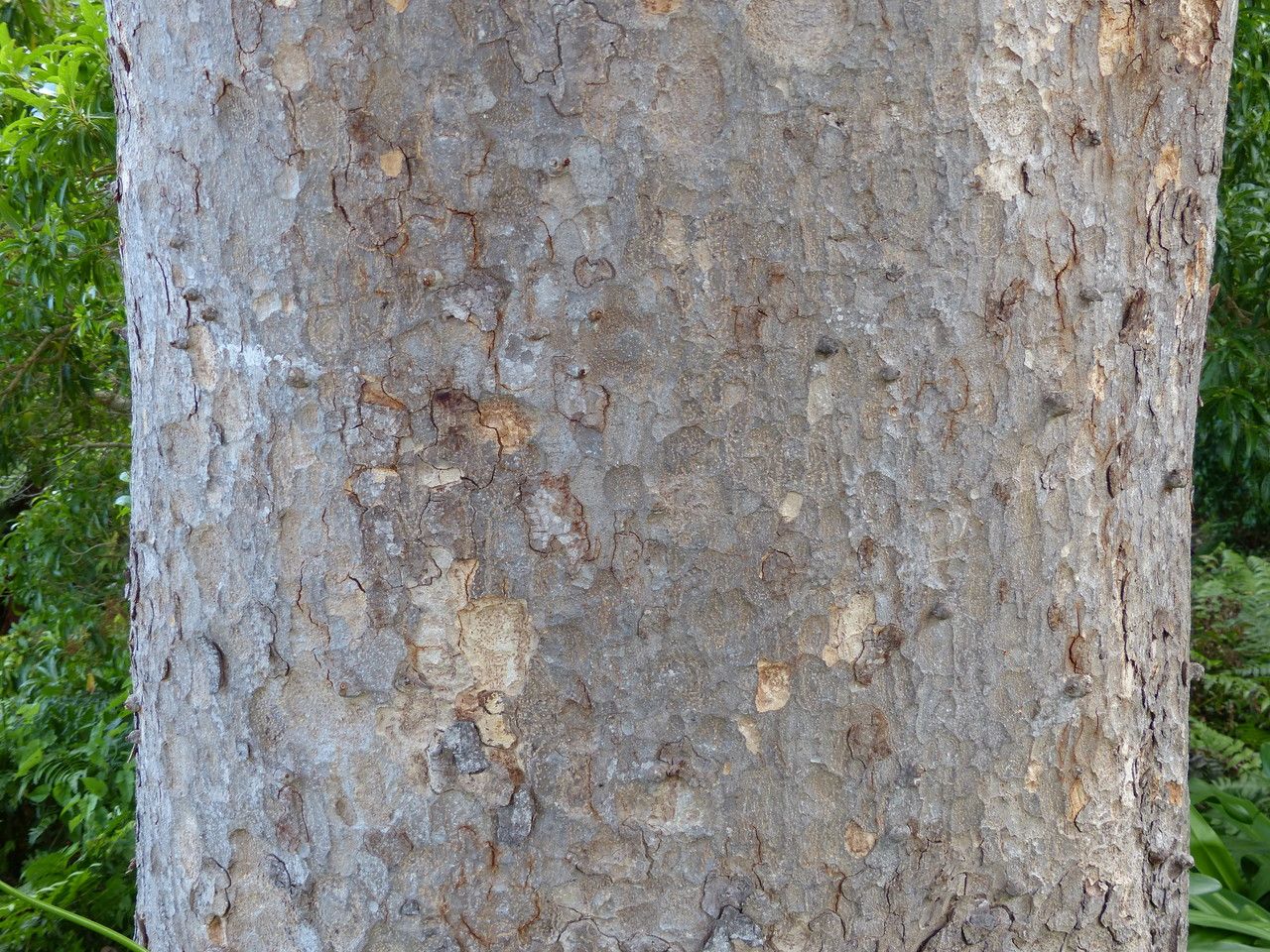
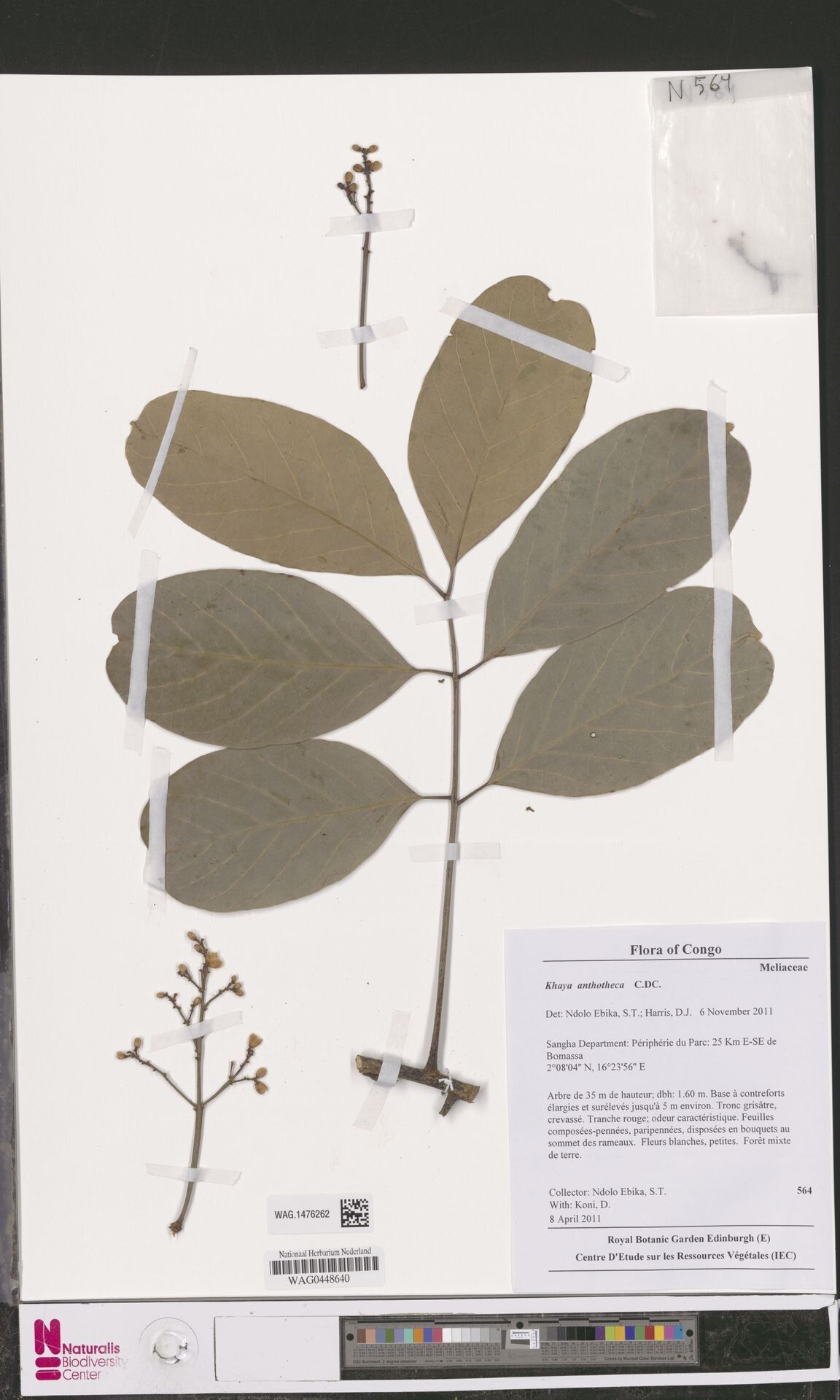
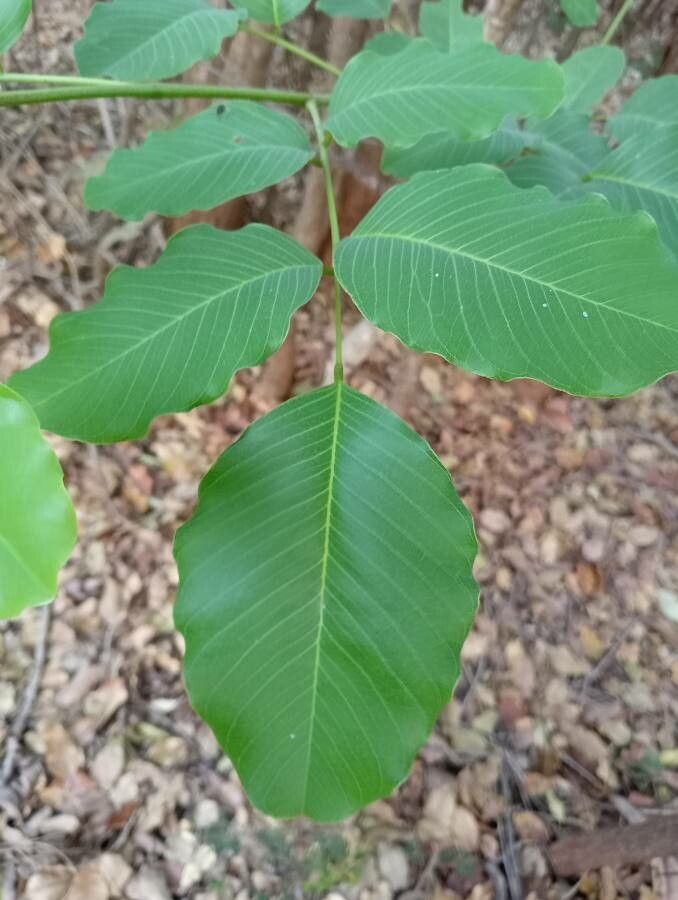
The bark of Khaya anthotheca is grey-brown in color and features deep vertical fissures. Its compound leaves consist of 4 to 6 pairs of dark green, glossy leaflets. The tree produces small white flowers that are arranged in large clusters at the ends of branches.
The wood from Khaya anthotheca is highly valued for its durability, strength, and attractive appearance. It has been used for centuries in furniture making, boat building, and construction.
Khaya anthotheca also possesses medicinal properties. Traditionally, its bark extract has been used as an anti-inflammatory agent, while the leaves have been utilized to treat fever.
Despite its numerous uses, Khaya anthotheca faces threats from deforestation due to logging activities. Consequently, it is listed as vulnerable on the IUCN Red List of Threatened Species. Conservation efforts, such as reforestation programs, are being implemented by various organizations across Africa to preserve this valuable species for future generations.
Botanical profile.
Other names.