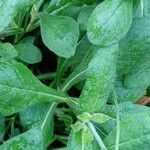
Knautia macedonica
Crimson pincushion flower · Thunder and Lightning · Verbena · Macedonian Scabious · Balkan Knautia
Description
Source: leafsnapKnautia macedonica, commonly known as Macedonian scabious, is a herbaceous perennial plant in the Caprifoliaceae family. Native to the Balkans, it thrives in meadows, rocky slopes, and woodland edges. The plant reaches up to 60 cm in height and has a clump-forming habit with basal rosettes of deeply lobed leaves. From early summer to autumn, it produces deep crimson-red, pincushion-like flowers on long stems that rise above the foliage. Knautia macedonica is easy to grow and prefers full sun or partial shade in well-drained soil. It attracts bees, butterflies, and other pollinators, making it an excellent addition to any garden or wildlife area.
Care Guide
💧 Water Every 7 days
The Crimson Pincushion Flower, native to dry grasslands, has a moderate tolerance for drought conditions. It thrives best with balanced watering, ideally on a weekly schedule. For indoor cultivation, use well-draining soil to prevent root rot. Outdoors, this plant grows as an herbaceous perennial and requires careful watering during its active growing season to ensure optimal flowering.
☀️ Light Full sun
The crimson pincushion flower is a sun-loving perennial herbaceous plant that comes from open habitats and frequently does well in meadows and grasslands. It favors full sun but can also tolerate partial sun.
🌡️ Temperature 5–35°C
Crimson pincushion flower can adjust to a wide range of temperature conditions, though its distribution may still be restricted by different combinations of moisture and heat. It performs best in warm summer climates with adequate rainfall or watering. Prolonged stretches of cloudy, rainy weather and extended high temperatures both raise the chance of the Crimson pincushion flower dying. In winter, providing proper protection from the cold can improve the plant’s survival rate.
💨 Humidity
🪴 Soil 6-8
🌱 Fertilizer
The best time to fertilize a Crimson pincushion flower is in early spring, as it comes out of dormancy and begins active growth. Fertilizing supplies essential nutrients for healthy growth. Although the Crimson pincushion flower needs relatively little fertilizer, an annual application can improve its survival and encourage better, longer-lasting blooms.
🪴 Pot & Repot 2-3 years
The crimson pincushion flower is a bushy perennial that should be repotted every 2 to 3 years, ideally in early spring. When repotting, choose a larger container and use well-draining soil. After repotting, provide moderate watering to promote recovery and growth. Be sure to handle the plant carefully throughout this process.
✂️ Pruning
The crimson pincushion flower showcases vibrant crimson blooms and thrives best when pruned between early and late spring. To promote healthy growth, remove dead stems and spent flowers using clean tools. This will improve both the plant's appearance and vitality. Avoid heavy pruning until the plant is well-established.
🌿 Propagating
🐛 Diseases & pets
☠️ Toxicity
Characteristics
- Plant Type
- Herb
- Life Cycle
- Perennial
- Genus
- Knautia
- Family
- Caprifoliaceae
- Hardiness Zone
- 5-9
- Mature Height
- 76 cm
- Mature Spread
- 46 cm
- Leaf Color
- Green
- Leaf Type
- Deciduous
- Flower Color
- Red, Pink, Purple
- Flower Size
- 3.05 cm to 5.08 cm
- Bloom Time
- Late spring, Summer, Fall
- Planting Time
- Spring, Summer, Autumn
- Harvest Time
- Mid summer, Late summer, Fall, Early winter
- Native Area
- Romania, Bulgaria, Albania, Greece, Serbia