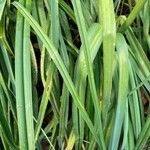
Kniphofia linearifolia
Common red hot poker · Candy Corn Flower
Description
Source: leafsnapRed hot poker plants (Kniphofia) are herbaceous perennials native to South Africa. With over 60 species in this genus, most of which are hybrids, the plants are popular for their tall, striking, bright flower spikes. They are also known as torch lilies because of the vibrant red, orange, and yellow blooms. Some dwarf cultivars have become popularized because of the clumping foliage and compact size, maturing at only 2 feet tall.
Care Guide
💧 Water Every 5-7 days
Water your red hot poker plants to maintain evenly moist soil, especially after planting. However, established have moderate watering needs and will require less frequent hydration as it matures.
☀️ Light Full sun
The common red hot poker is a sun-loving, herbaceous perennial native to open habitats and commonly found in meadows and grasslands. It prefers full sun but can also tolerate partial sun.
How much sunlight does a Common red hot poker (Kniphofia linearifolia) need?
A Common red hot poker (Kniphofia linearifolia) requires a specific amount of sunlight depending on the type of sun exposure. For full sun exposure, it needs above 6 hours of sunlight daily. If it's partial sun exposure, it requires about 3-6 hours of sunlight. It's important to observe the movement of sunlight through your garden to choose the ideal spots that provide a perfect balance of light and shade, ensuring that your plants thrive.
🌡️ Temperature 15–35°C
Common red hot poker can tolerate a wide range of temperature conditions, but its distribution may still be restricted by particular combinations of moisture and heat. It does best in warm summer climates with sufficient rainfall or irrigation. Extended periods of cloudy, rainy weather, as well as prolonged high temperatures, increase the chance of the plant dying. In winter, proper protection from cold can raise its survival rate.
What is the botanic name of the Common red hot poker?
The botanic name of the Common red hot poker is Kniphofia linearifolia.
💨 Humidity
🪴 Soil 6-7
🌱 Fertilizer
Typically, one fertilizer application in spring is enough for Common red hot poker, though multiple feedings can maximize growth. Feed every month to six weeks. Fertilizing improves the leaves' appearance and function, helping maintain even color and a healthy texture. It also encourages root growth and nutrient uptake, supporting long-term plant health.
🪴 Pot & Repot
For a common red hot poker plant to thrive in a pot, it needs excellent drainage. This ensures proper water management and maintains root health.
✂️ Pruning
Pruning red hot pokers in early spring boosts air circulation and encourages new growth. After the flowers have bloomed, remove the spent flower stalks and trim the foliage lightly to maintain the plant’s shape. Regular pruning contributes to the plant's health and results in bright, vibrant blooms. Always use clean, sharp tools to prevent disease.
🌿 Propagating
🐛 Diseases & pets
☠️ Toxicity
Red hot poker plants are not poisonous to humans, pets, and livestock. Not only do these eye-catching plants provide a stunning display but they are also safe to grow around children and pets.
Characteristics
- Plant Type
- Herb
- Life Cycle
- Perennial
- Genus
- Kniphofia
- Family
- Asphodelaceae
- Hardiness Zone
- 7-10
- Mature Height
- 0.61 m to 1.22 m
- Mature Spread
- 30 cm to 61 cm
- Leaf Color
- Dark Green
- Leaf Type
- Evergreen
- Flower Color
- Orange, Yellow
- Flower Size
- 2.03 cm to 3.05 cm
- Bloom Time
- Summer
- Planting Time
- Spring, Summer, Autumn
- Harvest Time
- Early fall, Mid fall
- Native Area
- Malawi, Lesotho, Mozambique, South Africa, Eswatini, Zimbabwe