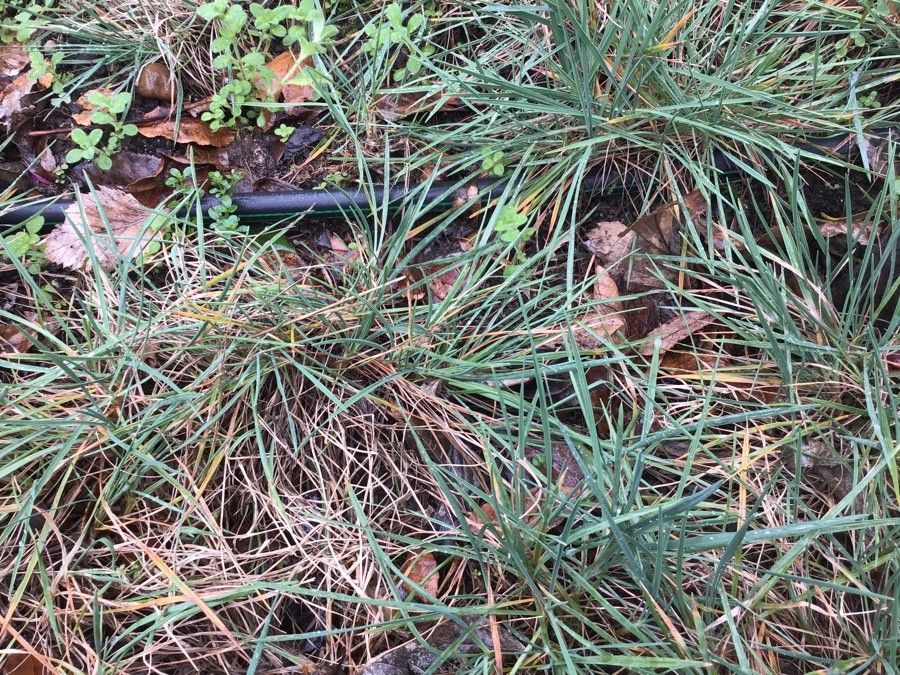
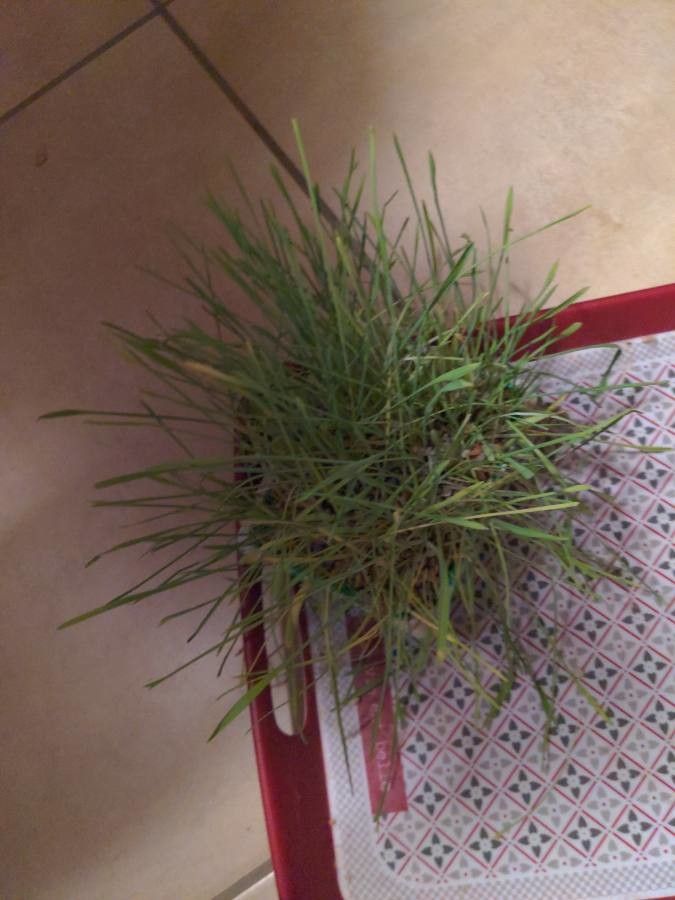
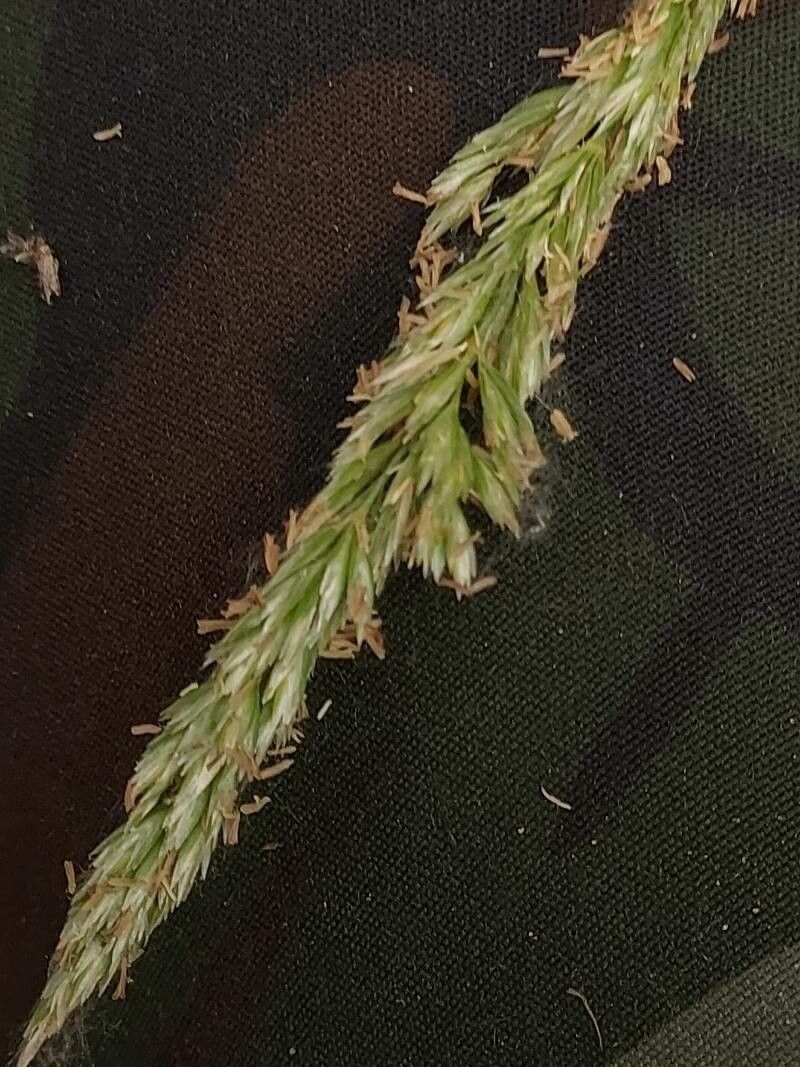
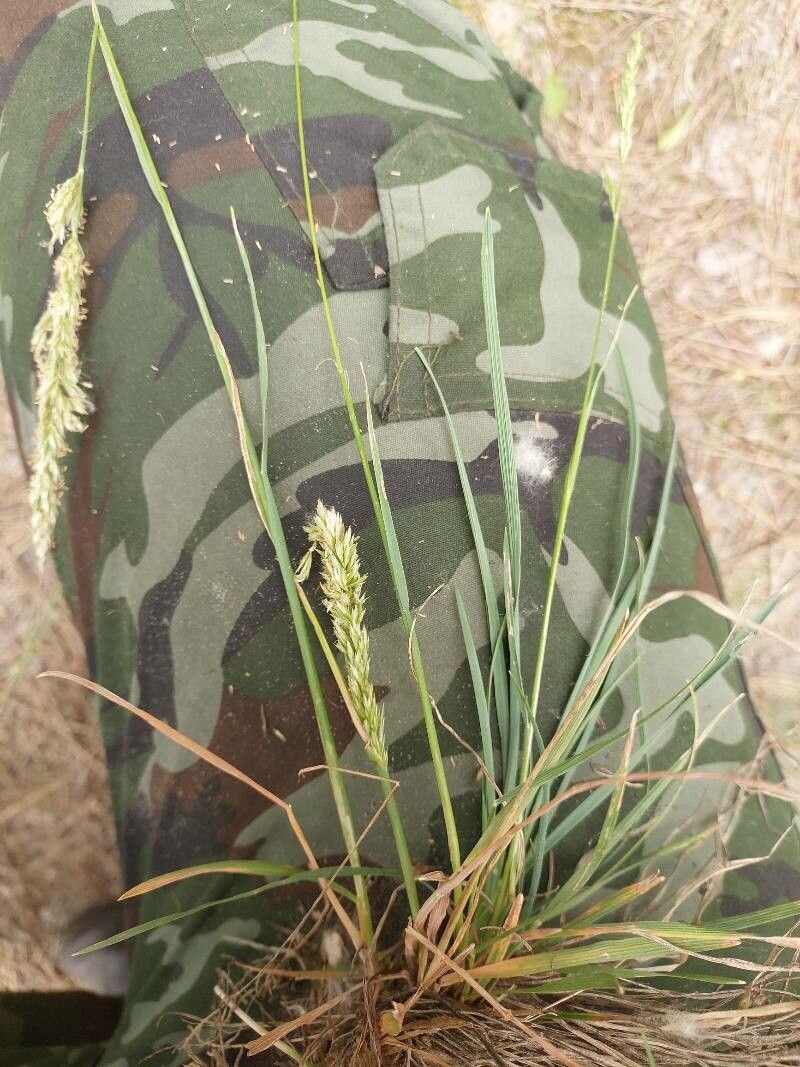
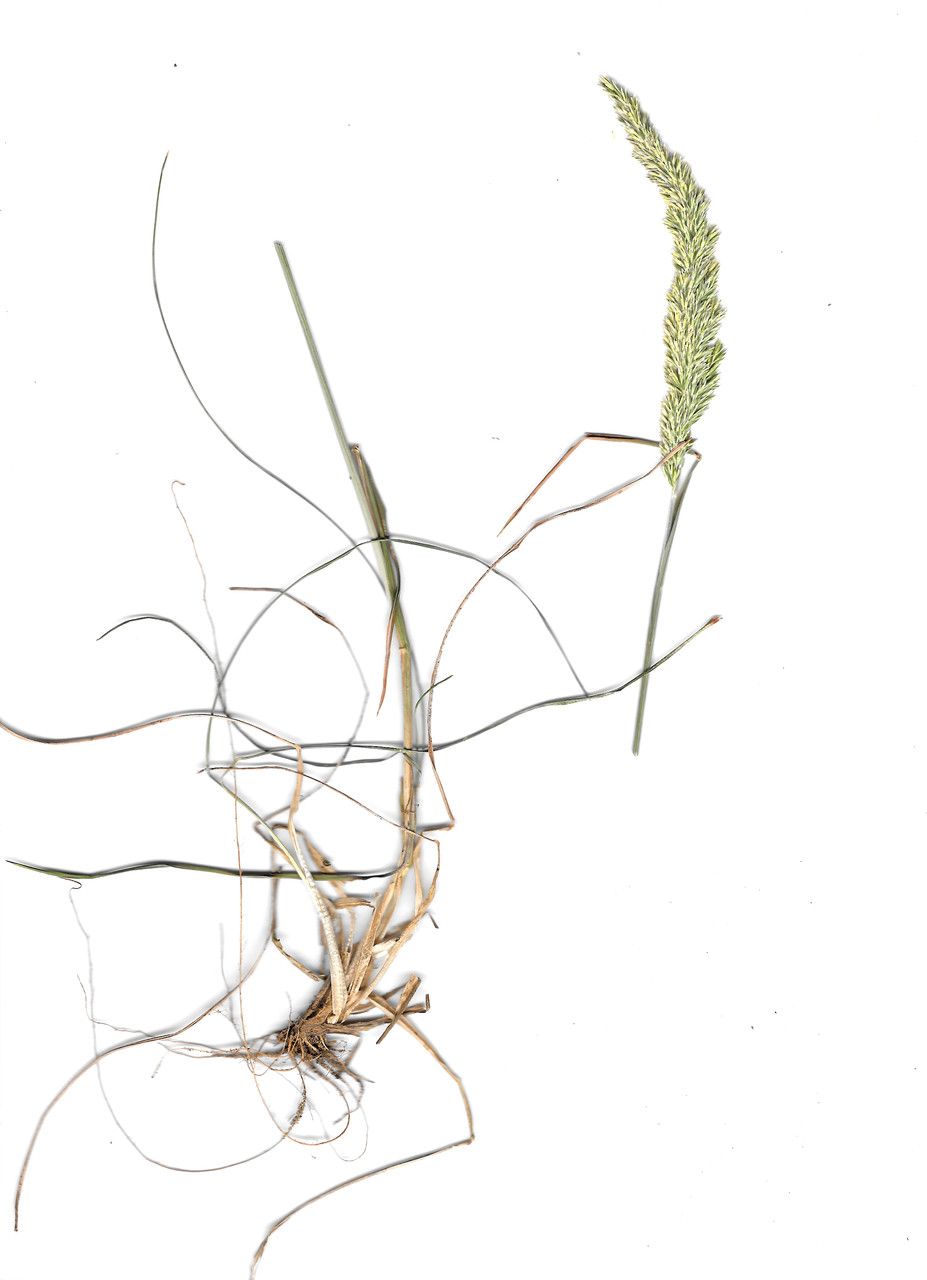
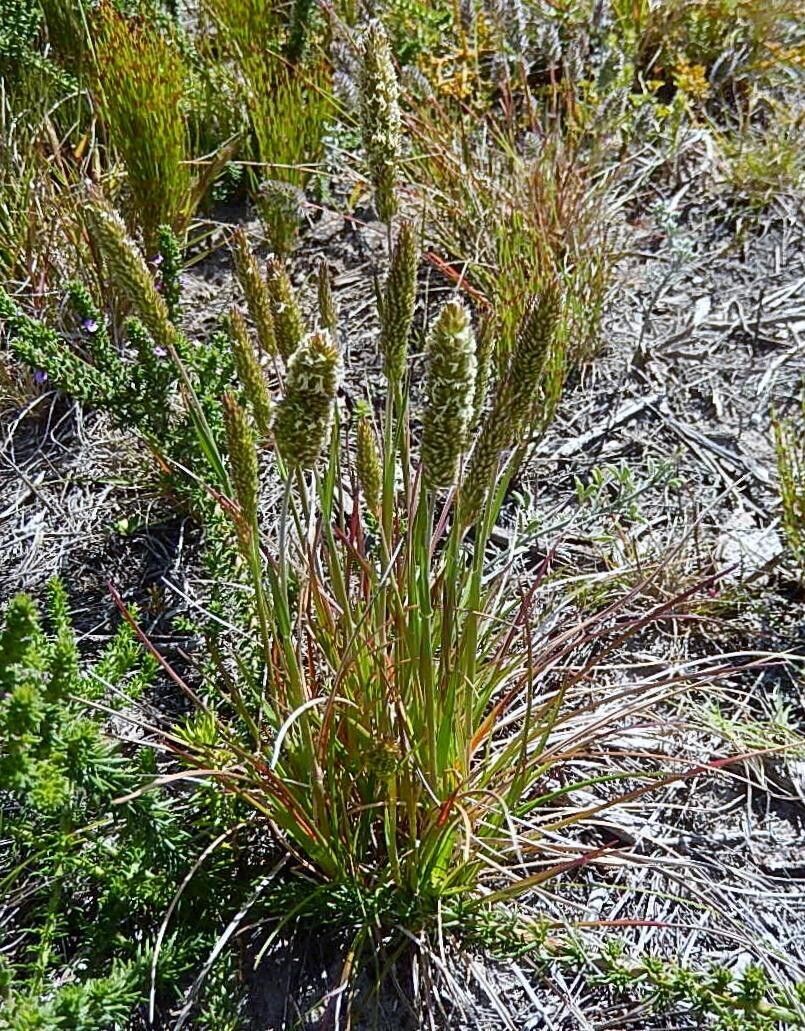
Koeleria glauca, commonly known as blue hair grass, is a perennial grass native to Europe and Asia. It typically grows in dense tufts, reaching heights of up to 60 cm. The leaves are narrow, bluish-green, and slightly rough in texture.
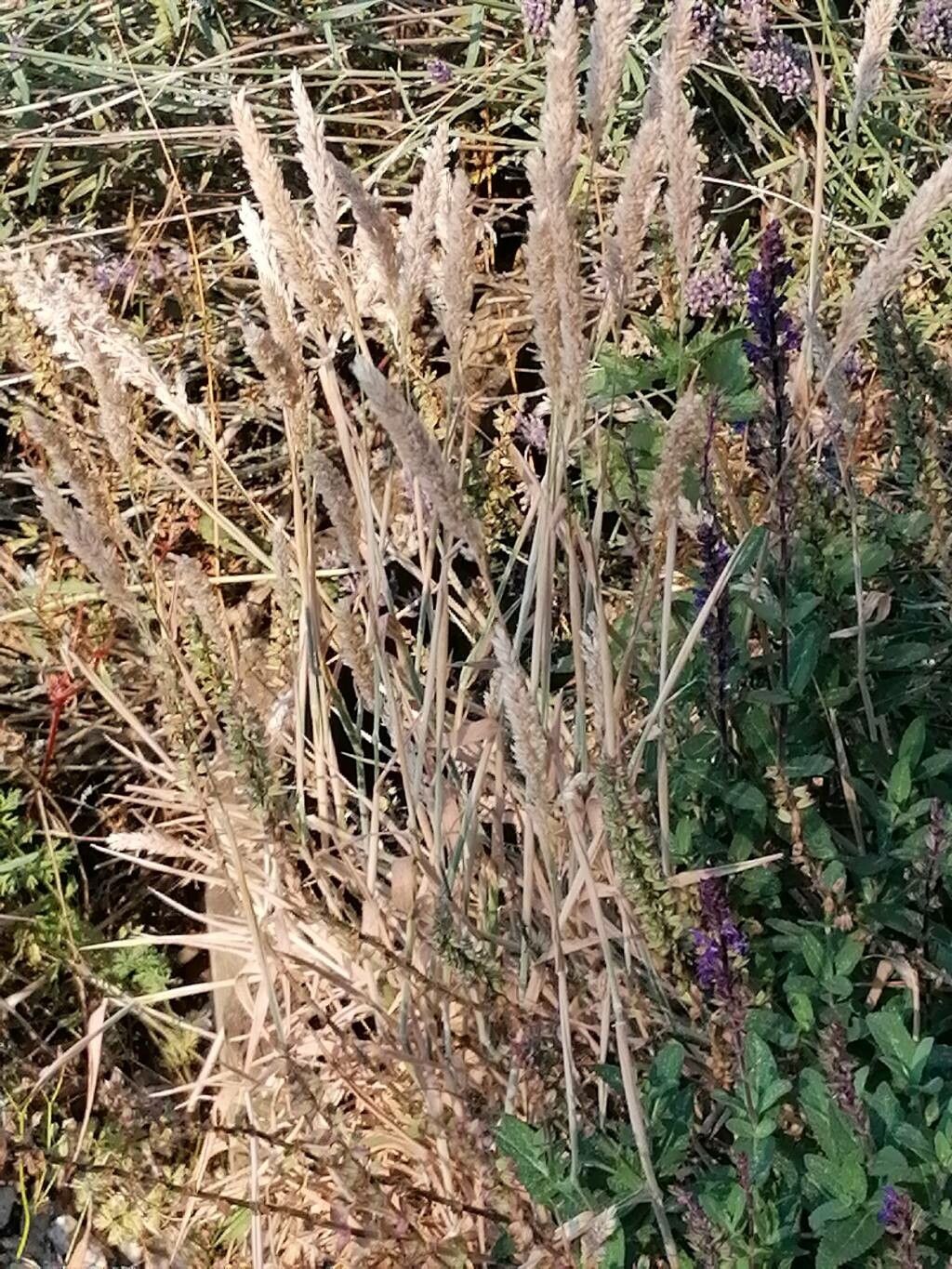
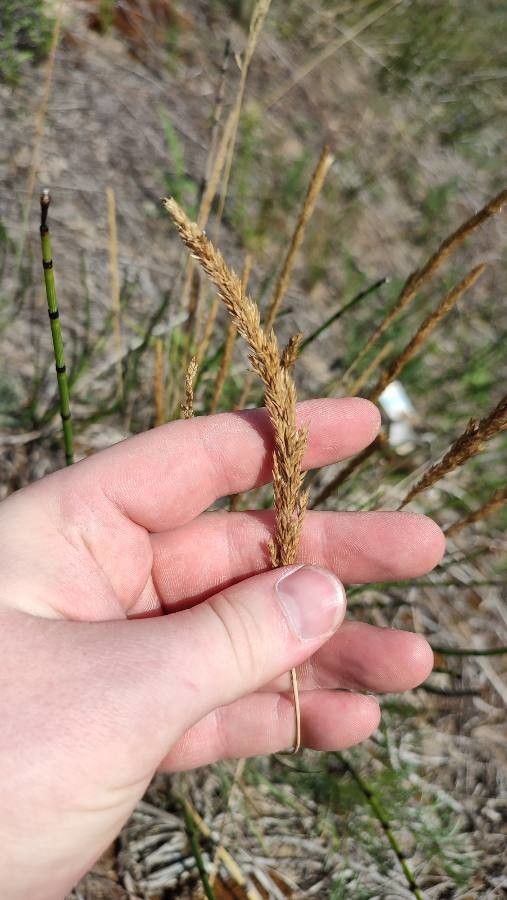
In late spring or early summer, blue hair grass produces attractive flower spikes that emerge from the center of the tuft. While the flowers are small and inconspicuous, they develop into delicate seed heads that enhance the plant's interest throughout the summer.
This grass is ideal for use as an ornamental plant in gardens or landscapes, thanks to its appealing foliage color and texture. It thrives in well-drained soils with full sun exposure but can tolerate some shade.
Once established, blue hair grass requires minimal maintenance, making it an excellent choice for low-maintenance landscapes or naturalized areas. It also exhibits some drought tolerance but benefits from occasional watering during prolonged dry spells.
Overall, Koeleria glauca is an attractive ornamental plant with low maintenance needs, adding interest and texture to gardens or landscapes throughout much of the growing season.
Blue hairgrass shows strong resistance to disease and is usually not vulnerable to illnesses. As for care, this plant is fairly low-maintenance. Planted outdoors, it needs only light watering, and larger specimens typically do not require pruning. Smaller plants, however, should be pruned after they have finished blooming. Blue hairgrass is appropriate for anyone with an outdoor area, like a garden or deck, and it does not demand extensive care experience.
How to keep Koeleria Glauca.
Light
Blue hairgrass is a sun-loving, perennial herbaceous plant native to open habitats and commonly found in meadows and grasslands. It prefers full sun but can also tolerate partial sun.
Water
Blue hairgrass flourishes in well-drained soil that maintains consistent moisture levels, similar to the moderate rainfall of its native habitat. To ensure optimal growth, it should be watered weekly. As an evergreen plant, blue hairgrass keeps its leaves throughout the year. During the colder months, it’s important to manage watering carefully to prevent overhydration.
Temperature
Blue hairgrass can tolerate a wide range of temperatures, but its distribution can still be restricted by different combinations of moisture and heat. It performs best in warm summer climates with sufficient rainfall or watering. Long stretches of cloudy, rainy weather or prolonged high temperatures increase the chance that Blue hairgrass will die. In winter, protecting it from cold improves its likelihood of survival.
Fertilizer
Blue hairgrass needs extra nutrients to encourage healthy new growth. In spring, spreading some compost around the plant’s base will effectively supply the nutrition it requires. Fertilizing supports vigorous growth and improves the plant’s resistance to diseases and pests.
Pruning
Blue hairgrass showcases slender blue-green leaves that should be pruned in early spring. Use clean tools to remove any dead stalks and spent flower heads. This encourages healthy growth and additional blooms, improving both the plant's appearance and longevity while supporting its natural growth cycle.
Pot & Repot
When repotting Blue hairgrass, select a pot 1-2 inches (2.5–5.1 cm) larger with good drainage. Use a well-draining potting mix. Repot in spring or fall, making sure the root ball sits slightly below the rim of the pot. Water thoroughly after repotting and place in a warm spot with indirect sunlight.
Botanical profile.
- Plant Type
- Grass
- Life Cycle
- Perennial
- Genus
- Koeleria
- Family
- Poaceae
- Hardiness Zone
- 4-9
- Mature Height
- 15 cm to 61 cm
- Mature Spread
- 15 cm to 30 cm
- Leaf Color
- Green, Gray, Silver
- Leaf Type
- Semi-evergreen
- Flower Color
- Green, Gray, Silver
- Flower Size
- 0.25 cm to 0.51 cm
- Bloom Time
- Early summer, Mid summer
- Planting Time
- Spring, Autumn
- Harvest Time
- Mid summer, Late summer
- Native Area
- Sweden, Austria, Czech Republic, Slovakia, Poland, Croatia, Belarus, Ukraine, Russia, Lithuania, Hungary, Germany, Kazakhstan, Denmark, Netherlands, Estonia, Mongolia, United Kingdom, Romania, Latvia, Belgium, France
Other names.