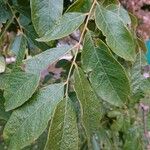
Koelreuteria elegans
Chinese flame tree · Flamegold · Golden rain tree · Flamegold tree
Description
Source: leafsnapKoelreuteria elegans, more commonly known as flamegold rain tree or Taiwanese rain tree, is a deciduous tree 15–17 metres tall endemic to Taiwan. It is widely grown throughout the tropics and sub-tropical parts of the world as a street tree. It flowers in early to mid-summer. Flowers are small, to 20 mm in length, and occur in branched clusters at the stem tips. They are butter-yellow with five petals that vary in length until opening. Each flower contains seven to eight pale yellow stamens with hairy white filaments. The fruit is a brown-purplish three-lobed capsule that splits to reveal a number of black seeds. It is a declared weed in many parts of the world, particularly Brisbane, Australia and in Hawaii.
🌳 Flamegold rain tree is valued for its decorative qualities, especially in urban settings. Its tolerance of pollution and pests makes it a preferred option for city planners. Additionally, the flamegold rain tree is employed in the tanning industry, where its sturdy leaves act as a natural source of tannins for leather processing.
Care Guide
💧 Water Every 2 weeks
The flamegold rain tree comes from regions that experience both wet and dry seasons, enabling it to adapt to changing water availability. Once established, this tree is drought-tolerant and needs watering only every two weeks. It thrives outdoors, particularly in temperate climates with seasonal rainfall patterns similar to its native environment.
What's the best way to give water to my Flamegold rain tree?
To ensure excellent root development, place a garden hose at the base of the plant but avoid spraying the leaves directly. If the plants are outdoors and in direct sunlight, the leaves will need more water. Consider using bubblers or soaker hoses to moisten the roots. When adding or removing plants, use soaker hoses that cover the entire garden or bed to help roots grow deeply. Remember to drain any excess water and wait for the soil to dry before watering. Water at ground level to prevent diseases. On sunny days, consider spraying the entire bush with water. Whether potted or in-ground, keep in mind that the Flamegold rain tree prefers deep watering rather than light sprinkling.
What should I do if I give too much/not enough water to the Flamegold rain tree?
An overwatered Flamegold rain tree may display yellow, dropping, and wilting leaves. The plant may also look dull and unhealthy, with mushy stems. When these signs appear, it's best to adjust your watering schedule. Additionally, wilting can also indicate under watering, characterized by crispy and dry leaves. In such cases, check the soil and water thoroughly if it's dry. While sufficient watering will help the Flamegold rain tree recover, it may still appear dry with yellow leaves due to root damage. Once it returns to normal, the yellowing of leaves will stop. When keeping the Flamegold rain tree indoors, always monitor moisture levels and avoid overwatering. If you notice black spots, allow the soil in the pot to dry for a few days. Overwatering can lead to root rot, so consider transferring the plant to a different pot if you observe discolored and slimy roots. Prevent root rot by avoiding excessively soggy soil. When planting the Flamegold rain tree outdoors, check the soil moisture by digging a little deeper. If the soil feels too dry, it may indicate underwatering, requiring adequate watering for plant recovery.
How frequently should I water my Flamegold rain tree?
The Flamegold rain tree prefers deep and infrequent watering. It is recommended to soak them in a gallon of water, especially if they are planted in pots. Potted plants have limited water storage and the soil dries out quickly. In cold regions, watering is required every 3 to 5 days. Water the tree early in the morning when the soil is dry, whether it's indoors or outdoors. To determine if watering is needed, check the soil. If the top 2-3 inches are dry, it's time to water the plant thoroughly. On hot days, check the moisture daily as the heat can dry out the soil in the pot quickly. If you have a garden and live in a hot climate, water the rain tree once a week. Only water when you notice that about 2 to 3 inches of soil has become too dry. Take the amount of rainfall into consideration and avoid overwatering to prevent root rot. If there is a lot of rainfall, additional watering may not be necessary. The Flamegold rain tree typically grows during spring and fall. When the tree is outdoors, adding a layer of mulch 3 to 4 inches deep can help conserve water. Sandy soil requires more frequent watering, while clay soil can be watered less frequently to avoid root rot. You can mark the date on the calendar whenever you water and pay attention to drooping leaves, which may indicate that watering is needed.
How much water does my Flamegold rain tree need?
The Flamegold rain tree requires about a gallon of water on a regular schedule. For potted plants, water them deeply until you see water dripping from the bottom of the pot. Wait for the soil to dry before watering again. You can use a water calculator or moisture meter to determine how much water you've given your plant in a week. During the flowering period, provide plenty of water, but make sure the moisture evaporates to prevent root rot. If the Flamegold rain tree is planted outdoors and there is sufficient rainfall, it may not need additional watering. However, when the tree is young or newly planted, make sure it receives 1-2 inches of rain per week. As the tree grows, it can rely on rainfall alone. Only when the weather is extremely hot or there is no rainfall for 2-3 weeks should you consider giving the tree a full watering during cooler times of the day to prevent heat damage. Additional watering will be necessary during long dry spells.
Do I need to change how often I water my Flamegold rain tree depending on the time of year or the weather?
The Flamegold rain tree primarily relies on rainwater when grown outdoors, but may need additional watering during persistent dry weather. During the spring and fall, the soil should be kept moist but not overly wet, while alternating between dry and moist conditions benefits the tree's growth. In the hot summer months, water can evaporate quickly, so additional watering may be necessary if there is a lack of rainfall. Winter usually requires less water since the tree becomes dormant and loses its leaves. Well-draining soil, like terracotta, can help evaporate excess water. Once the tree starts to leaf out in the spring, watering can be skipped, relying on fall and winter rains to provide moisture during dormancy. For optimal growth and flowering, good drainage is essential and should be maintained year-round. If the tree is in a pot, regular watering is necessary, especially in the summer, while ensuring proper drainage to prevent cold and wet roots. It is important to water the entire root system deeply once or twice a week, avoiding shallow sprinkles that reach the leaves. Even during dormancy in the fall and winter, the tree should not be allowed to completely dry out. Avoid overwatering as it can lead to root rot, and a layer of mulch can be applied to promote healthy blooms and conserve water.
☀️ Light Full sun
Sustained by abundant sunlight, the flamegold rain tree thrives when it receives daily exposure to the sun’s rays. Native to regions with plentiful sunshine, it prospers in its naturally sun-drenched habitat. Insufficient light can stunt its growth, while excessive exposure may scorch its leaves.
How much sunlight does the Flamegold rain tree need to grow?
Tropical ornamental plants that thrive in full sun require at least 6 hours of direct sunlight each day. These plants are well-suited to areas with strong and direct sunlight, as they need this light to flourish. In their natural habitats, they tend to grow in open fields or along forest edges, where they can enjoy abundant sunlight all day long.
What happens if the Flamegold rain tree doesn't get enough sunlight?
Tropical ornamental plants that need full sun may face issues if they don't receive enough sunlight. They might become leggy and weak, and their leaves could turn yellow or pale. Furthermore, they may stop producing flowers. Ultimately, if these plants continue to lack the required amount of direct sunlight, there is a possibility that they may die.
What happens if the Flamegold rain tree gets too much sunlight?
Tropical ornamental plants that thrive in full sun require ample direct sunlight, but excessive exposure to intense sunlight can harm them. Prolonged periods of direct sunlight can cause sunburned leaves or the development of unsightly brown spots. Additionally, if the soil dries out too rapidly in full sun, these plants may become dehydrated.
How do you keep Flamegold rain tree from getting too much sunlight?
To protect tropical ornamental plants that thrive in full sun, it's important to find a spot with ample direct sunlight but some shield from the intense midday heat. If you're growing these plants in containers, you can move them to a shadier area during the hottest hours to shield them from excessive sunlight. Another option is to offer shade using a shade cloth or umbrella during the peak heat of the day.
🌡️ Temperature 20–37.8°C
Flamegold rain tree is a plant that does best in temperatures from 68 to 100.4 °F (20 to 38 ℃). These conditions reflect its native habitat, so colder regions may need adjustments. In winter, provide extra warmth with heaters or controlled environments.
What temperature is best for Flamegold rain tree?
To help your tropical plants thrive, it's best to maintain a temperature range of 75℉ to 90℉ (25-32℃). While different species can tolerate temperatures outside this range, sticking within a few degrees of these limits will ensure optimal growth. However, there are extreme temperature limits to be aware of. Anything below 50℉ (10℃) or above 95℉ (35℃) can hinder growth and cause issues with the leaves and stems. Low temperatures are particularly damaging, as even a light frost can lead to the death of your tropical plants. In fact, cellular death can occur rapidly, with some species dying within 12 to 24 hours.
Does the Flamegold rain tree need different temperatures at different stages of growth?
Flamegold rain tree can transition between growing phases without temperature changes, but consistency is key. Fluctuating temperatures can slow down its growth, regardless of its current phase. Therefore, it is best to keep the tree in a controlled environment. Maintaining an optimal temperature range between 75℉ and 90℉ (25-32℃) is crucial, with a focus on staying above the lower limit. While temperatures above 90℉ (32℃) are not ideal, the tropical plant can tolerate them to some extent. However, temperatures dropping below 50℉ (10℃), especially 40℉ (5℃), can cause direct damage to this heat-loving plant species.
Does the Flamegold rain tree require varying temperatures depending on the season?
The Flamegold rain tree does not require different temperatures for different seasons, making it easier to care for. The most important aspect of seasonal care is maintaining the optimal temperature range. Keeping this plant indoors is recommended because it allows you to control the temperature regardless of the outside climate. Additionally, light is crucial for tropical species, including the Flamegold rain tree. These plants thrive in a partial shade environment where the sunlight is dappled or filtered. Bright but indirect light is the ideal option when growing these plants indoors, as too much direct sunlight can harm the leaves and stunt growth.
What temperatures should you keep your Flamegold rain tree in to keep it healthy?
Here are three tips to help you take care of your plants: 1. Keep your plants away from windows during colder months: Cold air can leak into your home through cracks in the windows, and any plants placed near them will be affected. Move tropical plants to an area with bright but indirect light, while avoiding potential drafts. 2. Watch out for dry patches, which may indicate too much sunlight or heat: If you notice white or scorched leaves, your plant may be getting too much heat or sunlight. This can lead to dehydration and hinder growth. Dry spots can spread and eventually cause your plants to die if left unaddressed. 3. Be cautious of frost: Colder temperatures and frost can damage plants by disrupting their water circulation. This can lead to a lack of moisture in the stems and leaves. Look out for signs of hydrosis (a water-soaked appearance) and if the issue persists, the plant may shrivel and turn dark brown or black, eventually leading to death.
How should I keep my Flamegold rain tree at the right temperature?
In order to maintain the proper temperature range for Flamegold rain trees, it is important to monitor both the climate and humidity. To mimic its natural habitat, it is best to keep the tree in a room where you have access to climate control and can keep the temperature within the appropriate range. Additionally, humidity levels directly affect the temperature, so it is important to keep an eye on this as well. If necessary, you can increase humidity by using a humidifier or lightly misting the leaves with water. If you plan to grow the tree outside, it may be challenging to maintain the right temperature and humidity balance. If temperatures drop or the air becomes too dry, it is recommended to bring the plant indoors to a room where you can control the climate more closely and ensure optimal growth.
💨 Humidity
🪴 Soil 5-7
🌱 Fertilizer
The best time to fertilize a Flamegold rain tree is in early spring when it comes out of dormancy. This encourages overall growth and flower development. Fertilizing improves the foliage, stems, and branches, and promotes flowers that are large, vibrant, and long-lasting. It also helps move nutrients from the roots to the flowers and enhances the plant’s health and resistance to disease.
Why should I put fertilizer on my Flamegold rain tree?
Fertilization plays a crucial role in maintaining the overall health and well-being of a Flamegold rain tree. By providing the necessary energy and nutrients, the tree can develop abundant foliage and robust stems and branches. Gardeners particularly value the flowers of the Flamegold rain tree, and fertilization is beneficial in ensuring that these flowers are not only large and vibrant, but also long-lasting. This is because the right fertilizer facilitates the efficient transport of fuel from the roots to the flowers through the stems. Additionally, proper fertilization helps to keep the overall health of the tree in good condition, enhancing its ability to resist diseases.
When should I fertilize my Flamegold rain tree for the best results?
To effectively fertilize a Flamegold rain tree, the best time is during early spring when the plant is transitioning out of dormancy and preparing for bud growth. Feeding at this time will provide the necessary energy for overall growth and flower development. However, it is also beneficial to do a smaller feeding at the end of the season in fall. Fertilizing during planting is optional and not always required by gardeners.
When is it not a good time to add fertilizer to my Flamegold rain tree?
During winter, you don't need to fertilize your Flamegold rain tree since it is in a dormant phase and doesn't require much energy from the soil to grow. Fertilizing during this time can lead to overfertilization and negative effects. The best times to feed your Flamegold rain tree are early spring and fall. Therefore, during most of the spring and summer, fertilization is not necessary. It's also advisable to avoid feeding if the plant is exposed to excessively hot or dry conditions.
What kind of plant food does my Flamegold rain tree need?
When fertilizing Flamegold rain tree plants, it is generally recommended to use a specific type of fertilizer rather than a general-purpose one. Nitrogen and phosphorus are the most important nutrients for these plants, so the fertilizer you use should have higher amounts of these compared to potassium. Ideally, a fertilizer with an N-P-K ratio of 10-10-8 or something similar should work well. However, it can also be beneficial to use organic materials like compost for one of your annual feedings. If you opt for fertilizer, granular fertilizer is commonly used for Flamegold rain trees.
How can I add fertilizer to my Flamegold rain tree?
Fertilizing your Flamegold rain tree is a simple task that any gardener can do, even with limited experience. To apply granular fertilizer, just sprinkle it on the soil after moistening it with water. You can also improve the soil by adding organic material like compost or manure. To do this, place the material on top of the soil and use a hand rake to gently work it into the first few inches without disturbing the roots.
🪴 Pot & Repot
✂️ Pruning
The Flamegold rain tree is known for its vibrant yellow flowers and should be pruned in early spring. Important techniques for pruning include removing dead branches and thinning crowded areas to improve airflow. These practices encourage healthy growth, help maintain the tree’s shape, and make garden management easier.
🌿 Propagating
🐛 Diseases & pets
☠️ Toxicity
Characteristics
- Plant Type
- Tree
- Life Cycle
- Perennial
- Genus
- Koelreuteria
- Family
- Sapindaceae
- Hardiness Zone
- 9-11
- Mature Height
- 14.94 m to 17.07 m
- Mature Spread
- 9.14 m to 14.94 m
- Leaf Color
- Light Green, Dark Green
- Leaf Type
- Deciduous
- Flower Color
- Yellow
- Flower Size
- 0.51 cm
- Bloom Time
- Early spring, Mid spring, Late summer, Fall, Winter
- Planting Time
- Spring, Autumn
- Harvest Time
- Late spring, Early summer, Mid summer