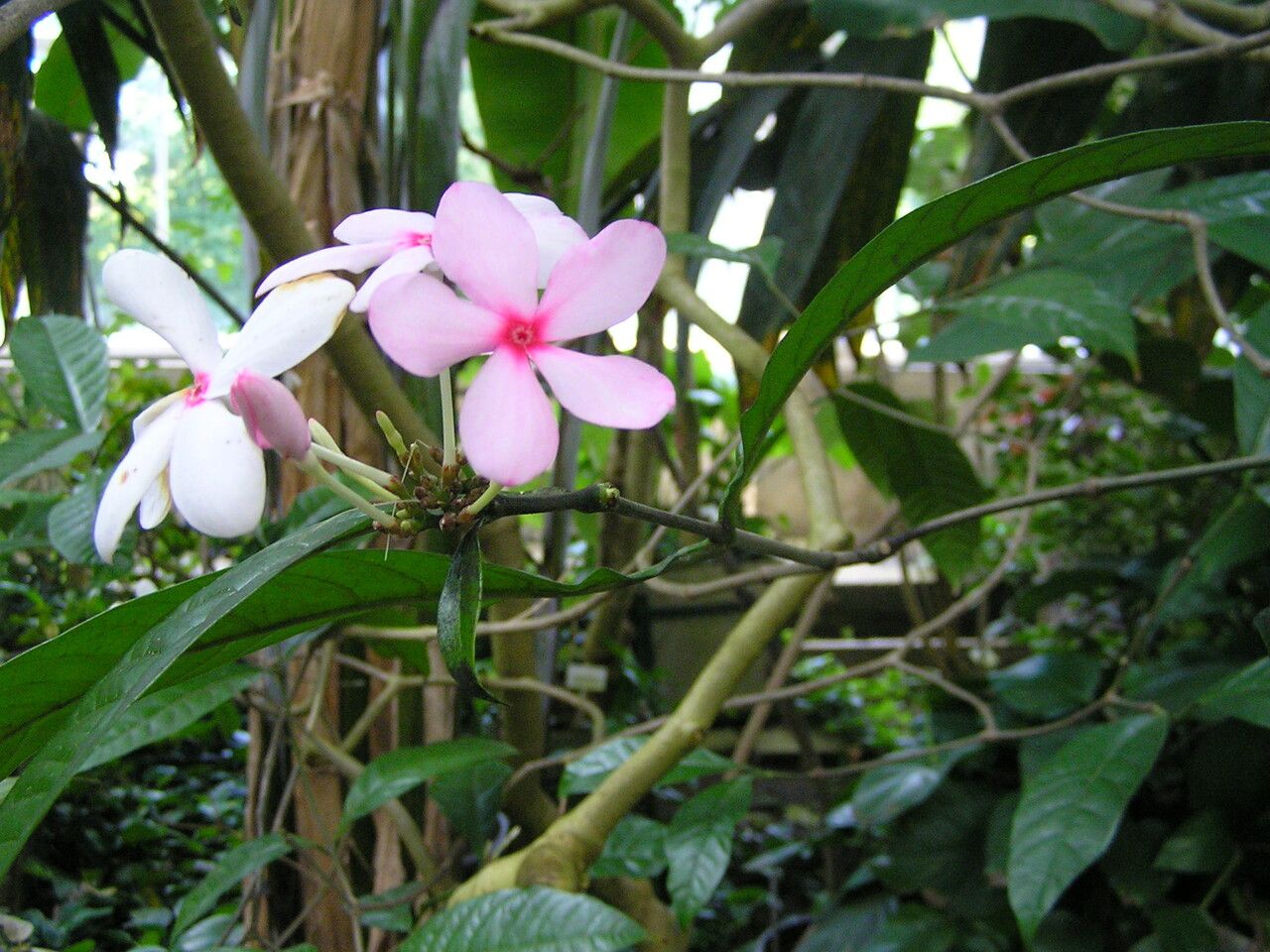
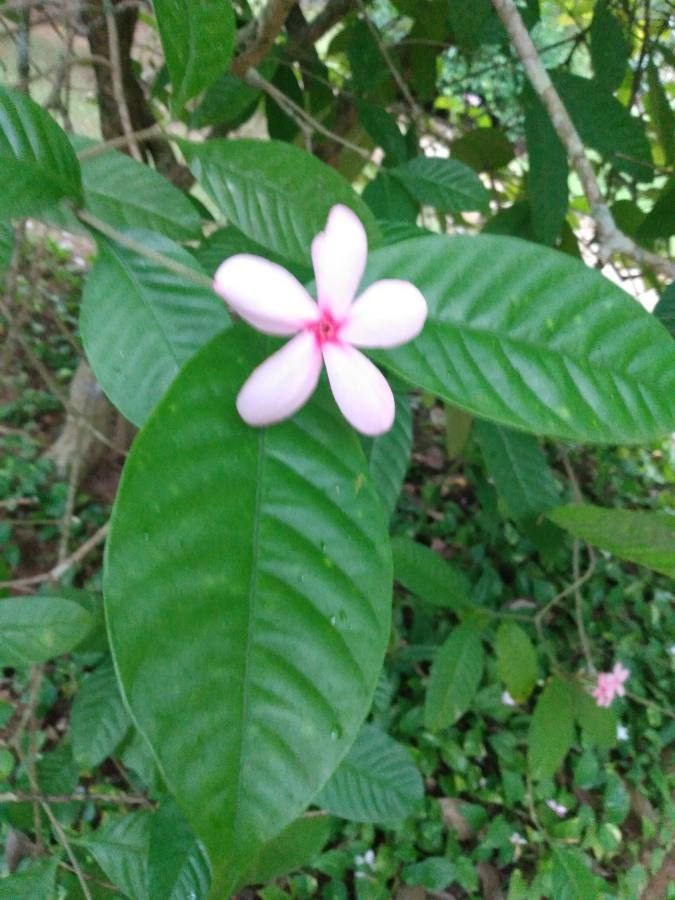
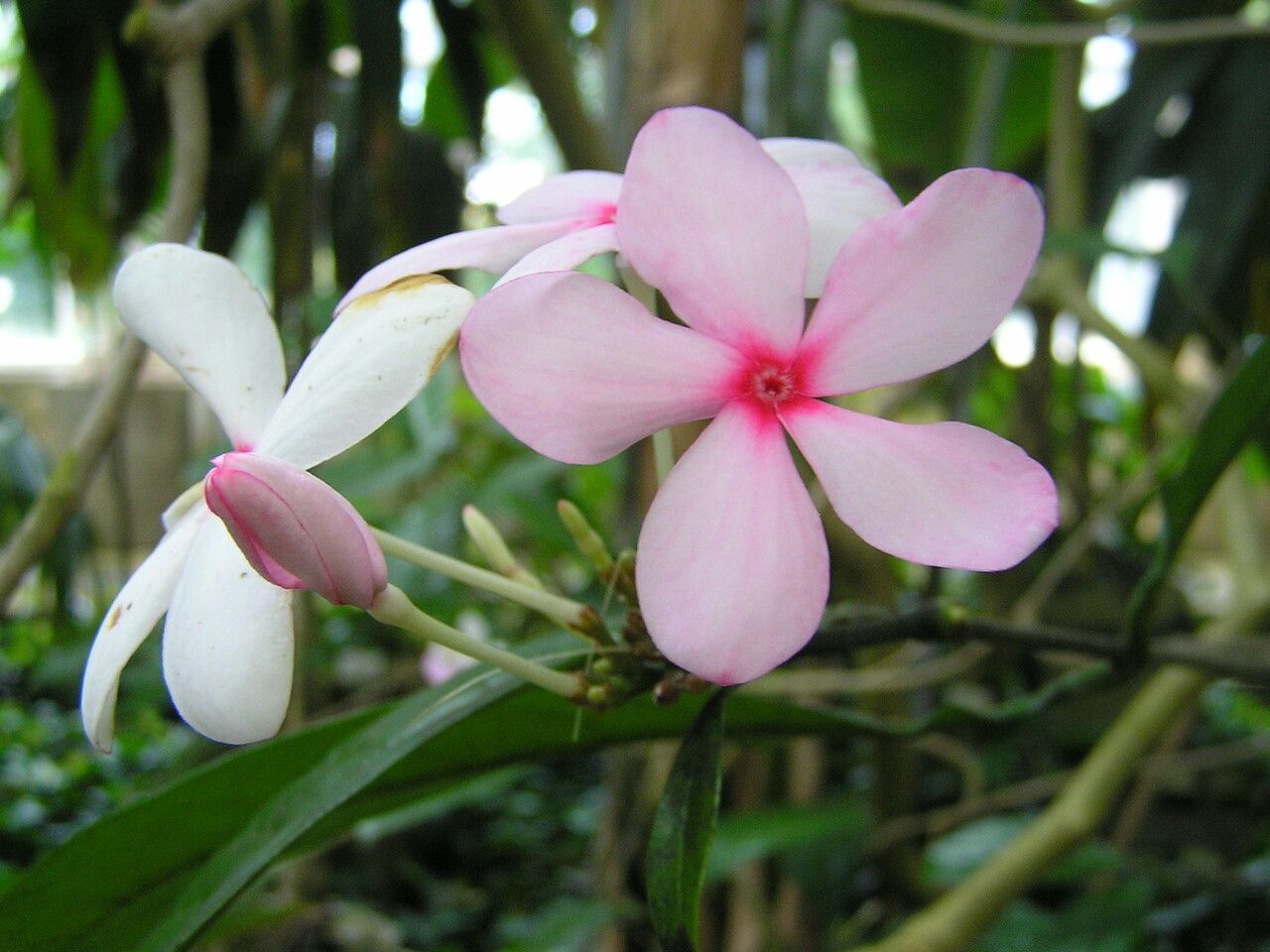
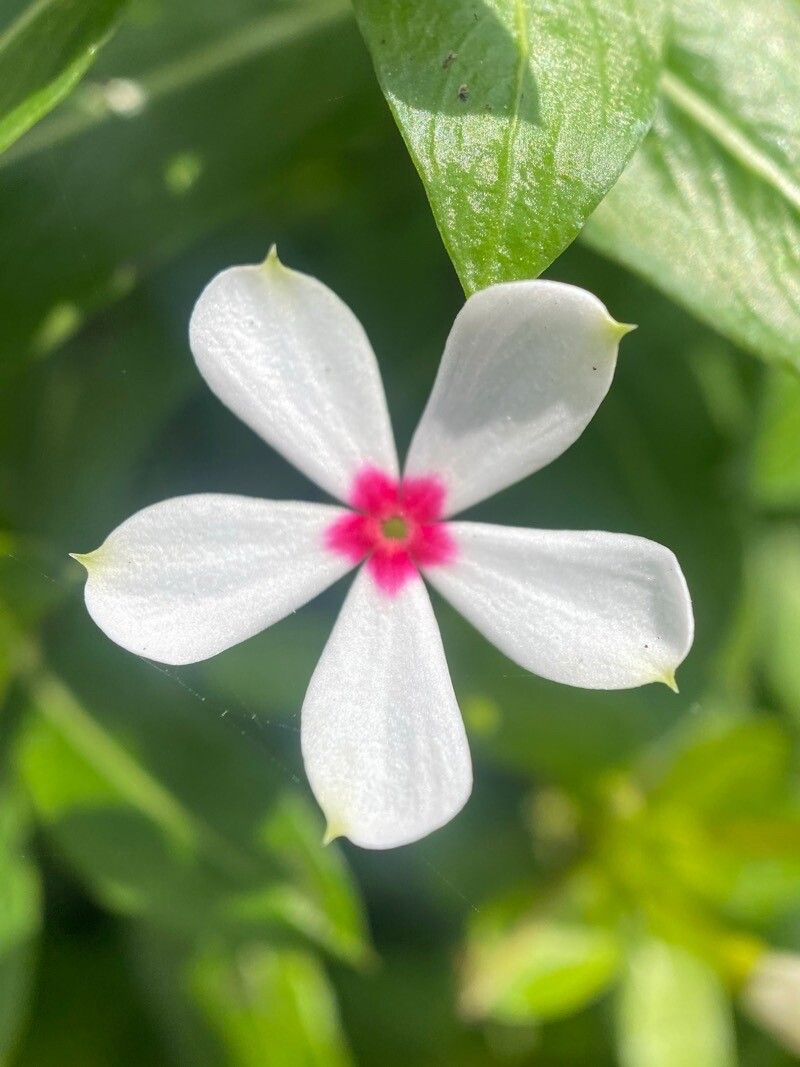
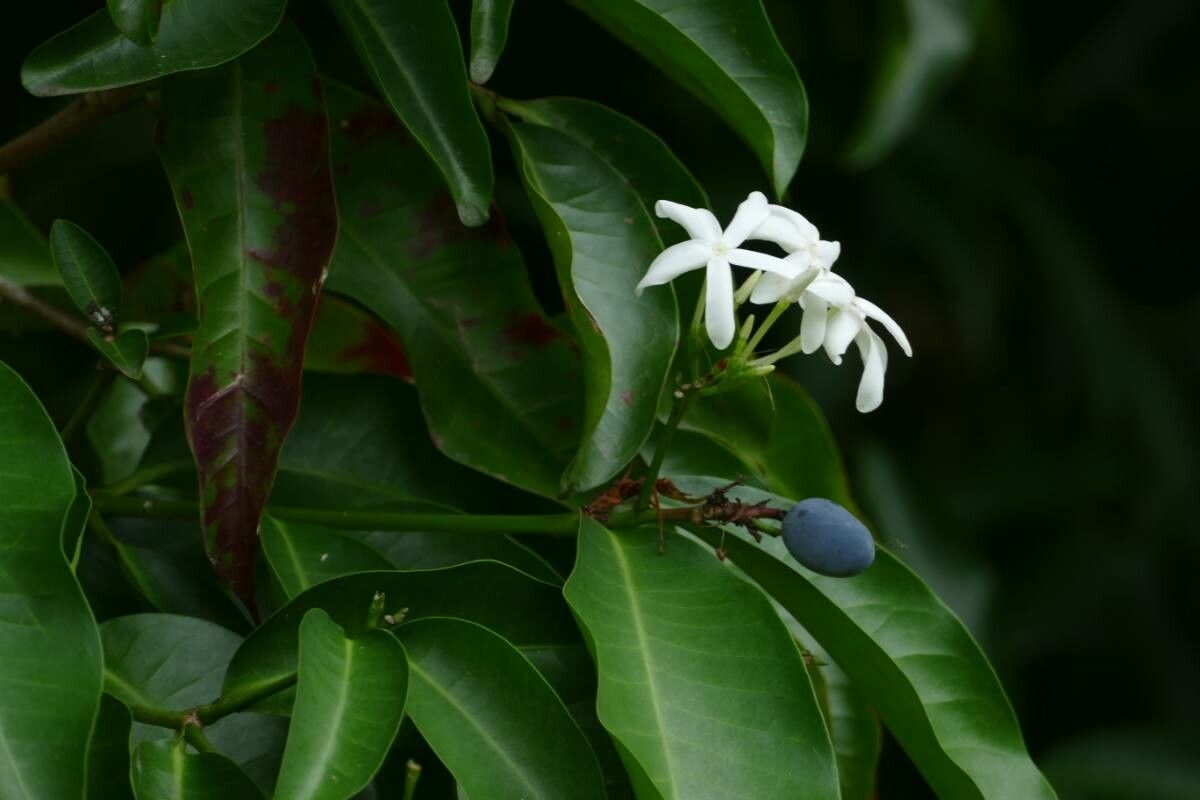
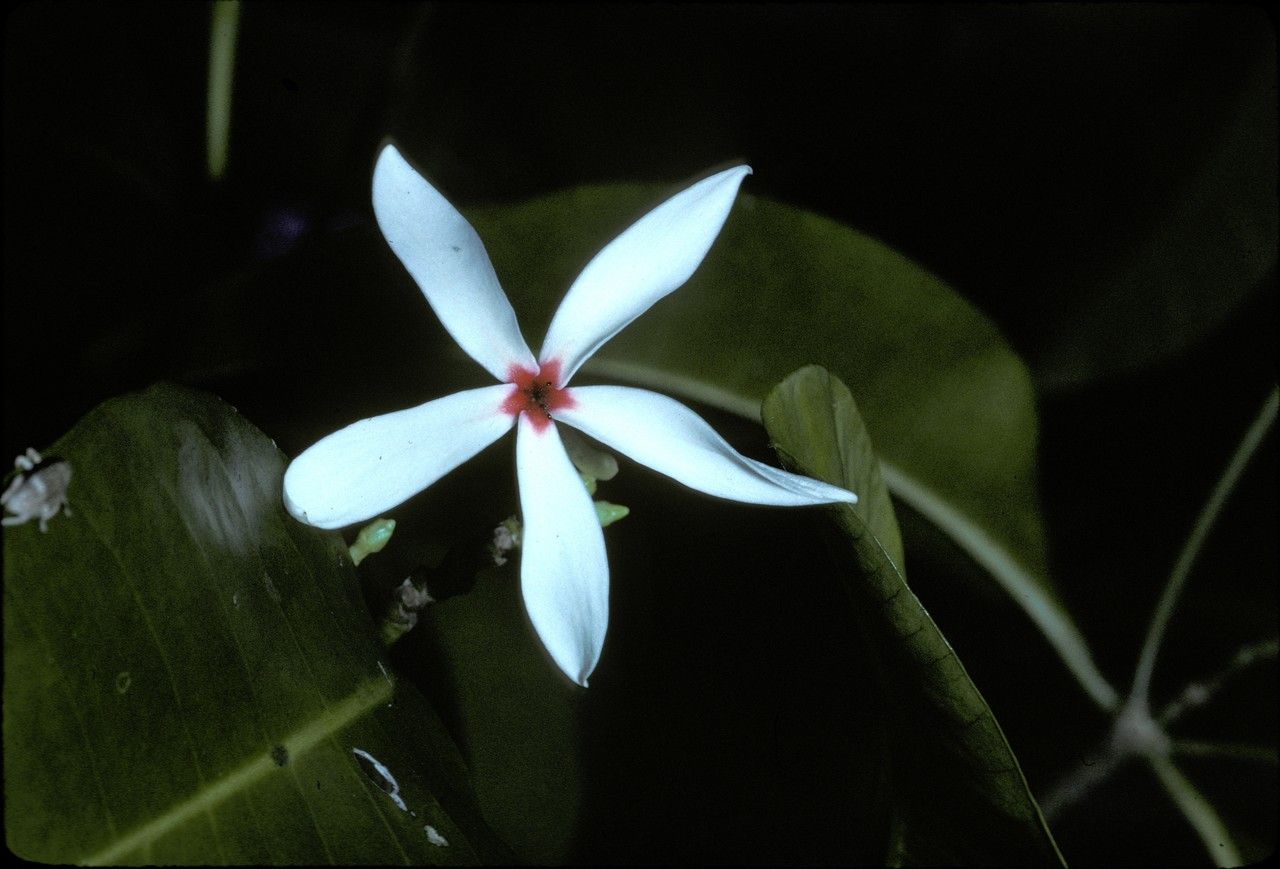
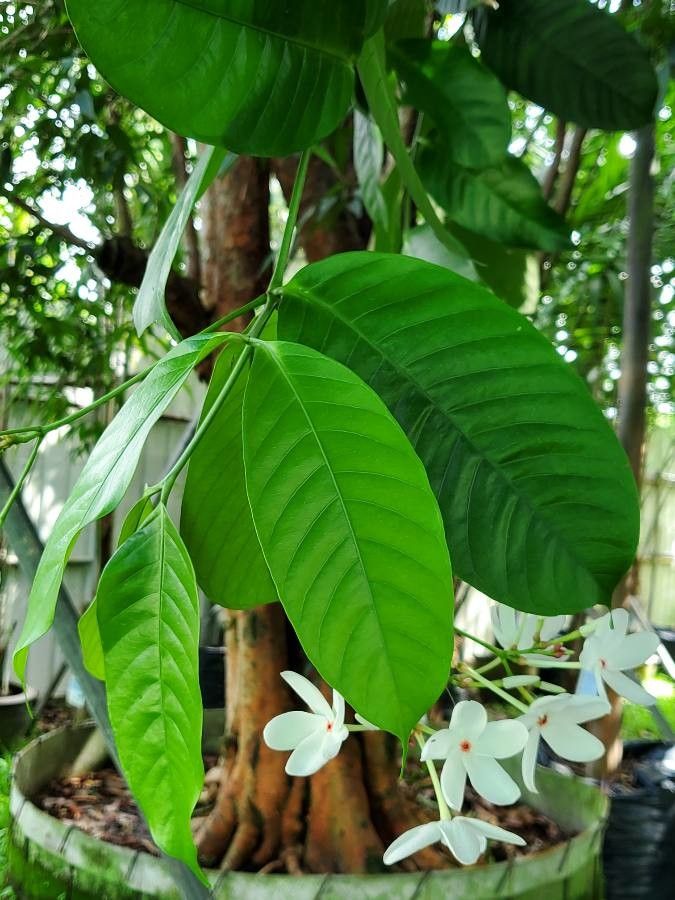
Kopsia is a genus of plant in family Apocynaceae first described as a genus in 1823. Kopsia is native to China, Southeast Asia, Australia, and various islands of the western Pacific.
Shrub vinca is quite resistant to disease and typically does not tend to get sick. In terms of care, this plant is fairly low-maintenance. When grown outdoors it needs only minimal watering, and larger plants usually do not require pruning. However, smaller plants should be trimmed after they finish blooming. Shrub vincat is appropriate for anyone with an outdoor area, like a garden or deck, and does not need much gardening experience.
How to keep Kopsia Fruticosa.
Light
The vinca shrub does best when exposed to full-spectrum sunlight. In its native habitat it consistently experiences sunny conditions, which support sturdy growth. It is not very tolerant of fluctuating light; this specimen must receive enough sun to prevent stunted growth and wilting.
Water
Shrub vinca, a plant native to tropical environments, is moderately drought-tolerant but prefers consistent moisture. It flourishes when the soil is allowed to dry slightly between waterings, which should occur roughly every two weeks. As an evergreen, shrub vinca needs well-draining soil and proper hydration to maintain its foliage while avoiding root rot.
Temperature
Shrub vinca originates from areas with temperatures of 68 to 100 °F (20 to 38 ℃), showing a preference for warm climates. To achieve optimal growth, keep temperatures within that range. Seasonal adjustments may be necessary to reproduce its natural temperature conditions.
Fertilizer
The best time to fertilize a Shrub vinca is in early spring when it comes out of dormancy. This encourages overall growth and flower development. Fertilization improves foliage, stems, and branches, and promotes large, vibrant, long-lasting flowers. It helps move nutrients from the roots to the flowers and enhances the plant's health and resistance to disease.
Pruning
The shrub vinca is a tropical evergreen plant known for its glossy green leaves and tubular flowers. To maintain its health and appearance, it is best to prune it from early to late winter. This helps remove any damaged wood and improves air circulation. Regular pruning also promotes bushier growth and more abundant flowering. When pruning, be sure to use clean tools and make cuts just above the leaf nodes.
Botanical profile.
- Plant Type
- Tree
- Life Cycle
- Perennial
- Genus
- Kopsia
- Family
- Apocynaceae
- Hardiness Zone
- 10-11
- Mature Height
- 3.05 m
- Mature Spread
- 46 cm to 61 cm
- Leaf Color
- Dark Green
- Leaf Type
- Evergreen
- Flower Color
- White, Pink
- Flower Size
- 1.52 cm to 2.54 cm
- Bloom Time
- All year round
- Planting Time
- Spring, Summer
- Harvest Time
- All year round
- Native Area
- Indonesia, Vietnam, Myanmar, Bangladesh, Thailand, China
Other names.
Reader questions.
How can I water my Shrub vinca plant the best way?
Your Shrub vinca is not picky about how you water it. You can use any common watering tool to water the plant, such as watering cans, hoses, or cups. It's best to water directly onto the soil and ensure that all areas are evenly moistened to provide water to the entire root system. Using filtered water is helpful as tap water may contain harmful particles. It's also beneficial to use water at or slightly above room temperature to avoid shocking the plant. However, the Shrub vinca usually responds well to any type of water.
Why should I put fertilizer on my Shrub vinca?
Fertilization plays a crucial role in the overall health and well-being of a Shrub vinca. By providing the necessary energy and nutrients, it promotes the growth of healthy foliage, sturdy stems, and branches. For gardeners, the flowers of a Shrub vinca hold great value. Fortunately, fertilization also enhances flower production, resulting in large, vibrant, and long-lasting blooms. This is because the right type of fertilizer facilitates the transfer of fuel from the roots to the flowers through the stems. Moreover, proper fertilization maintains the plant's overall health, making it more resilient against diseases.
What are the sunlight requirements for Shrub Vinca?
Shrub vinca, also known by its botanical name Kopsia fruticosa, requires full sun exposure to thrive, which means it should receive above 6 hours of sunlight daily. Observing how sunlight moves through your garden will help to find the perfect balance of light and shade for your plants, ensuring their happiness and healthy growth. It's important to note that while the shrub vinca is resilient, it must absorb sufficient sunlight to prevent growth issues such as stunting and wilted features.
What is the ideal temperature range for growing Shrub vinca?
Shrub vinca, or Kopsia fruticosa, thrives in warm climates, with an ideal temperature range between 68 to 100°F (20 to 38°C). To promote optimal growth, it's important to maintain this temperature range. In its native habitat, Shrub vinca is accustomed to high temperatures, making it extremely heat-loving. However, it is sensitive to cold temperatures. During the colder months, especially in autumn, it's advisable to bring outdoor-grown Shrub vinca indoors, placing it near a bright window but away from heaters to avoid harm. Keeping the temperature above 20°C during winter supports its growth, while temperatures nearing 5°C can be harmful.
What do I need to do if I give my Shrub vinca plant too much water or not enough water?
Outdoor plants, especially new ones or seedlings, are prone to not getting enough water. It's important to consistently water them for the first few months, even if they're small or recently planted. This is because once the roots are established, Shrub vinca can rely on rain for most of their water needs. When Shrub vinca is in pots, overwatering is more likely to happen. If you accidentally overwater your Shrub vinca, you should take immediate action to fix the problem. First, stop watering the plant to minimize the impact of the overwatering. Then, remove the Shrub vinca from its pot and check its roots. If there is no sign of root rot, you can put it back in its container. However, if there is root rot present, trim away the affected roots and consider using a fungicide to prevent further damage. Lastly, repot the Shrub vinca in well-draining soil. On the other hand, if your Shrub vinca is underwatered, simply water it more frequently. Underwatering is usually an easy issue to fix. When a plant is underwatered, its leaves will droop, dry out, and fall off. However, the leaves will regain fullness quickly after being properly watered. Therefore, adjust your watering schedule as soon as you notice signs of underwatering.
When should I fertilize my Shrub vinca?
To provide the best care for a Shrub vinca, it is recommended to fertilize it in early spring when it is transitioning out of dormancy and preparing to bloom. This will give the plant the energy it needs for growth and flower development. However, it is not the only suitable time for fertilization. Giving the plant another feeding in the fall can also be beneficial, although this second feeding does not have to be as substantial as the first. Additionally, some gardeners opt to fertilize their Shrub vinca during planting, but this is not always required.
How does sunlight affect the growth of Shrub Vinca?
The shrub vinca thrives under full sunlight, benefitting from a full spectrum of sun rays similar to its homeland environment. This consistent access to sunny conditions is essential for its sturdy growth. When placed in indoor conditions or less sunny spaces, especially during winter, the shrub may suffer from insufficient light, which can lead to symptoms of light deficiency. Therefore, adequate sunlight is crucial for maintaining the shrub's health by preventing growth stunting and wilted features.
How to care for Shrub vinca in low temperatures?
Shrub vinca prefers warm environments and is not tolerant to low temperatures, thriving best when the temperature is above 20°C. To protect it during winter, ensure it is kept in conditions above 5°C. Exposure to temperatures below 1°C can lead to leaves lightening in color, and after frost damage, they may brown or blacken, showing signs of wilting and drooping. To care for a frost-damaged Shrub vinca, trim off the damaged parts and move the plant to a warmer, indoor location. Placing it near a south-facing window ensures ample sunlight, but it should be kept away from direct heat sources like heaters or air conditioning vents to prevent the air from becoming excessively dry.
How frequently should I water my Shrub vinca plant?
Most outdoor plants can rely on rainfall for their water needs. However, if your area doesn't get enough rainfall, you should water your plants adequately every 2 weeks in the spring and fall, and more frequently in the summer. In winter, when plants don't grow as much, they need less water, so water them sparingly. Sometimes, you may not need to water them at all during the winter. If you have young or newly planted Shrub vincas, you should water them more frequently to help them establish and grow into more adaptable and drought-tolerant plants. For potted Shrub vincas, there are two main ways to determine how often to water them. One approach is to follow a predetermined watering schedule, such as once a week or every other week. However, this method may not always work well as it doesn't take into account the specific conditions of your growing environment. Watering frequency can also vary with the seasons. For example, during the summer when the plant's water needs are highest, a predetermined schedule may not be enough. An alternative approach is to judge when to water based on the moisture in the soil. It's generally best to wait until the top two to four inches of soil (about one-third to one-half the depth of the pots) have completely dried out before watering again.
When is the best time to not fertilize my Shrub vinca?
During the winter, Shrub vinca plants do not require fertilization as they are in a dormant phase and do not need much energy from the soil for new growth. In fact, fertilizing during this time can lead to overfertilization and negative consequences. The optimal times to feed a Shrub vinca are early spring and fall, meaning that during most of the spring and summer seasons, fertilizer is unnecessary. It is also advisable to avoid feeding the plant if it is experiencing extreme heat or dry conditions.
What are the recommendations for artificial lighting for indoor plants?
For indoor plants like the shrub vinca that require additional lighting, especially when natural sunlight is insufficient, artificial lights provide a vital solution. LED lights are recommended because they can offer the specific wavelengths needed by plants. Full sun plants need 30-50W/sq ft, partial sun plants need 20-30W/sq ft, and full shade plants need 10-20W/sq ft of artificial light. The light source should be placed 12-36 inches above the plant to mimic natural sunlight, and most plants will need 8-12 hours of light per day to mimic natural daylight hours effectively.
What should I do if my Shrub vinca experiences high temperatures?
During the summer, it is crucial to ensure that the temperature for Shrub vinca does not exceed 38°C. High temperatures above 43°C can cause the leaves to lighten in color and increase the plant's susceptibility to sunburn. If your Shrub vinca has dried or sunburned parts due to high temperatures, trim these areas away. To protect it from heat stress, relocate the plant to a shaded area, particularly shielding it from the harsh midday and afternoon sun. Additionally, water the plant in the morning and evening to maintain soil moisture and help it cope with the heat.