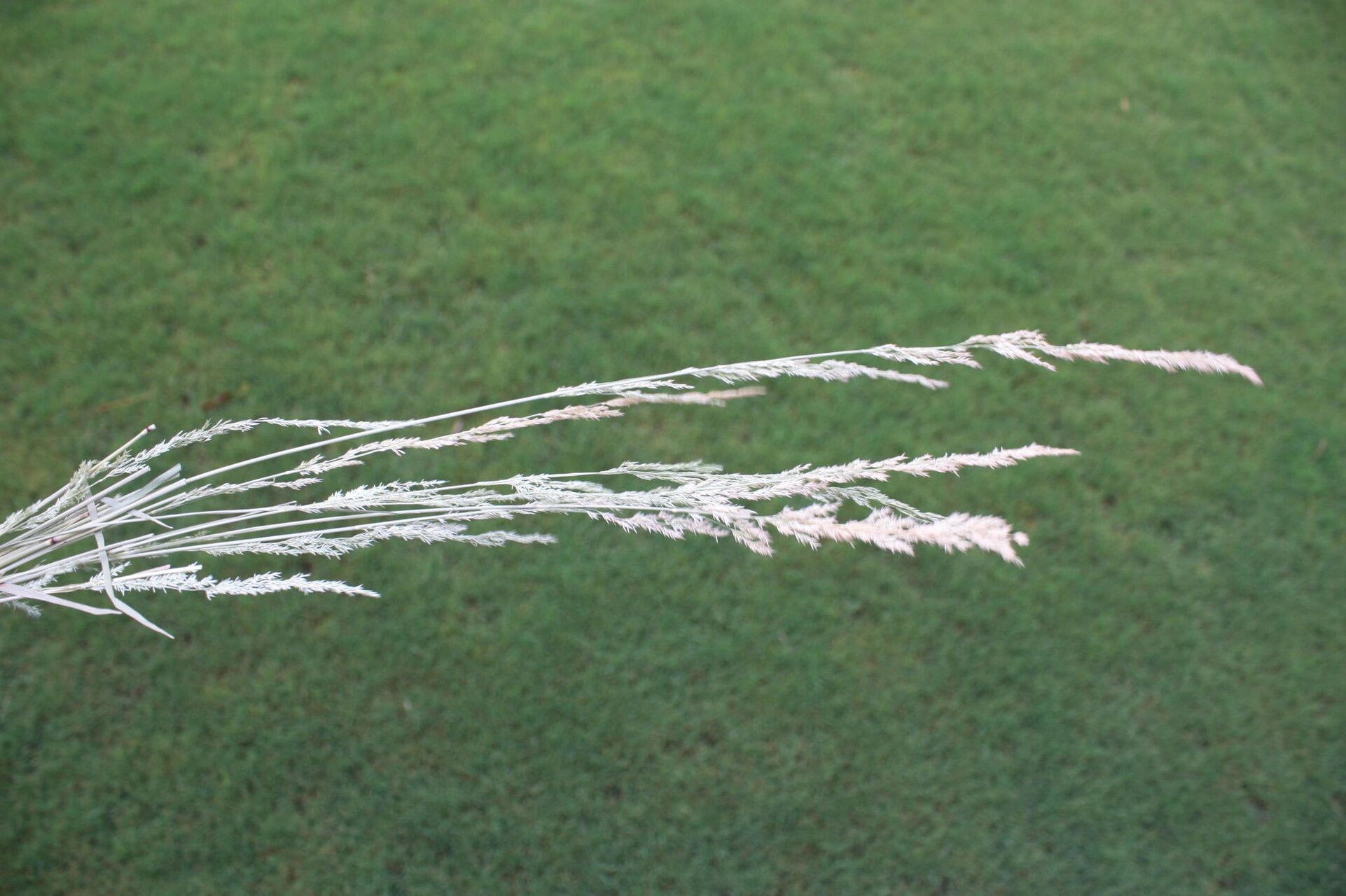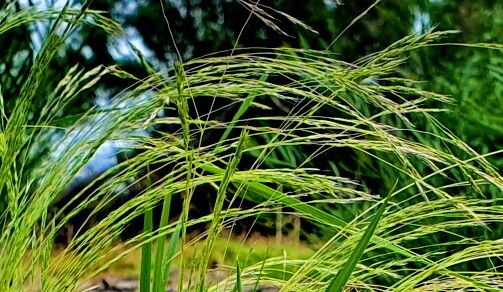
Lachnagrostis filiformis is a species of grass known by the common names Pacific bent grass, New Zealand wind grass, fairy grass, or blown-grass.
New zealand windgrass has strong resistance to disease and is usually not susceptible to illnesses. In terms of care, this plant is fairly low-maintenance. When planted outdoors it needs only minimal watering, and larger plants generally do not require pruning. However, smaller plants should be pruned after they have finished blooming. New zealand windgrasst is appropriate for anyone with outdoor space, such as a garden or deck, and does not demand much care experience.
How to keep Lachnagrostis Filiformis.
Light
The New Zealand windgrass comes from well-lit, open habitats where it flourishes in complete sun exposure. It can endure partial sun, yet it favors unobstructed sunlight for the best growth. Known for its affinity for sunlight, this plant grows as both an annual and biennial.
Temperature
The New Zealand windgrass can acclimate to varying temperature ranges, however, certain mixtures of heat and water conditions can potentially restrict its distribution. It grows optimally in hot climates during the summer provided there is enough rainfall or irrigation. The chances of New Zealand windgrass perishing may be increased by extended periods of cloudy and wet conditions or sustained high temperatures. During winter, appropriate safeguards against the cold can enhance the plant's likelihood of surviving.
Botanical profile.
- Plant Type
- Grass
- Life Cycle
- Annual, Perennial
- Genus
- Lachnagrostis
- Family
- Poaceae
- Hardiness Zone
- 7-10
- Mature Height
- 30 cm to 61 cm
- Mature Spread
- 20 cm to 40 cm
- Leaf Color
- Light Green
- Leaf Type
- Deciduous
- Flower Size
- 0.20 cm to 0.25 cm
- Bloom Time
- Summer
- Planting Time
- Spring
- Harvest Time
- Late summer, Early fall, Mid fall