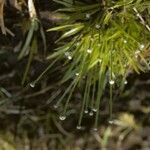
Lachnocaulon anceps
White-Head Bogbutton · Whitehead bogbutton
Care Guide
💧 Water
The white-head bogbutton thrives in consistently moist environments with high humidity and requires watering once a week for optimal growth. Its root system is specially adapted to absorb nutrients from waterlogged soils, making it an ideal plant for rain gardens. Typically, the white-head bogbutton is grown outdoors to replicate its natural wetland habitat.
How should I water my White-head bogbutton?
To care for the White-head bogbutton plant, it is recommended to use filtered water at room temperature. Tap water may contain harmful particles for this plant. Also, the water should not be too cold as this plant is accustomed to warm environments. It is advised to avoid overhead watering and instead, water the soil directly, making sure it is completely soaked. This method benefits the plant by providing moisture to the roots, allowing them to spread and collect the necessary nutrients.
What should I do if I give too much or too little water to my White-head bogbutton?
Overwatering and underwatering can harm your White-head bogbutton plant, but overwatering is more common and poses a greater risk. When the plant is overwatered, its stems and leaves may wilt and turn yellow. Overwatering for a long time can also lead to root rot, mold, and mildew, which can be fatal. On the other hand, underwatering is less likely, as this plant can tolerate drought fairly well. However, if underwatering occurs, the leaves may become brittle and brown. It is important to promptly recognize signs of overwatering when caring for the White-head bogbutton. Some diseases caused by overwatering, like root rot, may not be treatable if left untreated for too long. If you notice early signs of overwatering, reduce your watering immediately. Additionally, check the soil quality to ensure proper drainage; if the soil does not allow water to drain properly, replace it with a loose, well-draining potting mix. Conversely, if you observe signs of insufficient watering, simply increase the watering frequency until the signs improve.
How regularly should I water my White-head bogbutton?
If your White-head bogbutton plant is in a pot, the most accurate way to determine if it needs water is by checking the soil moisture with your finger. If the top two to three inches of soil are dry, it's time to water it. The same method can be used if you have your White-head bogbutton planted outside in the ground. Once again, if the top few inches of soil are dry, it's time to water. Typically, during the spring and early fall, watering once a week is sufficient. However, during extremely hot weather, you may need to water twice or more per week. Nonetheless, mature and well-established White-head bogbutton plants have the impressive ability to tolerate drought.
How much water does my White-head bogbutton plant require?
When watering your White-head bogbutton, make sure you give it enough water. If the top two to three inches of soil are dry, thoroughly water the plant so that the soil is soaked. The water should be enough to cause excess water to come out of the drainage holes in the pot. If you don't see excess water draining, you may have not watered enough. However, be careful not to let water accumulate in the soil, as this can harm the plant. On the other hand, if water doesn't drain through the pot, it may indicate that the soil doesn't drain well, which is not good for the plant's health. If the plant is outside, it should receive about 1 inch of rain per week, which is enough.
How do I water my White-head bogbutton as it grows?
The water needs of the White-head bogbutton can vary depending on its growth stages. In the first few years of its life or when it is newly transplanted, you will need to provide more water than usual. During these stages, the plant focuses on growing new roots to support future growth, so additional moisture is necessary. However, as the bogbutton matures, it will require less water. Another stage that may require increased watering is during the bloom period, as flower development utilizes a significant amount of moisture.
☀️ Light Full sun
White-head bogbutton comes from habitats with plentiful sunlight, such as the shallow margins of ponds and lakes. It prefers full sun but can also tolerate partial sun.
How much sunlight does White-head bogbutton need to grow?
White-head bogbutton needs 3-6 hours of direct sunlight daily to thrive, but it should also have some shade during the hottest parts of the day to avoid sun damage. The best time for White-head bogbutton to receive sunlight is in the morning, but it can tolerate some afternoon sun if it's not too hot. To ensure the right amount of sunlight, consider planting White-head bogbutton in an area that gets partial sun, like under a tree or on the east side of a building.
What will happen if White-head bogbutton doesn't get enough sunlight?
White-head bogbutton may experience sun damage if exposed to excessive direct sunlight. This can result in yellowing, drying out, or even burning of its leaves. Additionally, you may observe wilting or stunted growth in the plant. To prevent such damage, it is important to provide some shade for White-head bogbutton during the hottest parts of the day. This can be achieved by using a shade cloth or positioning the plant near taller plants that can offer natural shade.
What will happen if the White-head bogbutton gets too much sunlight?
If White-head bogbutton doesn't receive sufficient sunlight, it may become tall and thin with sparse foliage. The leaves might change color to yellow or pale green, indicating a reduced production of chlorophyll caused by the lack of sunlight. To fix this, you can try relocating White-head bogbutton to a sunnier area or pruning the surrounding foliage to increase the amount of light reaching the plant.
🌡️ Temperature 15–35°C
White-head bogbutton adapts well to temperature, tolerating heat and broad temperature swings. In hot conditions, attention should be paid to watering and providing some shade to avoid sunburn. Conversely, White-head bogbutton has relatively limited cold tolerance; it can handle mild cold but prolonged or extreme chill can cause frost damage.
💨 Humidity
🪴 Soil
🌱 Fertilizer
🪴 Pot & Repot
✂️ Pruning
The white-head bogbutton is characterized by its white, button-like flowers and flourishes in bog environments. To promote growth and improve airflow, prune the plant from early to late spring, making sure to remove any dead stems. Avoid heavy pruning, as this plant grows slowly. Pruning at the right time helps prevent disease and encourages healthy, vigorous development.
🌿 Propagating
🐛 Diseases & pets
☠️ Toxicity
Characteristics
- Plant Type
- Herb
- Life Cycle
- Perennial
- Genus
- Lachnocaulon
- Family
- Eriocaulaceae
- Hardiness Zone
- 7-10
- Mature Height
- 10 cm to 30 cm
- Mature Spread
- 5 cm to 10 cm
- Leaf Color
- Green
- Leaf Type
- Evergreen
- Flower Color
- White
- Flower Size
- 0.25 cm to 0.51 cm
- Bloom Time
- Late spring, Early summer, Mid summer
- Planting Time
- Spring, Summer, Autumn
- Harvest Time
- Mid summer, Late summer, Early fall
- Native Area
- Cuba