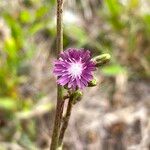
Lactuca graminifolia
Grassleaf lettuce
Description
Source: leafsnapLactuca graminifolia, commonly known as grass-leaved lettuce, is a species of flowering plant in the Asteraceae family. Native to North America, it thrives in various habitats such as prairies, meadows, and open woods. Typically growing up to 60 cm tall, this plant features narrow leaves that resemble grass blades. The flowers are small and yellowish-green, arranged in clusters at the top of the stem. Traditionally, Native American tribes have utilized Lactuca graminifolia for its medicinal properties, particularly for pain relief. The plant contains lactucopicrin, a compound known to have sedative effects on the central nervous system. In addition to its medicinal uses, Lactuca graminifolia is also edible, offering a slightly bitter taste akin to other lettuce varieties. It can be enjoyed fresh or cooked, making a versatile addition to salads, soups, or stews. Overall, Lactuca graminifolia is a fascinating plant with both medicinal and culinary applications, and it can be found throughout North America's natural landscapes.
Care Guide
💧 Water Every 7 days
☀️ Light Full sun
Grass-leaf lettuce is a sun-loving perennial herbaceous plant native to open habitats, frequently found in meadows and grasslands. It prefers full sun but can also tolerate partial sun.
What are the sunlight requirements for Grass-leaf lettuce (Lactuca graminifolia)?
Grass-leaf lettuce (Lactuca graminifolia) thrives best when it receives the appropriate amount of sunlight, which is categorized as either full sun or partial sun. Full sun exposure means the plant should receive above 6 hours of sunlight a day, while partial sun refers to getting about 3-6 hours of sunlight daily. It's important to observe the movement of sunlight through your garden to identify spots that offer a balance of light and shade. This ensures the most favorable growing conditions for your Grass-leaf lettuce, promoting its health and happiness.
🌡️ Temperature 5–35°C
Grass-leaf lettuce can adjust to a wide spectrum of temperature conditions, but its range may still be constrained by specific combinations of moisture and heat. It performs best in warm summer climates with sufficient rainfall or irrigation. Extended stretches of cloudy, rainy weather, as well as prolonged high temperatures, can raise the risk of grass-leaf lettuce dying. In winter, appropriate protection from cold can enhance the plant’s survival rate.
💨 Humidity
🪴 Soil 6-8
🌱 Fertilizer
One application of fertilizer in spring is generally sufficient for Grass-leaf lettuce, although several feedings can maximize its growth. Feed about once every month to a month and a half. Fertilization improves the leaves' appearance and function, helping maintain even color and a healthy texture. It also encourages root development and nutrient uptake, supporting the plant's long-term health.
🪴 Pot & Repot
✂️ Pruning
Grass-leaf lettuce has narrow, grass-like leaves that need pruning in early spring to achieve the best shape and promote healthy growth. Be sure to remove any dead or damaged leaves, as well as any leggy stems. This will improve air circulation, reduce the risk of pests, and enhance the plant's overall vigor and appearance. Regular maintenance is essential to keep the plant healthy and its foliage robust.
🌿 Propagating
🐛 Diseases & pets
☠️ Toxicity
Characteristics
- Plant Type
- Herb
- Life Cycle
- Perennial
- Genus
- Lactuca
- Family
- Asteraceae
- Hardiness Zone
- 5-9
- Mature Height
- 30 cm to 91 cm
- Mature Spread
- 20 cm to 40 cm
- Leaf Color
- Light Green, Forest Green
- Leaf Type
- Deciduous
- Flower Size
- 1.02 cm to 2.03 cm
- Bloom Time
- Late spring, Early summer, Mid summer
- Planting Time
- Summer
- Harvest Time
- Summer
- Native Area
- Bahamas, Mexico, Guatemala