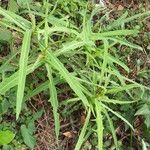
Lactuca indica
Indian lettuce · Wild Lettuce · Milkweed
Description
Source: leafsnapLactuca indica, commonly known as Indian lettuce or wild lettuce, is a species of flowering plant in the family Asteraceae. Native to the Indian subcontinent and Southeast Asia, it has also been introduced to other parts of the world for ornamental purposes. The plant can grow up to 1 meter tall and features a rosette of deeply lobed leaves at its base, which can reach up to 30 cm in length. Its flowers are small, yellow or white, and they cluster at the tops of tall stems. For centuries, various cultures have utilized Lactuca indica for its medicinal properties. The plant contains compounds with sedative effects that can serve as natural remedies for anxiety, insomnia, pain relief, coughs, and other respiratory issues. Besides its medicinal uses, Lactuca indica is also a food source in some regions of Asia, where it is consumed either raw or cooked, much like spinach. Overall, Lactuca indica is a fascinating plant that offers both medicinal and culinary benefits. It continues to be the subject of research worldwide for its potential health advantages.
Care Guide
💧 Water Every 7 days
Indian lettuce is native to the moist environments of Asia, where it thrives with consistent moisture and humidity. Though it is moderately drought-tolerant, it prefers weekly watering to stay well-hydrated. This plant is commonly grown outdoors to take advantage of natural rainfall, but it also adapts well to different water conditions, resulting in resilient and lush foliage.
How should I water my Indian lettuce plant?
There are a few different ways you can water Indian lettuce. You can use a garden hose with a spray nozzle, a watering can, or any other common watering tool. Indian lettuce is not too fussy about the type of water it receives, so you can use rainwater, tap water, or filtered water. It's generally best to avoid watering this plant from above, as this can damage the leaves and flowers and potentially cause disease. Instead, a drip irrigation system works well for Indian lettuce as it applies water evenly and directly to the soil. If you have Indian lettuce growing in a container, you can use a cup, watering can, or tap to water it directly onto the soil.
What should I do if I give my Indian lettuce too much or too little water?
Watering Indian lettuce properly is important to avoid both underwatering and overwatering. If your plant lacks moisture, you can solve the issue by watering it on a more regular basis. However, overwatered lettuce can lead to diseases and even death. To prevent overwatering, choose a growing location with plenty of sunlight and good drainage. If your Indian lettuce is in a pot and you have overwatered it, consider changing to a new pot with better drainage. When repotting, use loose soil and a pot that drains efficiently.
How frequently should I water the Indian lettuce?
To keep your Indian lettuce healthy, it's important to water it regularly. In the spring, watering once a week should be sufficient. However, as the weather gets warmer, you may need to increase the frequency to two to three times per week. It's crucial not to exceed this rate as it can harm the plant. Additionally, make sure the soil is consistently moist but not soaking wet, regardless of how often you water. If you are growing Indian lettuce in a pot, be aware that the soil in containers can dry out faster. To combat this, plan to water the potted lettuce a few times per week instead of just once like in-ground plants.
How much water does my Indian lettuce require?
Determining how much water to give your Indian lettuce can be done in a few different ways. Some gardeners prefer to rely on the feel of the soil, watering until the top six inches are moist. Alternatively, using a set measurement like two gallons per week is a common guideline, adjusting for weather and how quickly the soil dries. However, be cautious of overwatering if your plant requires less than two gallons per week. When growing Indian lettuce in a container, a different method is recommended. Ensure all layers of dry soil are moistened by checking the soil moisture with your finger or looking for a slight trickle of excess water from the pot's drainage holes.
How can I know if I'm giving enough water to my Indian lettuce?
Avoiding overwatering can be challenging for Indian lettuce. While these plants have deep roots that need weekly soil moistening, they are highly vulnerable to root rot. Overwatering can cause browning in Indian lettuce. Underwatering is less likely, as these plants can survive without additional watering, but if left for too long, they may wilt and develop dry leaves.
☀️ Light Full sun
Indian lettuce grows best in full sun. It can tolerate a moderate amount of shade, although that may reduce its growth rate. Coming from areas that receive plenty of sunlight, it performs well under those conditions. Excessive sun, however, can cause its leaves to wilt, and too little light can stunt growth or produce lackluster foliage.
What are the sunlight requirements for Indian lettuce?
Indian lettuce requires full sun exposure to flourish, meaning it needs above 6 hours of sunlight daily. It can tolerate partial sun, about 3-6 hours of sunlight, though this might slow its growth. Originating from environments that are generously lit by sunlight, Indian lettuce thrives under such conditions. However, excessive sun exposure can lead to wilting leaves, and insufficient sunlight may stunt growth or result in lackluster foliage. It's essential to watch how sunlight moves through your garden and select spots that offer a balance of light and shade, ensuring your plants remain happy.
How can artificial lighting benefit Indian lettuce grown indoors?
For indoor Indian lettuce plants, adequate lighting is crucial for optimal growth, especially when natural sunlight is limited. Artificial lighting can be an effective solution, promoting faster and healthier growth. LED lights are recommended because they can be customized to provide specific wavelengths of light needed by plants. Full sun plants require 30-50W/sq ft of artificial light, partial sun plants need 20-30W/sq ft, and full shade plants need 10-20W/sq ft. The light source should be placed 12-36 inches above the plant, mimicking natural sunlight, and plants typically need 8-12 hours of light per day.
What are the symptoms of light deficiency in Indian lettuce?
Indian lettuce shows several symptoms when it doesn't receive adequate light. New leaves might grow smaller, and the plant may exhibit leggy or sparse growth, with longer spaces between stems or leaves, resulting in a weak appearance. There can be faster leaf drop as the plant sheds older leaves to conserve resources. The growth might slow down or completely stop, and new leaves could appear lighter in color or pale, indicating a lack of chlorophyll and essential nutrients. Additionally, excessive sunlight can cause chlorosis, sunscald, leaf curling, wilting, and leaf scorching, affecting the plant's health.
What solutions can address light-related issues for Indian lettuce?
To ensure Indian lettuce receives adequate light, gradually moving plants to sunnier locations to receive at least 6 hours of direct sunlight daily is crucial. For indoor plants, using a south-facing window or artificial lighting, such as desk or ceiling lamps for at least 8 hours daily, can provide sufficient light. For outdoor plants, moving them gradually to sunnier spots helps avoid sunburn. Reducing obstructions like pruning trees can increase sunlight exposure. For smaller plants, transplanting during the dormant period in late winter or early spring to a location with ample sunlight and good drainage can improve growth. While parts of the plant affected by insufficient sunlight may not recover, new growth will be healthy with increased light exposure.
🌡️ Temperature 0–32.2°C
Indian lettuce grows best at temperatures between 68 and 95 °F (20 to 35 ℃) and is native to regions with similar temperatures. Cultivation should account for seasonal changes to keep the temperature within its preferred range.
What is the ideal temperature range for growing Indian lettuce?
Indian lettuce thrives in a temperature range of 68 to 95 °F (20 to 35 °C), which is native to environments with similar temperatures. Cultivation of Indian lettuce should take into account seasonal changes to ensure the temperature remains within this preferred range. Despite its strong cold resistance, measures should be taken to protect the plant from extremely low temperatures below -35°C during winter.
How can Indian lettuce be protected from cold temperatures?
To protect Indian lettuce from cold temperatures, especially if winter temperatures are expected to drop below -35°C, it's important to provide cold protection. This can be achieved by covering the plant with insulating materials such as soil or straw. Additionally, before the first freeze of autumn, it is recommended to water the plant abundantly. This ensures the soil remains moist and enters a frozen state, helping prevent drought and water scarcity for the plant during the winter and early spring.
What are the symptoms of Indian lettuce being exposed to low temperatures and how can they be addressed?
Indian lettuce is cold-tolerant and thrives best when the temperature stays above 20°C. During winter, it's important to keep it above 0°C. Exposure to temperatures falling below -35°C may not show noticeable changes during winter but can lead to a decrease in sprouting or even no sprouting during spring. To address this issue, in spring, remove any parts of the plant that have failed to sprout.
What are the symptoms of Indian lettuce being exposed to high temperatures and how can they be addressed?
In the summer, it is crucial to ensure that Indian lettuce is kept below 35°C. Exposure to temperatures above 38°C may cause the leaves to lighten in color, become prone to curling, susceptible to sunburn, and in severe cases, the plant may wilt and become dry. To alleviate these symptoms, trim away the sunburned and dried-up parts. Moving the plant to a shaded location or using a shade cloth to protect it from the midday and afternoon sun is beneficial. Additionally, watering the plant in the morning and evening will help keep the soil moist and support the health of the plant.
💨 Humidity
🪴 Soil 6-7
🌱 Fertilizer
For highest yields, Indian lettuce does best with regular applications of a balanced fertilizer, especially one high in nitrogen. Apply fertilizer before planting, at planting, and when seedlings are 2 inches (5.1 cm) tall. Adding compost or manure also supplies nutrients continuously. A shortage of soil nutrients causes underdeveloped leaves and stems, poorer flavor, thin stems, and possibly a bitter taste.
🪴 Pot & Repot
✂️ Pruning
Indian lettuce is known for its vibrant foliage and rapid growth. To maintain its health, it's important to prune it from early to late spring. Remove any dead or overcrowded stems to improve air circulation and light penetration. This essential practice boosts vitality, prevents diseases, and prolongs the blooming season, contributing to a robust garden.
🌿 Propagating
🐛 Diseases & pets
☠️ Toxicity
Characteristics
- Plant Type
- Herb
- Life Cycle
- Annual, Biennial, Perennial
- Genus
- Lactuca
- Family
- Asteraceae
- Hardiness Zone
- 3-8
- Mature Height
- 0.4 m to 2.13 m
- Mature Spread
- 30 cm to 61 cm
- Leaf Color
- Green, Dark Green
- Leaf Type
- Semi-evergreen
- Flower Color
- Yellow
- Flower Size
- 0.51 cm to 0.76 cm
- Bloom Time
- Mid summer, Late summer, Early fall
- Planting Time
- Spring, Summer, Autumn
- Harvest Time
- Late summer, Early fall, Mid fall
- Native Area
- Russia, India, Indonesia, Cambodia, Vietnam, Myanmar, Japan, China, Philippines, Koppen, Laos, South Korea, Thailand, Central African Republic