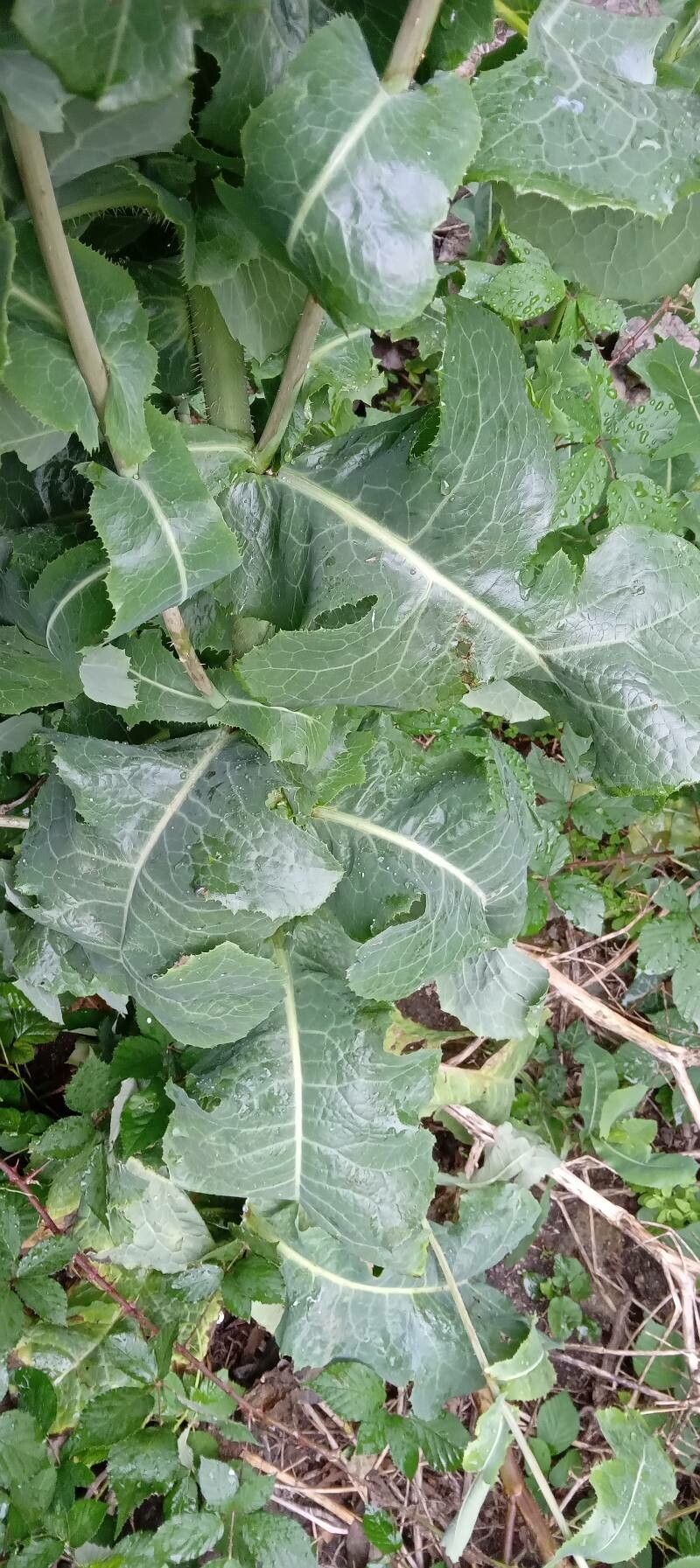
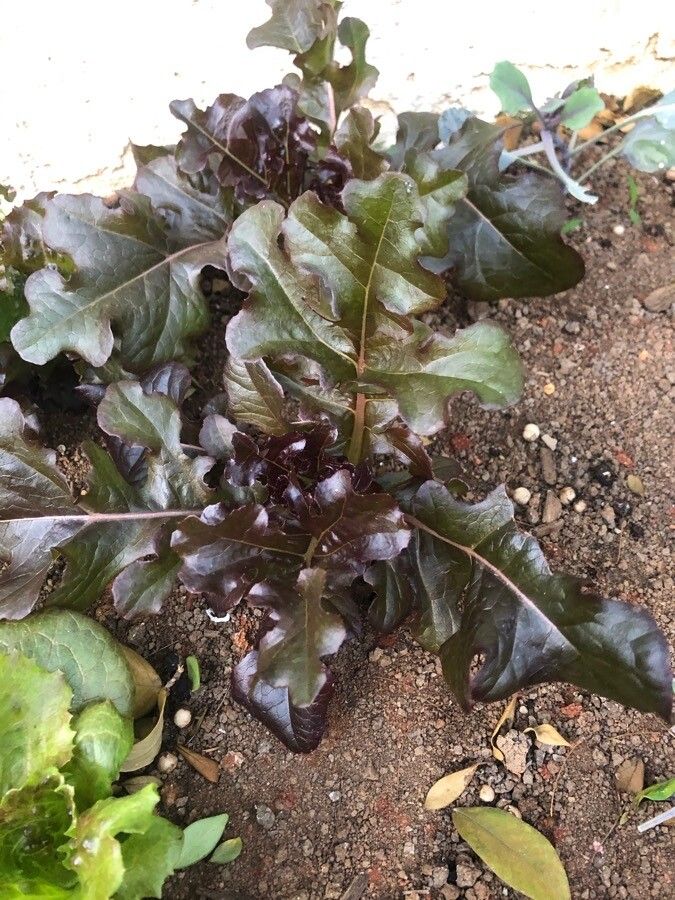
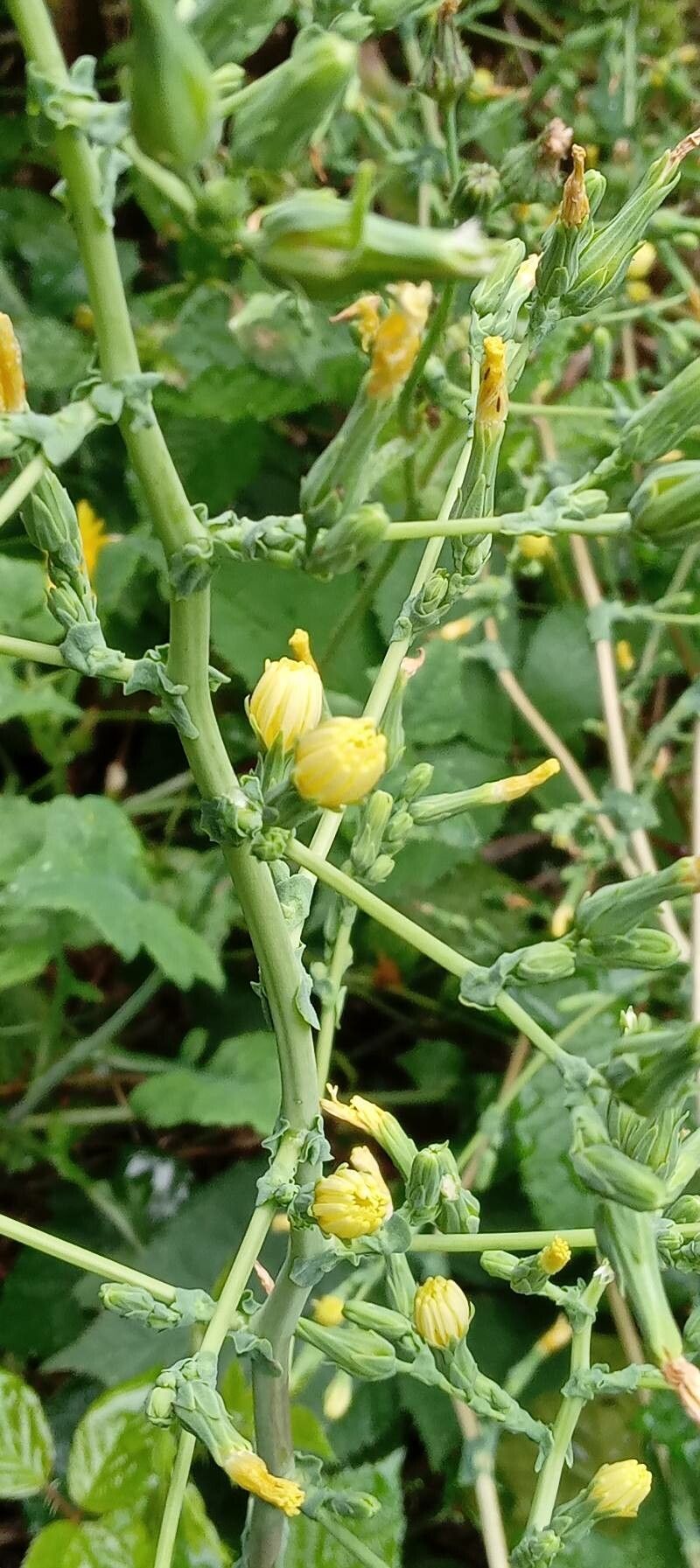
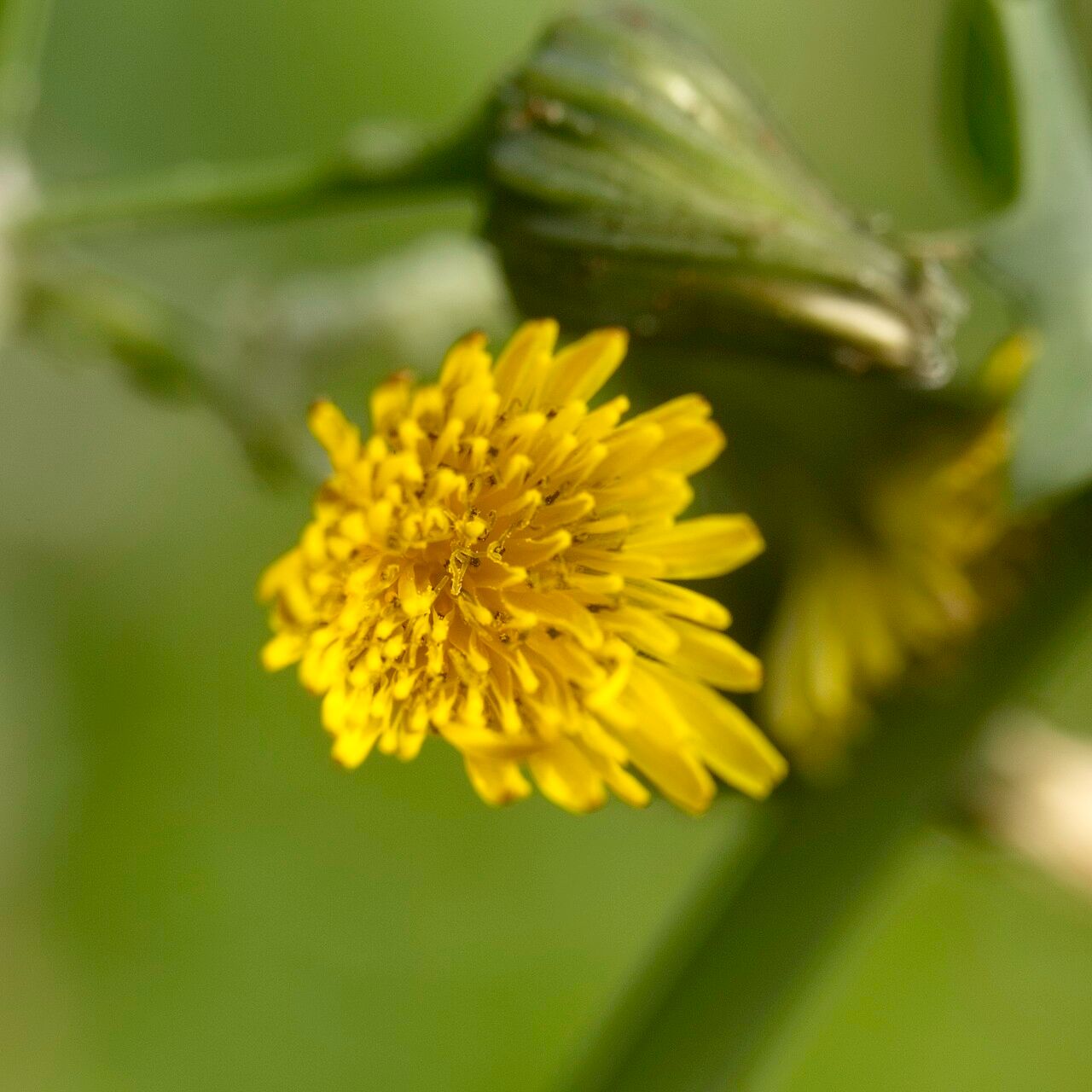
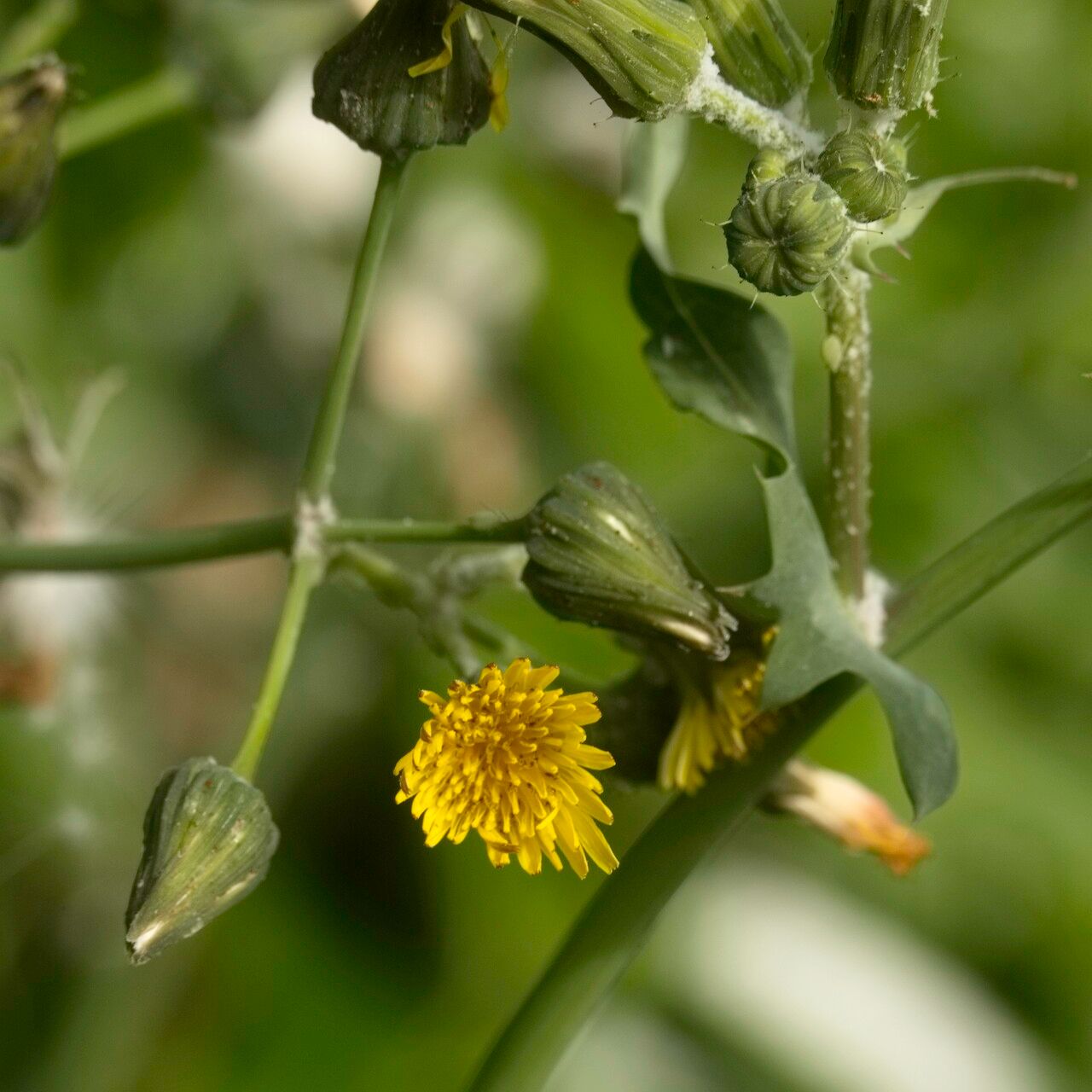
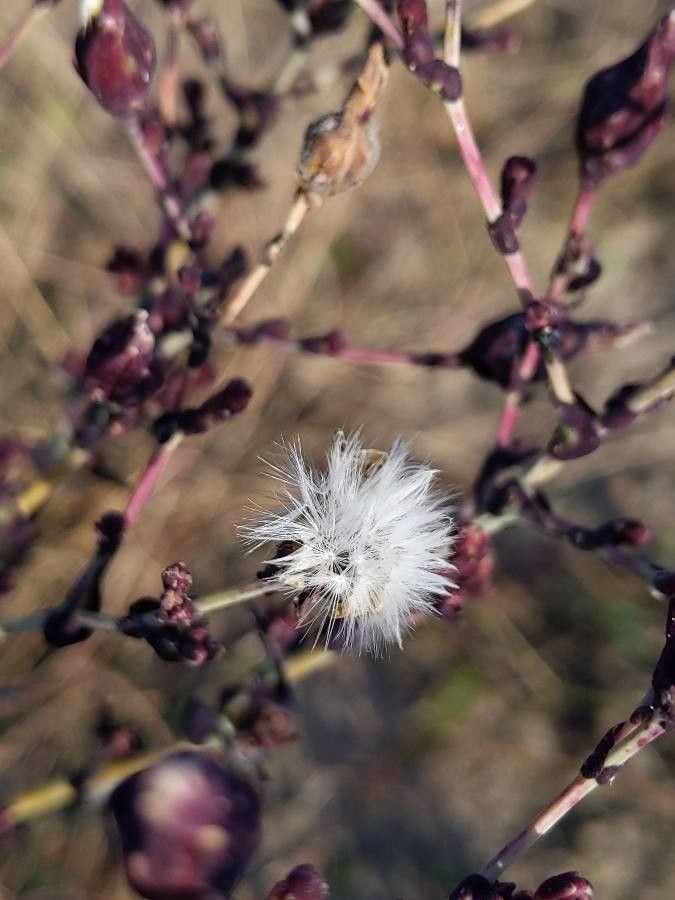
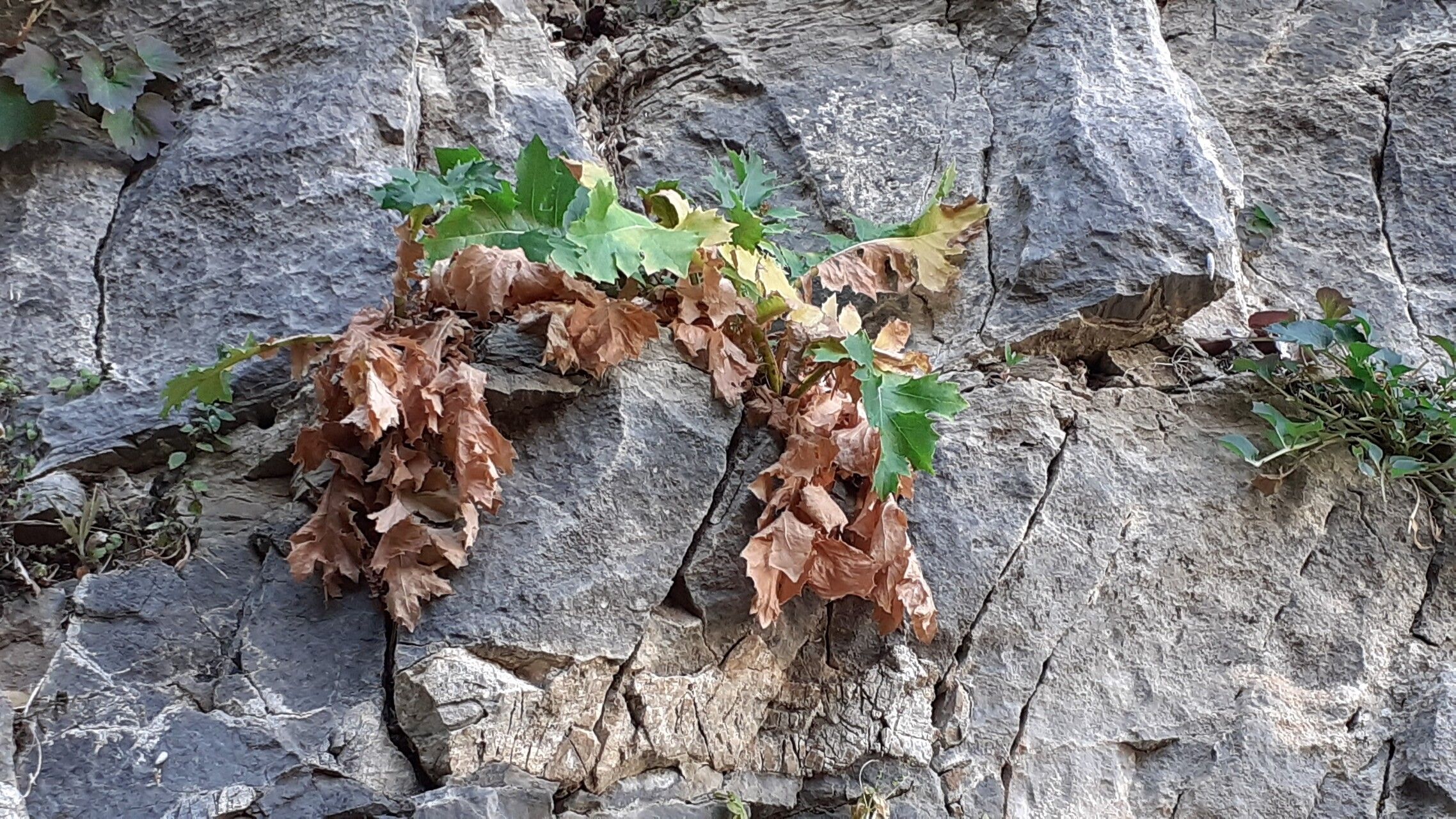
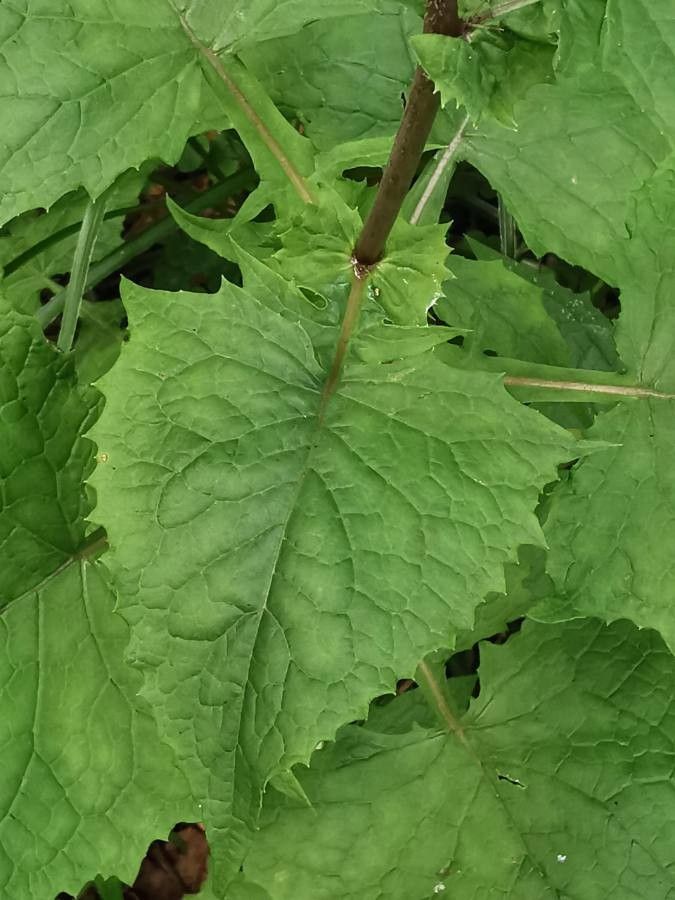
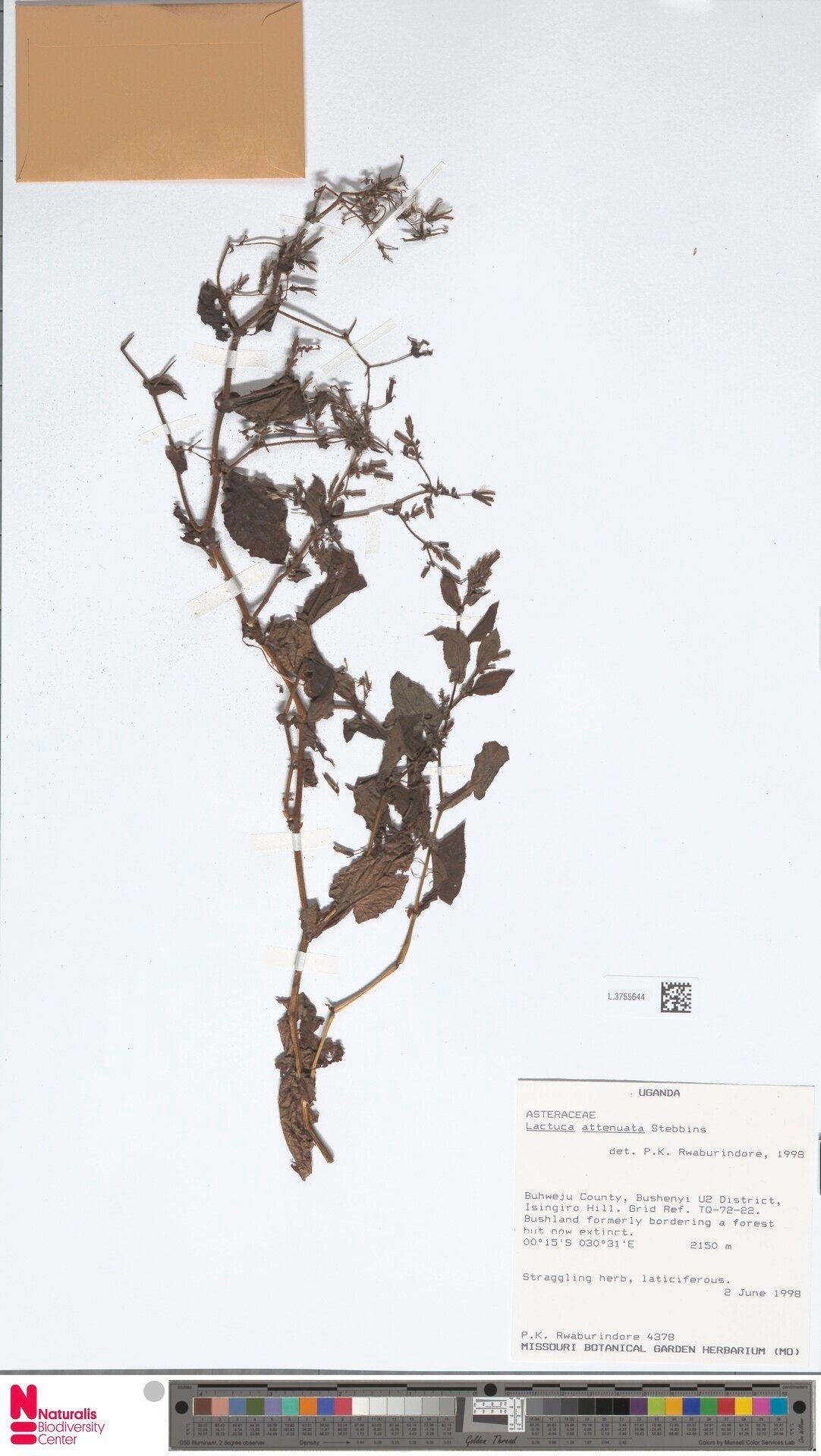
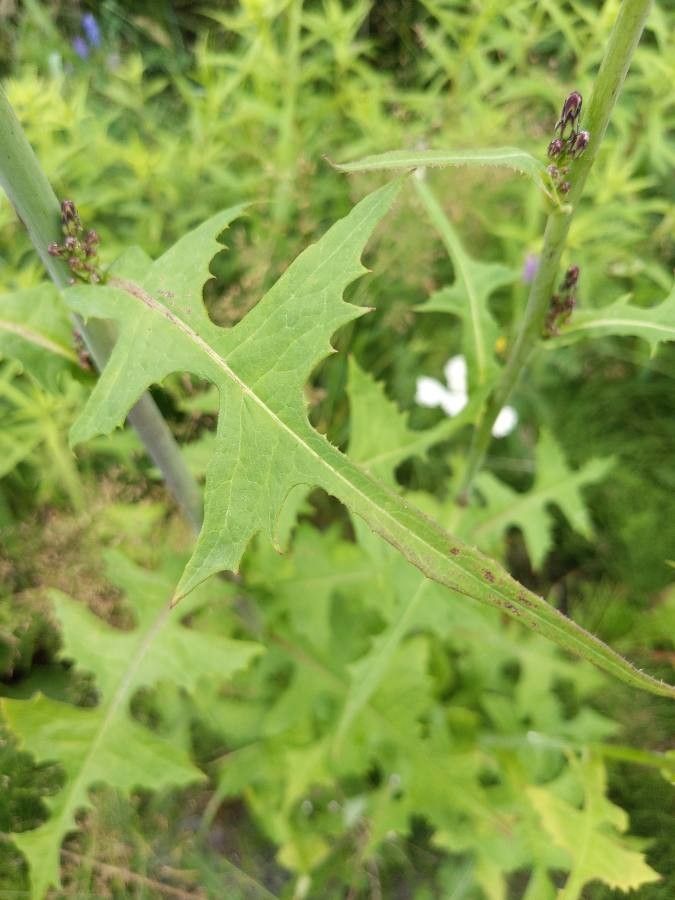
Lactuca quercina is a species of wild lettuce native to Europe and Asia. It is an annual or biennial herb in the tribe Cichorieae within the family Asteraceae growing from a taproot to maximum heights of 50–200 cm (19.5–78.5 in) or more.Lactuca quercina contains lactucarium, which is the milky sap (white latex) that flows through the stem, leaves, and roots of the plant. It is used as a medicinal herb when dried after contact with air. It may be used as medicinal treatments for its anodyne, antispasmodic, digestive, diuretic, hypnotic, narcotic, and sedative properties. Concentrations of lactucarium are low in young plants, but increase in older plants, occurring highest when in blooming period. Sap may be applied to skin in use for treatment of external warts. Although the standard definition of lactucarium requires its production from Lactuca virosa, it was recognized that smaller quantities of lactucarium could be produced in a similar way from Lactuca sativa and Lactuca canadensis var. elongata, and even that lettuce-opium obtained from Lactuca serriola or Lactuca quercina was of superior quality.
Wild lettuce is fairly resistant to disease and is generally not prone to illnesses. Still, it can be affected by pests and diseases present in its environment. These outbreaks are typically not serious. For care, this plant needs moderate maintenance. It should be pruned regularly to keep a neat appearance and promote healthy growth. Fertilizing can also encourage blooming. Wild lettuce is well suited for anyone with outdoor space, like a garden or patio, and does not require much care experience. It may demand more attention when grown indoors.
How to keep Lactuca Quercina.
Light
Wild lettuce is native to environments with dappled light, such as forest understories or rocky locations that provide natural shade. It flourishes in partial sun but can also adapt to full sun conditions.
Temperature
Wild lettuce can tolerate a wide range of temperatures, but its distribution may still be restricted by different combinations of water and heat. It does best in warm summer climates with adequate rainfall or watering. Extended periods of cloudy, rainy weather or prolonged high temperatures can raise the chances of wild lettuce dying. In winter, protecting the plant from cold can increase its survival rate.
Fertilizer
Wild lettuce benefits from regular, dilute applications of fertilizer to encourage healthy leaf growth. Fertilize Wild lettuce about once a month during the summer. Nitrogen is essential for foliage, and providing nitrogen-rich sources helps Wild lettuce thrive.
Botanical profile.
- Plant Type
- Herb
- Life Cycle
- Annual
- Genus
- Lactuca
- Family
- Asteraceae
- Hardiness Zone
- 5-9
- Mature Height
- 0.61 m to 1.83 m
- Mature Spread
- 30 cm to 61 cm
- Leaf Color
- Green, Dark Green
- Leaf Type
- Deciduous
- Flower Color
- Yellow
- Flower Size
- 1.02 cm to 1.52 cm
- Bloom Time
- Summer
- Planting Time
- Spring, Summer
- Harvest Time
- Late summer, Early fall, Mid fall
Other names.