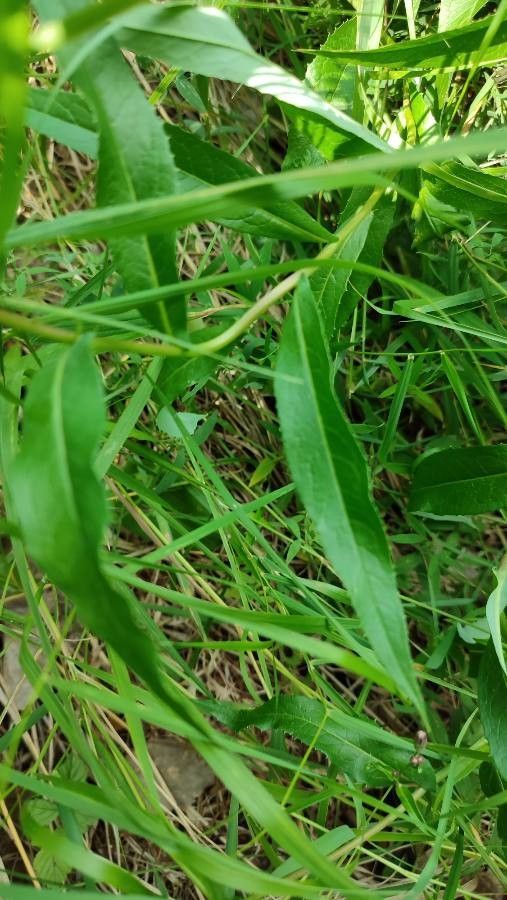
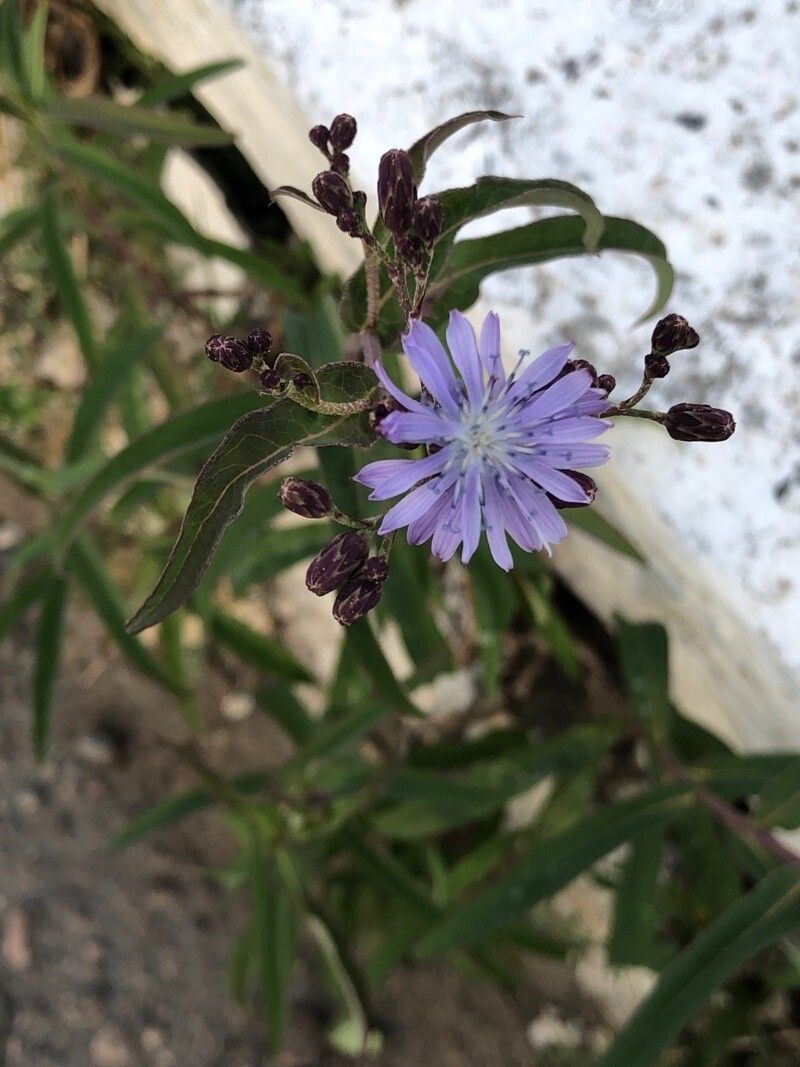
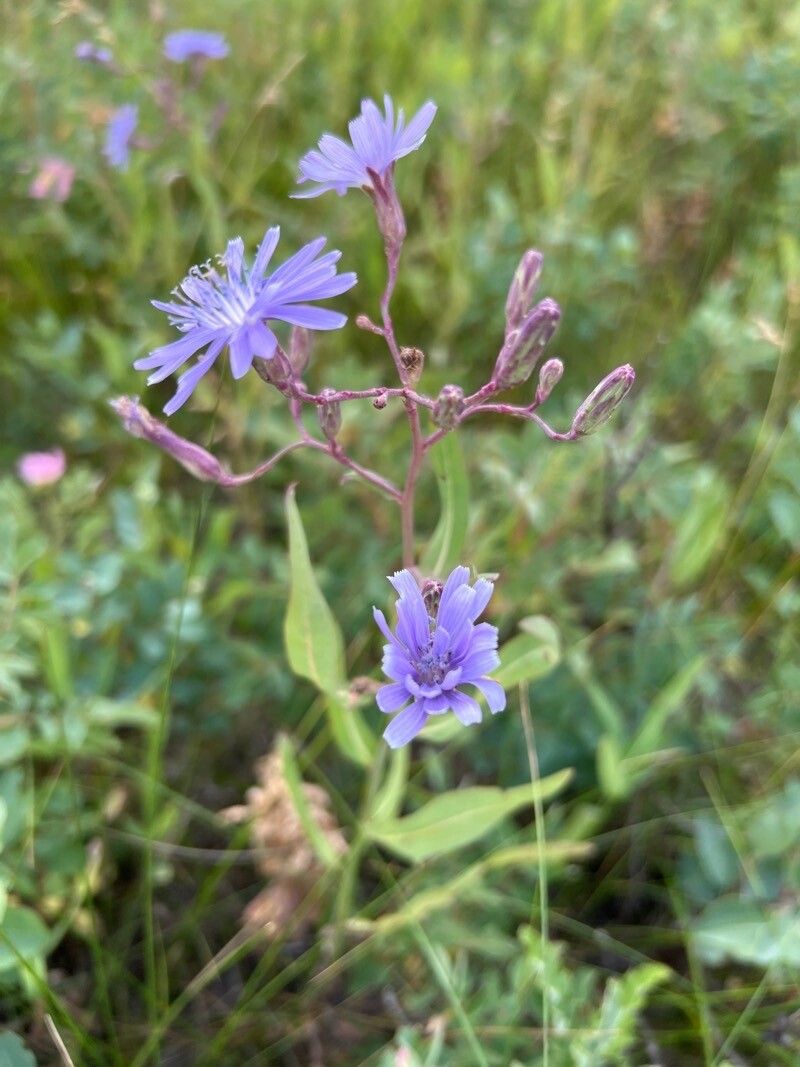
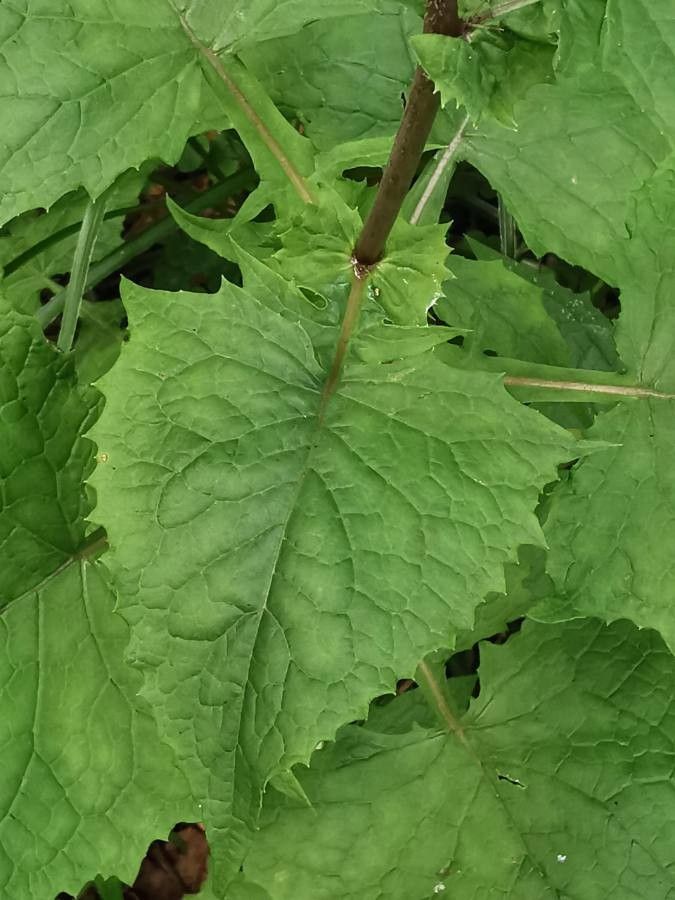
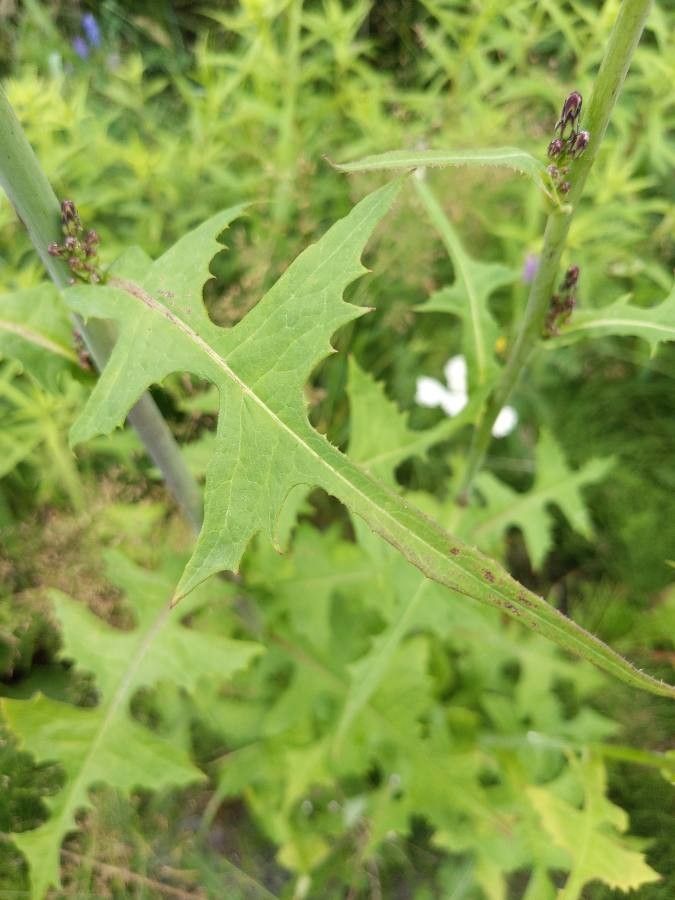
Lactuca sibirica, the Siberian lettuce, is a species of wild lettuce native to Norway, Sweden, Finland, the Baltic states, Belarus, Ukraine, all parts of Russia, Kazakhstan, Mongolia, the northern half of China, the Korean peninsula, Sakhalin, the Kuril Islands, and Japan. It is the host of the systemic rust fungi Puccinia minussensis, which propagates with it along its ramets, resulting in complex host-parasite interactions.
Prickly lettuce is quite disease-resistant and generally not prone to illnesses. Nonetheless, it can be affected by pests and diseases present in its surroundings. These problems are typically not serious. For care, the plant requires moderate upkeep. It should be pruned regularly to keep a tidy appearance and promote healthy growth. Fertilizing can also aid in encouraging flowering. Prickly lettuce is suitable for anyone with outdoor space, such as a garden or patio, and does not demand extensive care experience. It may need more attention when grown indoors.
How to keep Lactuca Sibirica.
Light
Prickly lettuce is a sun-loving, perennial herbaceous plant native to open habitats and commonly found in meadows and grasslands. It prefers full sun but can tolerate partial sun.
Water
Prickly lettuce thrives in environments with moderate moisture. It is drought-tolerant and well-adapted to seasonal rainfall. To mimic its natural conditions, water the plant weekly. This watering schedule aligns with its native rain patterns and promotes optimal growth, especially in outdoor meadows and fields.
Temperature
Prickly lettuce can adjust to a broad range of temperatures, but its range may still be constrained by various combinations of moisture and heat conditions. It does best in warm summer climates with sufficient rainfall or watering. Extended periods of cloudy, rainy weather or prolonged high temperatures can raise the chance of Prickly lettuce dying. In winter, shielding the plant from cold can increase its survival odds.
Fertilizer
One fertilizer application in spring is generally adequate for Prickly lettuce, though extra feedings can enhance growth. Apply it about once a month to every six weeks. Fertilization improves the leaves' appearance and function, encouraging uniform color and a healthy texture. It also promotes root development and nutrient uptake for lasting plant health.
Pruning
Prickly lettuce is characterized by its spiky leaves and tall growth, making annual pruning important for its health. Key techniques include removing dead or damaged foliage and thinning the stems to improve air circulation. Pruning should be carried out from early to late spring to encourage healthy growth, enhance flowering, and prevent pest infestations.
Botanical profile.
- Plant Type
- Herb
- Life Cycle
- Perennial
- Genus
- Lactuca
- Family
- Asteraceae
- Hardiness Zone
- 3-8
- Mature Height
- 0.3 m to 1.22 m
- Mature Spread
- 20 cm to 40 cm
- Leaf Color
- Green, Dark Green
- Leaf Type
- Deciduous
- Flower Color
- Purple, Pink
- Flower Size
- 1.02 cm to 2.03 cm
- Bloom Time
- Summer
- Planting Time
- Spring, Summer, Autumn
- Harvest Time
- Late summer, Early fall, Mid fall
- Native Area
- Russia, Norway, Sweden, Kazakhstan, Japan, Mongolia, Finland, Estonia, Koppen, Ukraine, Belarus, China
Other names.
Reader questions.
What are the sunlight requirements for Prickly Lettuce (Lactuca sibirica)?
Prickly Lettuce (Lactuca sibirica) thrives under specific sunlight conditions to ensure its growth and happiness. For 'Full sun' exposure, it requires above 6 hours of sunlight per day. In contrast, 'Partial sun' conditions mean the plant should receive about 3-6 hours of sunlight daily. It's important to observe the movement of sunlight throughout your garden to find spots that offer the right balance of light and shade, facilitating the ideal environment for your Prickly Lettuce.
What is Prickly Lettuce?
Prickly lettuce, scientifically known as Lactuca sibirica, is a plant species. Details on its essentials, symptoms of its presence, and additional information are not provided.