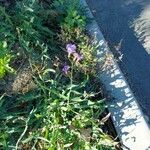
Lactuca tatarica
Blue Lettuce · Russian blue lettuce · Chicory lettuce
Description
Source: leafsnapLactuca tatarica, known as blue lettuce, is a Eurasian flowering plant in the tribe Cichorieae within the family Asteraceae. It is widespread across much of Europe and Asia.Lactuca tatarica is an herb up to 60 cm (2 feet) tall with a large taproot. Most of the leaves are near the base of the plant and are larger than leaves farther up the stem. Each flower head has about 20 blue or purple (rarely white) ray flowers and no disc flowers.Some authors have placed the North American species Lactuca pulchella as a subspecies or variety of a broader concept of Lactuca tatarica, while others consider L. tatarica to occur only in Europe and Asia. Lactuca tatarica (with L. pulchella and others) is commonly separated into the genus Mulgedium, as Mulgedium tatarica.
Care Guide
💧 Water
Blue lettuce flourishes in moist conditions and needs regular watering without being overwatered. To maintain its lush foliage, watering once a week is usually sufficient. When grown outdoors, blue lettuce benefits from natural rainfall, which helps to sustain its growth and seasonal vitality.
How should I water my Blue lettuce in the best way?
To properly water the Blue lettuce, it is important to follow a few guidelines. Firstly, it is recommended to use filtered water at room temperature instead of tap water, as tap water may contain harmful particles. Additionally, it is important to ensure that the water is not too cold, as the Blue lettuce is accustomed to warm environments and cold water can be a shock to its system. Rather than watering from above, it is best to directly apply the filtered room temperature water to the soil, making sure to completely soak the soil. This method is beneficial as it helps moisturize the roots, allowing them to continue spreading throughout the soil and absorbing the necessary nutrients for the plant's health.
What is the right amount of water for my Blue lettuce?
Both overwatering and underwatering can harm the health of your Blue lettuce, but overwatering is more common. Too much water can cause wilting and yellowing of the stems and leaves, as well as lead to diseases like root rot, mold, and mildew, which can be fatal to the plant. On the other hand, underwatering is less likely, as Blue lettuce is somewhat tolerant to drought. However, when underwatering occurs, the leaves may become brittle and brown. It is essential to identify signs of overwatering early to prevent irreversible damage. If you notice these signs, reduce your watering schedule immediately and check the soil's drainage. If the soil drains poorly, replace it with a loose, well-draining potting mix. Conversely, if you observe signs of underwatering, simply increase your watering frequency until the signs fade away.
How often do I need to water my Blue lettuce?
If your Blue lettuce is in a pot, you can easily check if it needs water by sticking your finger into the soil. If the top two to three inches of soil feel dry, it's time to water. If you're growing Blue lettuce outdoors in the ground, you can use the same method to test the soil. When the first few inches of soil are dry, it's time to water. Generally, during spring and early fall, you'll need to water once a week. However, in hot weather, you may need to water twice a week or more. It's worth noting that mature and well-established Blue lettuce can tolerate drought quite well.
How much water does my Blue lettuce plant need?
When watering your Blue lettuce, don't be afraid to give it a generous amount of water. Make sure the top two to three inches of soil are dry before watering. The soil should be thoroughly soaked, and the water should be enough to cause excess water to flow out of the drainage holes at the bottom of the pot. If you don't see any water draining out, it means you haven't watered enough. However, be careful not to let water accumulate in the soil, as this can harm the plant. If water is not draining properly, it may indicate that the soil is not draining well, which is not good for the plant's health. If the plant is outside, it should receive about an inch of rain per week, which is enough.
How do I water my Blue lettuce at different stages of growth?
The water needs of Blue lettuce vary based on its growth stages. For instance, when the lettuce is young or has just been transplanted, it requires more water to support root growth. During these stages, the lettuce channel a lot of energy into developing new roots, which need extra moisture to thrive. As the lettuce matures, it will require less water. Another stage in which the plant might need additional water is during the bloom period, as flower development uses up a significant amount of moisture.
☀️ Light Full sun
Blue lettuce grows best when it gets plenty of sunlight for most of the day, though it can tolerate periods spent in deeper shade. Its need for sun reflects its natural, sun-drenched habitat. Too little light can stunt its growth, while too much may scorch the leaves.
What are the sunlight requirements for Blue Lettuce?
Blue Lettuce (Lactuca tatarica) requires full sun, characterized by more than 6 hours of sunlight daily, but it can also tolerate partial sun, which amounts to about 3-6 hours of sunlight. Adequate exposure to sunlight is crucial for its growth, as its natural environment is predominantly sunny. The plant can withstand some periods in the shade, although too much shade may hinder its growth, and excessive sunlight could lead to leaf scorch. Observing how sunlight moves through your garden and finding locations that offer a balanced light exposure can ensure the health and happiness of your plants.
How do artificial lights support Blue Lettuce's growth indoors?
Indoor Blue Lettuce plants require sufficient lighting for optimal growth, especially when natural sunlight is scarce, such as during winter or in less sunny spaces. Artificial lighting provides an essential solution to this problem, enabling faster and healthier growth. LED lights are recommended for their ability to offer specific wavelengths needed by plants. The required intensity varies: full sun plants need 30-50W/sq ft, partial sun plants 20-30W/sq ft, and full shade plants 10-20W/sq ft. The artificial light should be placed 12-36 inches above the plant to mimic natural sunlight, ensuring the plant receives 8-12 hours of light daily to replicate natural daylight hours.
What are the symptoms of inadequate light in Blue Lettuce?
When Blue Lettuce is grown indoors or in conditions of insufficient light, it may exhibit several symptoms indicating light deficiency. These include smaller new leaves, leggy or sparse growth, premature leaf drop to conserve resources, slowed or ceased new growth, paler new leaves from a lack of chlorophyll and necessary nutrients, and conditions such as chlorosis, sunscald, leaf curling, wilting, and leaf scorching. These symptoms reflect the plant's struggle with poor lighting conditions, impacting its health and growth.
How can I address light deficiency symptoms in Blue Lettuce?
To address light deficiency in Blue Lettuce, gradually increasing sunlight exposure is key. For indoor plants, move them to sunnier spots weekly until they get at least 6 hours of direct sunlight daily, or use artificial lighting like desk or ceiling lamps, or professional grow lights, for at least 8 hours a day. For outdoor plants, similarly increase their sun exposure gradually to prevent sunburn. If natural light is blocked, identify and reduce obstructions, or consider transplanting the plant during its dormant period to a sunnier location with good drainage. It's important to note that while parts of the plant already affected may not recover, new growth should be healthy with improved light conditions.
🌡️ Temperature 0–32.2°C
Blue lettuce originates from temperate zones and tolerates temperatures ranging from 68 to 85 °F (20 to 35 ℃). The plant grows most successfully in warm climates. Adjustments for colder winter temperatures may be required to maintain optimal growth.
What is the ideal temperature range for growing Blue lettuce?
Blue lettuce thrives best in temperate regions, with an ideal temperature range between 68 to 85 °F (20 to 35 °C). This plant is well-suited for warm climates and requires adjustments for lower temperatures during the winter seasons to ensure optimal growth. Although it is highly cold-tolerant and does not require extra frost protection measures, it is recommended to water the plant generously before the first freeze in autumn to keep the soil moist and prevent drought and water scarcity during winter and early spring.
What should I do if the temperature drops below -35°C?
Blue lettuce is extremely cold-tolerant, capable of withstanding temperatures above -35°C. However, if temperatures fall below this threshold, there may not be noticeable changes during winter, but a decrease in sprouting or even a complete lack of sprouting may occur in spring. In such cases, it is advisable to remove any parts of the plant that have failed to sprout in spring to promote healthy growth and recovery.
How does Blue lettuce react to high temperatures, and what are the solutions?
Blue lettuce does not tolerate high temperatures well. When the temperature soars above 35°C, its growth halts, and it becomes more susceptible to rot. To alleviate heat stress, trim away any sunburned and dried-up parts to help the plant recover. Moving the plant to a shaded location or using a shade cloth can also protect it from the harsh midday and afternoon sun. Additionally, watering the plant in the morning and evening can help keep the soil moist, providing a more favorable growth environment during hot weather.
💨 Humidity
🪴 Soil 6-7
🌱 Fertilizer
Blue lettuce requires regular fertilization to encourage flowering but is sensitive to too much. It needs light, frequent applications of fertilizer throughout its life cycle, especially during the main period of active growth and while it is flowering. Continue feeding your Blue lettuce until it stops blooming.
🪴 Pot & Repot
✂️ Pruning
Blue lettuce stands out with its distinctive blue-green leaves and thrives when pruned with care. The best time to prune is from early to late spring, which encourages healthy growth. By removing dead branches, you can enhance air circulation and boost the plant's overall vitality, leading to a more vigorous and visually appealing appearance.
🌿 Propagating
🐛 Diseases & pets
☠️ Toxicity
Characteristics
- Plant Type
- Herb
- Life Cycle
- Biennial, Perennial
- Genus
- Lactuca
- Family
- Asteraceae
- Hardiness Zone
- 3-7
- Mature Height
- 61 cm
- Mature Spread
- 20 cm to 49 cm
- Leaf Color
- Green, Blue
- Leaf Type
- Deciduous
- Flower Color
- Blue, White, Pink, Purple
- Flower Size
- 1.02 cm to 2.03 cm
- Bloom Time
- Summer
- Planting Time
- Spring
- Harvest Time
- Late summer, Early fall, Mid fall
- Native Area
- Tajikistan, Turkey, India, Slovakia, Bulgaria, Armenia, Pakistan, Ukraine, China, Uzbekistan, Russia, Afghanistan, Kyrgyzstan, Kazakhstan, Mongolia, Iran, Azerbaijan, Romania, Moldova, Turkmenistan