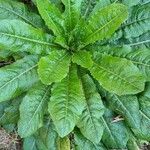
Lactuca virosa
Wild lettuce · Greater Prickly Lettuce · Bitter Lettuce · Great lettuce · Acrid lettuce
Description
Source: leafsnapLactuca virosa is a plant in the Lactuca (lettuce) genus, often ingested for its mild analgesic and sedative effects. It is related to common lettuce (L. sativa), and is often called wild lettuce, bitter lettuce, laitue vireuse, opium lettuce, poisonous lettuce, tall lettuce, great lettuce or rakutu-karyumu-so.
🌳 Prickly lettuce is used in various ways, one of which is as a bioindicator of soil health and quality. It is also used in ethnoveterinary practices, with parts of the plant applied to support animal health, showing its value beyond human-focused uses.
🎭 Celibacy, Safeguarding, Dreams
Care Guide
💧 Water Every 7 days
Wild lettuce grows well with consistent watering, ideally once a week, to maintain stable moisture levels. It prefers moderate indoor humidity. Ensuring adequate water uptake is crucial during its active growing season to promote healthy foliage and growth.
How should I water my Wild lettuce?
To properly water the Wild lettuce, it is important to follow a few guidelines. First, use filtered water at room temperature or slightly warmer. Tap water may contain harmful particles. Second, avoid overhead watering to prevent foliage complications. Instead, focus on applying the filtered room temperature water directly to the soil until it is completely soaked. This method helps moisten the roots, promoting their growth and nutrient absorption. Since the Wild lettuce comes from a warm environment, using cold water can be a shock to its system.
What should I do if I give my Wild lettuce either too much or too little water?
Overwatering is a common issue that can harm your Wild lettuce. It causes wilting and yellowing of the stems and leaves. Overwatering for a long time can lead to diseases like root rot, mold, and mildew which can be fatal for your plant. Underwatering is less common, but it can still happen. Signs of underwatering include brittle and brown leaves. It's important to notice the signs of overwatering early because some diseases cannot be fixed if left for too long. If you see early signs, reduce watering immediately and check the soil quality. If the soil doesn't drain well, replace it with a loose and well-draining potting mix. If you notice signs of underwatering, simply water more regularly until the signs go away.
How frequently should I water my Wild lettuce?
If your Wild Lettuce is in a pot, the easiest way to determine if it needs water is to stick your finger in the soil. If the top two to three inches of soil feel dry, then it's time to water it. If you're growing Wild Lettuce in the ground outdoors, you can use the same method for testing the soil. When the first few inches of soil have dried out, it's time to water. Typically, during the spring and early fall, watering once a week will suffice. However, during extremely hot weather, you may need to water twice or even more times per week. It's worth noting that mature, well-established Wild Lettuce plants have a remarkable ability to withstand drought.
How much water does my Wild lettuce plant need?
When watering your Wild lettuce, don't be afraid to give it a generous amount of water. Wait until the top two to three inches of soil are dry, then thoroughly water the plant, making sure to soak the entire soil. Add enough water so that it flows out of the drainage holes at the bottom of the pot. If you don't see any excess water draining, you might not have given enough water. Avoid letting water accumulate in the soil, as this can harm the plant. If there is no water draining through the pot, it could indicate poor soil drainage, which is not good for the plant's health. If the plant is outside, it will generally only need about 1 inch of rain per week.
How do I water my wild lettuce as it grows?
The water needs of Wild lettuce can vary depending on its growth stages. In the first few years and after transplanting, it requires more water. During these stages, the plant focuses on growing new roots to support future growth, so they need more moisture. As the Wild lettuce matures, it will require less water. Additionally, during the bloom period, the plant may need more water as flower development uses a significant amount of moisture.
☀️ Light Full sun
Prickly lettuce does best with sunlight for most of the day, although it can withstand periods of lower-intensity sun. That capacity to handle a range of light levels is connected to the habitat it originally comes from. Still, prolonged insufficient light can damage its growth, just as excessive sun can harm its health.
What are the sunlight requirements for Wild Lettuce?
Wild Lettuce, scientifically known as Lactuca virosa, thrives in areas that receive a substantial amount of sunlight. It requires full sun, which means it needs more than 6 hours of sunlight daily, or partial sun, about 3-6 hours of sunlight per day. Monitoring how sunlight moves through your garden can help you find spots that offer the perfect balance of light and shade, ensuring optimal plant health and happiness.
How does sunlight affect Wild Lettuce's growth?
Sunlight is crucial for the growth and health of Wild Lettuce. Originating from habitats with plentiful sunlight, it performs best when receiving a generous amount of light. Insufficient light can impede its growth and negatively impact its health, while too much light might cause damage. During its growth stages, Wild Lettuce's light needs remain pretty consistent, making the management of its light exposure a vital part of its care.
Can artificial lighting be used for growing Wild Lettuce indoors?
Yes, artificial lighting can be a significant aid in growing Wild Lettuce indoors, especially in conditions where natural sunlight is limited, such as during the winter or in less sunny spaces. LED lights are recommended due to their ability to offer specific wavelengths needed by plants. For full sun plants, 30-50W/sq ft of artificial light is needed; partial sun plants require 20-30W/sq ft, and full shade plants need 10-20W/sq ft. The light source should be placed 12-36 inches above the plant to mimic natural sunlight, and most plants will need 8-12 hours of light per day.
What are the common symptoms of inadequate lighting in Wild Lettuce?
Wild Lettuce cultivated with insufficient light may exhibit several symptoms including smaller new leaves, leggy or sparse growth, accelerated leaf drop, halted or no new growth, pale or irregularly colored new leaves indicating a lack of chlorophyll, chlorosis (where leaves lose their green color), sunscald signified by pale, bleached, or necrotic areas on leaves/stems, leaf curling as a defense mechanism against too much light, wilting due to high water loss, and leaf scorching seen as brown, dry, and crispy leaf edges.
What are the solutions for Wild Lettuce suffering from inadequate sunlight?
To combat inadequate sunlight for Wild Lettuce, gradually increasing sunlight exposure is key. For indoor plants, start by moving them to a sunnier location each week, aiming for at least 6 hours of sunlight via a south-facing window and/or using artificial light for a minimum of 8 hours a day. Outdoors, acclimatize plants to sunnier positions gently to prevent sunburn. Minimize obstructions (like trimming trees) to improve sunlight access. For small plants, transplanting during dormant periods into well-lit, well-drained areas can also help. It's important to note that while parts of the plant already affected may not recover, new growth will be healthy with improved light conditions.
🌡️ Temperature 10–35°C
Prickly lettuce is native to habitats where temperatures vary between 68 and 95 °F (20 and 35 ℃). The plant prefers conditions within this range, so maintaining these temperatures, especially during seasonal transitions, will support healthy growth. If necessary, seasonal temperature adjustments should be made.
What are the ideal growing conditions for wild lettuce?
Wild lettuce, scientifically known as Lactuca virosa, thrives in moderate temperature regions, preferring temperatures between 68 to 95°F (20 to 35°C). It has a strong cold resistance and does not usually require special frost protection measures. However, in environments where winter temperatures are expected to plummet below -25°C, it's crucial to protect the plant against the cold by covering it with soil or straw. To prepare for winter and early spring, it's recommended to water the plant abundantly before the first freeze in autumn, ensuring the soil remains moist and enters a frozen state. This precaution helps to prevent drought and water scarcity during the colder months.
How does wild lettuce react to low temperatures?
Wild lettuce is notably cold-tolerant and optimally thrives when temperatures stay above 20°C. Throughout the winter, it's advisable to maintain temperatures above 0°C for the plant. Despite its hardiness, if temperatures fall below -25°C, while the plant might not show noticeable changes during winter, a decrease in sprouting, or in some cases, no sprouting might occur in the following spring. To address this, any parts of the plant that have failed to sprout by spring should be removed.
What should be done if wild lettuce is exposed to high temperatures?
During the summer, it's essential to ensure that wild lettuce is kept in conditions below 35°C. Exposure to temperatures above 38°C can lead to the leaves becoming lighter in color, curling, and becoming susceptible to sunburn, which in severe cases can cause the entire plant to wilt and dry. To mitigate these effects, trim away the sunburned and dried-up parts of the plant. Relocating the plant to a shaded area during the midday and afternoon sun, or using a shade cloth can be helpful. Additionally, watering the plant in the morning and evening helps to maintain soil moisture and supports the health of the plant.
💨 Humidity
🪴 Soil 6-7
🌱 Fertilizer
To maximize the yield and flavor of prickly lettuce, provide ample nitrogen throughout the entire growth cycle, from pre-planting through harvest. Well-watered, properly fertilized plants produce abundant, healthy leaves and reduce bitterness. Before planting, enrich the soil with organic matter such as compost or manure, ideally 2 to 8 weeks in advance.
🪴 Pot & Repot
✂️ Pruning
🌿 Propagating
🐛 Diseases & pets
☠️ Toxicity
Lactuca virosa can be toxic, even in moderate amounts. Some people use liquid extracts in very unsafe ways, which can lead to serious health problems. Eating raw Lactuca virosa may have side effects.
Characteristics
- Plant Type
- Herb
- Life Cycle
- Biennial, Annual
- Genus
- Lactuca
- Family
- Asteraceae
- Hardiness Zone
- 6-9
- Mature Height
- 0.4 m to 1.22 m
- Mature Spread
- 20 cm to 49 cm
- Leaf Color
- Green
- Leaf Type
- Deciduous
- Flower Color
- Yellow
- Flower Size
- 1.02 cm to 1.27 cm
- Bloom Time
- Early summer, Mid summer
- Planting Time
- Spring
- Harvest Time
- Mid summer
- Native Area
- Libya, Turkey, Sweden, India, Slovakia, Montenegro, Pakistan, Slovenia, Morocco, Croatia, Belarus, Germany, Ethiopia, Romania, Latvia, Belgium, Moldova, Portugal, Netherlands, Saudi Arabia, Tunisia, Cyprus, Bulgaria, Ukraine, Lebanon, China, Afghanistan, Syria, Kyrgyzstan, Kazakhstan, Italy, Mongolia, Finland, Iran, Azerbaijan, Somalia, Egypt, Austria, Eritrea, Yemen, Uzbekistan, Russia, Iraq, Estonia, France, Tajikistan, Czech Republic, Sudan, Armenia, Poland, Greece, Serbia, Lithuania, Norway, Spain, Switzerland, Vietnam, Denmark, Albania, Ireland, United Kingdom, Hungary, Algeria, Turkmenistan