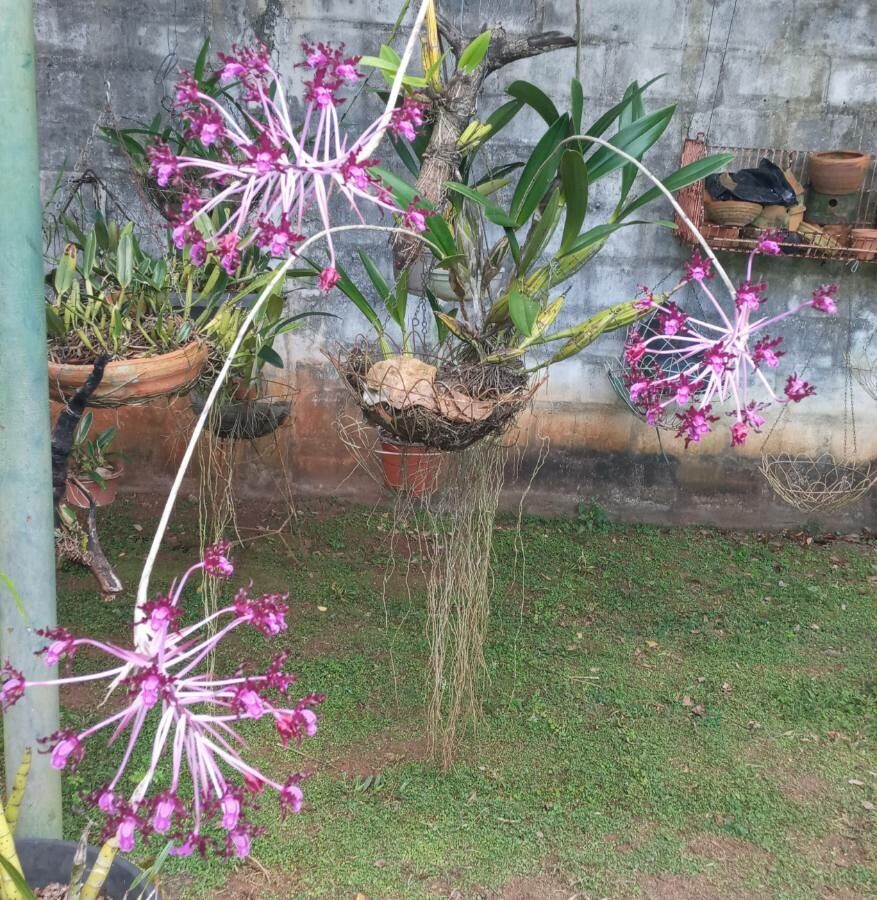
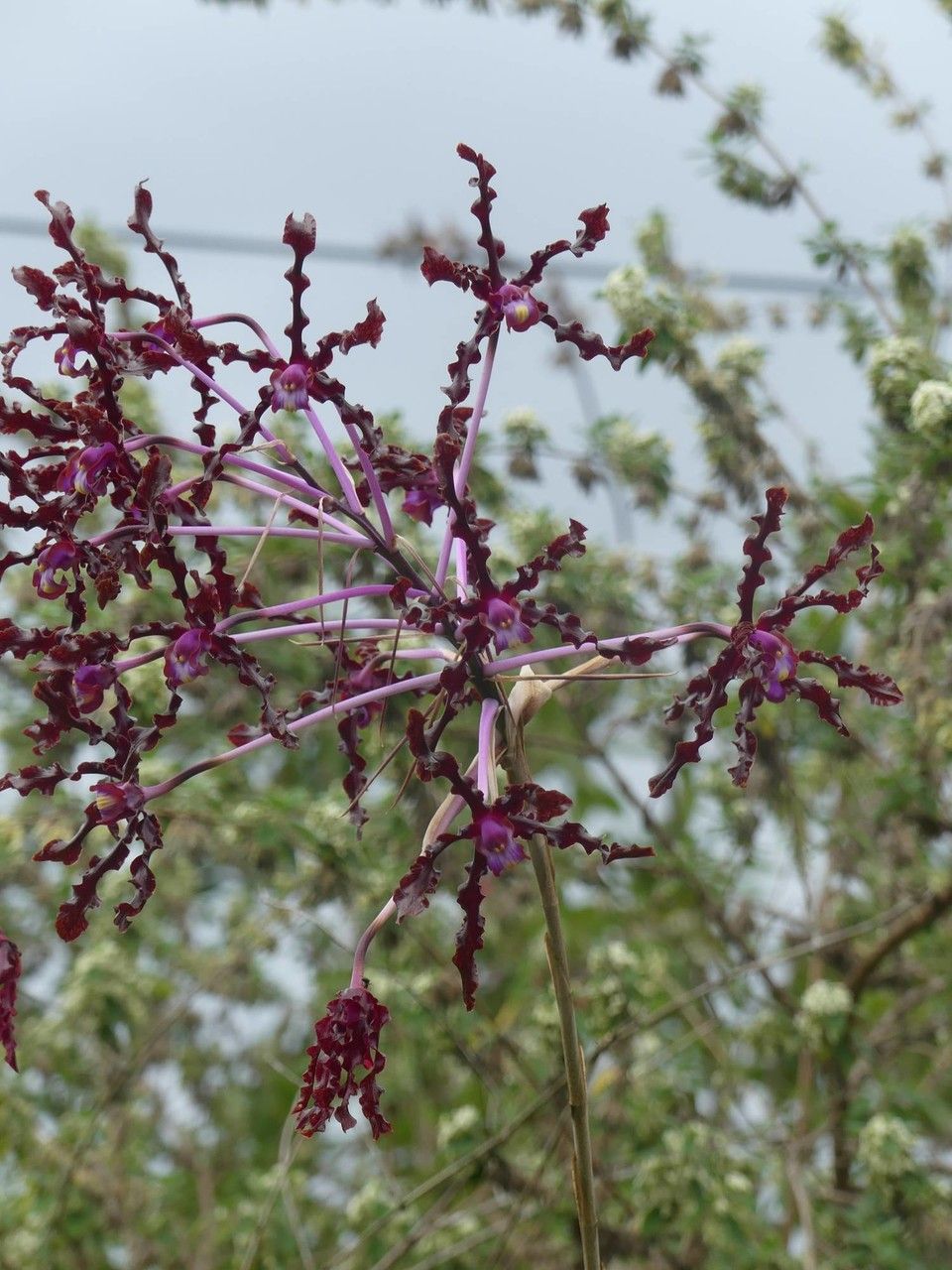
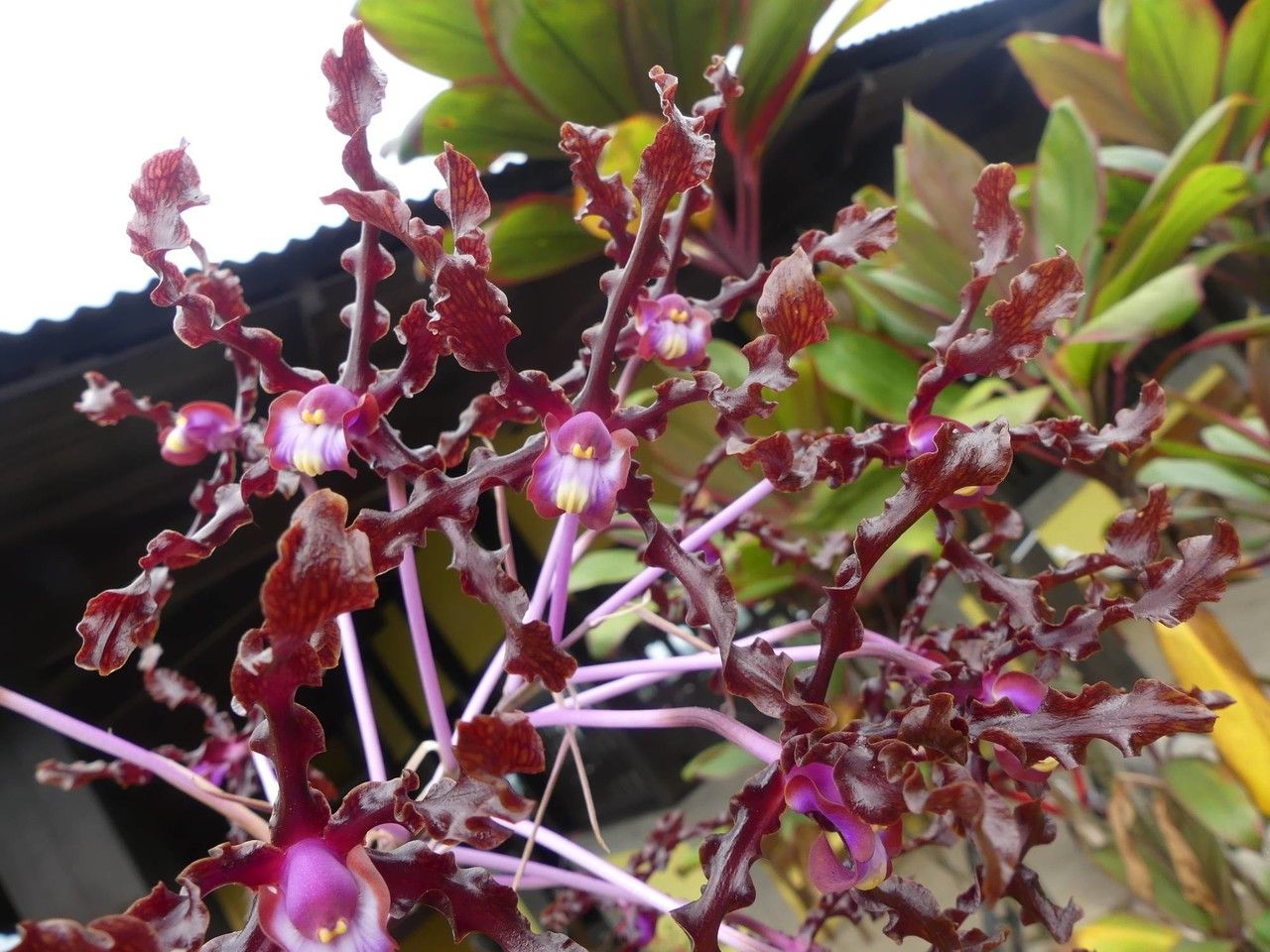
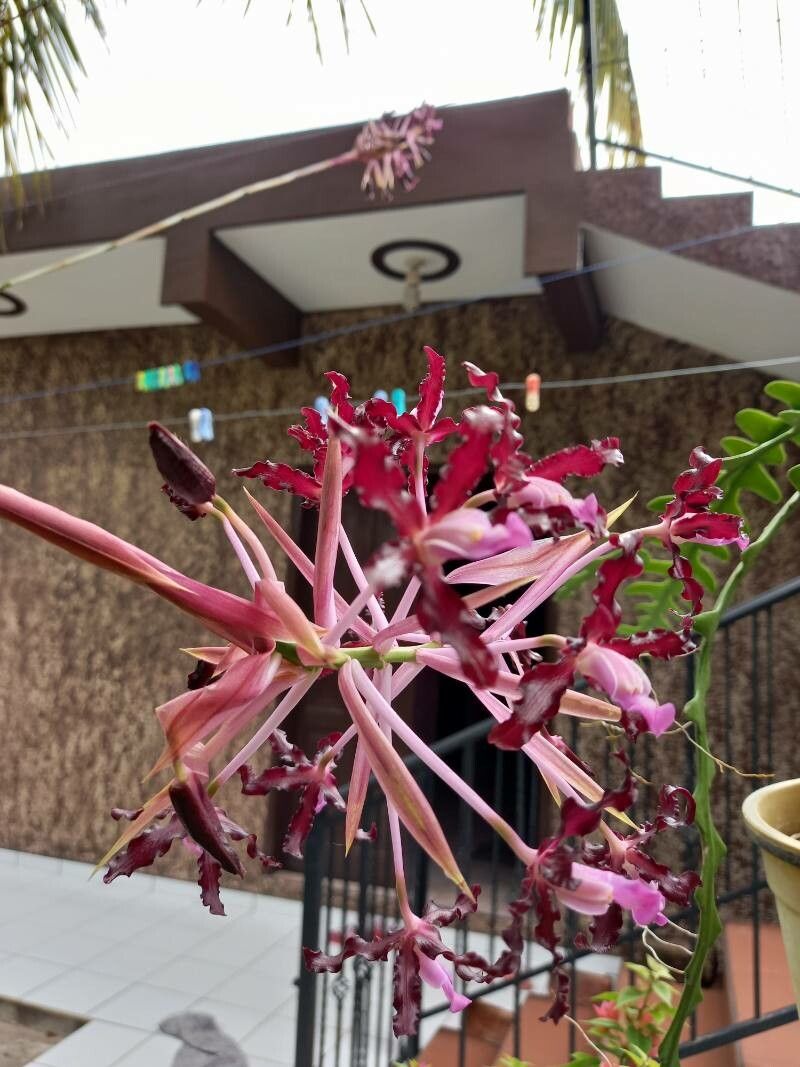
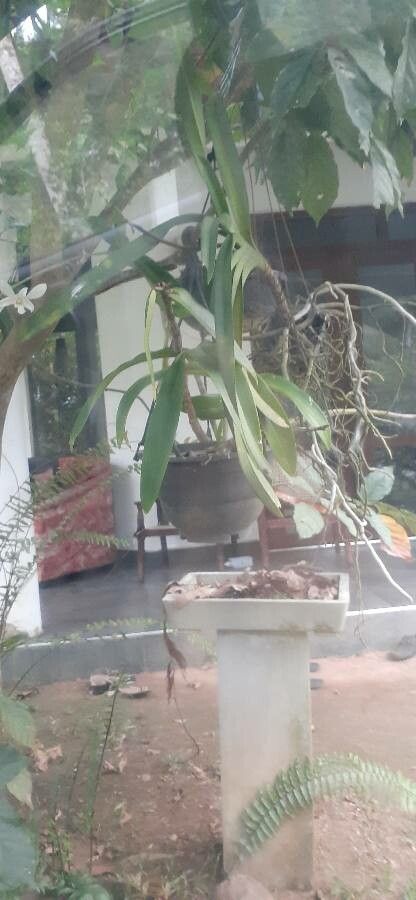
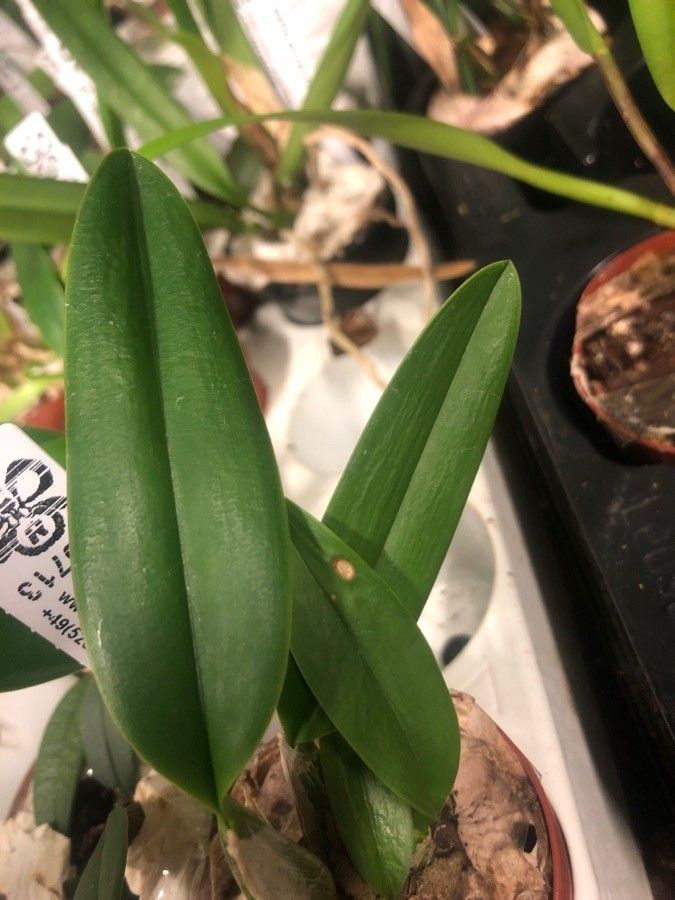
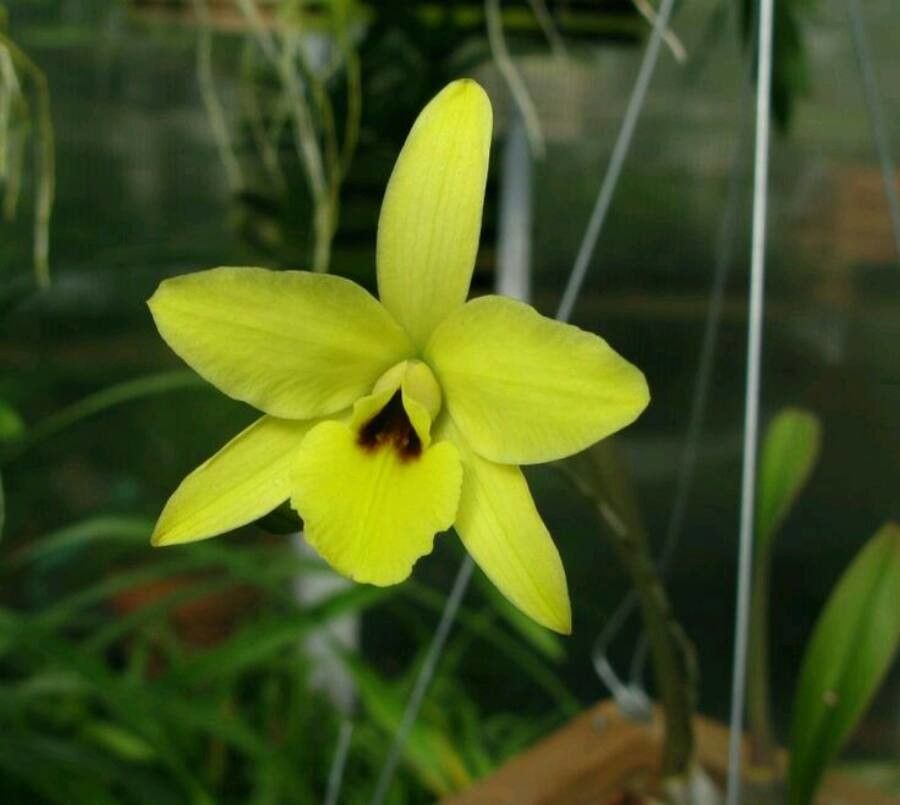
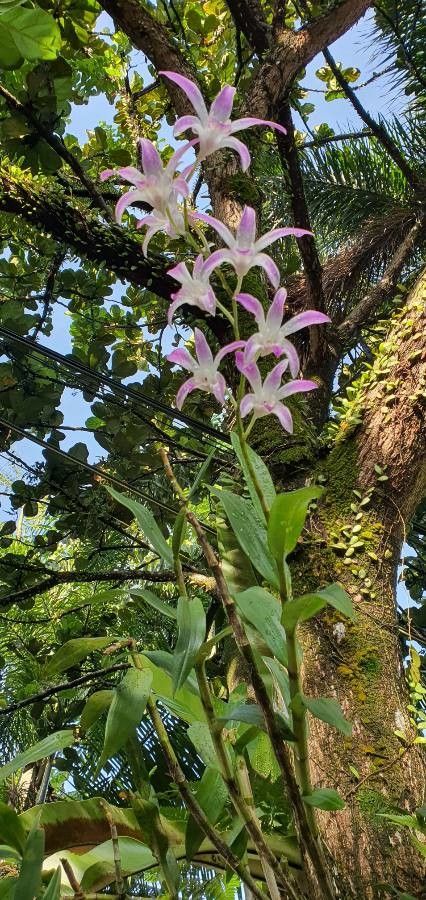
The original Laelia genus was one of the orchid world's workhorses. These plants were not only stunning on their own, but they also have a variety of exquisite blooms and species. They were also easily crossed with Cattleya, Sophronitis, and Brassavola species, resulting in some of the world's most beautiful orchids. However, recent name revisions have upended traditional taxonomy, and the Laelia genus has now been restricted to a few Mexican Laelia species, while the much more famous Brazilian Laelia has been renamed. Unfortunately, there is still a lot of confusion: the traditional Laelia genus is still commonly used, and plant renaming hasn't kept up with mainstream commerce.
How to keep Laelia Lueddemanii.
Water
Laelia does not require a lot of moisture, which is partly due to their origins as high-altitude plants. Keep them properly hydrated while they're growing, with around 50% humidity if possible. Reduce watering and humidity when the growing season is through, and offer them milder temps. After the growing season is through, most Laelia flower in the winter.
Temperature
In the growing season, they prefer intermediate temperatures with a chilly winter period for the best blooms. They don't require high humidity levels, growing best in about 50% humidity.
Fertilizer
Laelia are not particularly voracious eaters. Feed a normal orchid meal at quarter or half strength during the growing season, then stop feeding in the winter.
Pruning
Laelia Orchids are simple to prune. Cut off any dead or diseased leaves at the base with sharp scissors or a knife.
Toxicity
Both humans and pets are unaffected by Laelia Orchids (Laelia spp.). They can be grown safely inside.
Further reading →
The toxicity and danger assessments provided are for reference only. We do not assure their accuracy, so it's crucial not to depend on them. Seek professional advice when necessary for accurate guidance.
Botanical profile.
- Genus
- Laelia
- Family
- Orchidaceae
- Bloom Time
- Laelia typically bloom in the autumn or winter, after the growing period stops. The two most common species, L. rubescens and L. anceps feature inflorescence ranging between one and three feet. L. anceps typically has two to five flowers of about four inches across. L. rubescens has eight to twelve flowers, each about three inches across. Laelia flowers are usually white or pale lavender.
Other names.