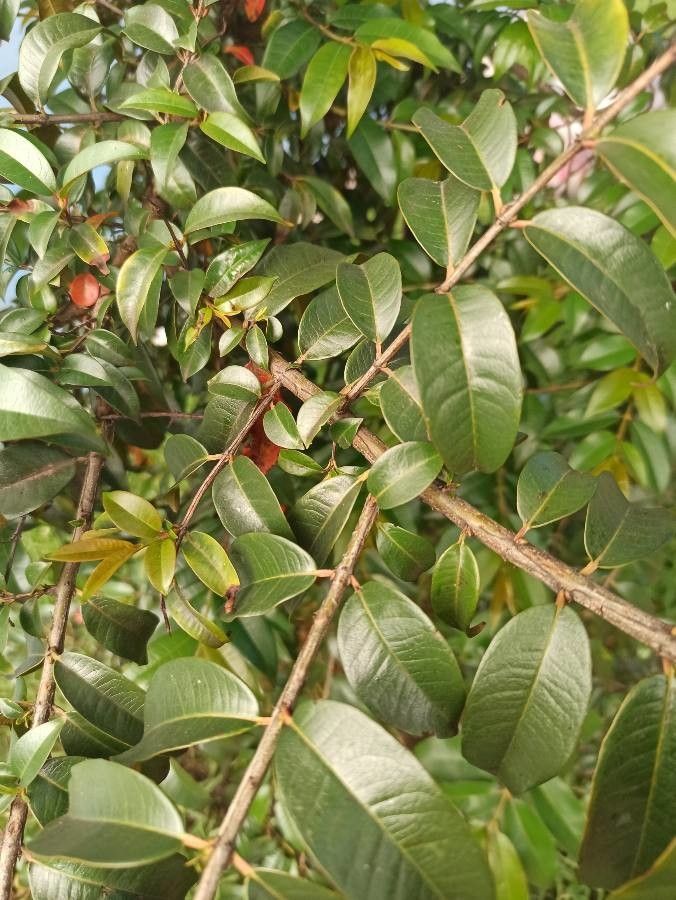
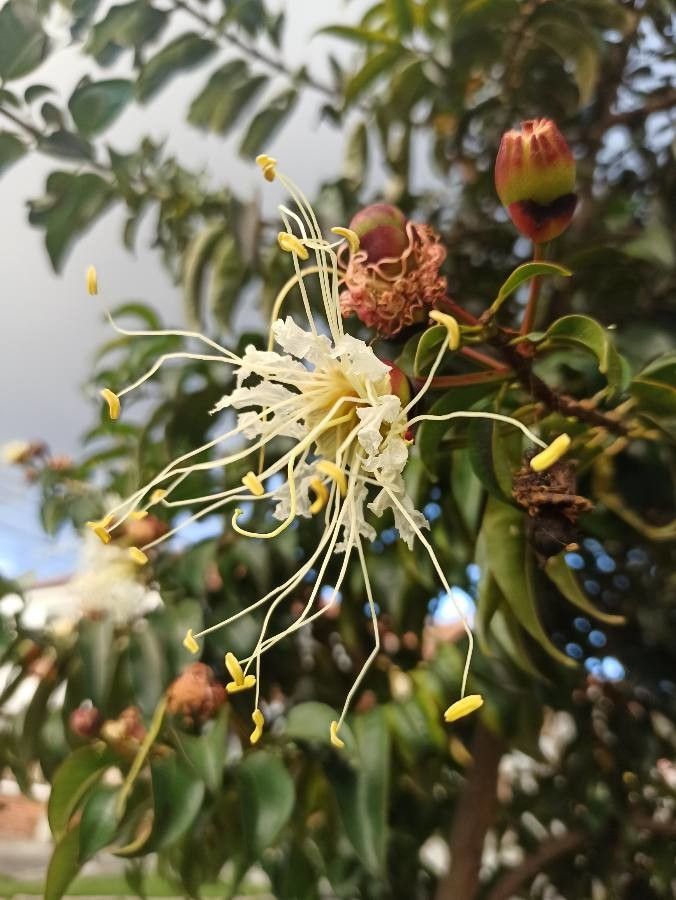
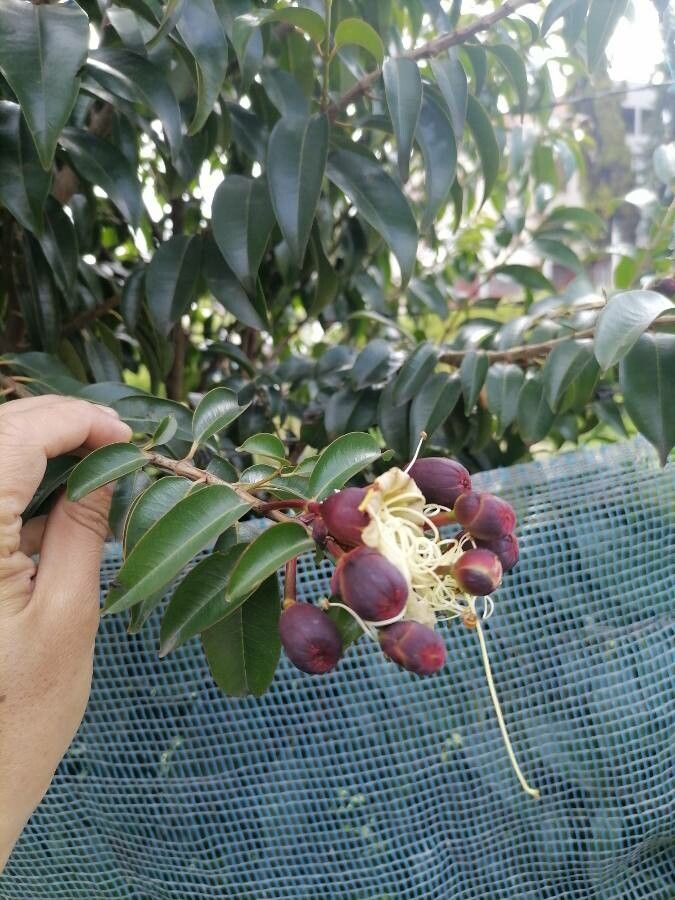
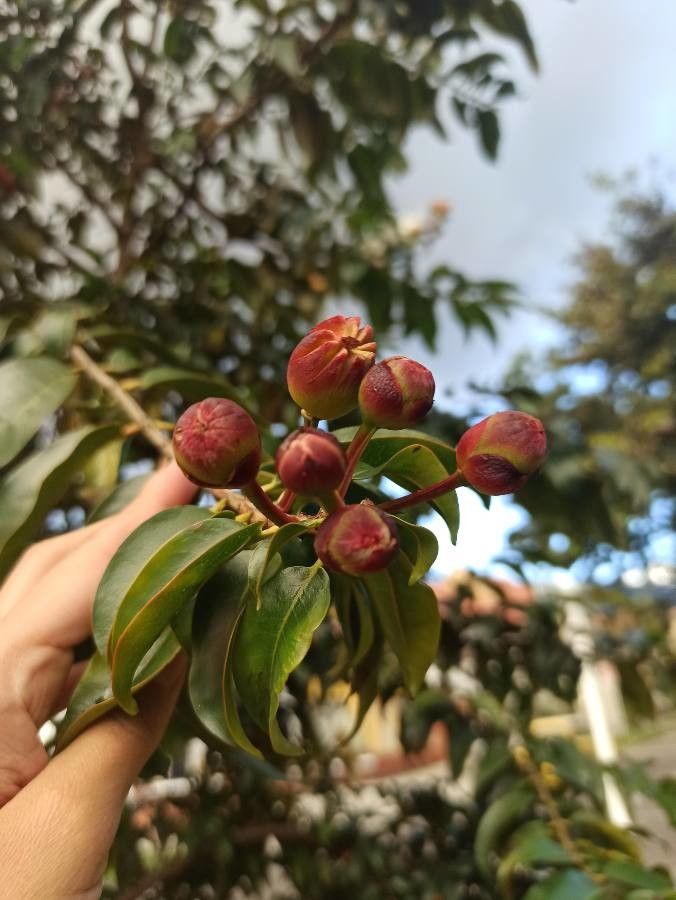
The Colombian pinwheel tree has strong disease resistance and is generally not susceptible to diseases. In terms of care, this plant is fairly low-maintenance. When grown outdoors it requires minimal watering, and larger specimens usually do not need pruning. Smaller plants should be pruned after they have finished blooming. The Colombian pinwheel tree is suitable for anyone with an outdoor area, such as a garden or deck, and does not require much experience in plant care.
How to keep Lafoensia Acuminata.
Light
The Colombian pinwheel tree is native to open habitats, such as sunny meadows and forest edges, which provide abundant light. It thrives in Full Sun but can also tolerate Partial Sun, adjusting well to different sunlight levels.
Water
The Colombian pinwheel tree, which comes from regions with occasional rainfall, is moderately drought-tolerant. It needs watering every 2 to 3 weeks. For optimal growth, it thrives in well-draining soil, which is essential to replicate the drainage conditions of its native habitat.
Temperature
The Colombian pinwheel tree comes from tropical areas where the climate is generally warm and humid. Consequently, it is well suited to high temperatures and humidity. It does not tolerate sudden temperature changes and prefers a consistent thermal environment, so avoiding temperature fluctuations indoors is important. It typically cannot withstand cold and needs warmer temperatures to develop. If the surrounding temperature falls too low, the plant may stop growing or even die.
Fertilizer
The best time to fertilize a Colombian pinwheel tree is in early spring, as it breaks dormancy. This encourages overall growth and the development of flowers. Fertilization improves the foliage, stems, and branches and promotes flowers that are large, vibrant, and long-lasting. It also assists in moving nutrients from the roots to the blooms and enhances the plant’s health and resistance to disease.
Pruning
The Colombian pinwheel tree is known for its vibrant, pinwheel-like flowers and lush foliage. To promote growth and enhance blooming, it is best to prune the tree in early spring. During pruning, remove any dead or diseased branches, and thin out any overcrowded areas. This will improve air circulation, leading to a healthier and more visually appealing plant structure.
Botanical profile.
- Plant Type
- Tree
- Life Cycle
- Perennial
- Genus
- Lafoensia
- Family
- Lythraceae
- Hardiness Zone
- 9-11
- Mature Height
- 24.99 m
- Mature Spread
- 4.88 m to 10.06 m
- Leaf Color
- Dark Green
- Leaf Type
- Deciduous
- Flower Color
- White
- Flower Size
- 5.08 cm to 6.35 cm
- Bloom Time
- Summer, Early fall, Mid fall
- Planting Time
- Spring, Summer, Autumn
- Harvest Time
- Fall, Early winter, Mid winter
- Native Area
- Colombia, Bolivia, Ecuador, Peru
Reader questions.
How should I water my Colombian pinwheel tree?
To promote excellent root development, place a garden hose at the base of your plants instead of directly spraying the leaves. When watering, keep in mind that outdoor plants in direct sunlight will need more water. Consider using bubblers or soaker hoses to moisten the roots effectively. Make sure to drain any excess water and allow the soil to dry before watering again. To prevent diseases, water at ground level. On a sunny day, it may be beneficial to spray the entire bush with water. Remember, whether in a pot or in the ground, the Colombian pinwheel tree prefers deep watering rather than light sprinkling.
How many hours of sunlight per day does a Colombian pinwheel tree need to grow well?
To promote healthy growth, it is important to ensure that the Colombian pinwheel tree gets a minimum of 3-6 hours of sunlight daily. It's worth noting that while most plants that can tolerate partial sun can also do well in full sun, they are more adaptable due to requiring less light for photosynthesis. This flexibility sets them apart from plants that specifically need either full sun or partial shade.
What should I do if I give too much/ too little water to a Colombian pinwheel tree?
If you see a Colombian pinwheel tree with yellow, dropping, and wilting leaves, it may be overwatered. Overwatering can also make the plant look dull and unhealthy. Mushy stems are also a sign of overwatering. In addition, wilting can be a sign of under watering, characterized by crispy and dry leaves. To address these issues, adjust your watering schedule accordingly. When the soil is dry and watering alone is not enough, give the plant a thorough watering. However, keep in mind that the Colombian pinwheel tree may still have dry and yellow leaves for a few days due to damage to its root system. Once the tree has recovered, the yellowing of the leaves will stop. When caring for a Colombian pinwheel tree indoors, always check the moisture levels in the pot to avoid overwatering. Look out for any signs of black spots, and if present, allow the soil to dry out by withholding water for a few days. Overwatering can lead to root rot, so if you notice discolored and slimy roots, consider transferring the tree to a different pot. Avoid letting the soil become too soggy to prevent root rot. When planting a Colombian pinwheel tree outdoors, ensure that you dig deep enough. If the soil feels too dry when you check with your fingers, it may be a sign of underwatering. In this case, provide adequate watering to help the plant recover.
What kind of sunlight does the Colombian pinwheel tree require?
The Colombian pinwheel tree thrives in full or part sun. For optimal performance, it prefers direct morning light but should be protected from the intense afternoon sun during summer. Too much hot afternoon sun in temperate environments can burn the leaves, which negatively impacts the plant's appearance and health.
How frequently should I give water to my Colombian pinwheel tree?
The Colombian pinwheel tree prefers to be watered deeply and less often. Specifically, you should soak them in a gallon of water each time, especially if they are in pots. In pots, the water storage is limited and the soil dries out faster. If you live in a cold region, water the tree every 3 to 5 days. It's best to water in the morning when the soil is dry, whether the tree is indoors or outdoors. To determine if watering is needed, check the soil inside the pot. If the top 2-3 inches of soil is dry, it's time to water the tree fully. During hot days, check the moisture in the pot daily, as the heat can quickly dry out the soil. If you have the tree in a garden, you will also need to irrigate the soil. In a hot climate, watering once a week is sufficient. Only water when you notice that about 2 to 3 inches of soil is too dry, whether the tree is indoors or outdoors. Take into account the amount of rainfall and avoid overwatering to prevent root rot. If there is plentiful rainfall, additional watering may not be necessary. The Colombian pinwheel tree usually grows during spring and fall. When the tree is outdoors, adding a layer of mulch about 3 to 4 inches deep can help conserve water. Sandy soil drains faster, so more frequent watering is required. On the other hand, with clay soil, watering can be less frequent, allowing the plant to dry out for 2-3 days without developing root rot. Consider marking the watering dates on a calendar and pay attention to drooping leaves, which may indicate that watering is needed soon.
Can the sun harm the Colombian pinwheel tree? How can we keep the Colombian pinwheel tree safe from damage caused by the sun and heat?
The Colombian pinwheel tree, when brought outdoors, can be easily damaged by direct sunlight. To prevent sunburns, it is best to gradually move the potted tree from a shaded area to a brighter spot. However, even if the plants are accustomed to the summer sun, extreme heat can still harm them. During a heatwave, it is crucial to keep the soil consistently moist to help the plants cope with excessive heat. To protect the sensitive Colombian pinwheel tree in extreme weather conditions, it is advisable to either move the containers to areas with afternoon shade or use a shade cloth to provide additional protection.
How much water should I give my Colombian pinwheel tree?
The Colombian pinwheel tree requires about a gallon of water on a regular schedule. For potted plants, water them deeply until you see water dripping out of the bottom of the pot. Then, wait for the soil to dry before watering again. You can use a water calculator or a moisture meter to keep track of how much water you give your plant each week. During the flowering period, make sure to provide plenty of water, but allow the moisture to evaporate afterwards to avoid root rot. If you have planted the Colombian pinwheel tree outdoors and there is sufficient rainfall, you may not need to water it additionally. However, when the tree is young or newly planted, make sure it receives 1-2 inches of rain per week. As the tree continues to grow, it can rely on rainfall alone. Only during hot weather or when there is no rain for 2-3 weeks, consider giving the tree a full watering during the cooler part of the day to prevent damage from heat. Additional watering will be necessary during prolonged dry spells.
Should I keep the Colombian pinwheel tree away from the sun?
Colombian pinwheel trees thrive in bright morning sun and moderate sun exposure; however, they cannot tolerate the harsh midday sun during summer. If you decide to plant the tree directly in the ground, it will slowly acclimate to the increasing intensity of the summer sun. However, if you have a potted plant that has been indoors or protected, it may suffer damage if suddenly exposed to direct summer sun during the hottest part of the day. To protect the Colombian pinwheel tree from this intense afternoon sun, it is best to plant or place it in an area with shade provided by taller trees, other plants, a building, or a landscape feature.
Should I change how often I water my Colombian pinwheel tree based on the time of year or the type of weather?
To take care of your Colombian pinwheel tree, it needs to be kept outdoors where it can receive rainwater. If the weather is consistently dry, you will need to water it. During the spring and fall seasons, the soil should be kept moist but not overly wet. Alternating between dry and moist soil conditions will promote healthy growth. In the summer, hot weather can cause the water to evaporate quickly, so you may need to water more often to keep the tree moist. Generally, the tree will require less water during the winter when it becomes dormant and drops its leaves. Using well-draining soil, such as terracotta, can help the water evaporate faster. Once the tree begins to leaf out and go dormant in the spring, you can stop watering it entirely as it can rely on natural rainfall. When the tree is flowering, avoid over-watering or letting the roots sit in water for too long. Adequate drainage is important, especially in winter. If the tree is in a pot, it will have limited root growth, so be sure to water it more frequently, especially in the summer. Water deeply once or twice a week, depending on the weather, to reach the entire root system. Avoid shallow sprinkling as it promotes fungal growth and does not reach the roots effectively. Even during dormancy in the fall or winter, do not let the tree dry out completely. However, be cautious to not over-water and drown the plant, as this can be harmful, especially in winter. Applying mulch can help reduce stress, conserve water, and encourage healthy blooms.
What will happen if the Colombian pinwheel tree doesn't get enough sunlight?
The Colombian pinwheel tree can indicate that it is not receiving enough sunlight through a few noticeable signs. It may appear pale green or have drooping, yellow leaves. While it is normal for some leaves to drop, if no new ones are growing in their place, it is a clear indication that something is wrong. In the event that the tree manages to grow despite inadequate light, the new growth tends to be thin, pale, and susceptible to insect infestation. By paying attention to these signs and adjusting the lighting conditions, you can greatly improve the tree's health.
What do I need to watch out for when watering my Colombian pinwheel tree in different seasons, climates, or while it's growing?
When planting Colombian pinwheel trees in the ground, they mainly rely on rain. However, if there is no rainfall for 2-3 weeks, it's important to give them a deep watering. In the summer, it's best to water them in the morning to avoid stressing the roots with a large temperature difference between the water and the root system. It's crucial to avoid watering the bushes in hot weather. Mulching should be started in the spring when the ground is not too cold. The age of the plants makes a difference, as newly planted ones often fail to grow due to lack of water. Once the plants are established, the watering schedule should be reduced. In the fall and winter, watering should be further decreased, especially if the soil contains water-retaining material. Dry winds during these seasons can dry out the plants, putting newly planted ones at risk of drought. Windy seasons generally require more watering. Plants in pots tend to dry out faster and therefore need more watering. If you notice less blooming and drying leaves, it's a sign that the plants in pots need more water. Watering potted plants can be more complex and require frequent monitoring. Avoid letting the pot-planted plants sit in water, and do not use containers with saucers that can collect excess water. Overwatering in the fall can result in mottled or yellowish foliage. It's always important to prevent overwatering, regardless of the current climate or season. During the flowering months, it may be necessary to increase watering frequency, but once the trees are fully grown, watering can be reduced. Water them adequately once every 3 to 5 days, but avoid sticking to a strict watering schedule. Check the soil's moisture level by sticking your finger in the pot or using a moisture meter. Beware of overwatering or underwatering, as both can cause root rot and potentially kill the trees, regardless of the climate or season in your area.
Do we need to take care of the Colombian pinwheel tree's sunlight needs as it grows?
New leaves, especially those of the young Colombian pinwheel tree, are highly sensitive to sunburn. It is important to note that during a strong growth phase, such as in late spring and early summer, these young trees are more susceptible to harsh sun and heat compared to mature trees or those in a dormant fall growth stage. Additionally, Colombian pinwheel trees that have recently been obtained from a nursery are typically not accustomed to intense sunlight and require a gradual introduction to it.