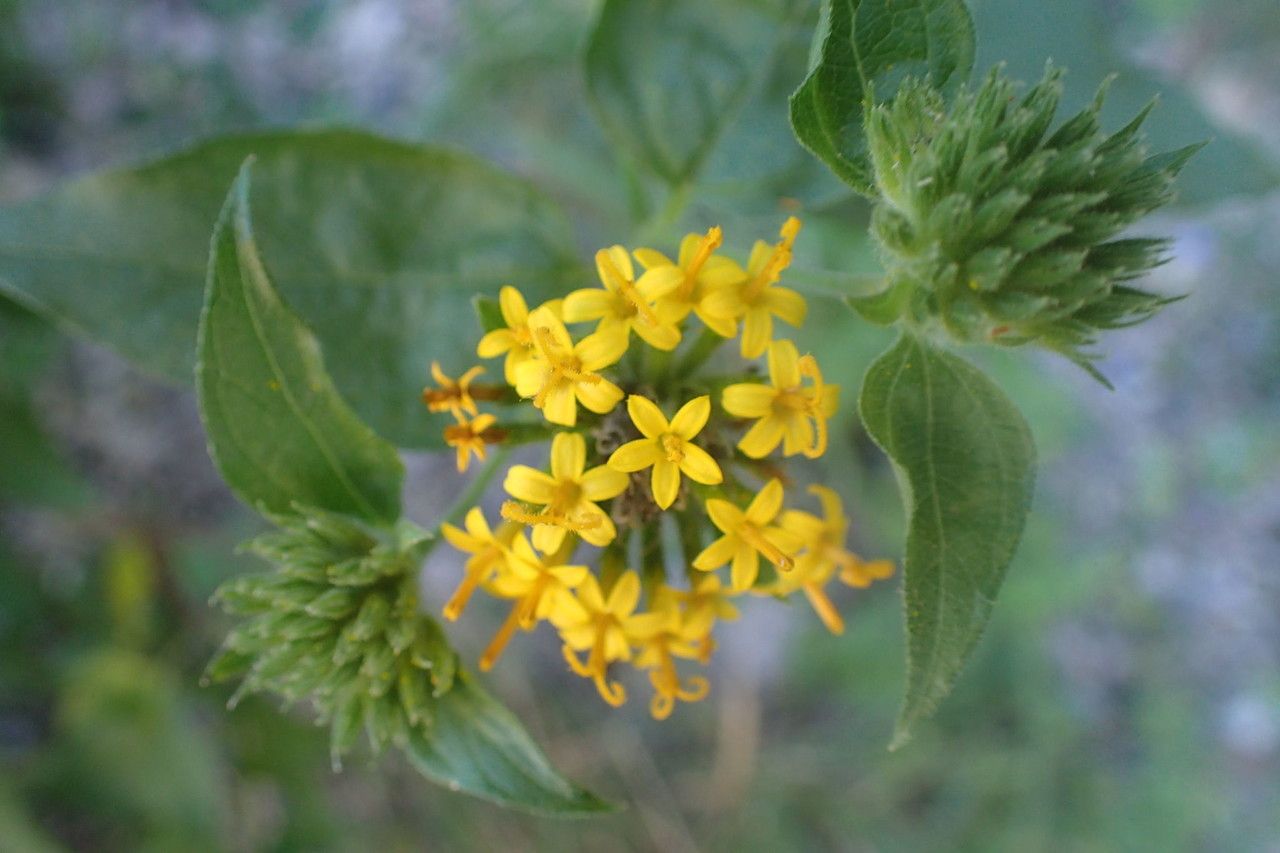
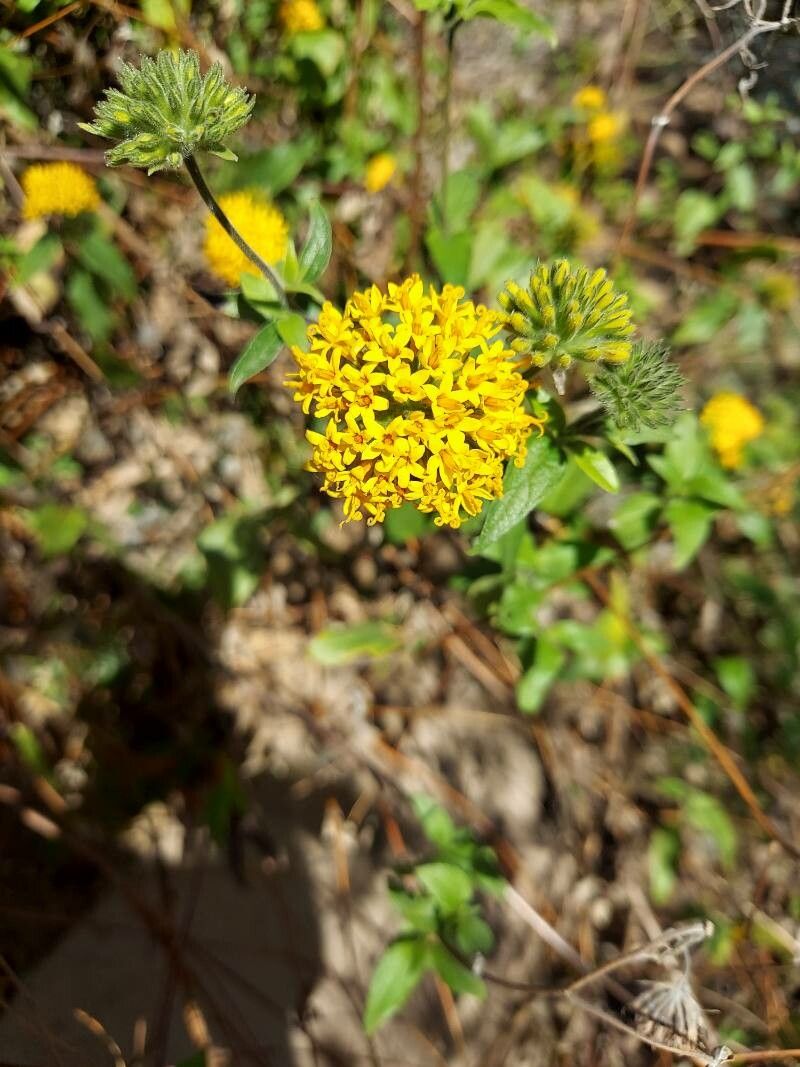
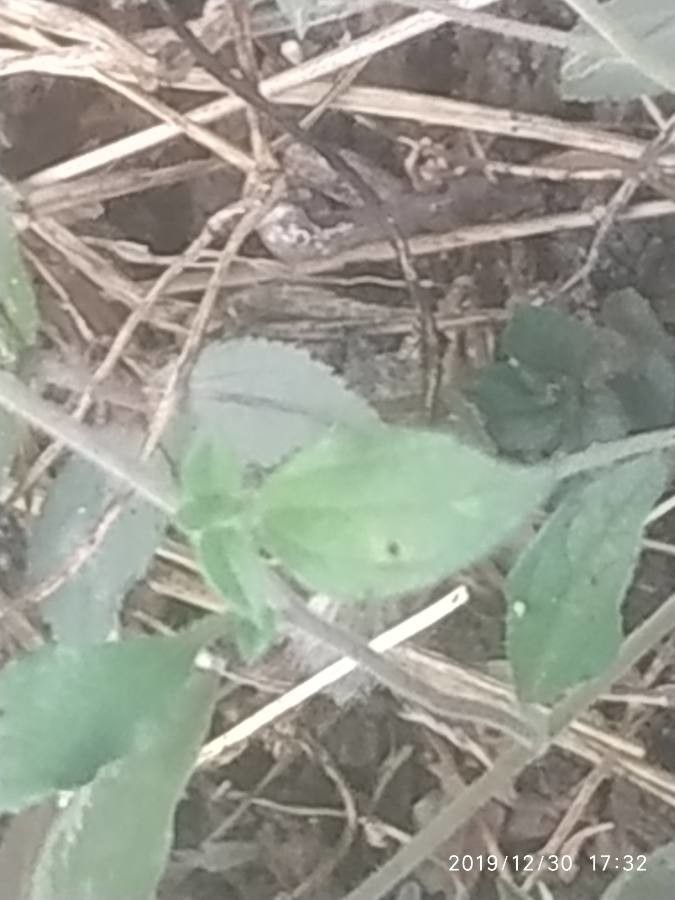
Lagascea decipiens is a perennial herbaceous plant that belongs to the Asteraceae family. It is native to South America, particularly Argentina, Brazil, and Paraguay. This plant can grow up to 1 meter tall and has a woody base with numerous branches. Its leaves are simple, alternate, and lanceolate with serrated margins.
The flowers of Lagascea decipiens are small and yellowish-white, arranged in clusters at the ends of the branches. They bloom from late summer through fall, attracting bees and butterflies for pollination.
Indigenous people have traditionally used this plant for medicinal purposes, such as an anti-inflammatory agent for treating wounds, reducing fever, and addressing respiratory issues like asthma.
Lagascea decipiens prefers well-drained soils with full sun exposure, although it can also tolerate partial shade. It is drought-tolerant but requires regular watering during dry periods to maintain its growth rate.
Overall, Lagascea decipiens is an attractive ornamental plant that can be grown both indoors and outdoors, adding beauty to any garden or landscape design. Additionally, it offers medicinal benefits when used appropriately by trained professionals or under medical supervision. Due to its potential toxicity, it should not be handled or consumed without proper guidance from experts based on scientific research evidence. Always consider individual needs, preferences, and health conditions when exploring this plant's potential benefits.
Botanical profile.
- Genus
- Lagascea
- Family
- Asteraceae
Other names.