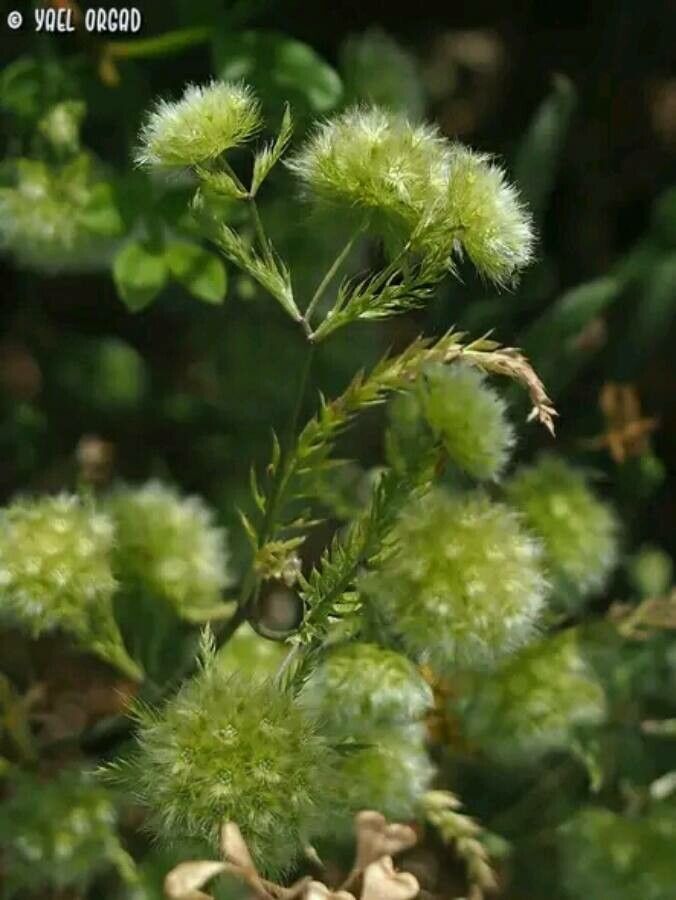
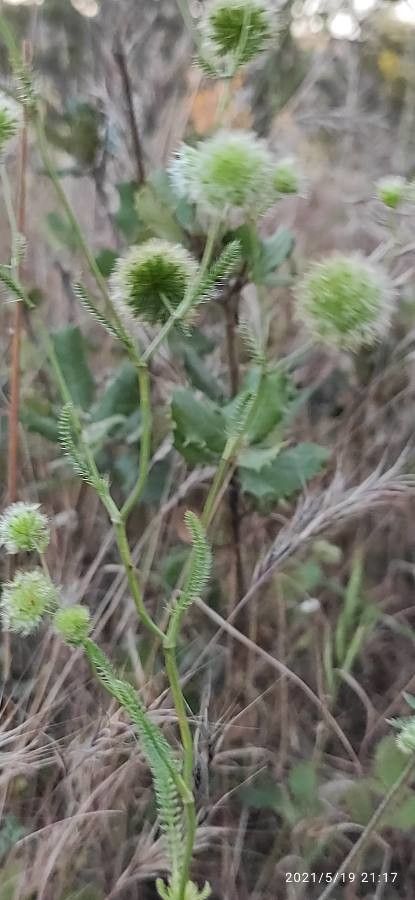
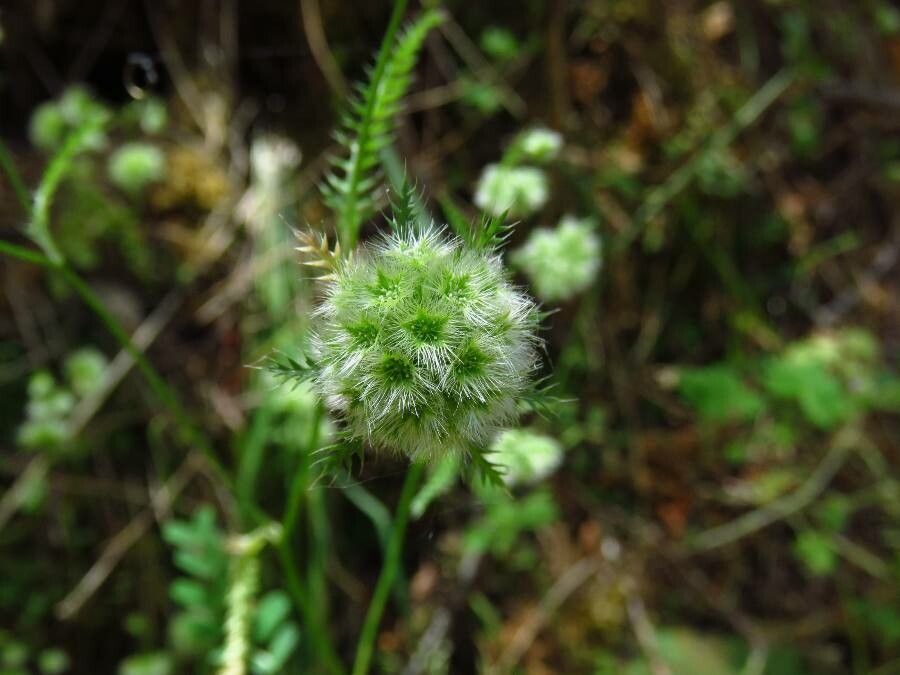
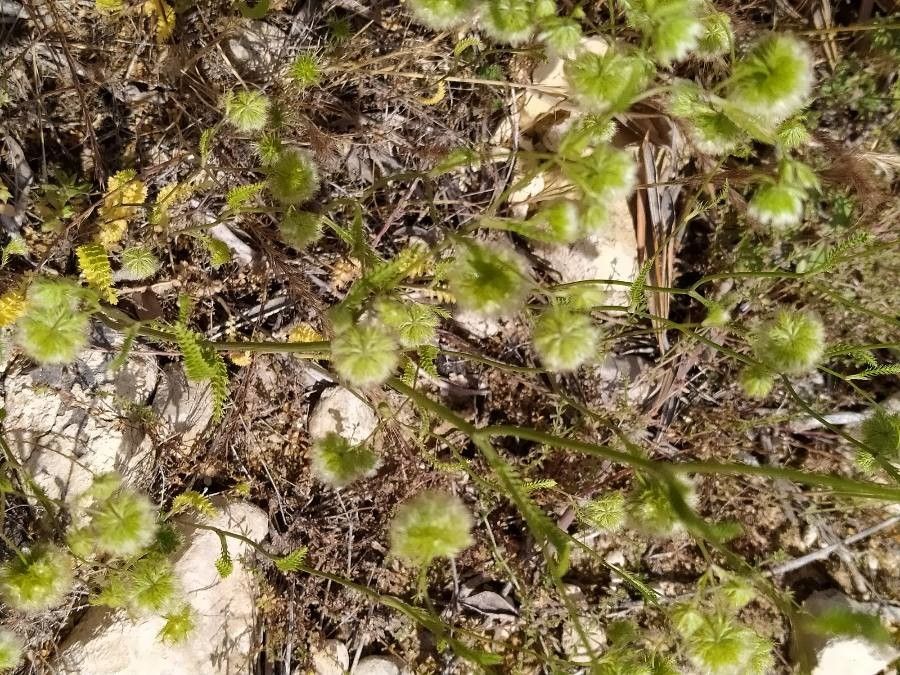
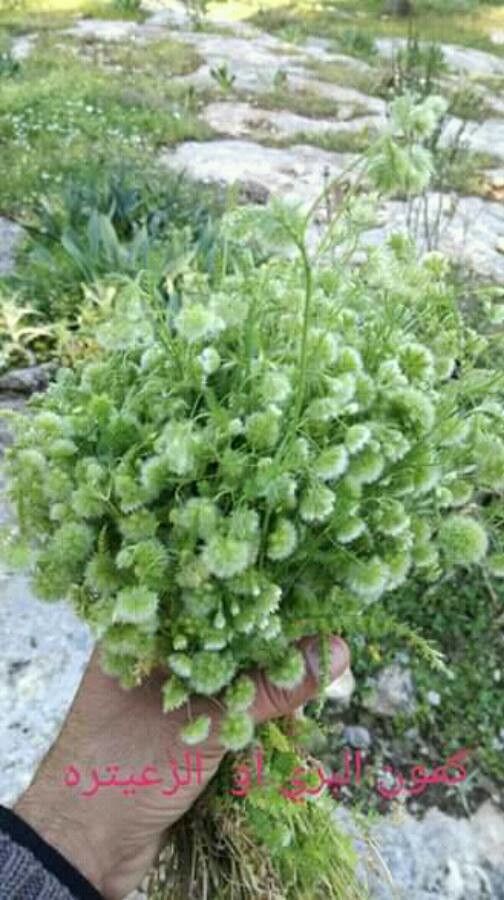
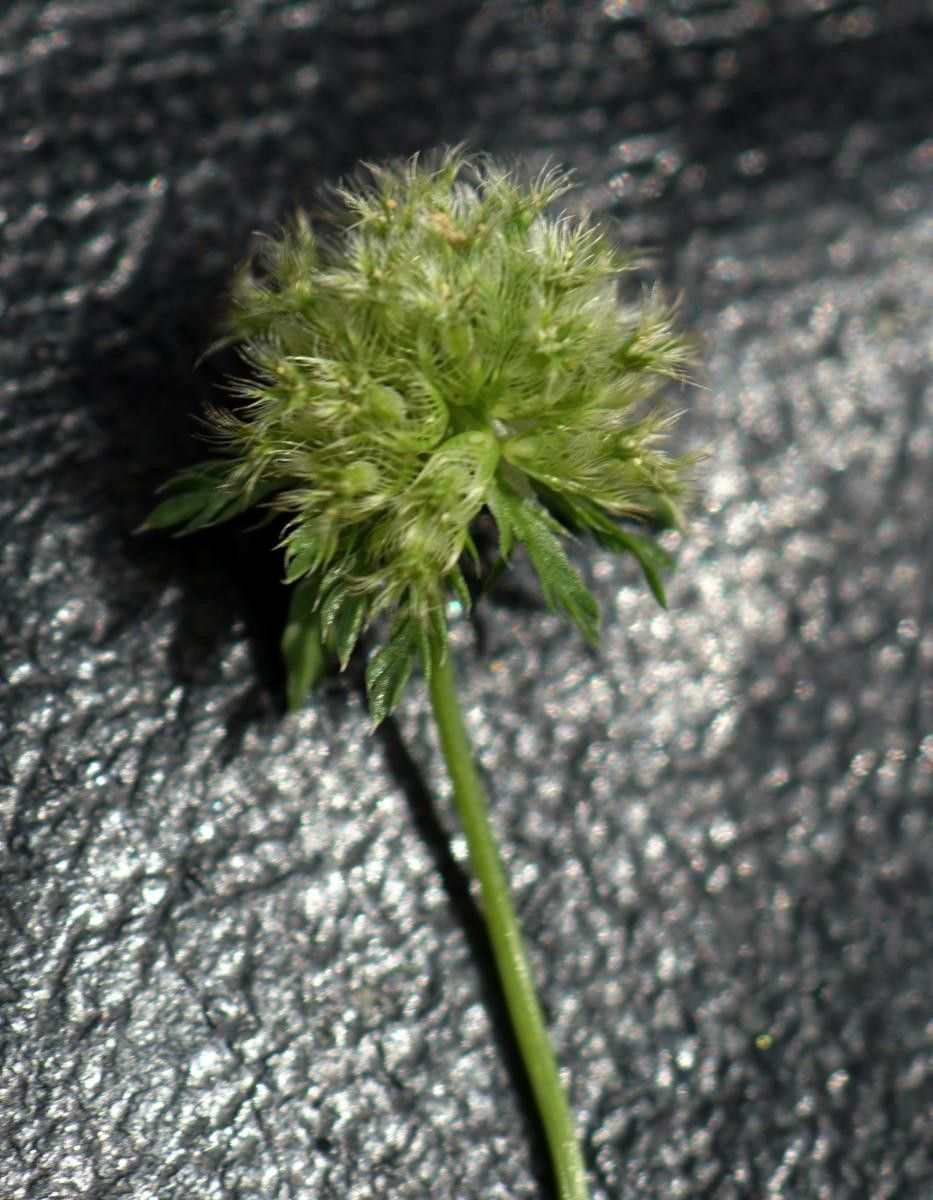
Lagoecia, wild cumin, is a genus of flowering plants in the family Apiaceae. It has only one species, Lagoecia cuminoides, native to the Mediterranean region and as far east as Iran. Its essential oil contains 72.83–94.76% thymol, quite a bit more than thyme (Thymus vulgaris) itself.
Fluffy thimbleweed is fairly disease-resistant and generally not prone to illness. However, it can still be affected by pests and diseases present in its surroundings. Such infections are typically mild. Regarding care, this plant has moderate maintenance needs. Regular pruning is necessary to keep it looking good and to encourage healthy growth. Applying fertilizer can also help promote flowering. Fluffy thimbleweed is suitable for anyone with an outdoor area, such as a garden or patio, and does not demand extensive plant-care experience. It may require more attention when grown indoors.
How to keep Lagoecia Cuminoides.
Light
Fluffy thimbleweed comes from bright, open habitats and performs best in full sun. It can handle some partial shade but favors direct sunlight for optimal growth. This plant, which may be annual or biennial, is noted for its preference for sunny conditions.
Water
Fluffy thimbleweed, a plant native to the Mediterranean regions, is drought-tolerant and thrives in well-drained soils. To keep it healthy, water it twice a week, ensuring the soil stays moist but not waterlogged. For optimal growth, plant it outdoors in full sunlight so it can effectively manage its water reserves and maximize photosynthesis.
Temperature
Fluffy thimbleweed is quite adaptable to heat, able to withstand higher temperatures and wide temperature fluctuations. In hot weather, attention should be paid to watering and providing appropriate shade to prevent sunburn. However, Fluffy thimbleweed is relatively intolerant of low temperatures; although it can handle some cold, very cold conditions can cause frost damage.
Fertilizer
Fluffy thimbleweed does well with frequent, low-strength fertilizer applications to encourage healthy leaf growth. You should apply fertilizer to Fluffy thimbleweed about once a month during the summer. Nitrogen is important for foliage, and adding nitrogen-rich sources helps Fluffy thimbleweed thrive.
Pruning
Fluffy thimbleweed is known for its soft foliage and unique thimble-like flowers. To encourage healthy growth and improve air circulation, prune it from early to late spring by removing any dead stems. Regular pruning helps the plant develop denser foliage and more abundant blooms. Make sure to use sterilized tools to prevent disease and maintain a compact, healthy shape for aesthetic appeal.
Botanical profile.
- Plant Type
- Herb
- Life Cycle
- Annual
- Genus
- Lagoecia
- Family
- Apiaceae
- Hardiness Zone
- 8-11
- Mature Height
- 40 cm to 61 cm
- Mature Spread
- 10 cm to 30 cm
- Leaf Color
- Light Green
- Leaf Type
- Semi-evergreen
- Flower Color
- White
- Flower Size
- 0.25 cm to 0.51 cm
- Bloom Time
- Mid spring, Late spring
- Planting Time
- Spring
- Harvest Time
- Early summer, Mid summer
- Native Area
- Russia, Libya, Iraq, Turkey, Syria, Portugal, Spain, Iran, Cyprus, Bulgaria, Albania, Greece, Lebanon
Other names.
Reader questions.
How much sunlight does Fluffy Thimbleweed (Lagoecia cuminoides) require?
Fluffy Thimbleweed (Lagoecia cuminoides) thrives in various sunlight conditions. For full sun exposure, it requires more than 6 hours of direct sunlight daily. If you're aiming for partial sun, about 3-6 hours of sunlight per day is suitable. Watch how sunlight gracefully moves through your garden, and choose spots that provide the perfect balance of light and shade for your plants, ensuring their happiness.