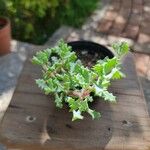
Lampranthus deltoides
Deltoid-leaved dewplant · Pink Ice Plant
Description
Source: leafsnapLampranthus deltoides, commonly known as the Pink Vygie or Pink Ice Plant, is a succulent belonging to the Aizoaceae family. Native to South Africa, this plant is characterized by its fleshy, triangular green leaves that can turn reddish-purple when exposed to full sun. Its vibrant pink, daisy-like flowers typically bloom from late spring to early summer. This succulent thrives in well-draining soil and full sun exposure, though it can also tolerate partial shade. While it is drought-tolerant, it benefits from occasional watering during the growing season. Lampranthus deltoides usually grows to about 6 inches in height and can spread up to 12 inches wide. Due to its low maintenance requirements and profuse blooming, the Pink Vygie is a popular choice for rock gardens, borders, and as ground cover. Its nectar-rich flowers also attract pollinators such as bees, enhancing its appeal to gardeners. In summary, Lampranthus deltoides is an excellent option for gardeners seeking an easy-to-grow succulent with stunning pink blooms. It adds a splash of color to landscape designs while demanding minimal care.
🌳 Pink ice plants extend beyond their ornamental value, fulfilling roles in local ecosystems that often go unnoticed. Occupying habitats that would otherwise be dry and inhospitable, they do not merely survive but flourish, supplying important resources for various animals. Beyond their vivid displays, some members of the ice plant family have been examined for their potential in phytoextraction of heavy metals, a trait that suggests broader environmental applications.
🎭 love song
Care Guide
💧 Water Every 7 days
Originating from arid regions, the pink ice plant is well-adapted to conserve moisture and thrives with minimal water, requiring hydration only every 2-3 weeks. It prefers bright light and well-draining soil. To produce its characteristic vibrant blooms, especially during its active growing season, proper watering is essential.
How should I water my Pink ice plant?
To properly water your Pink ice plant, timing is key. Wait until spring when new leaves are starting to grow before adding water to the pot. Only water when the soil inside the pot is completely dry. You can use tap water or distilled water for watering, but avoid watering from overhead. Instead, water at the base of the plant, applying the water slowly and evenly across the soil surface. This ensures consistent moisture without wetting the above-ground parts of the plant. Keep adding water until you see a light stream of excess water draining from the pot’s hole.
What should I do if I give too much or too little water to my Pink ice plant?
Overwatering is a common problem with Pink ice plants and can quickly cause them to die. To avoid overwatering, let the soil completely dry before watering. Many people mistakenly water the plant incorrectly, especially during dormancy. In this guide, we will focus on how to fix the issue of overwatering. When your Pink ice plant shows signs of overwatering, it's best to remove it from its current pot. Check the roots for any signs of rot or moisture-related disease, and remove damaged roots while cleaning the healthy ones. Then, repot the plant in well-draining soil to prevent future overwatering. Although less likely, underwatering can also occur. If this happens, simply water the plant more frequently, being careful not to overcompensate and overwater it.
How often do I need to water my Pink ice plant?
The Pink ice plant is a type of succulent that doesn't need a lot of water because it comes from a hot and dry region. To take care of this plant, make sure the soil dries out completely between waterings, which usually takes about two weeks to a month. The watering frequency depends on the season. During spring and summer, when the plant is actively growing, you can water it every 2-3 weeks. In summer, the soil may dry out faster. However, when the temperature is below 60 degrees or above 85 degrees Fahrenheit, the plant goes dormant and doesn't need much watering. In this case, reduce or stop watering until the temperature is suitable for growth, and then start watering again.
How much water does my Pink ice plant require?
Pink ice plant does not require a lot of water overall. However, it can go without water for a while. When you do water it, make sure to give it plenty. There isn't a specific amount, but keep watering until the soil is fully moist. If you have it in a pot, water until water comes out of the drainage holes. You can also test by inserting a pencil into the soil and if it comes out moist, then you have watered enough.
How do I know if I am giving enough water to my Pink ice plant?
In general, overwatering is a bigger problem than underwatering. When you overwater, the leaves will quickly show signs such as losing their shape, becoming mushy, and changing colors. This is quite different from healthy living stone leaves which are firm and maintain their shape. On the other hand, underwatering is very uncommon for Pink ice plants because they can often survive without water. However, if underwatering does happen, you will usually see leaf discoloration and dryness.
☀️ Light Full sun
The pink ice plant needs plenty of sunlight from the sun to grow best. Coming from a habitat with abundant sun, it can manage with partial exposure, although its growth may not be optimal. Too much or too little light will, respectively, cause scorched leaves or weak, leggy growth.
What are the sun requirements for the Pink ice plant?
The Pink ice plant (Lampranthus deltoides) thrives under full sun, requiring above 6 hours of sunlight daily for optimum growth. It can also tolerate partial sun, meaning about 3-6 hours of sunlight. Observing how sunlight moves through your garden will help in choosing spots that provide a perfect balance of light and shade, ensuring the plants' health and happiness.
How essential is sunlight for the growth of a Pink ice plant?
Sunlight is crucial for the growth of the Pink ice plant, which craves generous illumination from the day star for its optimum growth. Originating from environments accustomed to abundant solar rays, it can tolerate partial exposure, though its growth might not peak. Insufficient light leads to weakened, leggy growth, while overexposure could result in scorched leaves.
What artificial lighting requirements do Pink ice plants have?
Indoor Pink ice plants require adequate artificial lighting for optimal growth, especially when natural sunlight is insufficient. LED lights are preferred for their ability to provide specific wavelengths needed by the plants. Full sun plants need 30-50W/sq ft, partial sun plants 20-30W/sq ft, and full shade plants 10-20W/sq ft of artificial light. The light source should be placed 12-36 inches above the plant, mimicking natural sunlight for 8-12 hours per day.
What are the symptoms of light deficiency in Pink ice plants?
In suboptimal lighting, Pink ice plants may show symptoms such as lighter-colored new leaves, indicating a lack of chlorophyll and nutrients. Leggy or sparse growth, with longer spaces between leaves or stems, gives a stretched-out appearance. Other symptoms include chlorosis or yellowing of leaves, sunscald, leaf curling, wilting due to excessive transpiration from too much sunlight, and leaf scorching characterized by brown, crispy leaf edges.
What solutions are available for light-related issues in Pink ice plants?
For indoor Pink ice plants, gradually increase sunlight exposure to at least 6 hours daily by moving them closer to a south-facing window, or use artificial lights like desk or ceiling lamps for at least 8 hours daily. Outdoors, adjust plants to sunlight gradually to prevent sunburn. Prune trees to reduce obstructions if they block sunlight. If necessary, especially for smaller plants, consider transplanting during their dormant period to a spot with ample sunlight and good drainage. Note that affected parts may not recover, but new growth should be healthy after adjusting light exposure.
🌡️ Temperature 20–37.8°C
The pink ice plant is native to areas with temperatures between 20 and 38 ℃ (68 to 100 ℉) and therefore prefers warm growing conditions. In cooler months it may require supplemental heating to maintain the desired temperature. During hot summer months, providing shade or misting may help protect the plant from excessive heat stress.
What are the ideal growing conditions for the Pink Ice Plant?
The Pink Ice Plant, or Lampranthus deltoides, thrives in warm conditions, with its native temperature range being 20 to 38℃ (68 to 100℉). It is crucial to maintain temperatures above 20℃ for optimal growth during its growing season in the winter. In summer, measures such as providing shade or misting can protect it from excessive heat, especially when temperatures climb above its comfort zone. If temperatures drop below 5℃, it's advised to bring the plant indoors to a well-lit area, and special care, such as increased watering in higher temperatures and reduced watering as temperatures approach 5℃, must be taken. The possibility of setting up a temporary greenhouse or other protective measures should be considered if overwintering the plant outdoors in consistently low temperatures, to keep it adequately moist and sheltered.
How does the Pink Ice Plant react to low temperatures, and what can be done?
The Pink Ice Plant does not tolerate cold well, preferring temperatures between 20℃ and 38℃. Below 5℃, precautions should be taken to prevent damage, and below 1℃, the leaves may show signs of water-soaked necrosis and wilting. Mild frost damage might initially go unnoticed, but within a week, significant wilting and leaf drop can occur. The solution is to trim off any frostbitten areas and immediately move the plant to a warm, indoor environment or establish a makeshift greenhouse to protect from cold. If indoors, place the plant near a south-facing window for sunlight. In a greenhouse, ensure good ventilation to prevent plant decay due to poor airflow.
What should be done if the Pink Ice Plant is exposed to high temperatures?
During summer, the Pink Ice Plant should be maintained below 38℃ to prevent it from entering a dormant state; temperatures exceeding 43℃ can increase the risk of rot, especially in high humidity. To mitigate heat stress, remove any dry or rotten parts of the plant, relocate it to a partially shaded area to avoid direct midday and afternoon sun, and withhold water until the weather cools. These steps help protect the plant from the potential hazards of extreme heat.
💨 Humidity
🪴 Soil 6-7
🌱 Fertilizer
Apply light fertilizer to the pink ice plant once or twice per year during its growing season. Do not fertilize in winter or in summer when the plant is dormant. Reduce feeding for plants that have been repotted and wait a few months after repotting before applying fertilizer. Fertilizing promotes healthy growth and encourages flowering.
Why should I put fertilizer on my Pink ice plant?
Fertilizing the Pink ice plant is beneficial because it adds nutrients to the growing medium. Despite its ability to store water and nutrients, applying plant food during the growing season helps ensure healthy growth. Additionally, fertilizing can stimulate the production of blooms in mature plants during the growing season.
When should I fertilize my Pink ice plant to get the best results?
Pink ice plants do not require much fertilizer, only a light dose during the growing season. It is recommended to fertilize them 1-2 times a year, specifically in spring and autumn, avoiding winter and summer when the plant is dormant. If you have recently repotted the plant, be cautious and reduce the amount of fertilizer. It is also advisable to wait a few months after repotting before applying any fertilizer.
When is it better not to fertilize my Pink ice plant?
The Pink ice plant, like other plants, has a dormancy period. During the summer and winter, the plant stops growing, so it's best to avoid applying fertilizer at that time. Additionally, it's recommended to not fertilize the plant for the first few months after repotting it in the spring.
What kind of plant food does my Pink ice plant need?
When fertilizing Pink ice plant, it's recommended to use a liquid plant food specifically made for succulents and cacti. Dilute the fertilizer by mixing it with water at half-strength. It's important to avoid the fertilizer accumulating in the soil. To apply the fertilizer, pour it at the base of the plant and make sure to water it thoroughly. Ensure any extra moisture drains properly from the container or seeps into the ground.
How do I add nutrients to my Pink ice plant to help it grow?
When fertilizing Pink ice plant, there are two options: liquid plant food or granules. Using liquid plant food is easier, but you can also choose granules. Whichever option you go with, be sure to follow the directions on the packaging. If you're using liquid fertilizers, make sure to dilute them to half-strength. Regardless of the type of plant food you choose, always apply it to the soil. For granules, cover them with a thin layer of soil and water.
🪴 Pot & Repot Every 2 years
When repotting a Pink ice plant, choose a container slightly larger than the current one that has good drainage. Use a gritty, well-draining cactus or succulent mix. Gently remove the plant from its old pot, brush off excess soil, and place it at the same depth. Wait a few days before watering so any root damage can heal. Repot in spring or fall and keep the plant in a brightly lit spot.
✂️ Pruning
To keep your pink ice plant in good shape, trim any excess or dense branches in the spring and autumn. Use tools like knives or scissors for this task. If you'd like to propagate the plant, start by cutting sturdy stems that have 5-6 leaves. Apply sulfur powder to the cut area and allow it to heal before planting. When planting cuttings, make sure the soil is moist.
🌿 Propagating
🐛 Diseases & pets
☠️ Toxicity
Characteristics
- Plant Type
- Succulent, Herb
- Life Cycle
- Perennial
- Genus
- Lampranthus
- Family
- Aizoaceae
- Hardiness Zone
- 10-11
- Mature Height
- 20 cm to 30 cm
- Mature Spread
- 91 cm
- Leaf Color
- Silver, Green, Blue, Gray, Red
- Leaf Type
- Evergreen
- Flower Color
- Pink
- Flower Size
- 1.02 cm to 2.03 cm
- Bloom Time
- Early spring, Mid spring, Fall, Winter
- Planting Time
- Spring, Autumn
- Harvest Time
- Spring, Mid fall, Late fall, Winter