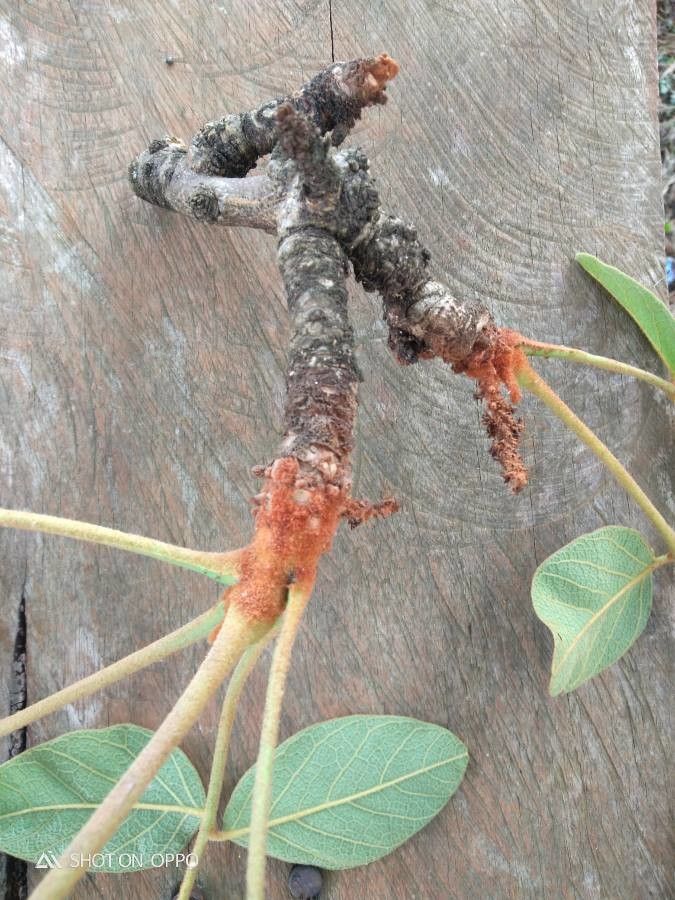
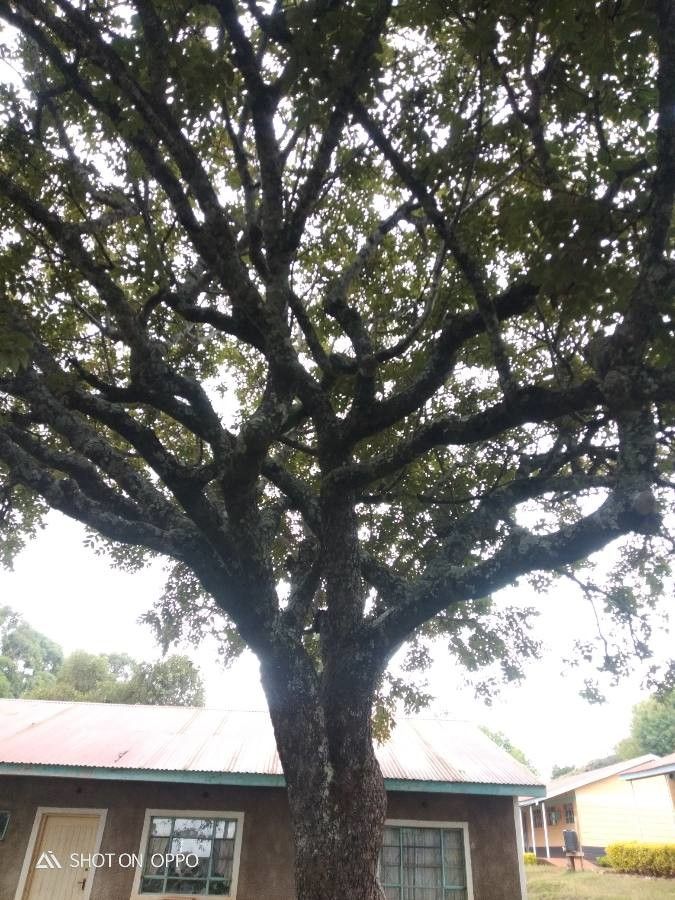
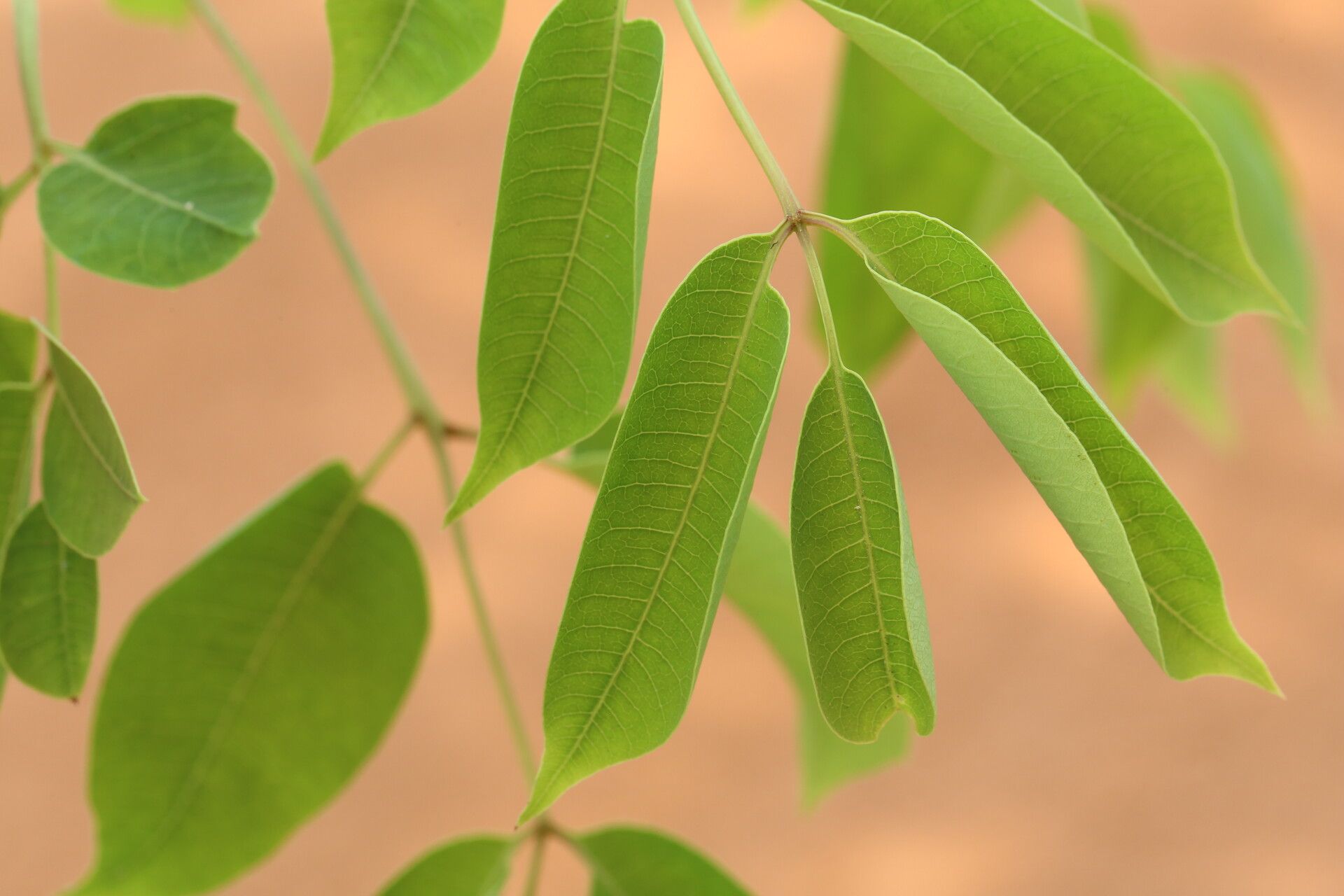
Lannea discolor is a deciduous tree species belonging to the Anacardiaceae family. Commonly known as the West African lannea or the false marula tree, it is native to tropical and subtropical regions of Africa, including Angola, Cameroon, Ethiopia, Kenya, Malawi, Mozambique, and Tanzania.
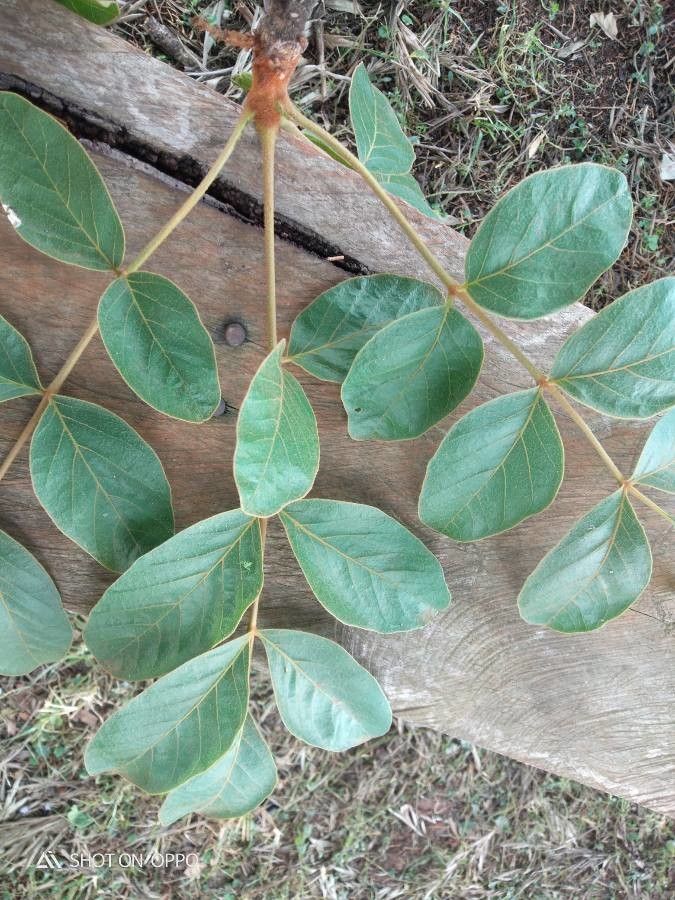
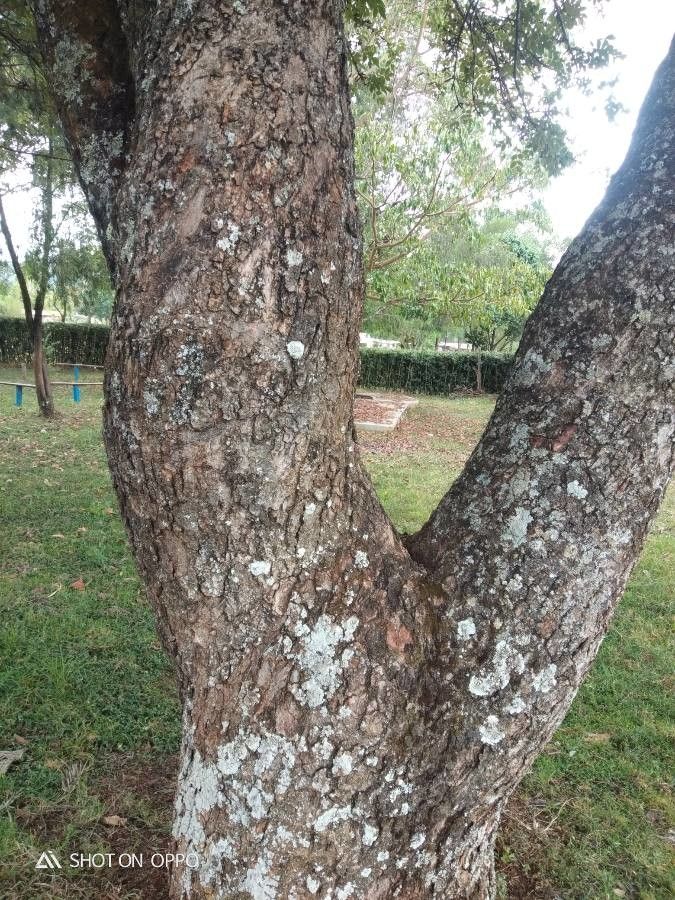
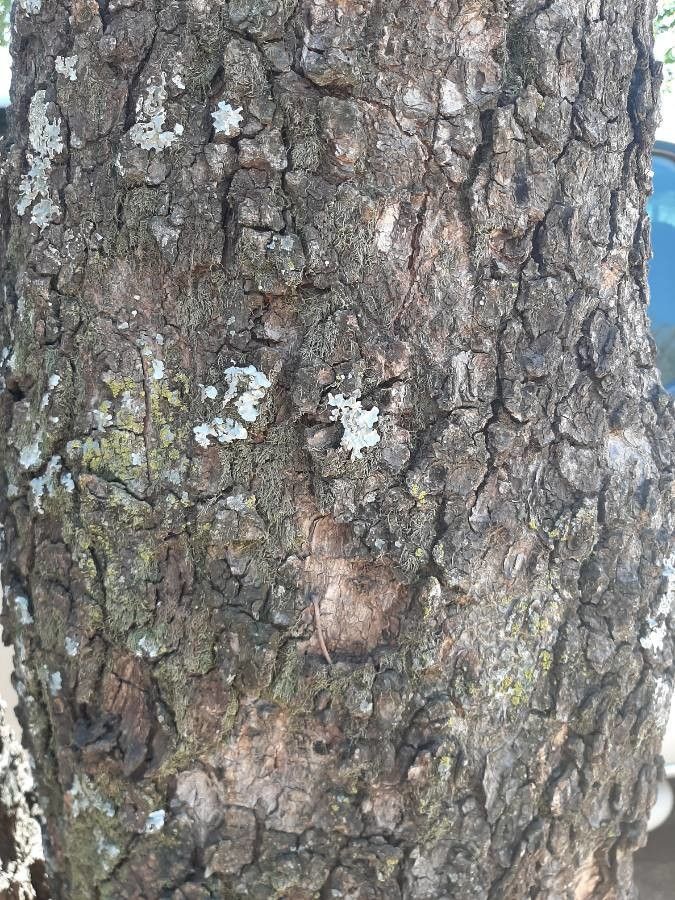
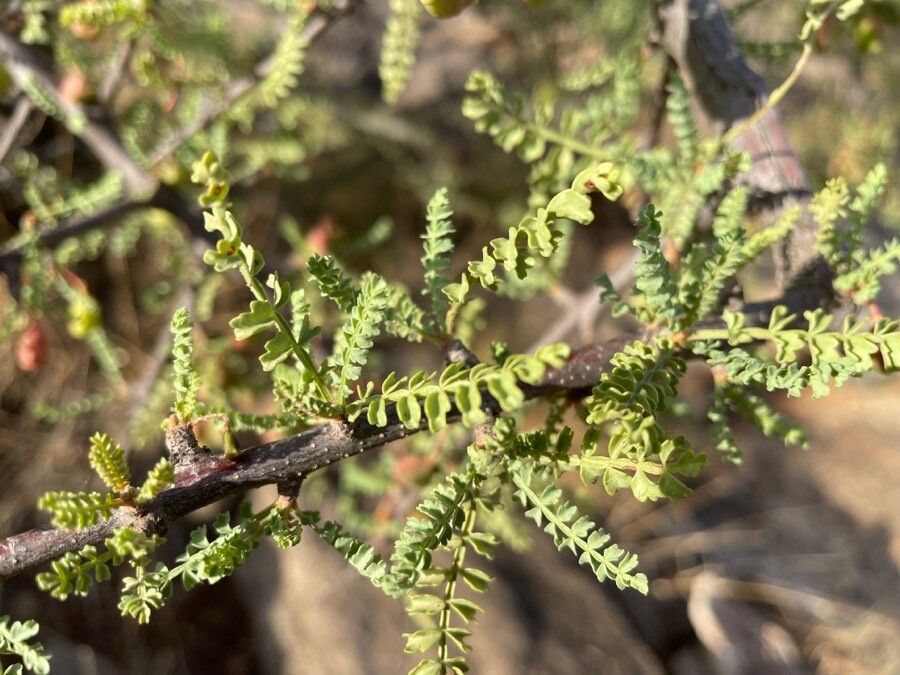
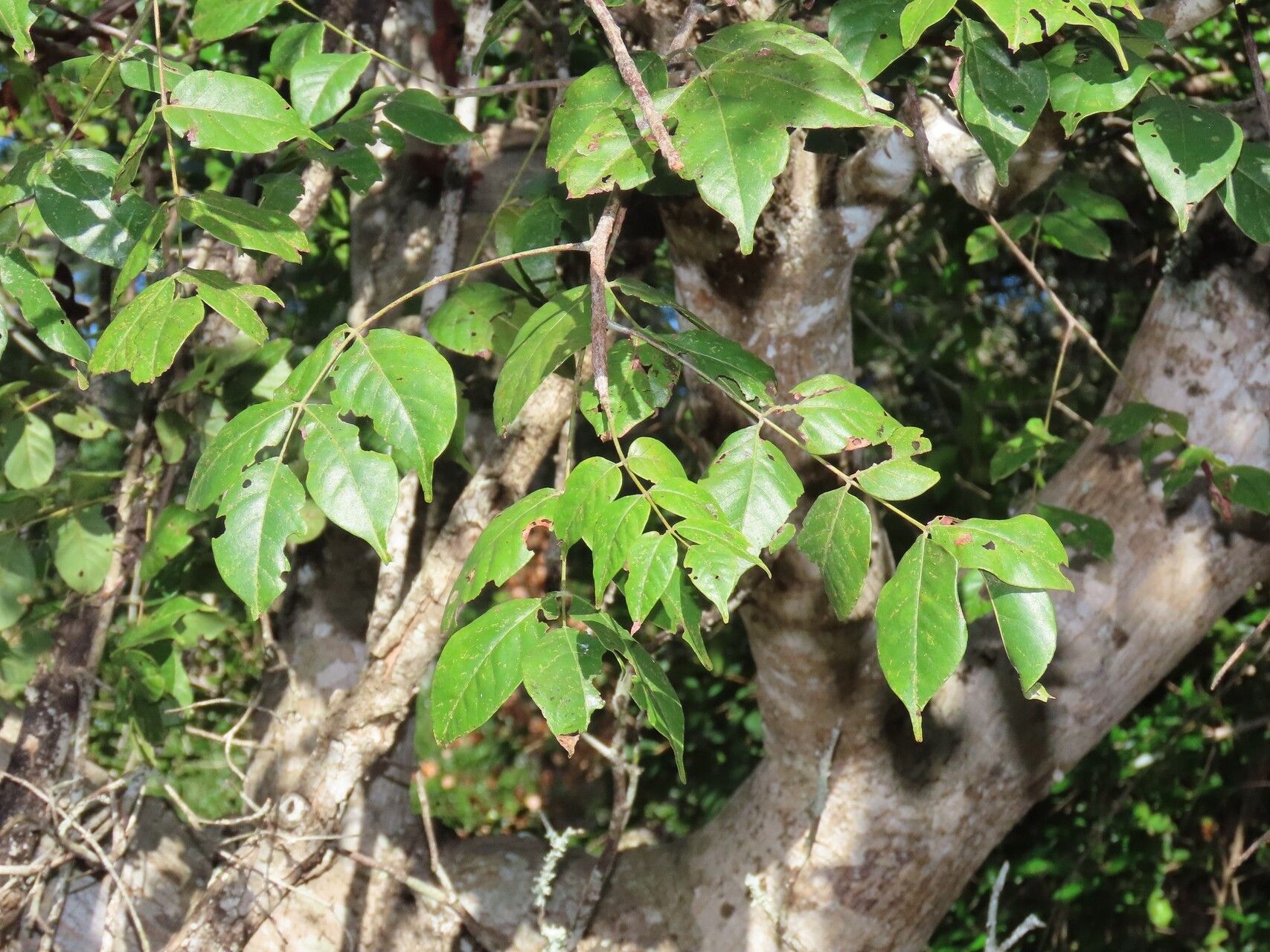
The West African lannea can grow up to 20 meters tall, with a trunk diameter reaching up to 60 centimeters. Its bark is greyish-brown, featuring deep vertical fissures that give it a rough texture. The leaves are compound, alternately arranged, oval-shaped, and have serrated margins.
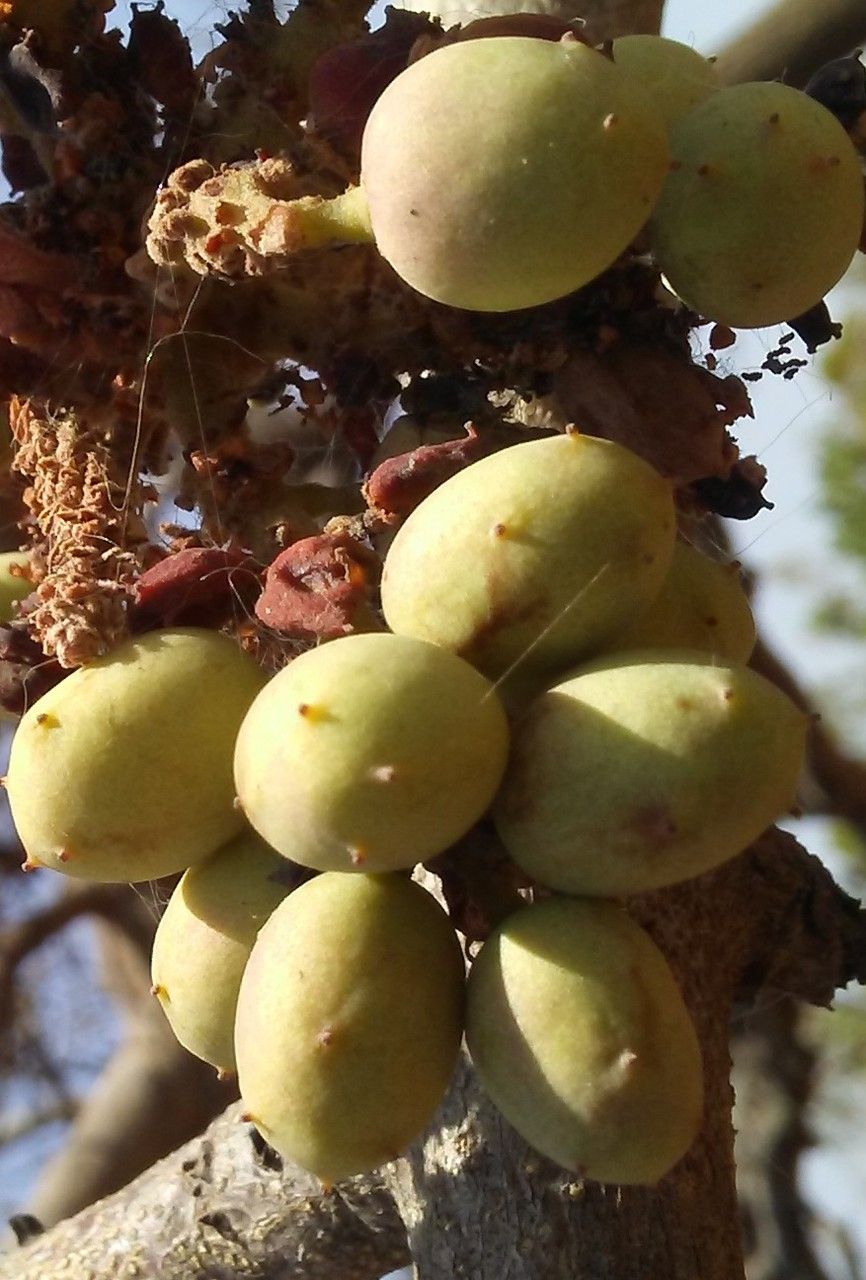
During spring, the tree produces small yellowish-green flowers clustered at the ends of branches. These blooms eventually give way to small round fruits that ripen from green to red.
Lannea discolor holds various medicinal uses among local communities. Traditionally, its bark has been used as an antipyretic (fever-reducing) agent, while its leaves have treated skin infections such as ringworms.
Beyond its medicinal properties, Lannea discolor plays several ecological roles. It provides shade for other plants and animals and serves as food for herbivorous animals like elephants.
Overall, Lannea discolor is an important species both ecologically and medicinally within its native range in Africa. Despite threats from deforestation in some regions, the species continues to thrive.
Botanical profile.
- Genus
- Lannea
- Family
- Anacardiaceae
Other names.