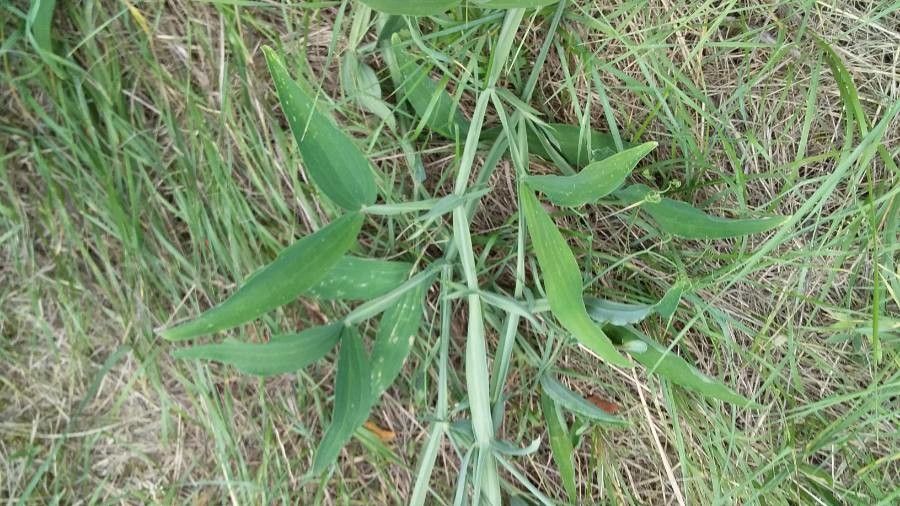
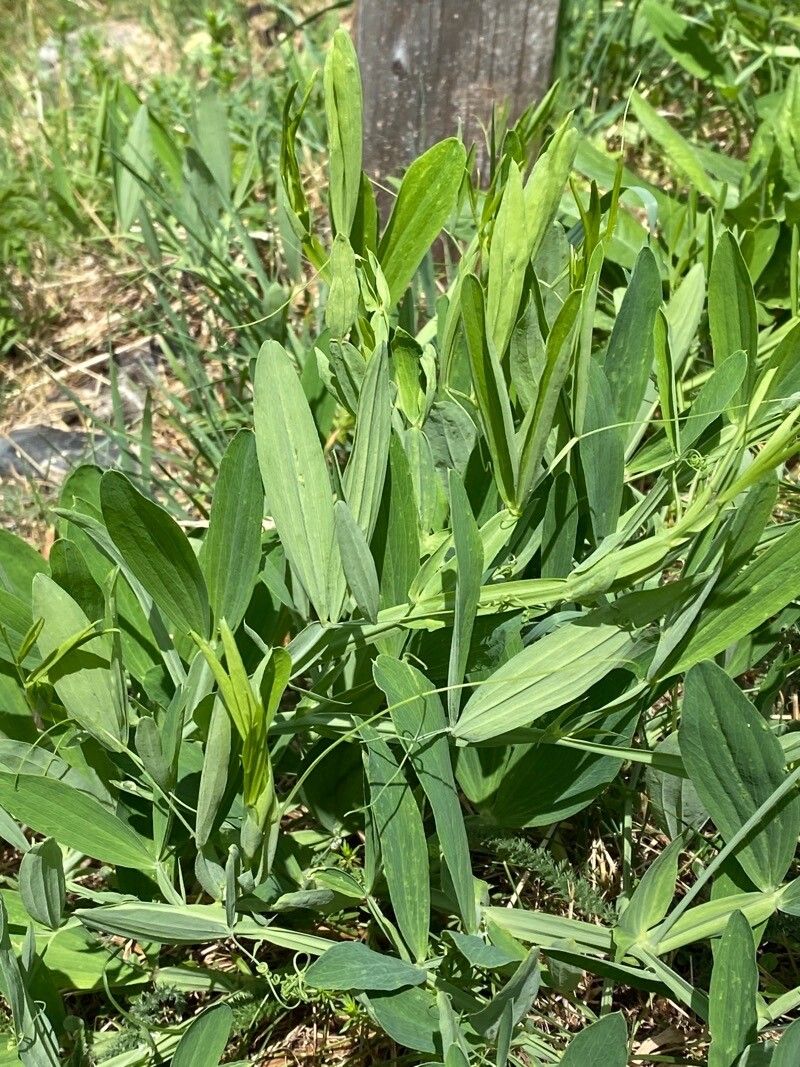
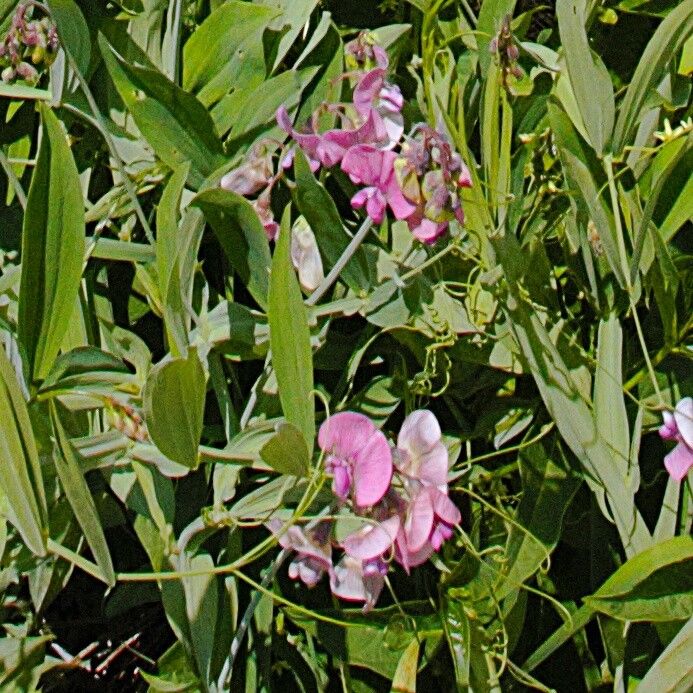
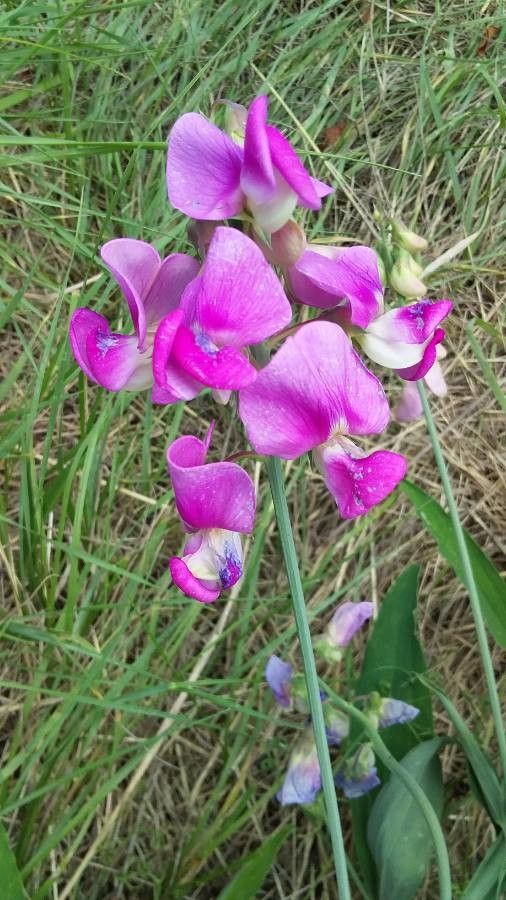
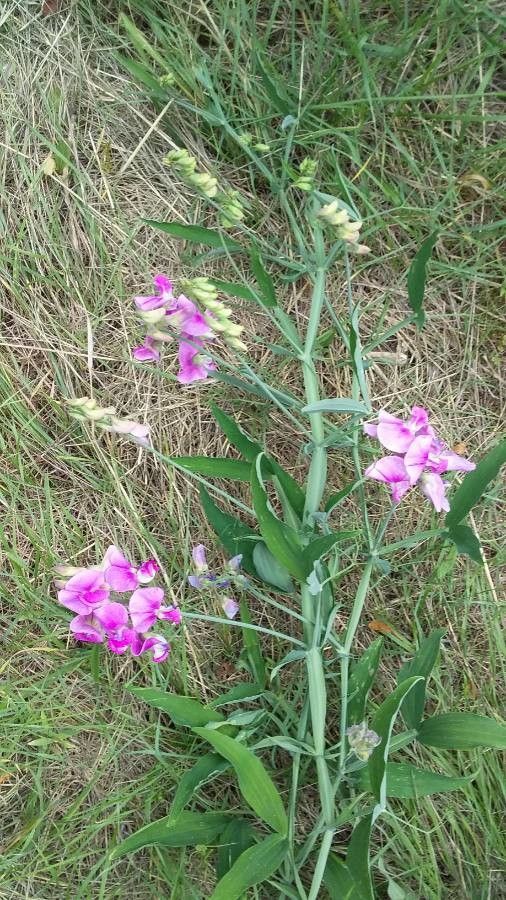
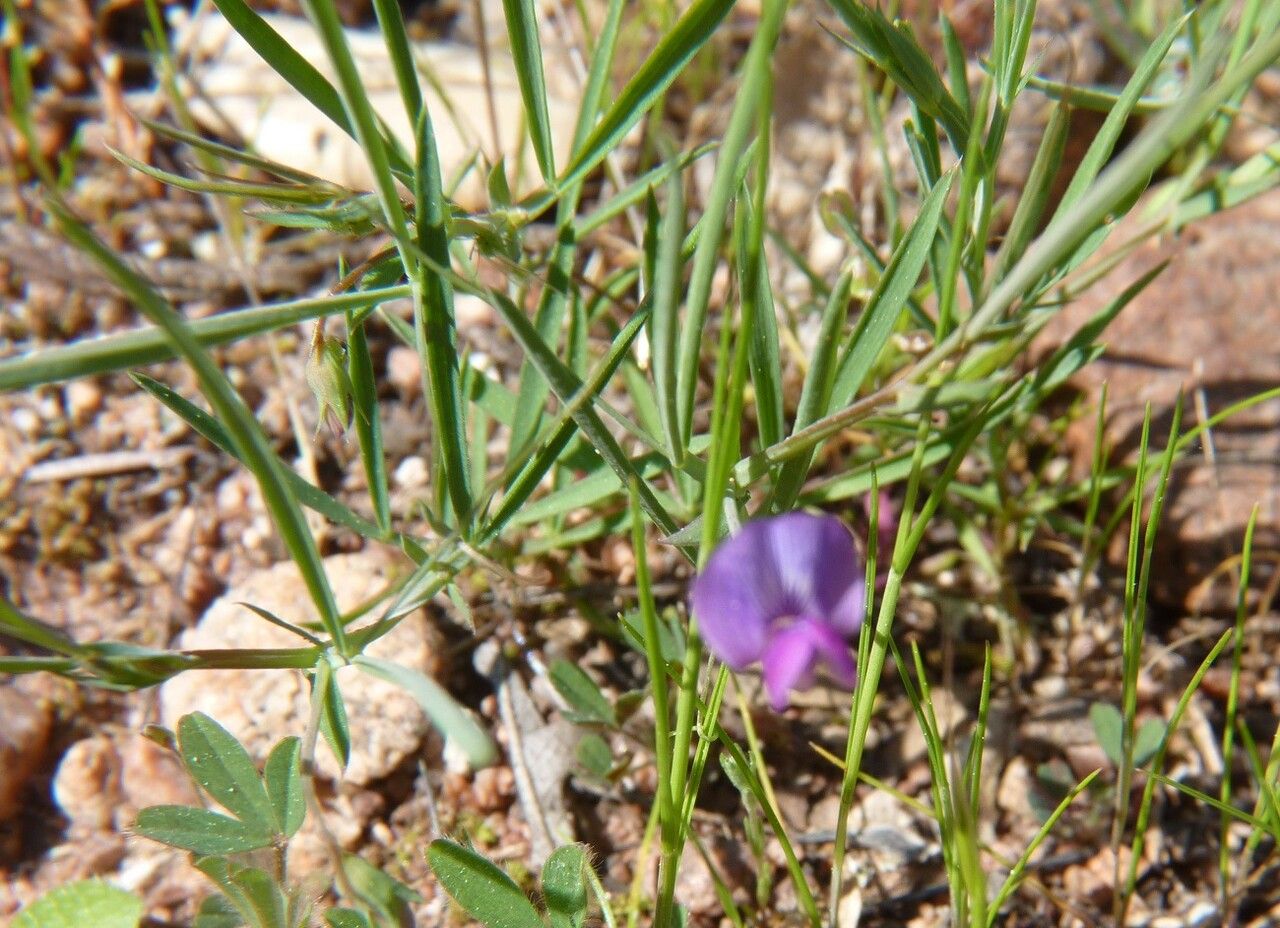
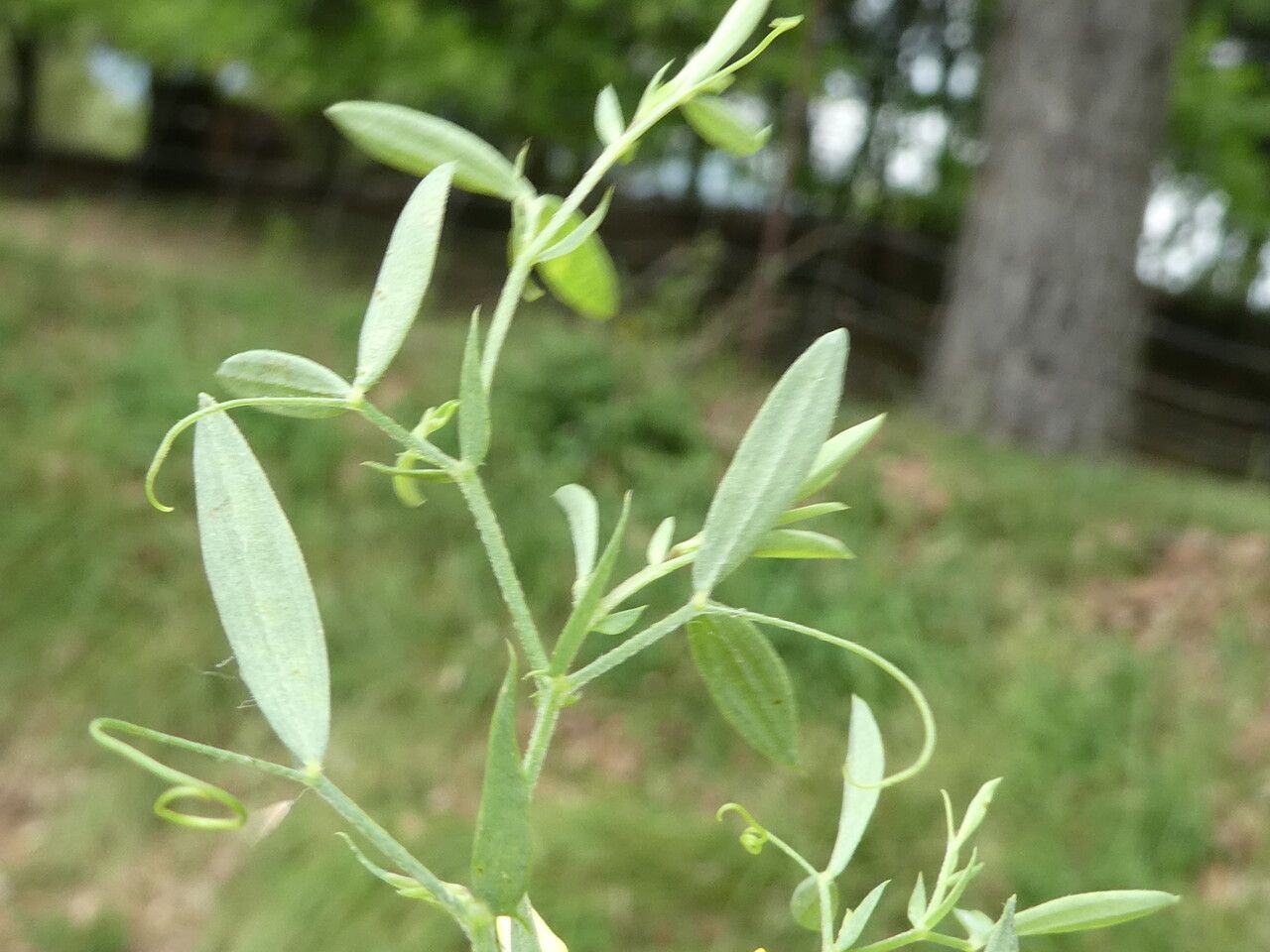
Flat pea has strong disease resistance and is generally unlikely to develop illnesses. Still, it can be affected by pests and diseases present in its surroundings. These infections are typically not serious. Regarding care, this plant requires moderate maintenance. It should be pruned regularly to preserve a neat appearance and maintain healthy growth. Fertilizing can also help encourage flowering. Flat pea is appropriate for anyone with outdoor space, such as a garden or patio, and does not demand extensive care experience. It may need additional attention when grown indoors.
How to keep Lathyrus Heterophyllus.
Light
Flat pea grows best with plentiful sunlight and also tolerates locations with moderate sun. Native to regions with extended sun exposure, this plant can experience growth problems if it lacks sufficient light, yet too much sun can also damage it.
Water
To ensure healthy growth, the Norfolk everlasting pea needs regular watering during its seedling stage to keep the soil moist. As the plant matures, it develops greater drought tolerance. It's best to water the soil directly at the roots in the morning to minimize the risk of fungal problems, particularly in potted plants where the soil tends to dry out quickly.
Temperature
Flat pea is native to regions with moderate to warm temperatures, generally between 50 and 95°F (10 to 35℃). As seasons change, keep the plant within that range to maintain healthy growth.
Fertilizer
The best time to fertilize a Flat pea is in early spring, when it is coming out of dormancy and beginning active growth. Fertilizing supplies essential nutrients required for healthy development. Although Flat pea has relatively low fertilizer needs, fertilizing once a year can improve its survival and encourage better, longer-lasting flowers.
Pruning
The Norfolk everlasting pea is a climbing perennial known for its attractive flowers. To maintain its health and beauty, it should be pruned from early to late spring. By trimming old stems and managing overcrowding, you can encourage better growth and improve airflow, which helps reduce the risk of disease. After pruning, apply mulch to aid in nutrient uptake. This practice promotes healthier, more appealing plants and extends their blooming period beyond the main flowering season.
Botanical profile.
- Plant Type
- Herb, Vine
- Life Cycle
- Perennial
- Genus
- Lathyrus
- Family
- Fabaceae
- Hardiness Zone
- 6-9
- Mature Height
- 2.13 m
- Mature Spread
- 49 cm
- Leaf Color
- Green
- Leaf Type
- Deciduous
- Flower Color
- Pink, Purple
- Flower Size
- 1.52 cm to 2.54 cm
- Bloom Time
- Summer
- Planting Time
- Spring, Summer, Autumn
- Harvest Time
- Late summer, Early fall, Mid fall
Other names.
Reader questions.
What are the sun requirements for Norfolk everlasting pea?
The Norfolk everlasting pea (Lathyrus heterophyllus) thrives in conditions ranging from full sun to partial sun. For this plant, full sun exposure means it should receive above 6 hours of sunlight per day, while partial sun exposure indicates about 3-6 hours of sunlight daily. It's important to watch how sunlight moves through your garden over the course of the day. Choosing the right spots that provide a perfect balance of light and shade will ensure your Norfolk everlasting pea plants are happy and healthy.