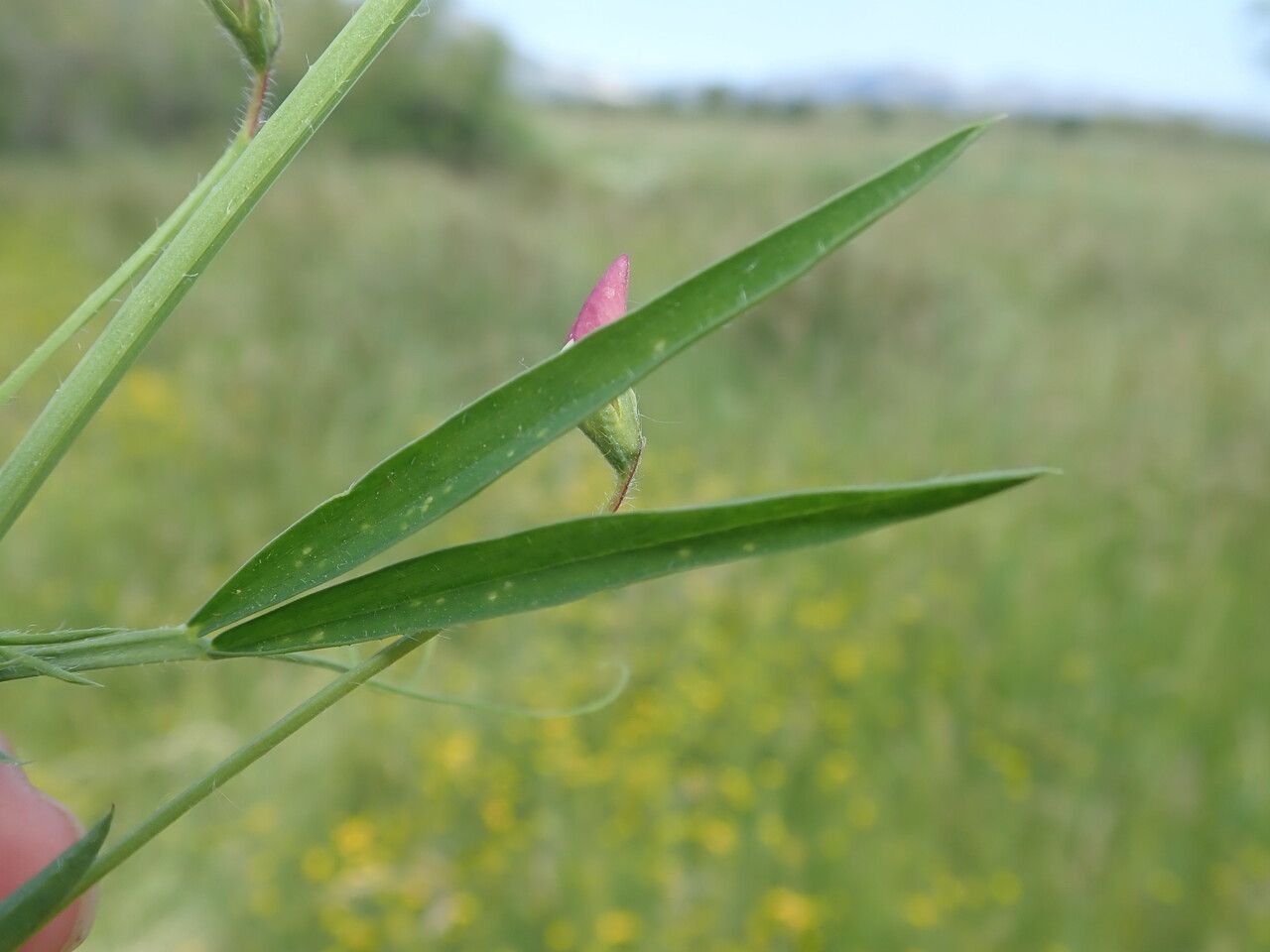
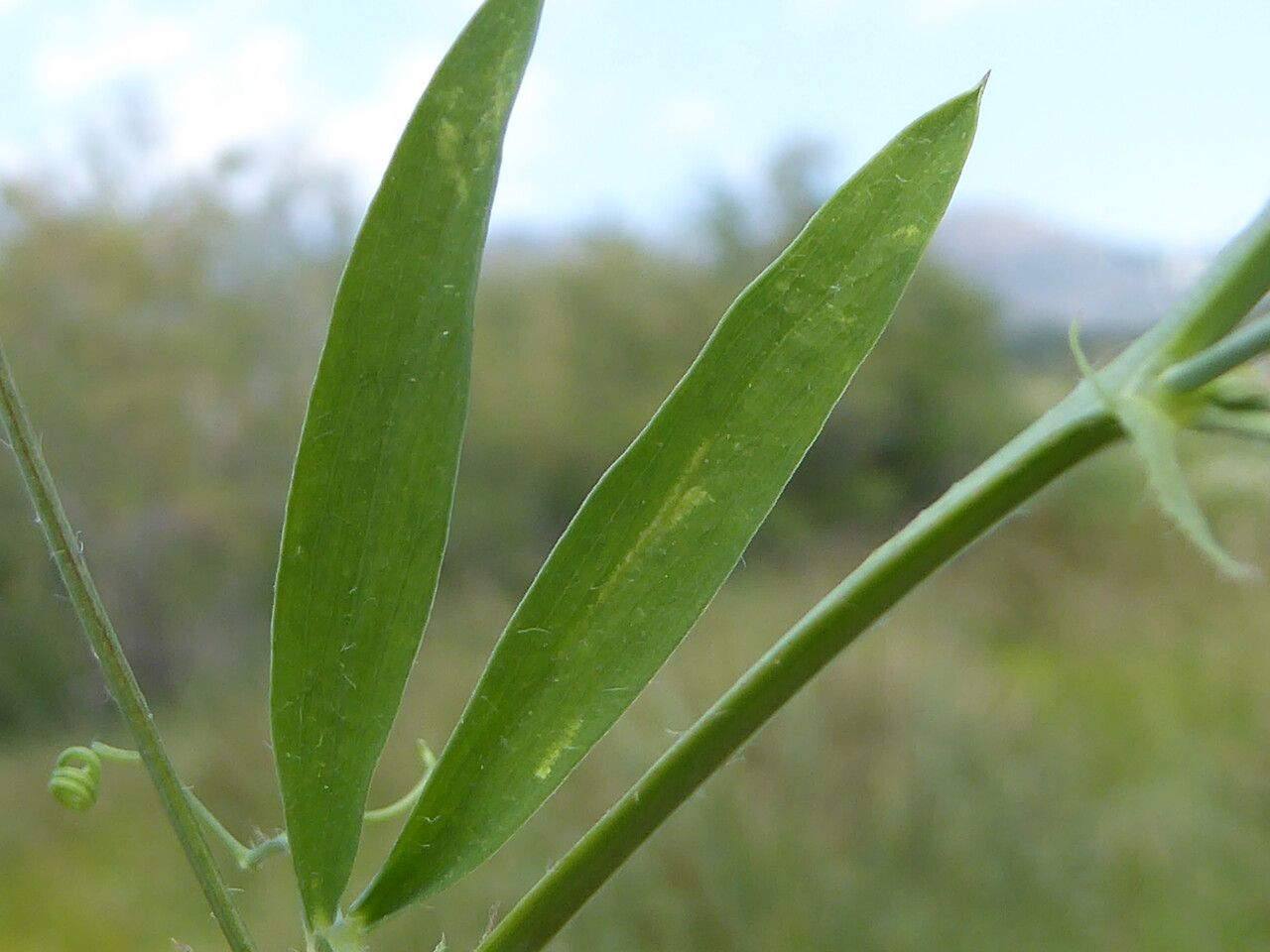
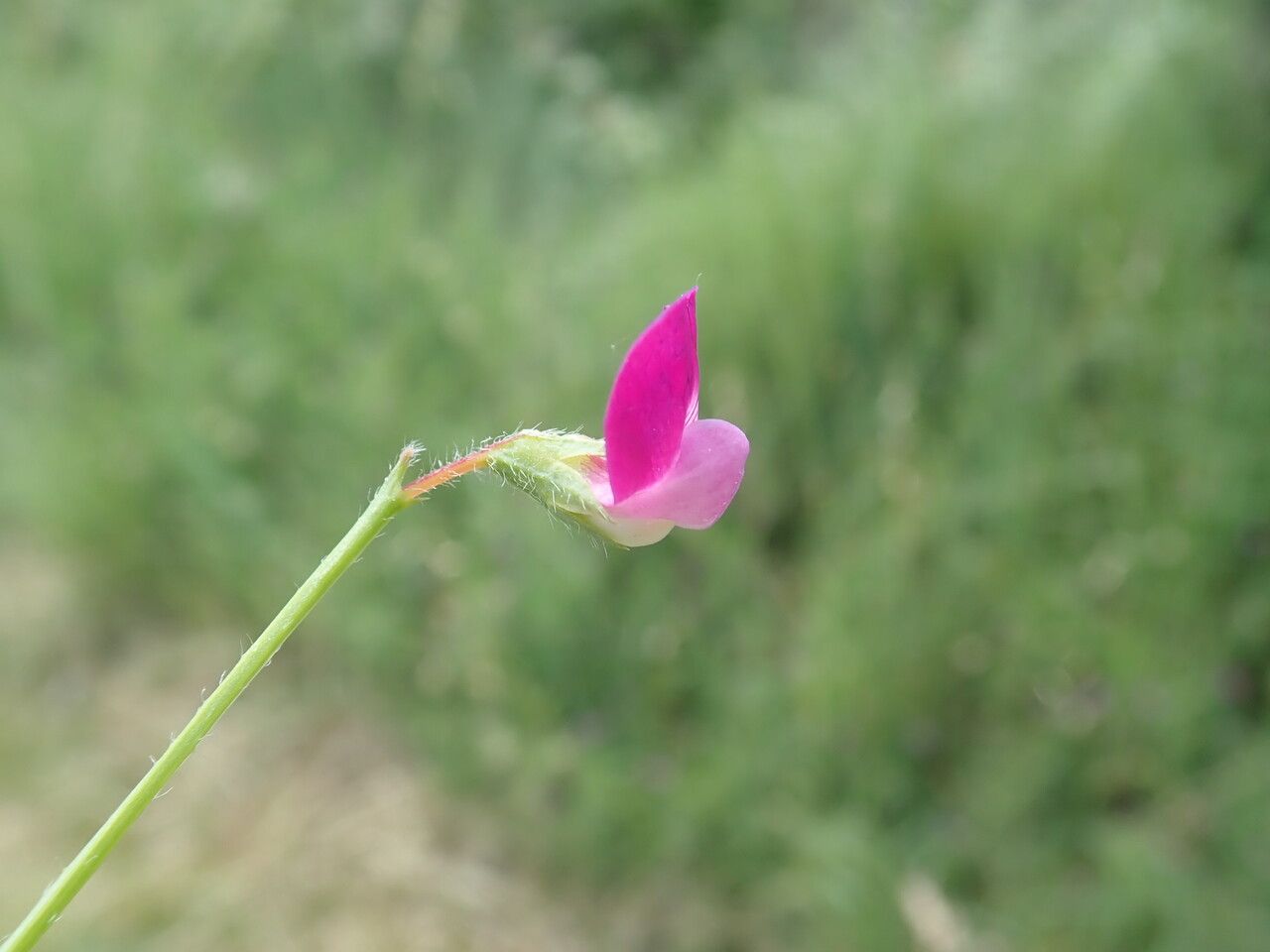
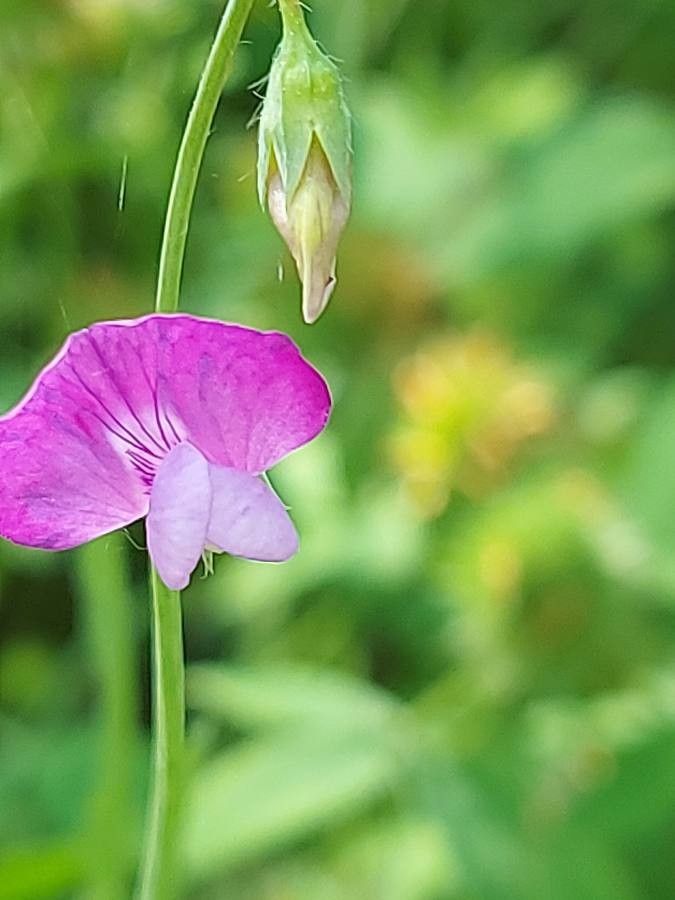
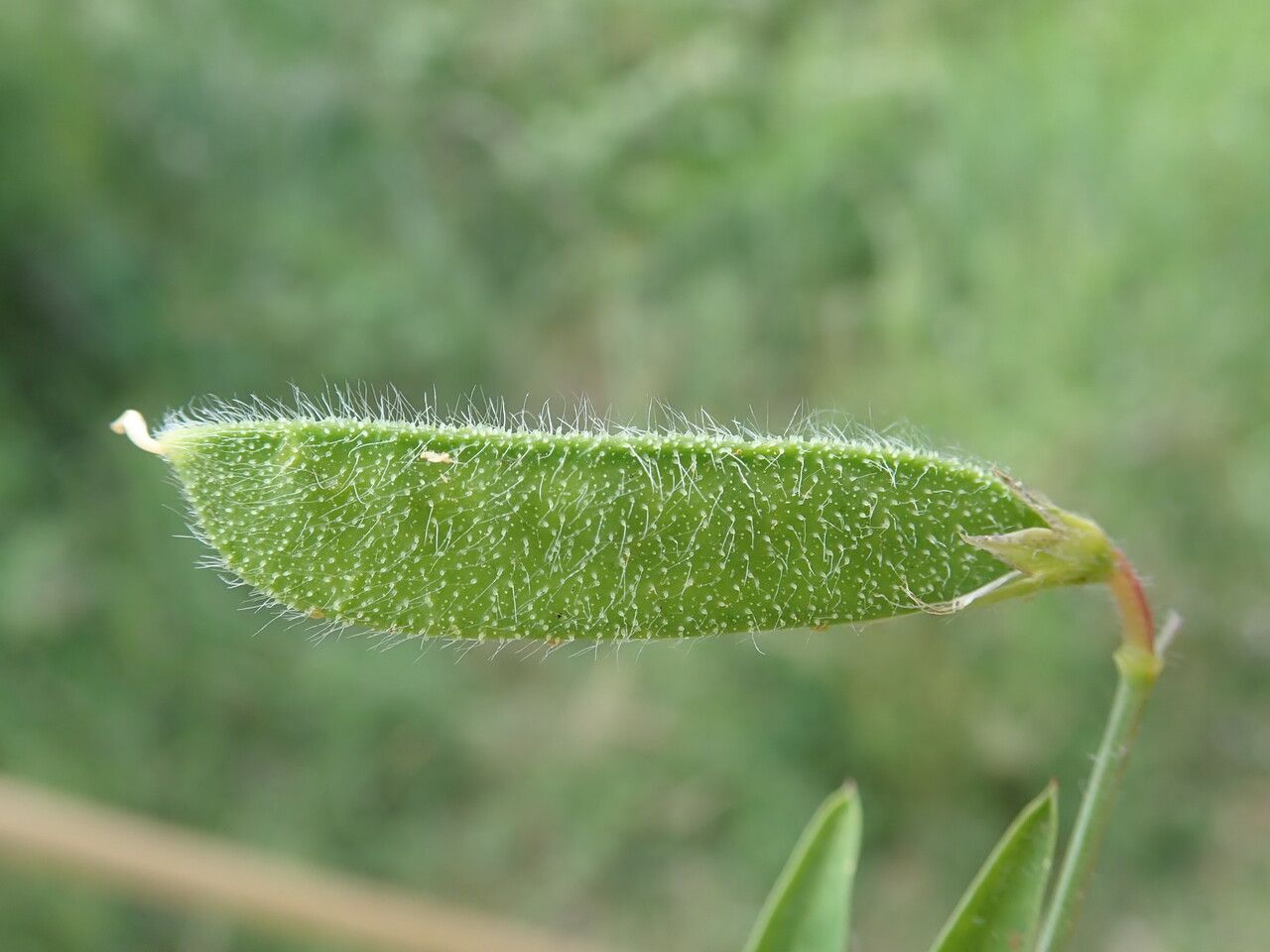
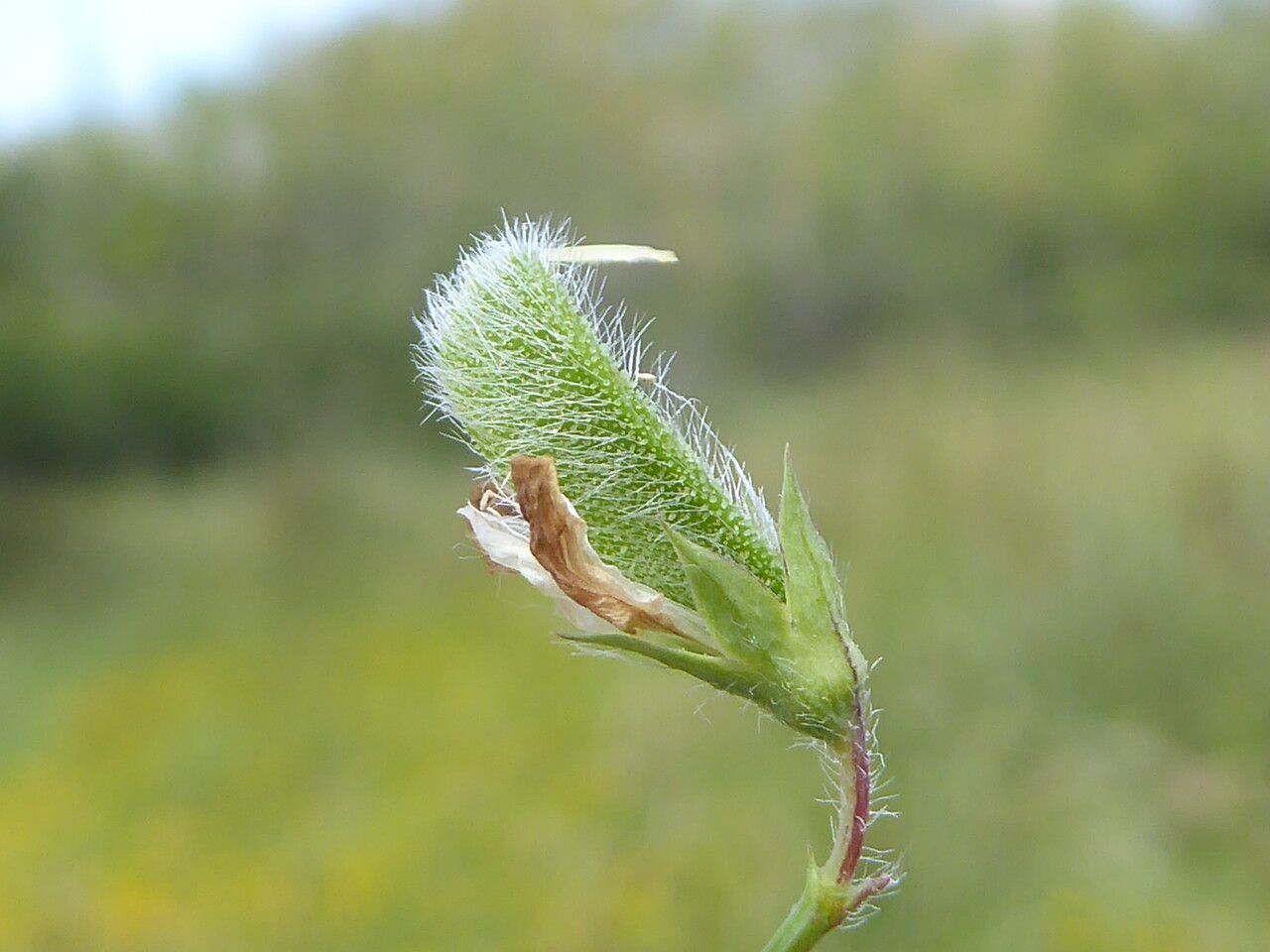
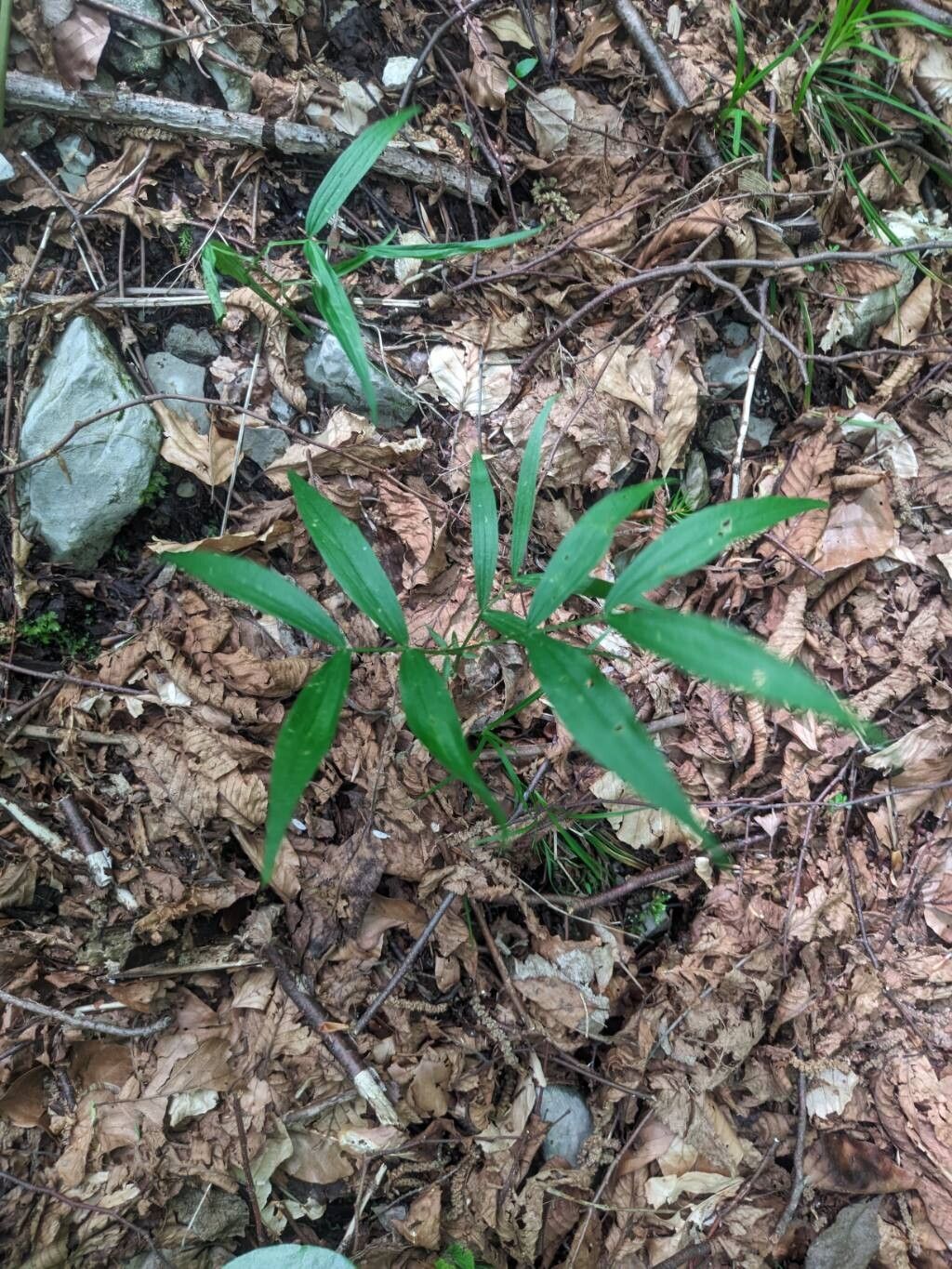
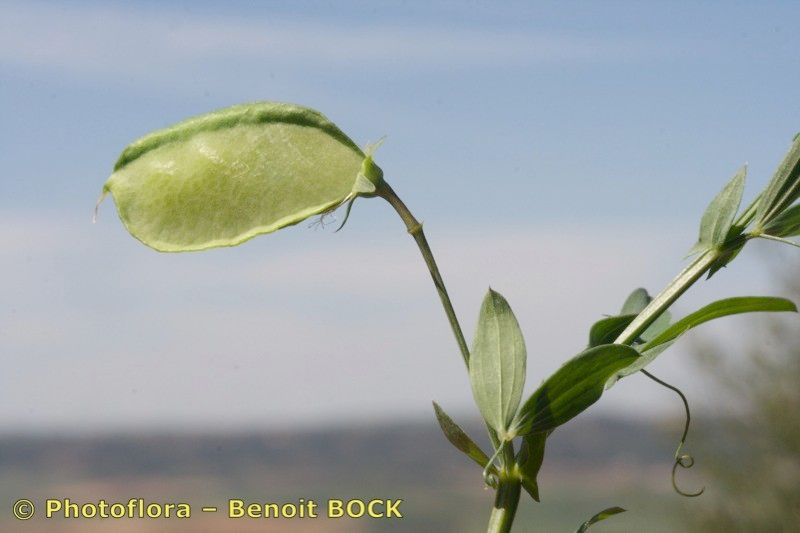
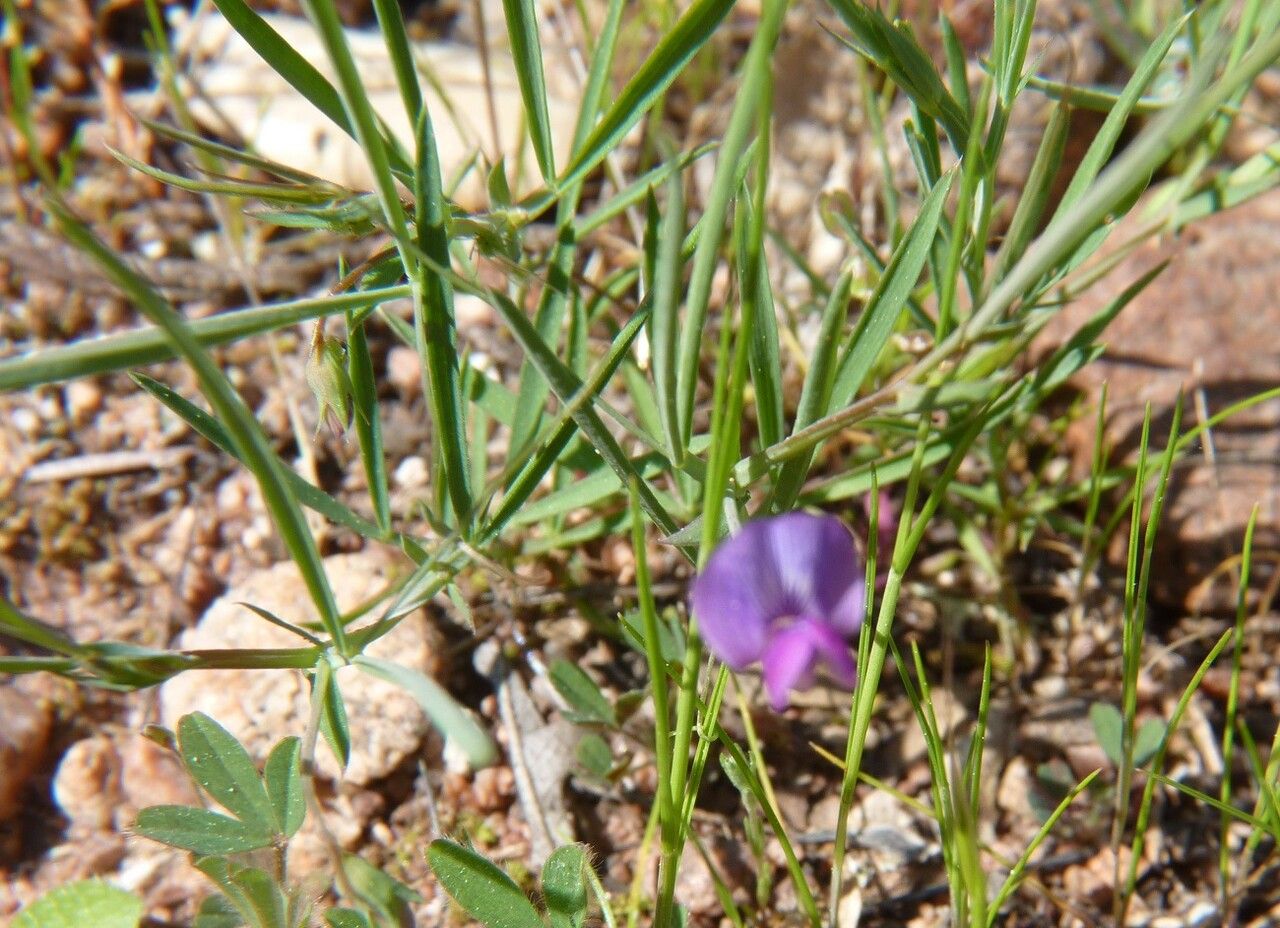
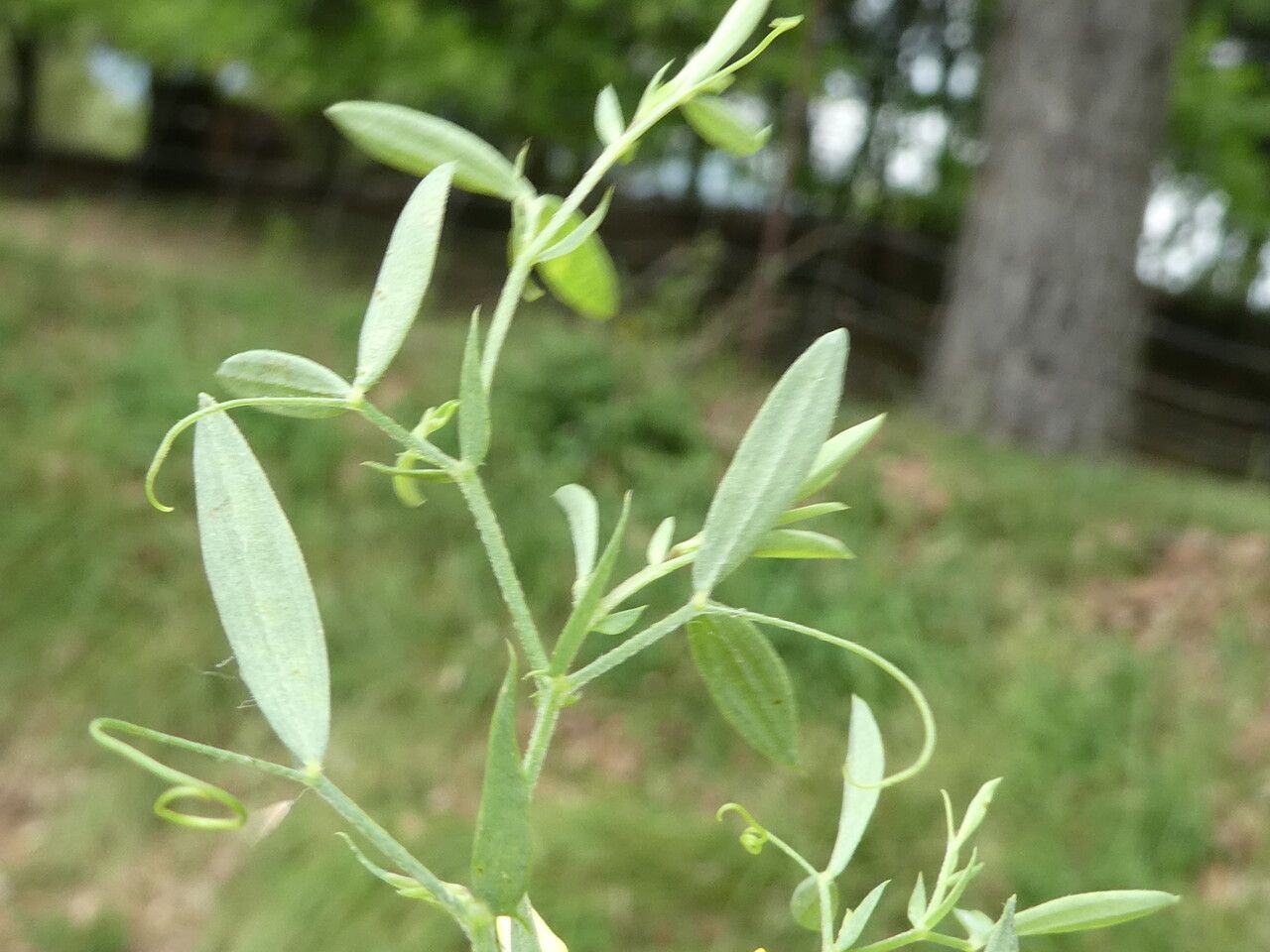
Lathyrus hirsutus, commonly known as the hairy vetchling, is a flowering plant in the Fabaceae family. This herbaceous perennial can grow up to 60 cm in height. Its pinnate leaves, adorned with 4-6 pairs of leaflets, are covered in fine hairs. The plant produces pink or purple flowers that bloom from May to August, arranged in clusters of 2-6 on long stalks.
Native to Europe and Asia, the hairy vetchling has been introduced to other parts of the world for ornamental landscaping and forage purposes. It thrives in well-drained soils and can tolerate both full sun and partial shade.
Traditionally, the hairy vetchling has been used medicinally, particularly for its diuretic and laxative properties. Additionally, it shows promise as a cover crop due to its ability to fix nitrogen from the atmosphere into the soil.
Overall, Lathyrus hirsutus is an attractive flowering plant with both medicinal and agricultural benefits.
Caley pea has strong disease resistance and is generally not susceptible to illnesses. Still, it can be affected by pests and diseases present in its environment. Those infections are typically mild. Regarding care, this plant needs moderate maintenance. It should be pruned regularly to preserve a neat appearance and encourage healthy growth. Applying fertilizer can also help stimulate flowering. Caley pea is appropriate for anyone with outdoor space, such as a garden or patio, and does not demand much prior experience in plant care. It may need extra attention when kept indoors.
How to keep Lathyrus Hirsutus.
Light
Caley pea does best in locations that receive plentiful sunlight throughout the day. It can tolerate a small amount of shade as well. Having originated in habitats with uninterrupted sunlight, the plant grows vigorously. However, excessive shade or too much sun can negatively affect its health.
Water
The Caley pea, which originates from moderate climates, thrives best in soil that is consistently moist but not waterlogged. Although it can endure short periods of dryness, it truly flourishes with evenly moist soil and typically needs to be watered once a week. When grown outdoors, the Caley pea gains additional benefits from rainwater during its growing season, as it provides natural hydration and essential nutrients.
Temperature
Caley pea is a plant native to temperate regions and needs temperatures of 68 to 95°F (20 to 35°C) to do well. In colder seasons, consider protective actions like mulching to help keep temperatures optimal.
Fertilizer
When the Caley pea has opened most of its blooms to full size, resume fertilizing. Around the period of peak bloom production, fertilize every three to four weeks, as the weather allows. Then, once the Caley pea begins producing fewer new blooms, stop fertilizing; there is no need to feed the plant when it can no longer produce more blooms.
Pruning
The Caley pea is a climbing, herbaceous plant known for its delicate flowers. To promote healthier growth, prune it from early to late spring to remove weak stems and improve air circulation. Regularly trimming the vine tips will encourage bushier growth and more abundant flowering. Be sure to use clean tools to prevent infections and maintain the plant's health and appearance.
Botanical profile.
- Plant Type
- Herb
- Life Cycle
- Annual
- Genus
- Lathyrus
- Family
- Fabaceae
- Hardiness Zone
- 7
- Mature Height
- 25 cm to 91 cm
- Mature Spread
- 15 cm to 30 cm
- Leaf Color
- Green
- Leaf Type
- Deciduous
- Flower Color
- Pink
- Flower Size
- 1.02 cm to 1.52 cm
- Bloom Time
- Late spring, Early summer, Mid summer
- Planting Time
- Spring, Summer
- Harvest Time
- Mid summer, Late summer, Early fall
- Native Area
- Egypt, Turkey, India, Austria, Slovakia, Montenegro, Slovenia, Morocco, Croatia, Uzbekistan, Russia, Iraq, Germany, Romania, Belgium, Portugal, France, Tajikistan, Tunisia, Bulgaria, Armenia, Poland, Greece, Lebanon, Serbia, Afghanistan, Kyrgyzstan, Italy, Spain, Switzerland, Iran, Albania, Azerbaijan, Algeria, Hungary, Turkmenistan
Other names.
Reader questions.
How should I water my Caley pea plant?
Caley pea can be watered using various methods, such as a garden hose with a spray nozzle, a watering can, or any other common watering tool. Thankfully, Caley pea is not too particular about their water source, as they can thrive with rainwater, tap water, or filtered water. It's generally best to avoid watering from above, as this can harm the leaves, flowers, and potentially cause disease. An effective way to water Caley pea plants is through drip irrigation systems, which evenly and directly apply water to the soil. For container-grown Caley pea, a similar watering approach can be taken by using a cup, watering can, or tap to water the soil directly.
What are the sunlight requirements for Caley pea plants?
Caley pea plants require full sun exposure, which means they need above 6 hours of direct sunlight daily, although they can tolerate partial sun, about 3-6 hours of sunlight. It's important to observe the movement of sunlight through your garden to find spots that provide the right balance of light and shade, ensuring the plants' health. These plants thrive in environments with abundant sunlight all day, though they can handle a bit of shade. Both too much shade and excessive sun can negatively affect their health.
What are the ideal growing temperatures for Caley pea?
Caley pea, or Lathyrus hirsutus, thrives in temperate regions with ideal temperatures ranging between 68 to 95°F (20 to 35°C). To ensure the plant remains healthy during colder seasons, it's beneficial to use protective measures such as mulching to maintain these optimum temperatures. Although Caley pea possesses strong cold resistance and special frost protection measures are generally not necessary, if winter temperatures are expected to drop below -15°C, providing cold protection by covering the plant with soil or straw is important. Additionally, watering the plant abundantly before the first freeze in autumn helps keep the soil moist and prevents drought and water scarcity during the winter and early spring.
What should I do if I give my Caley pea plant too much or too little water?
When Caley pea plants are not getting enough water, the solution is simple. Just start watering them more regularly when you notice they are dry. Overwatering, on the other hand, can be a serious problem if not caught early. If a Caley pea plant is overwatered, it can develop diseases that can cause it to decline and eventually die. To prevent this, it's important to choose a good location for planting that gets plenty of sunlight. This will help dry out the soil and ensure proper drainage to prevent water from collecting and saturating the soil. If you have overwatered a potted Caley pea plant, it may be necessary to repot it. The original pot may not have had good drainage or enough holes. When repotting, use loose soil and a pot that drains well to avoid future overwatering issues.
How can artificial lighting support indoor Caley pea plant growth?
Indoor Caley pea plants require adequate lighting for optimal growth. In conditions where natural sunlight is scarce, like during winter or in less sunny locations, artificial lights serve as an essential alternative. To support their growth indoors, select the appropriate artificial light type, like LED lights, which can provide specific wavelengths needed by the plants. Full sun plants need 30-50W/sq ft, partial sun plants need 20-30W/sq ft, and full shade plants require 10-20W/sq ft of artificial light. The light source should be placed 12-36 inches above the plant and should mimic natural daylight hours, with most plants needing 8-12 hours of light per day.
How does Caley pea react to low temperatures, and what are the solutions?
Caley pea is cold-tolerant and performs best when temperatures stay above 20°C. However, during winter, it is crucial to keep the temperatures above 0°C. If temperatures fall below -15°C, there might not be noticeable changes during winter, but there could be a decrease in sprouting or no sprouting at all come spring. To address this, in spring, it's recommended to remove any parts of the plant that have failed to sprout, aiding in the rejuvenation and continued growth of Caley pea.
How much should I water my Caley pea plant?
Caley peas need regular watering throughout the growing season. In spring, you should water them once per week. As the weather gets warmer, you may need to increase watering to two to three times per week. However, be careful not to exceed this rate as it can harm the plants. Regardless of watering frequency, make sure the soil remains moist but not too wet. Watering Caley peas in pots is slightly different. Generally, you'll need to water them more frequently as the soil in pots can dry out faster. In most cases, plan to water container-grown Caley peas a few times per week compared to once per week for those planted in the ground.
What are common symptoms of improper sunlight exposure in Caley pea plants?
Caley pea plants display various symptoms when they don't receive adequate sunlight. Indoors, without sufficient light, they may have smaller new leaves, exhibit leggy or sparse growth, and experience faster leaf drop, signaling a struggle to conserve resources. Growth may slow down or halt, and new leaves could appear lighter in color or develop chlorosis, losing their green hue and turning yellow. Sunscald, leaf curling, wilting, and leaf scorching are symptoms of too much sunlight, indicating damage from overexposure. These symptoms show the plant's struggle to adapt to their light environment, crucial for their health and development.
How should Caley pea be cared for in high temperatures?
During the summer, it's essential to ensure that Caley pea is kept below 35°C. When temperatures exceed 38°C, the plant's leaves may lighten in color, become prone to curling and sunburn, and, in severe cases, the entire plant may wilt and dry out. To combat this, trim away the sunburned and dried-up parts of the plant. It may also be beneficial to move the plant to a shaded location, especially away from the midday and afternoon sun, or use a shade cloth. Watering the plant in the morning and evening can help keep the soil adequately moist and protect the plant from heat stress.
How much water does my Caley pea plant need?
There are a few ways to decide how much water your Caley pea needs. Some gardeners check the soil moisture by feeling it and water until the top six inches are moist. Alternatively, you can use a specific amount of water, like two gallons per week, adjusting for temperature and soil dryness. However, be careful not to overwater if your plant needs less. When growing in a container, you need to water enough to moisten all layers of dry soil. You can check by sticking your finger in or look for a slight trickle from the drainage holes.
How can I manage sunlight exposure for healthier Caley pea plants?
For indoor Caley pea plants, gradually increase sunlight exposure or use artificial lighting to mimic natural conditions, ensuring they receive at least 6 hours of direct sunlight daily. Outdoor plants should be moved to sunnier spots gradually to avoid shock and sunburn. Removing obstructions like branches can increase sunlight for ground-planted peas. If necessary, transplant smaller plants during their dormant period to a better-lit location with ample sunlight and good drainage. Affected parts of the plant may not recover, but increased light exposure will promote healthy new growth.
How can I know if I am giving enough water to my Caley pea plant?
Avoiding overwatering your Caley pea can be a bit tricky. These plants have deep roots that need weekly soil moisture, but they are also prone to root rot and browning when overwatered. Underwatering is less common as Caley peas can withstand some time without additional watering, but if they go too long without water, they can wilt and develop dry leaves.