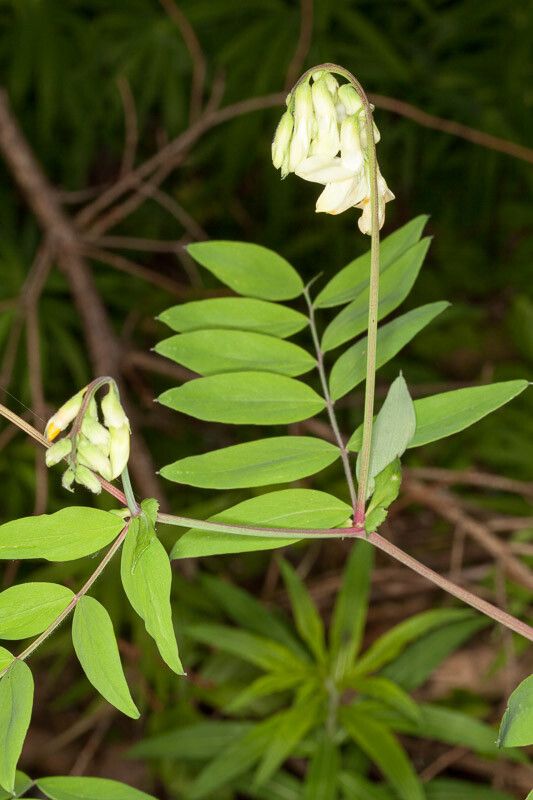
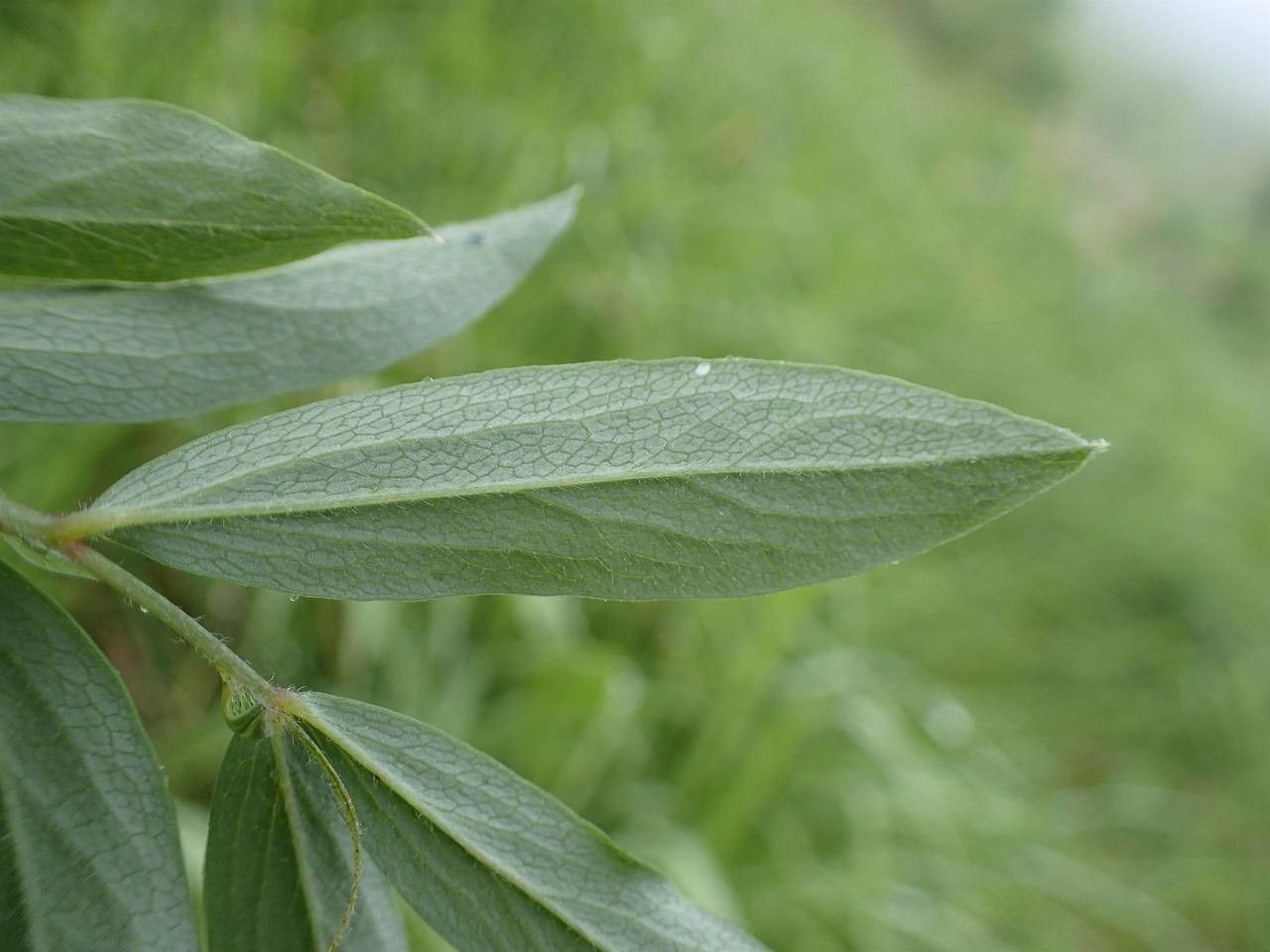
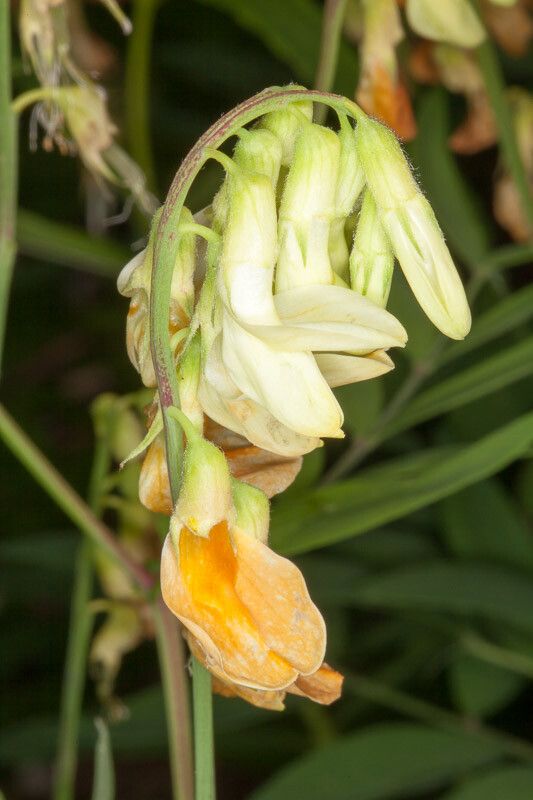
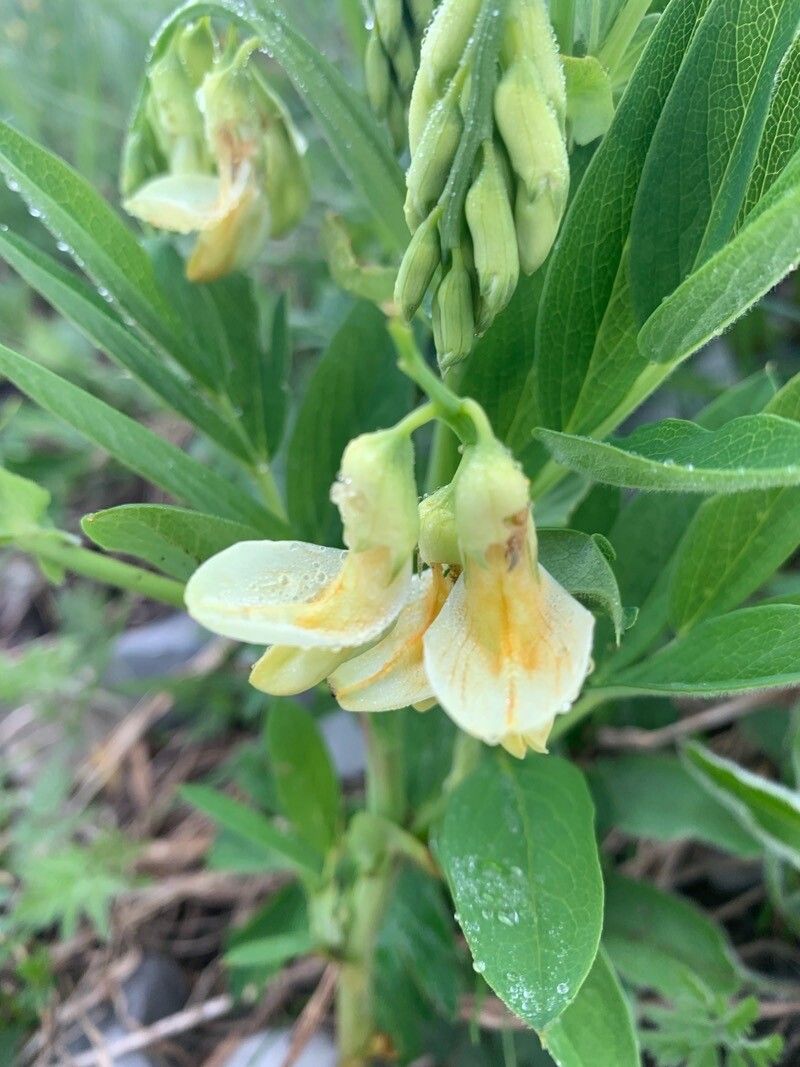
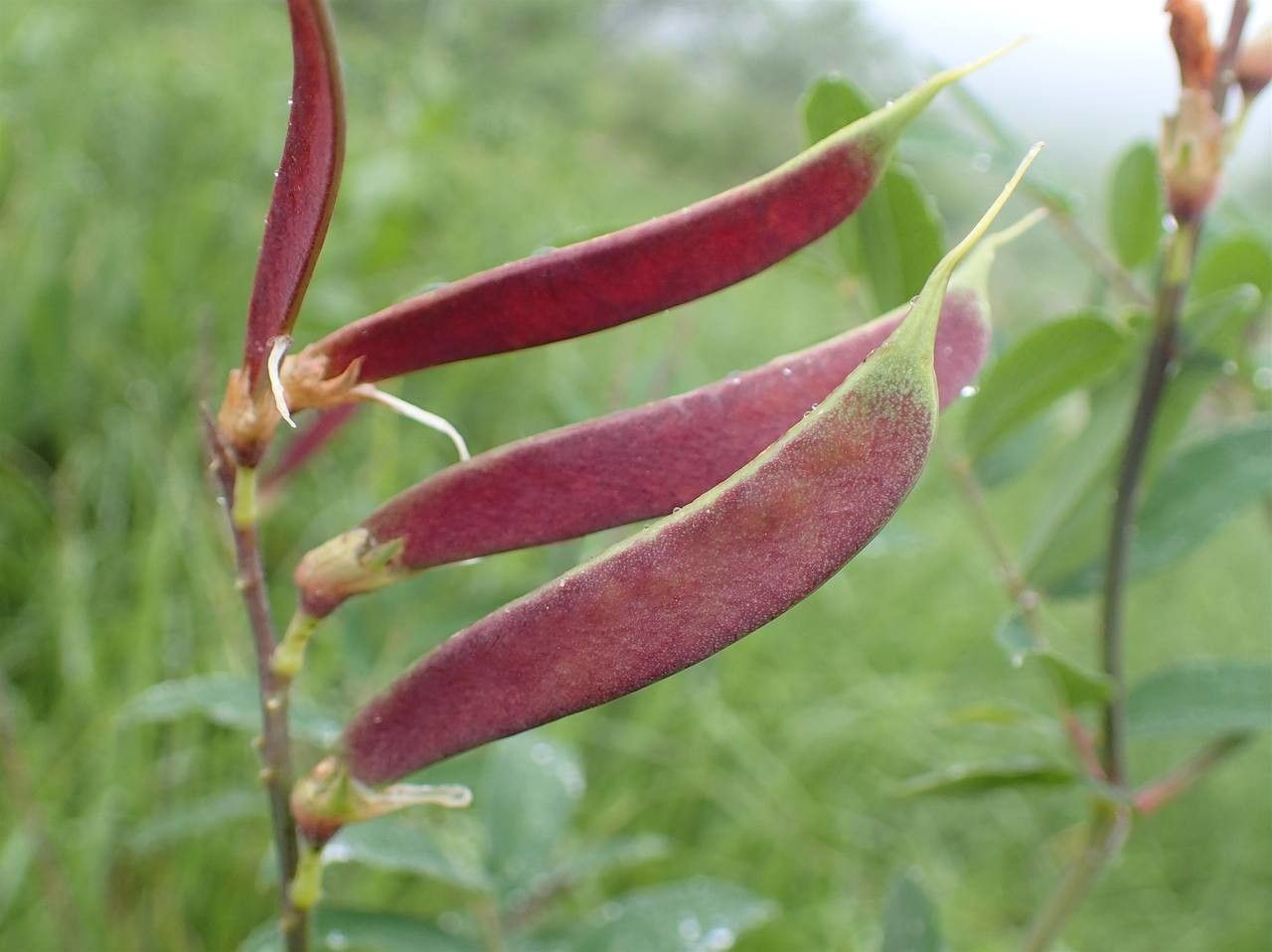
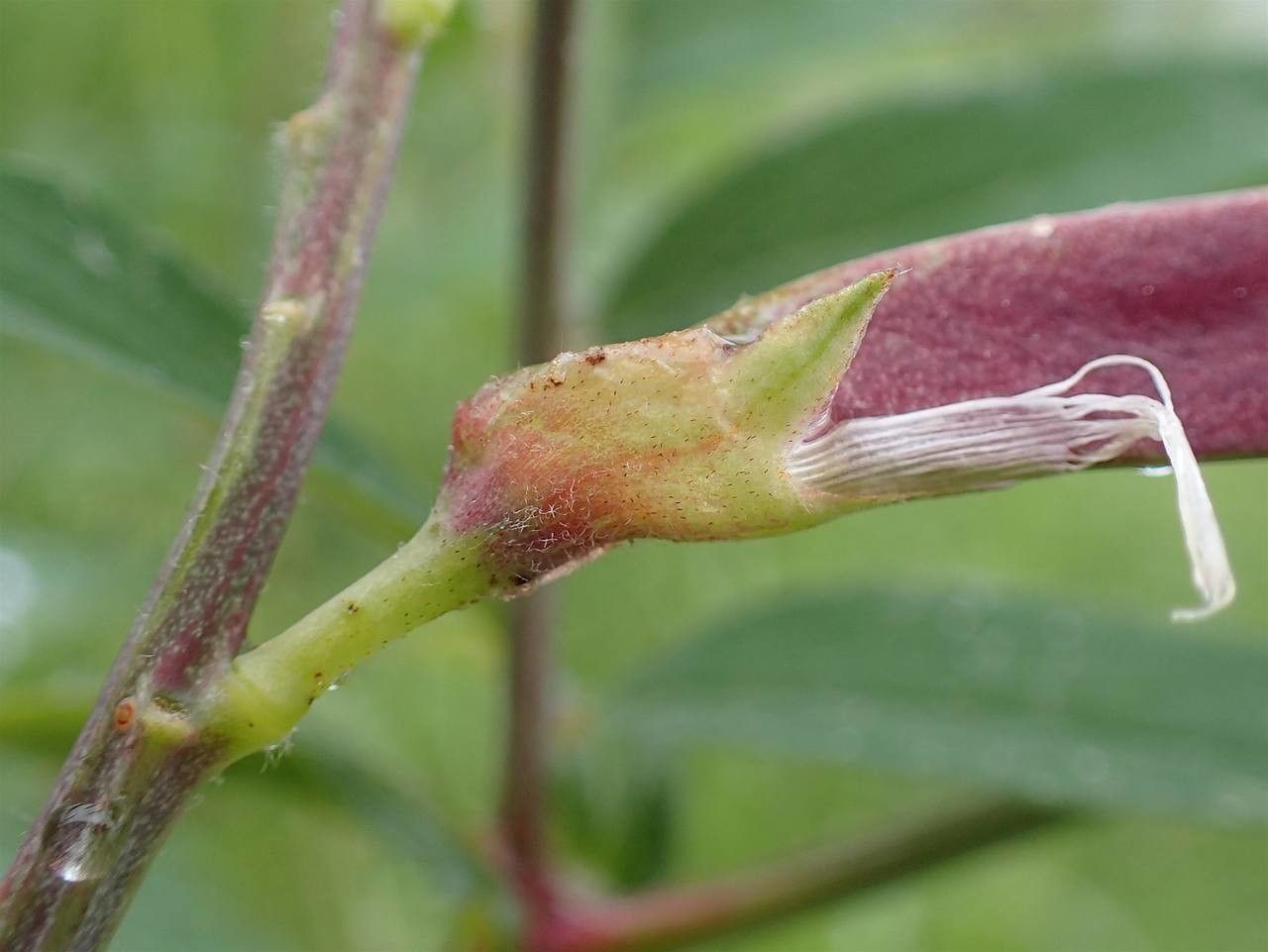
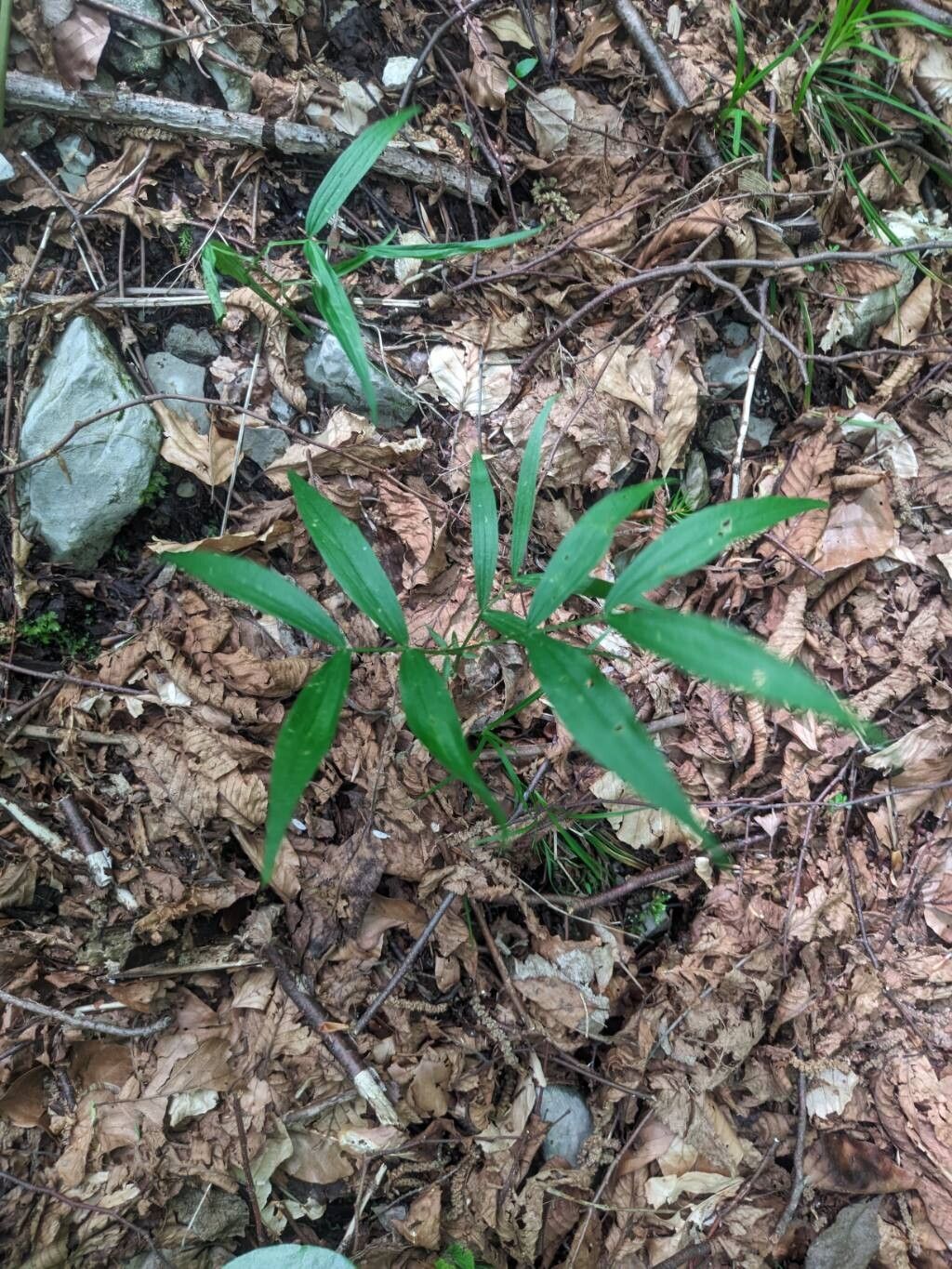
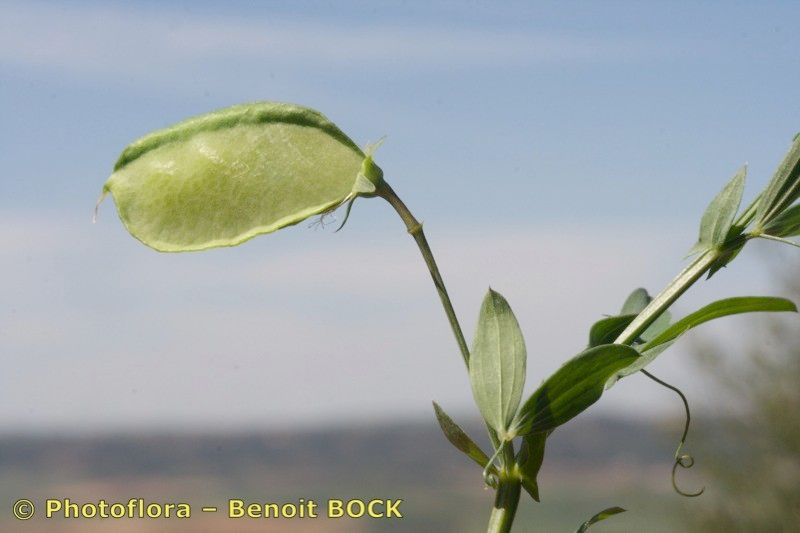
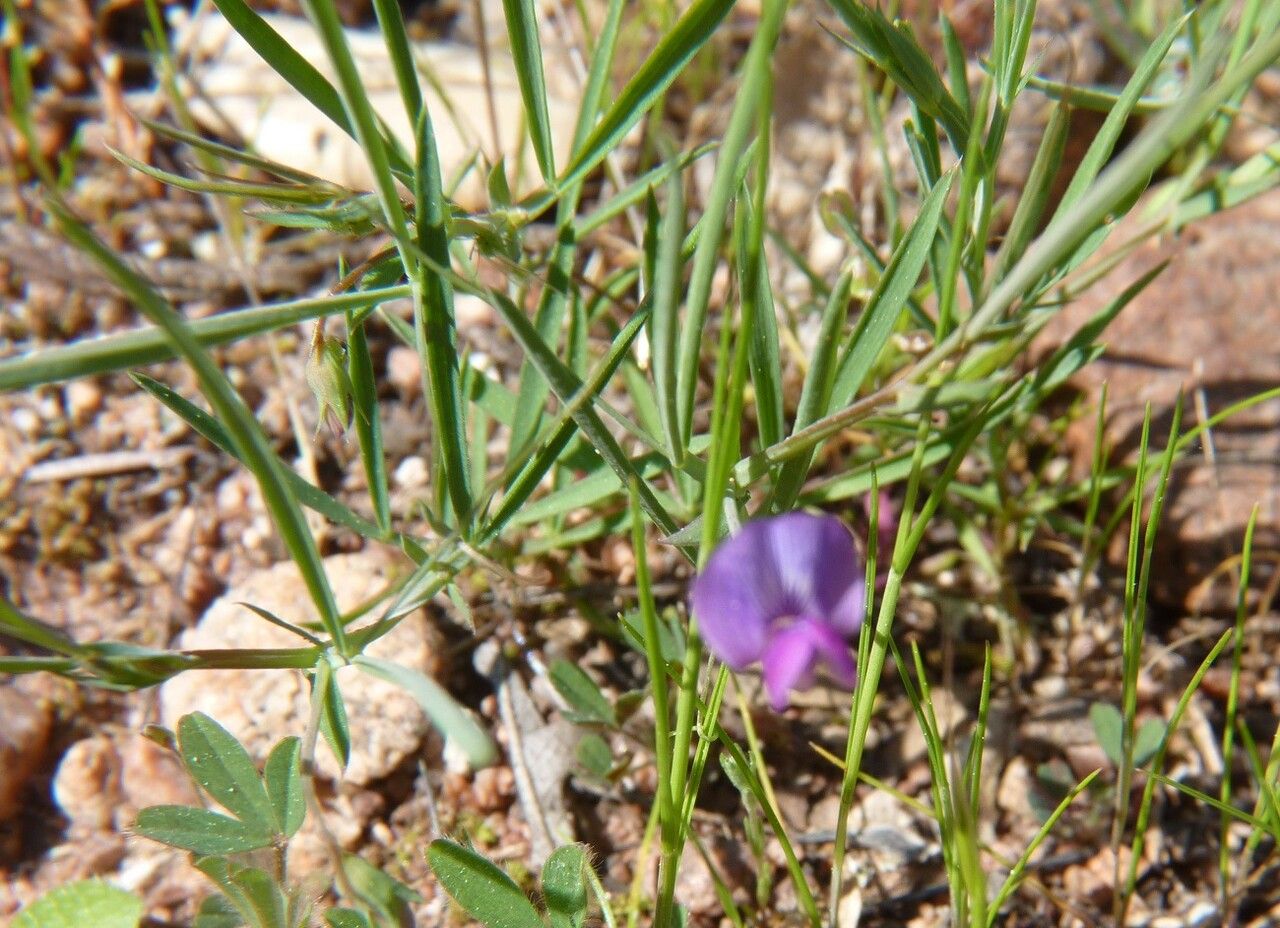
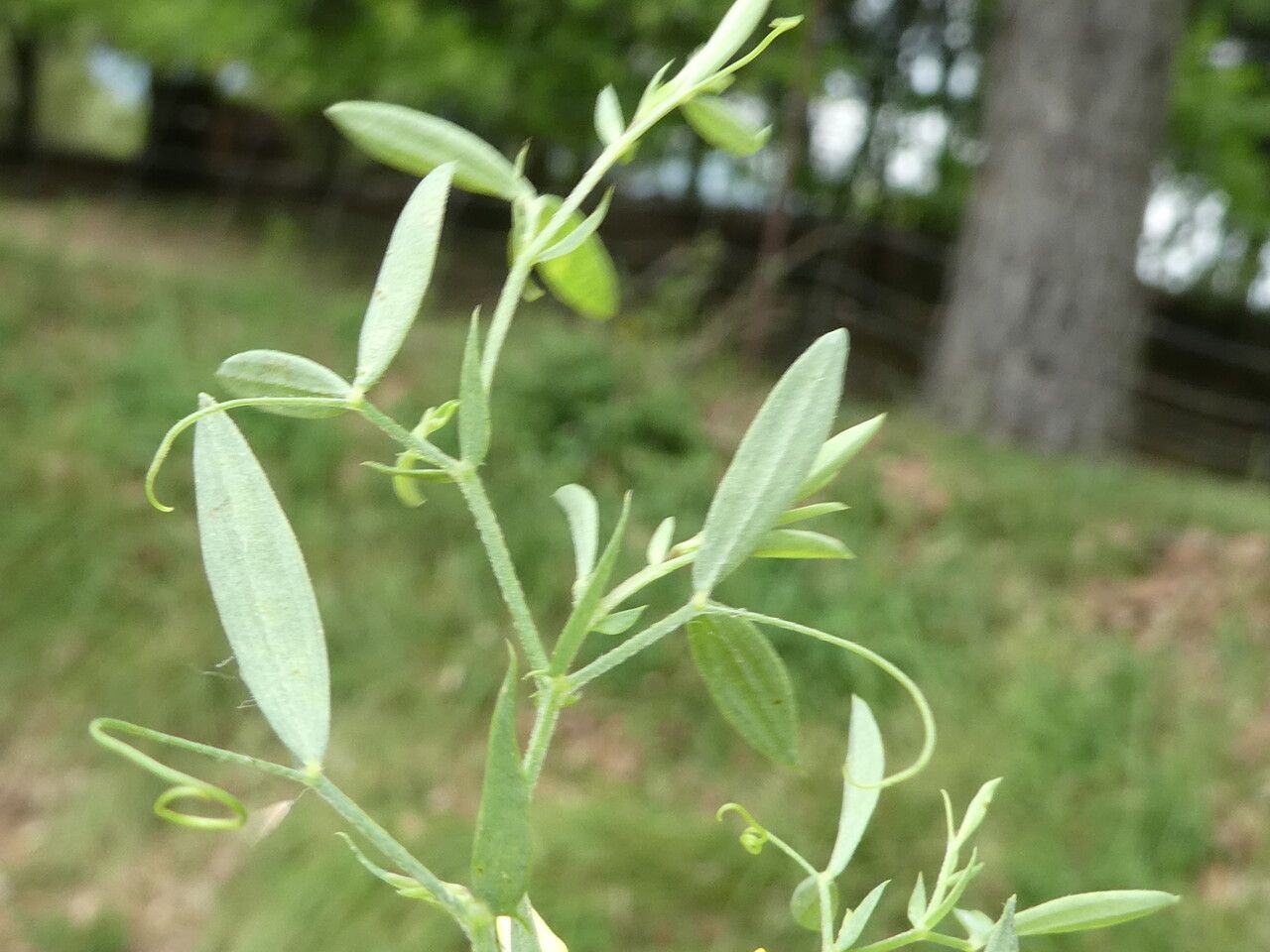
Lathyrus laevigatus is a flowering plant of the genus Lathyrus in the legume family Fabaceae. It is native to middle, eastern, and southeastern Europe.
Perennial sweet pea is fairly disease-resistant and typically not prone to illnesses. However, it can be affected by pests and diseases present in its surroundings. Such infections are generally not serious. As for care, this plant needs a moderate level of maintenance. Regular pruning is required to keep it looking neat and to support healthy growth. Fertilizing can also help encourage flowering. The perennial sweet pea is well suited to anyone with outdoor space, such as a garden or patio, and does not demand extensive gardening experience. It may need more attention if grown indoors.
How to keep Lathyrus Laevigatus.
Light
Perennial sweet pea originates from habitats like forest understories or rocky sites, where it occurs under natural shade. It prefers partial sun but can tolerate full sun or full shade, demonstrating its adaptable and hardy nature.
Water
Perennial sweet peas need frequent watering while they are seedlings to keep the soil moist. As the plants mature, they become more tolerant of drought. To prevent disease, water the plants directly at the roots in the morning. If the sweet peas are in pots, the soil will dry out more quickly, so you may need to water them more often, particularly in warm weather.
Temperature
Perennial sweet pea can tolerate a wide range of temperatures, but its distribution may still be restricted by different combinations of moisture and heat. It does best in warm summer climates with sufficient rainfall or watering. Extended periods of cloudy, rainy weather or prolonged high temperatures can raise the chance of Perennial sweet pea dying. In winter, adequate protection from cold can enhance the plant's survival.
Fertilizer
For perennial sweet pea, the primary time to apply fertilizer is in early spring when the plants are forming flowers. The appropriate fertilizer promotes improved blooms and helps the perennial sweet pea produce attractive flowers. Fertilizing in early spring ensures excellent flowering during the season and supplies energy for periods of dormant growth.
Pruning
For optimal growth, perennial sweet pea benefits from strategic pruning, best done between early and late spring. Trimming the plant by one-third encourages more blooming, and removing any weak or diseased stems improves air circulation. With regular pruning, the plant becomes healthier and produces a vibrant display throughout the summer.
Botanical profile.
- Plant Type
- Herb, Vine
- Life Cycle
- Perennial
- Genus
- Lathyrus
- Family
- Fabaceae
- Hardiness Zone
- 4-8
- Mature Height
- 49 cm to 91 cm
- Mature Spread
- 30 cm to 49 cm
- Leaf Color
- Green
- Leaf Type
- Deciduous
- Flower Color
- Yellow
- Flower Size
- 2.03 cm to 3.05 cm
- Bloom Time
- Late spring, Early summer, Mid summer
- Planting Time
- Spring, Summer, Autumn
- Harvest Time
- Late summer, Early fall, Mid fall
- Native Area
- Russia, Lithuania, Austria, Switzerland, Slovakia, Poland, Romania, Ukraine, Belarus, Serbia
Other names.
Reader questions.
What are the sunlight requirements for Perennial sweet pea (Lathyrus laevigatus)?
Perennial sweet pea (Lathyrus laevigatus) thrives under specific sunlight conditions. For 'Full sun' exposure, it requires above 6 hours of sunlight daily. In the case of 'Partial sun,' about 3-6 hours of sunlight each day is sufficient. It's important to observe the sunlight's movement in your garden to ensure that you find the perfect spot that offers the right balance of light and shade. This careful placement will significantly contribute to the happiness and health of your plants.
What is the botanical name of the Perennial sweet pea?
The botanical name of the Perennial sweet pea is Lathyrus laevigatus.