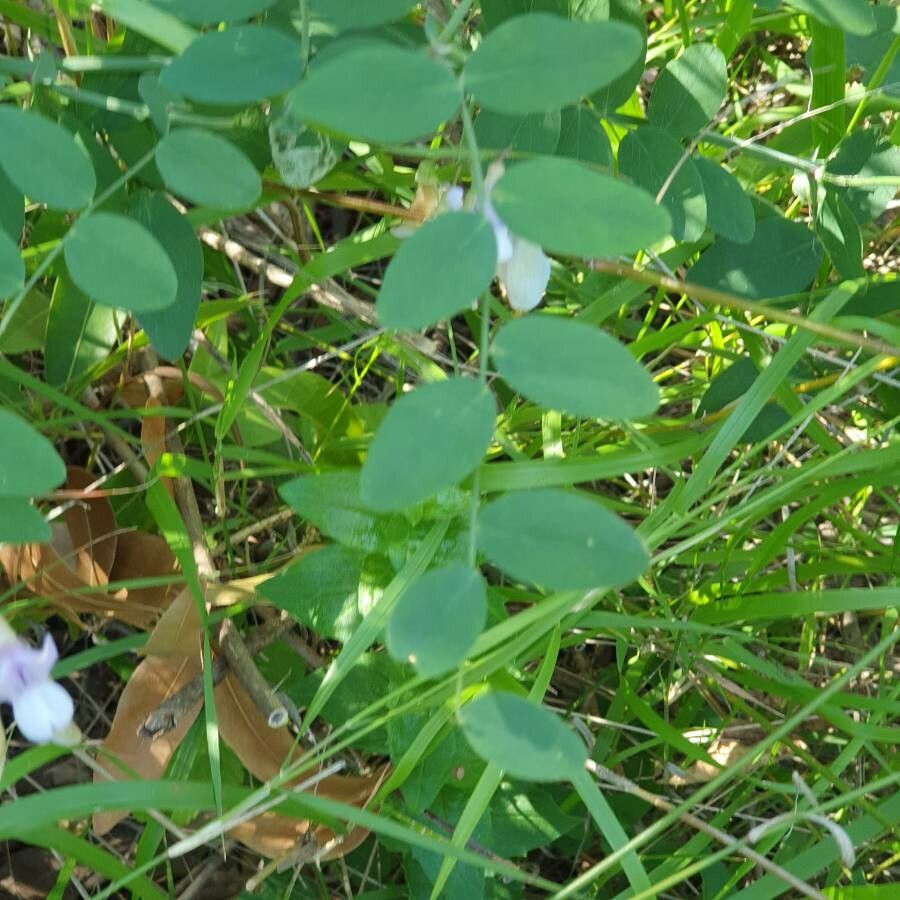
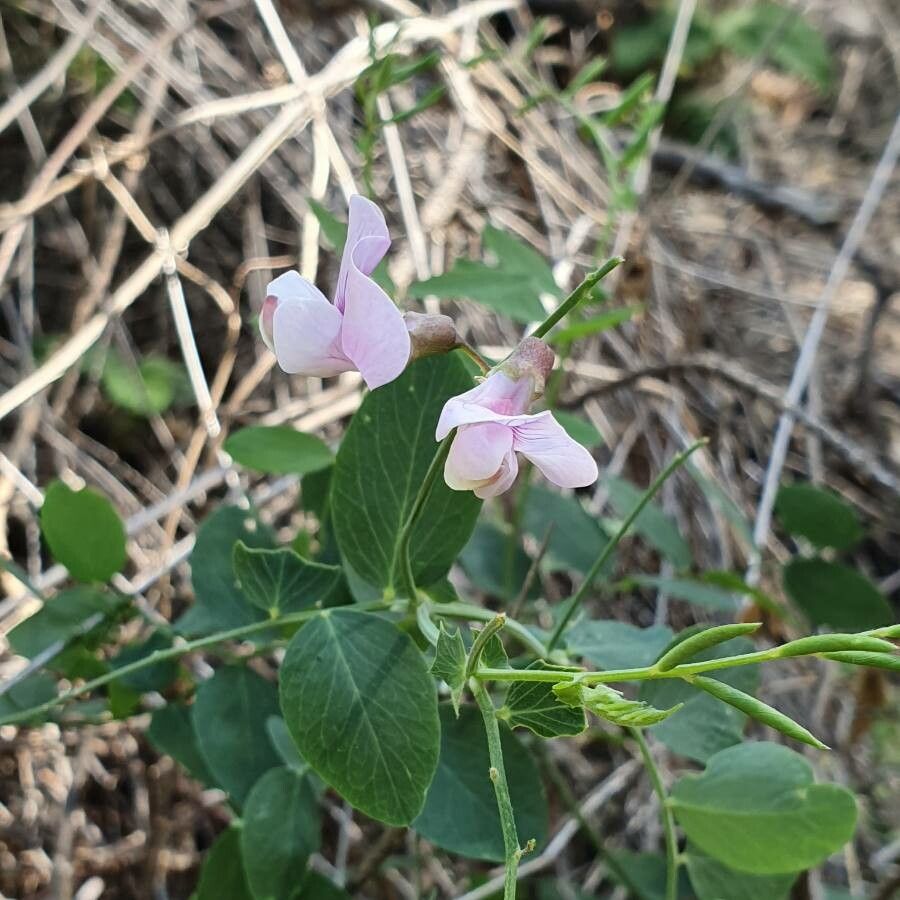
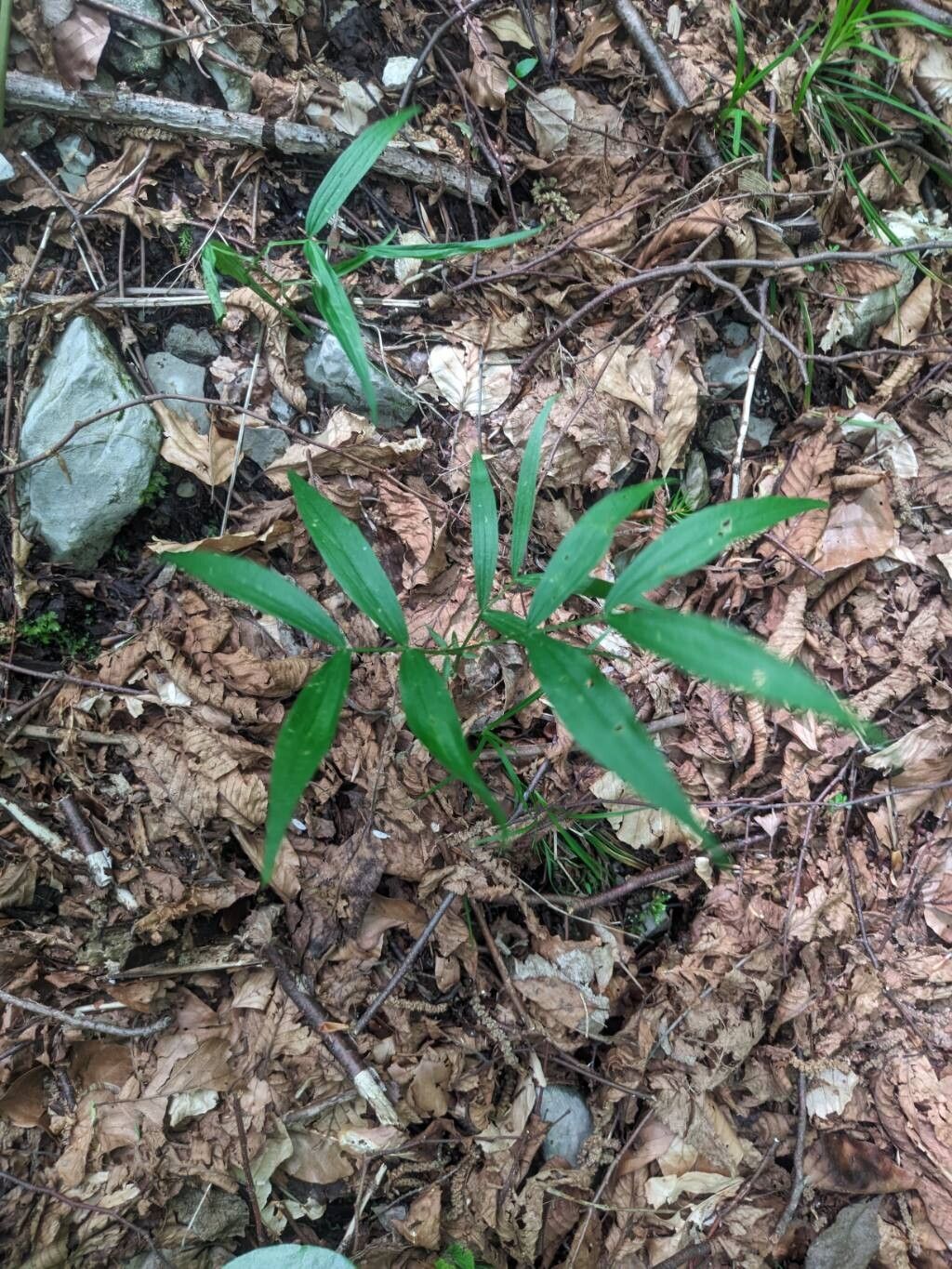
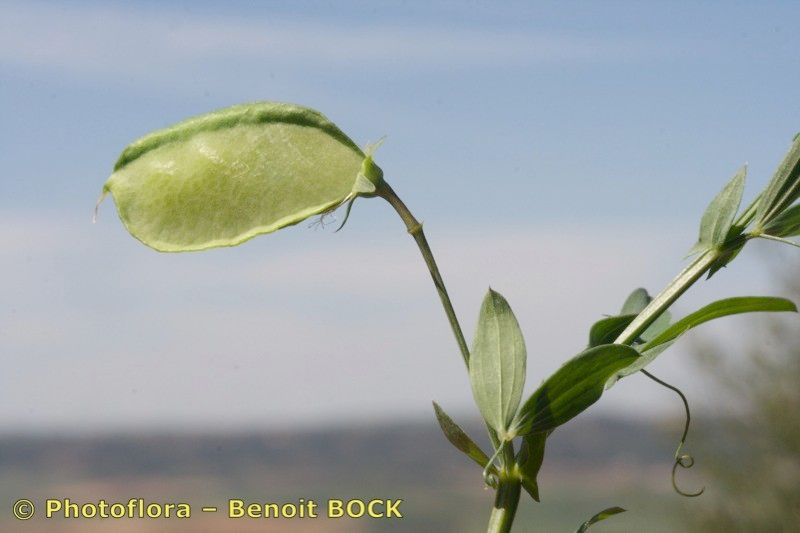
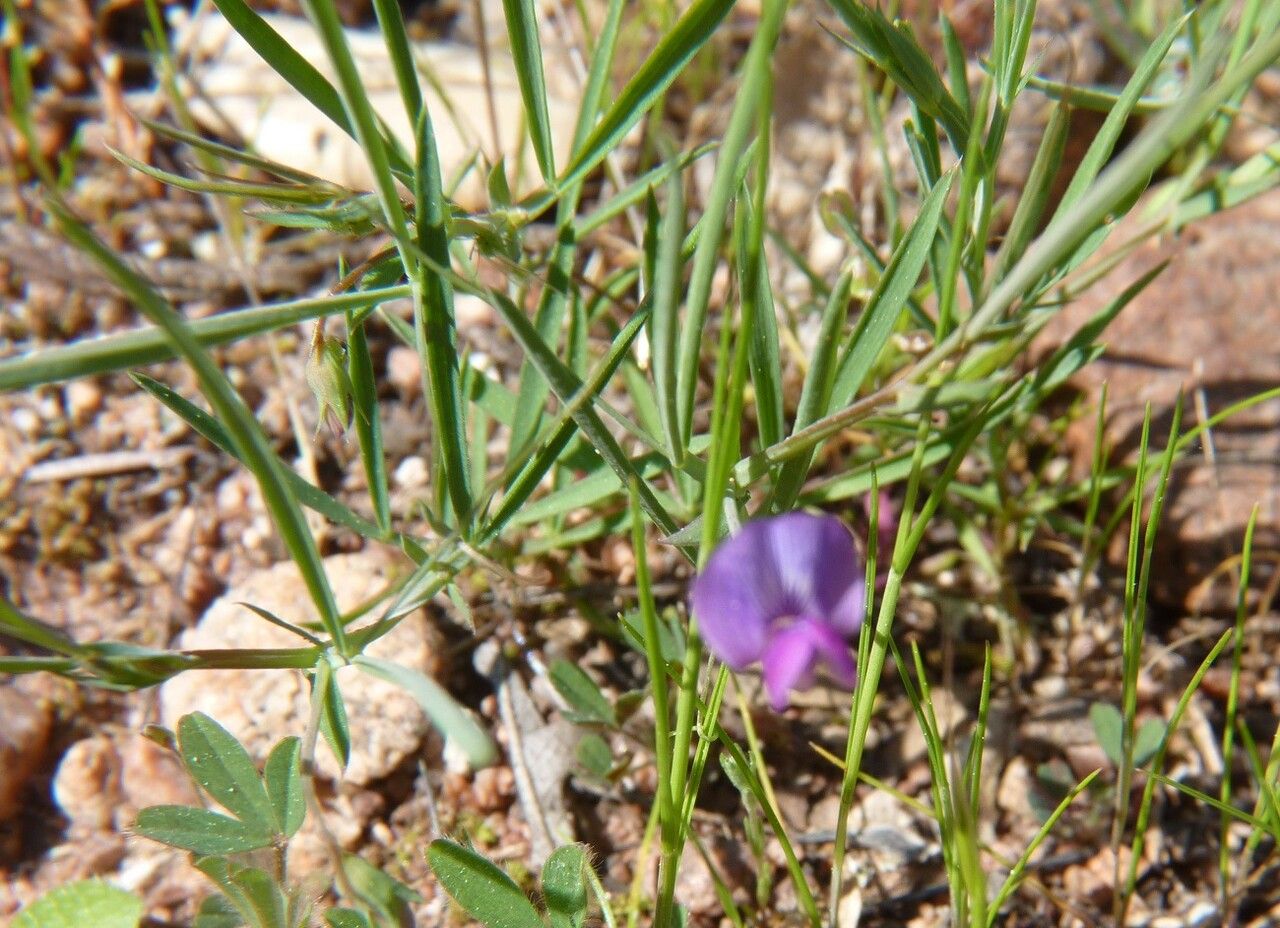
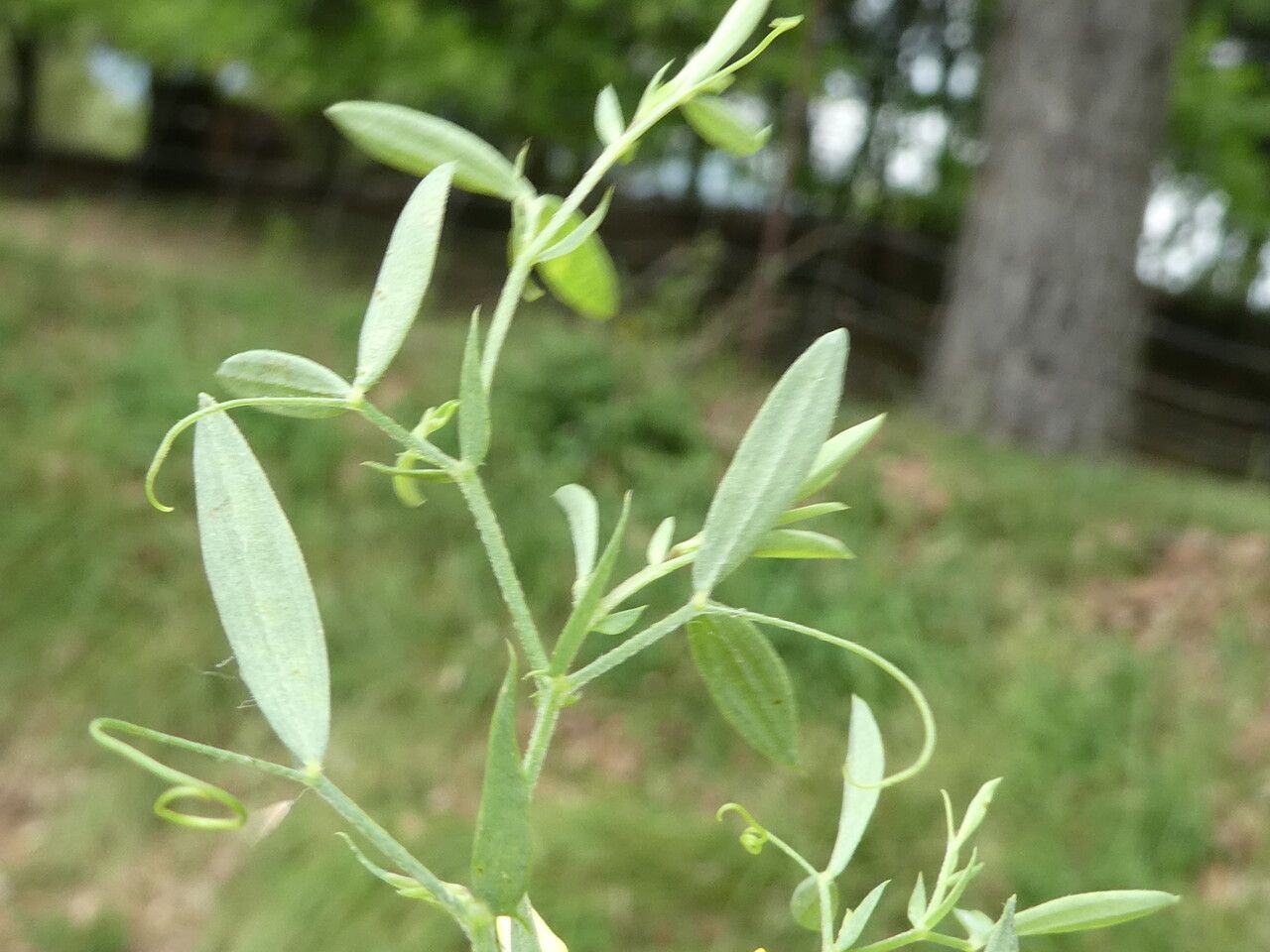
Lathyrus lanszwertii is a species of sweet pea known by the common names Nevada sweet pea or peavine. It is found in western North America from California to Texas to British Columbia. It is a tender vining perennial which bears lavender, fuchsia, or white pea flowers, and pods containing inedible peas. There is much variation among individuals of this species, and there are several distinct varieties:
Lathyrus lanszwertii var. aridus - Nevada pea Lathyrus lanszwertii var. brownii - Brown's pea Lathyrus lanszwertii var. lanszwertii - Lanszwert's pea Lathyrus lanszwertii var. leucanthus - Nevada pea Lathyrus lanszwertii var. tracyi - Tracy's pea
Nevada pea is generally resistant to disease and not usually prone to illnesses. However, it can be affected by pests and diseases present in its environment. These problems are normally mild. Regarding care, this plant needs moderate maintenance. It should be pruned regularly to preserve a tidy appearance and support healthy growth. Fertilizing can also help encourage flowering. Nevada pea is appropriate for anyone with outdoor space, such as a garden or patio, and does not demand extensive care experience. It may need more attention when grown indoors.
How to keep Lathyrus Lanszwertii.
Water
The Nevada pea needs more frequent watering during the seedling stage to keep the soil moist. As the plant matures, it becomes more tolerant to drought conditions. To reduce the risk of disease, water the plant directly at the root in the morning. If the pea is planted in a pot, the soil will dry out more quickly, so be sure to adjust the watering frequency, particularly during warmer weather.
Fertilizer
One fertilizer application in spring is generally enough for Nevada pea, though several feedings can boost growth. Apply every month to every month and a half. Fertilizing improves leaf appearance and function, encouraging even color and a healthy texture. It also promotes root development and nutrient uptake for sustained plant health.
Pruning
To ensure the Nevada pea thrives, perform early spring pruning. Begin by removing dead stems and thinning out overcrowded areas to improve air circulation. Additionally, cut back any leggy growth to maintain a compact shape, enhancing the plant's floral display and overall vigor. These steps will contribute to a vibrant garden presence.
Botanical profile.
Other names.
Reader questions.
What are the sunlight requirements for Nevada pea?
The Nevada pea, or Lathyrus lanszwertii, flourishes under specific sunlight conditions. For full sun exposure, it requires above 6 hours of sunlight, while partial sun exposure means about 3-6 hours of sunlight. It's crucial to observe how sunlight moves through your garden to pick locations that offer the ideal balance of light and shade, ensuring the well-being of your plants. Remember, the right amount of sunlight is key to the happiness and health of your Nevada pea.
What is the Nevada pea?
The Nevada pea, known botanically as Lathyrus lanszwertii, is a plant species. There is no additional information provided about its essentials or symptoms.