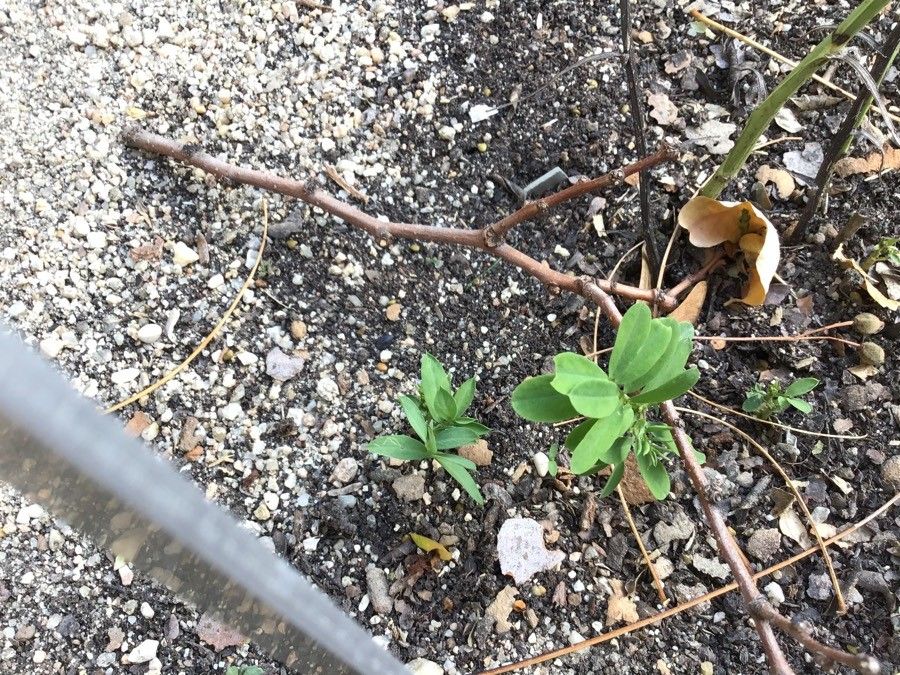
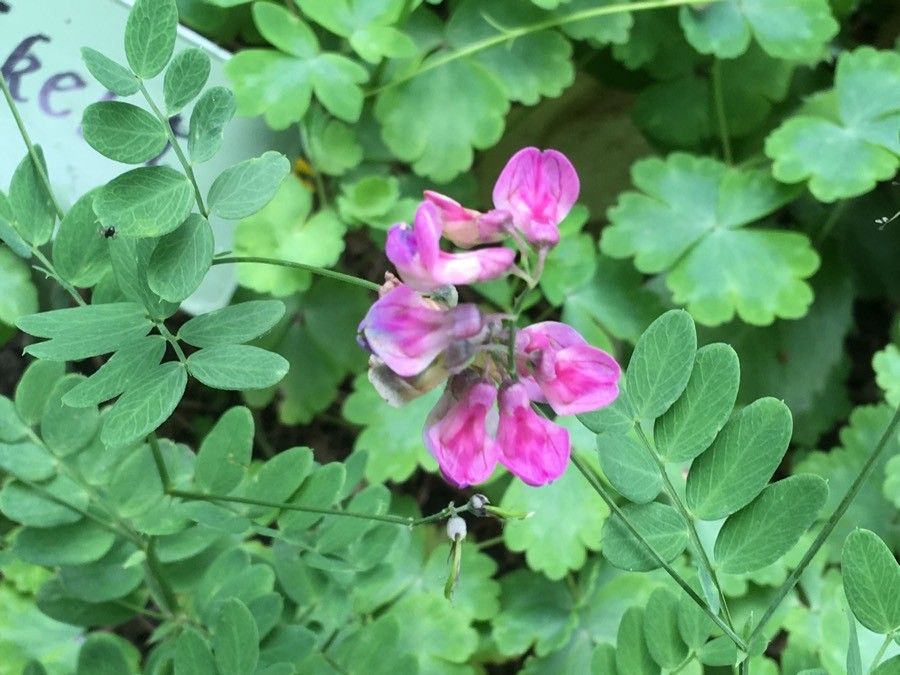
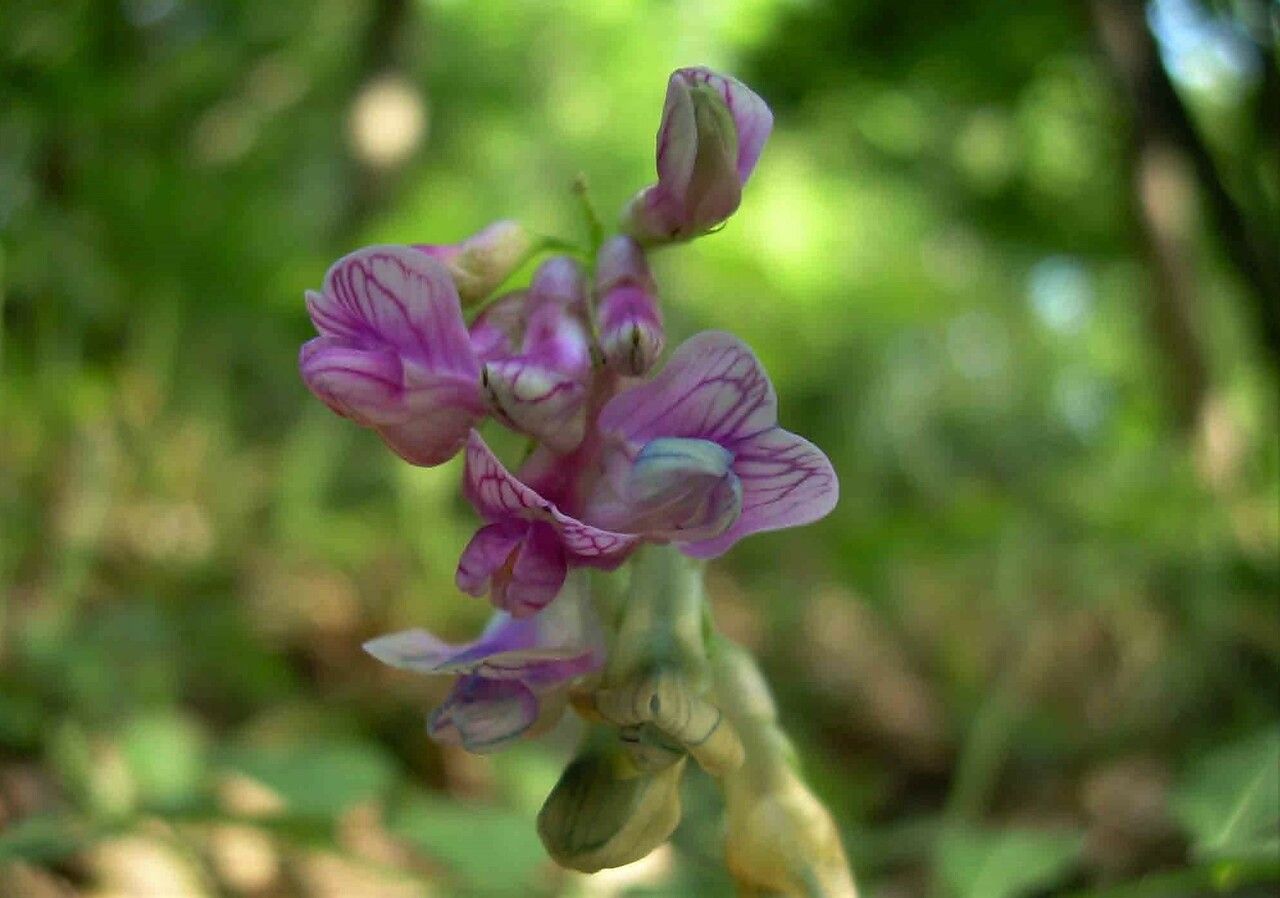
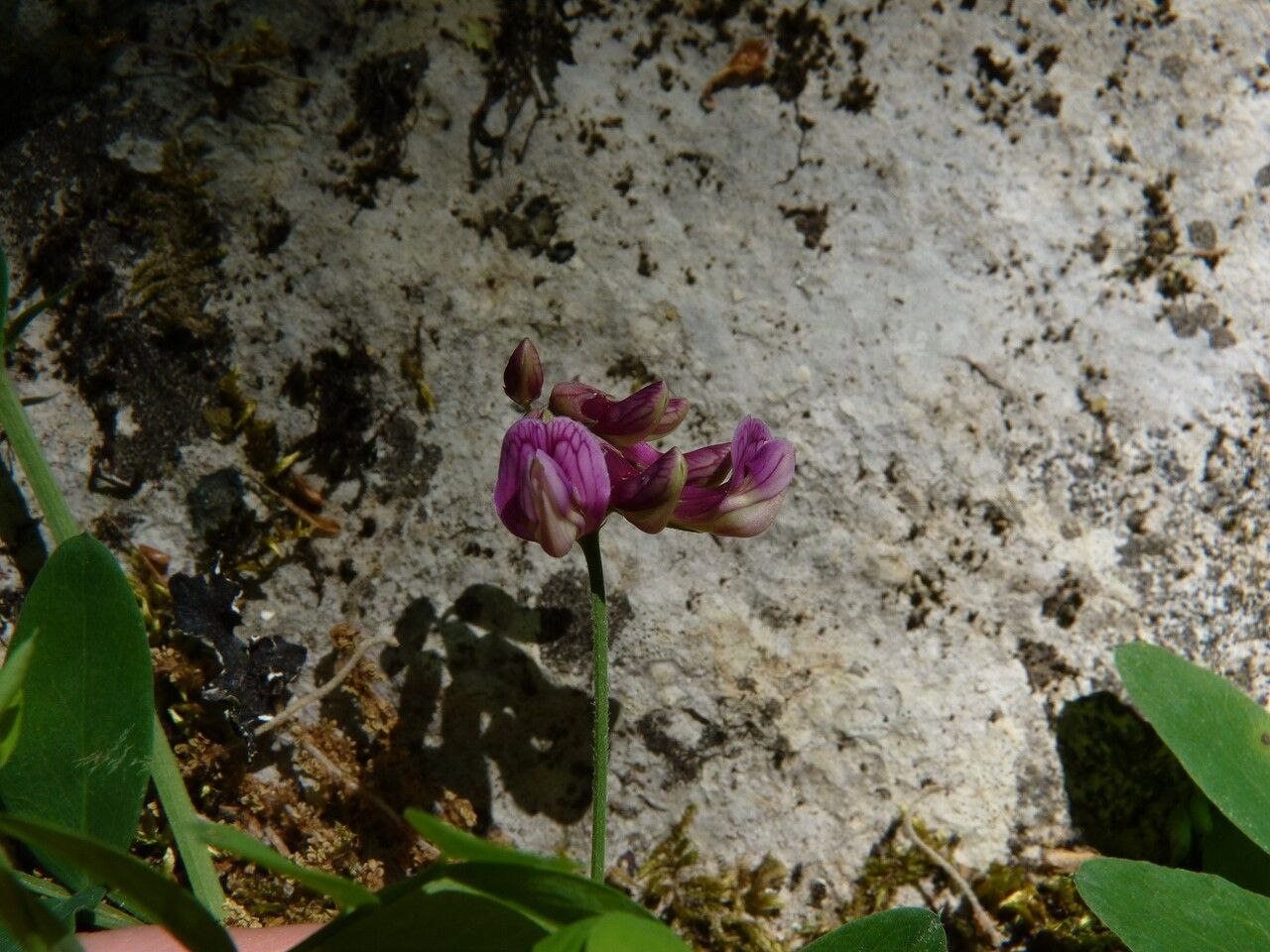
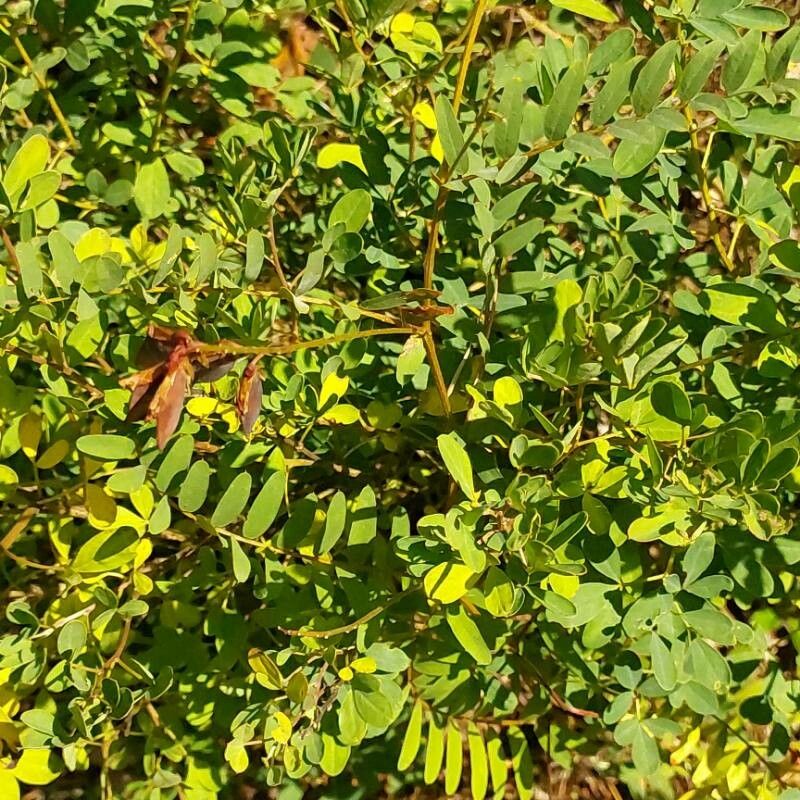
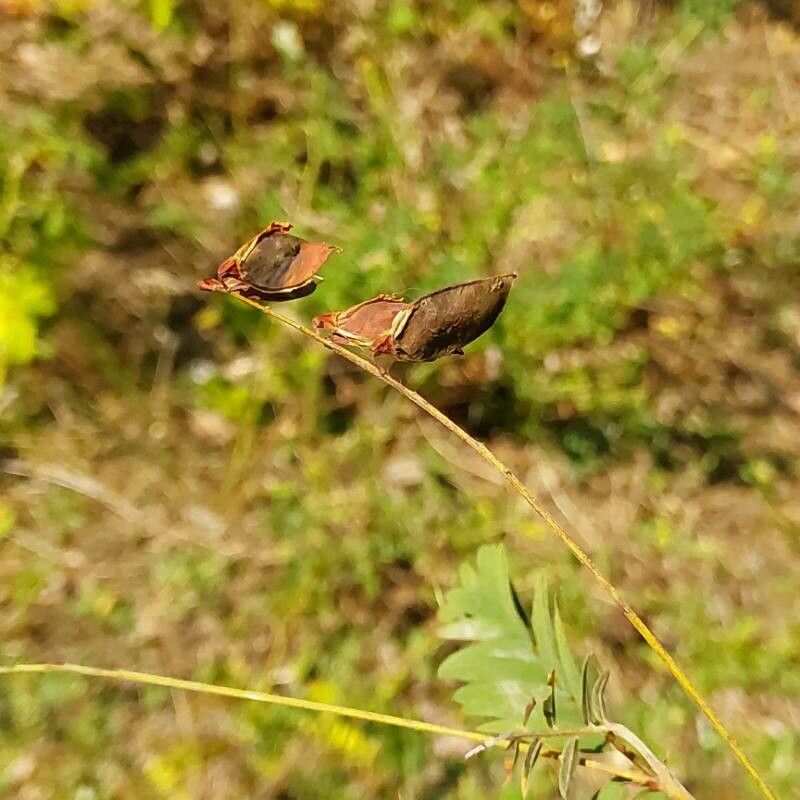
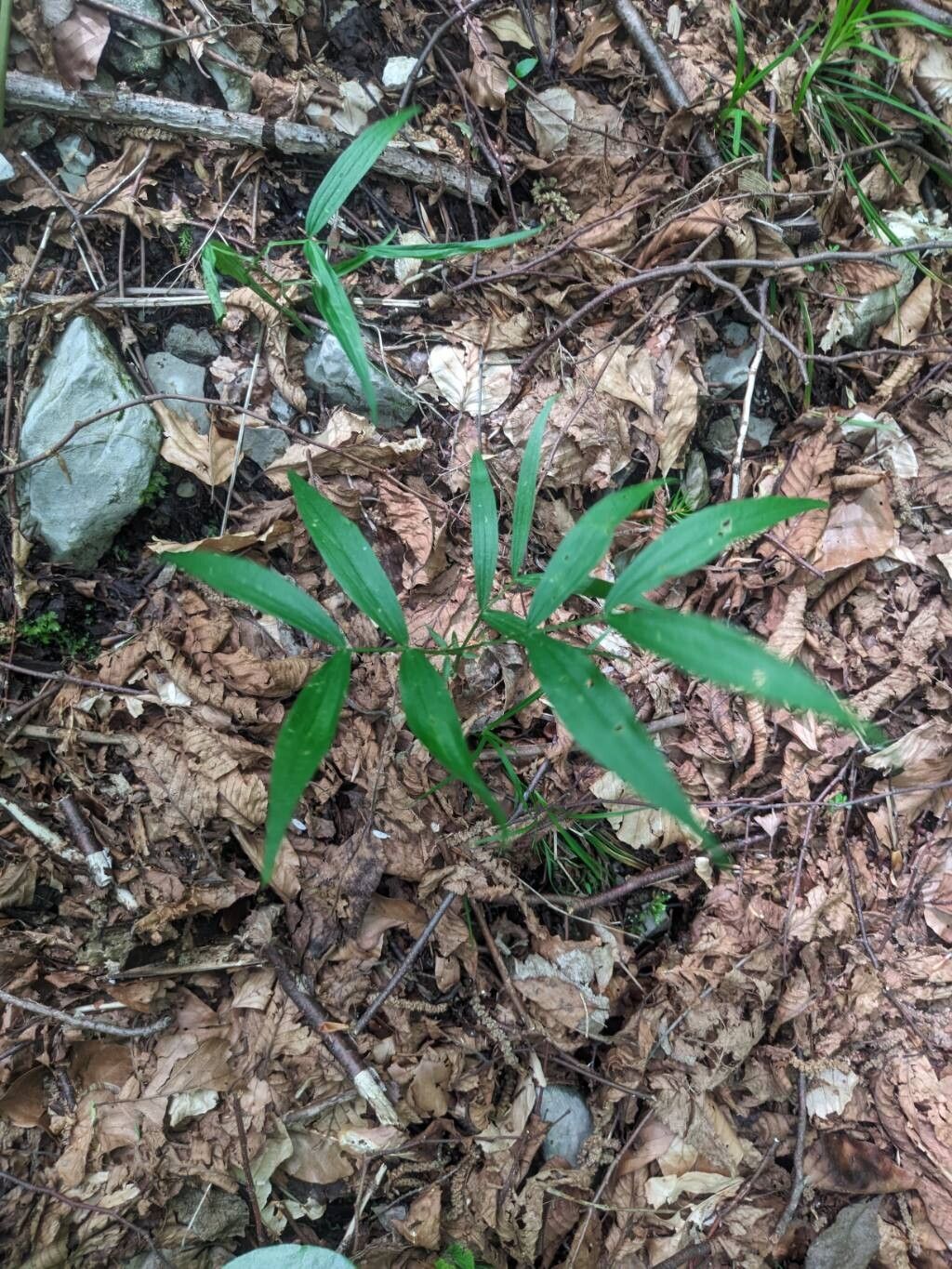
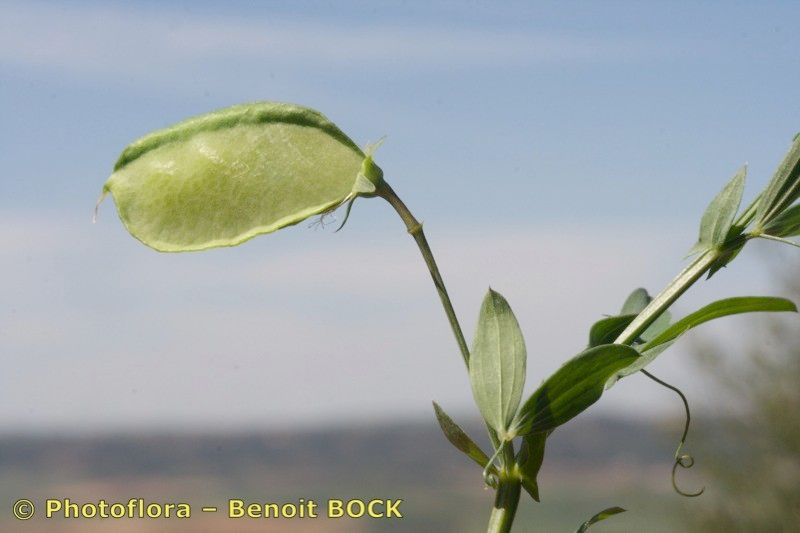
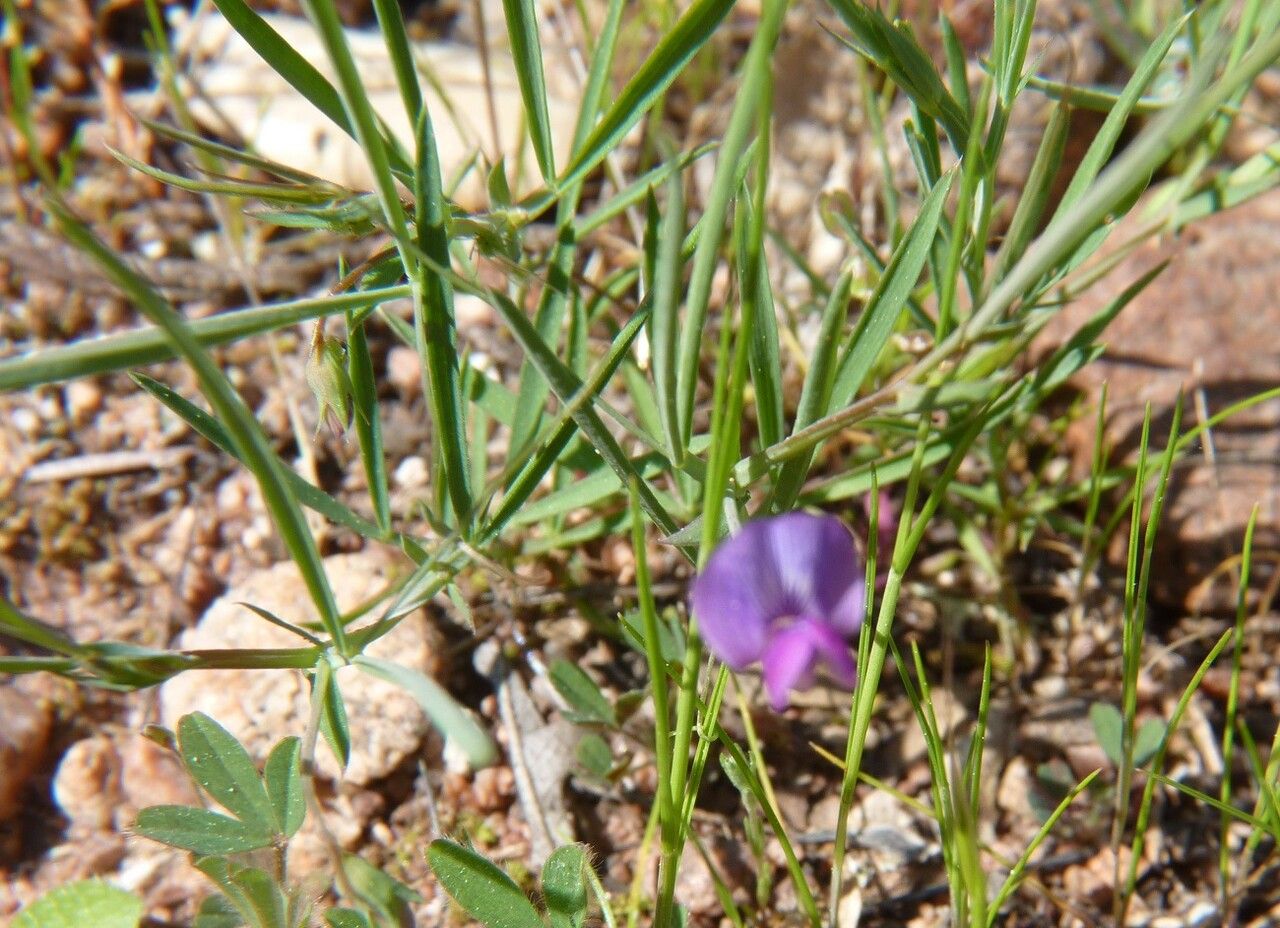
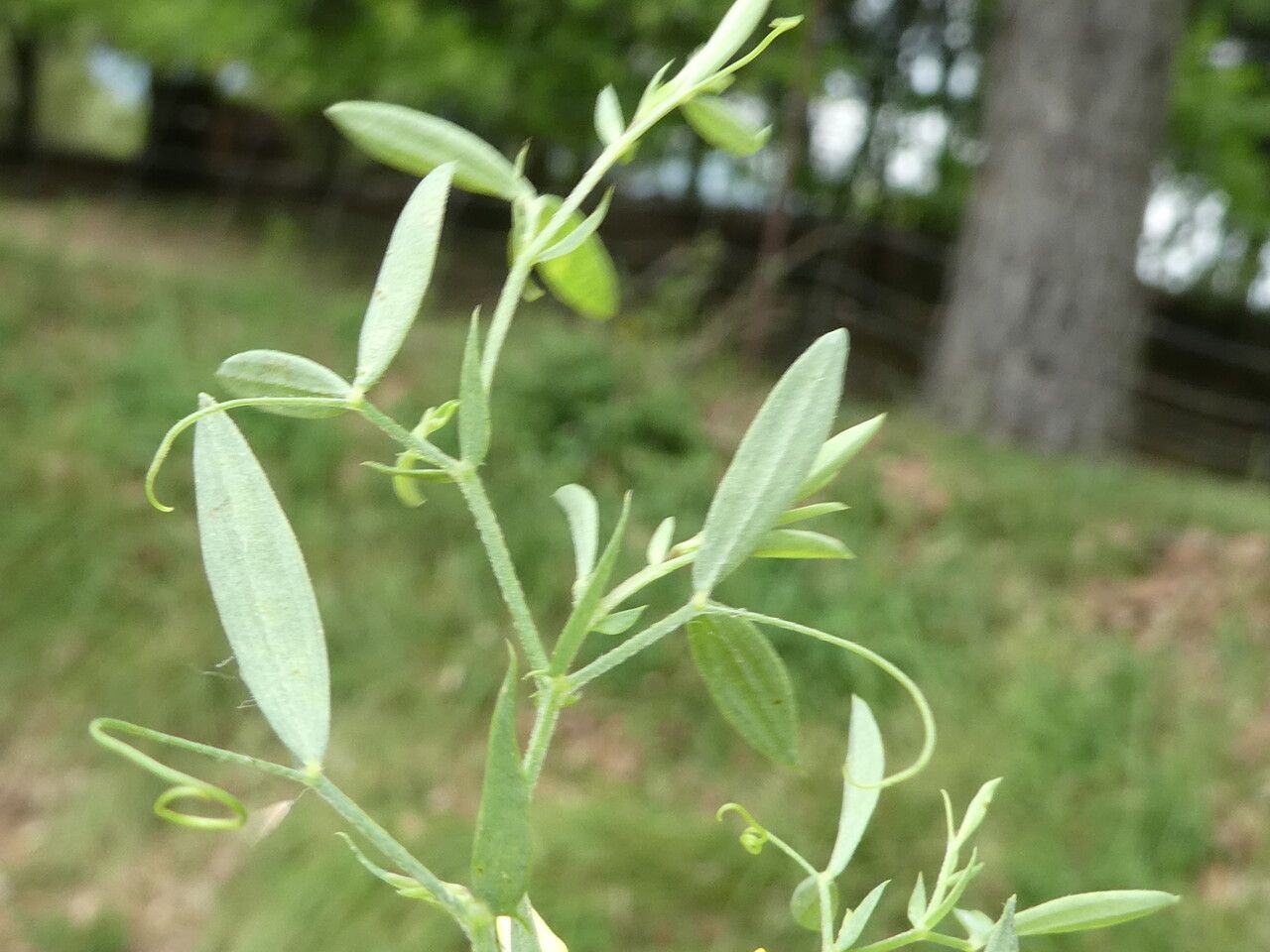
Lathyrus niger, commonly known as black pea or black vetchling, is a flowering plant species belonging to the Fabaceae family. This herbaceous perennial grows up to 60 cm tall and features dark green leaves divided into several leaflets. The small, dark purple flowers bloom from May to July.
Native to Europe and Asia, Lathyrus niger has been introduced in other regions as an ornamental plant. It thrives in well-drained soils and can grow in both full sun and partial shade.
This plant has been used for medicinal purposes for centuries due to its anti-inflammatory properties. Traditionally, its roots have been a remedy for rheumatism, gout, and other inflammatory conditions.
Besides its medicinal uses, Lathyrus niger is also an important food source for wildlife such as rabbits and deer, which feed on its leaves.
Overall, Lathyrus niger is a beautiful flowering perennial with significant medicinal properties and ecological importance.
Black pea is fairly resistant to disease and is typically not vulnerable to illnesses. However, it can be affected by pests and diseases present in its environment. Such infections are generally mild. Regarding care, the plant requires moderate maintenance. Regular pruning is needed to preserve a tidy appearance and support healthy growth. Fertilizing can also help encourage flowering. Black pea is suitable for anyone with outdoor space, such as a garden or patio, and does not demand much prior gardening experience. It may require increased care if cultivated indoors.
How to keep Lathyrus Niger.
Light
Black pea occurs naturally in habitats like forest understories or rocky sites, where it grows in natural shade. It prefers partial sun but can adjust to either full sun or full shade, demonstrating its versatility and hardiness.
Water
The black pea is originally from temperate regions and thrives in environments with moderate moisture. It has a good balance of hydration needs and drought tolerance. For best results, water the black pea once a week. If possible, use rainwater, as it can enhance the plant's growth during the growing season. This makes the black pea well-suited for outdoor garden settings.
Temperature
Black pea can tolerate a wide spectrum of temperature conditions, though its range may still be restricted by different combinations of moisture and heat. It grows best in warm summer climates with sufficient rainfall or irrigation. Extended stretches of cloudy, rainy weather, as well as prolonged very high temperatures, raise the risk of Black pea dying. In winter, adequate protection from the cold can increase the plant's chances of survival.
Fertilizer
The best time to fertilize a Black pea is in early spring, as it comes out of dormancy and starts active growth. Fertilization supplies essential nutrients for healthy development. Although Black pea has relatively low fertilizer requirements, an annual application can improve its survival and encourage better, longer-lasting flowers.
Pruning
The black pea plant produces delicate blossoms and flourishes with careful pruning from early to late spring. To encourage better airflow and more abundant flowering, concentrate on removing dead stems and overcrowded branches. Always use sharp, clean tools, and avoid heavy pruning while the plant is actively growing.
Botanical profile.
- Plant Type
- Herb
- Life Cycle
- Perennial
- Genus
- Lathyrus
- Family
- Fabaceae
- Hardiness Zone
- 4-9
- Mature Height
- 30 cm to 76 cm
- Mature Spread
- 30 cm to 49 cm
- Leaf Color
- Green, Black
- Leaf Type
- Deciduous
- Flower Color
- Purple, Blue
- Flower Size
- 1.02 cm to 1.52 cm
- Bloom Time
- Early summer, Mid summer
- Planting Time
- Spring, Autumn
- Harvest Time
- Late summer, Early fall, Mid fall
Other names.
Reader questions.
What are the sun requirements for Lathyrus niger (Black pea)?
Lathyrus niger, also known as Black pea, thrives in various sunlight conditions. It requires 'Full sun', which means it needs above 6 hours of sunlight daily, to flourish optimally. Alternatively, it can also grow in 'Partial sun', defined as about 3-6 hours of sunlight per day. When planning where to plant your Black pea, it's essential to observe the way sunlight moves through your garden throughout the day. Selecting the right spots that provide an ideal balance of light and shade is crucial for the health and happiness of your plants.
What is Black Pea?
Black Pea, also known by its botanical name Lathyrus niger, does not have further specific details provided in the initial data. There are no essentials, symptoms, or additional information described. For comprehending Black Pea in depth, looking into botanical sources or agricultural guides specific to Lathyrus niger might be necessary.