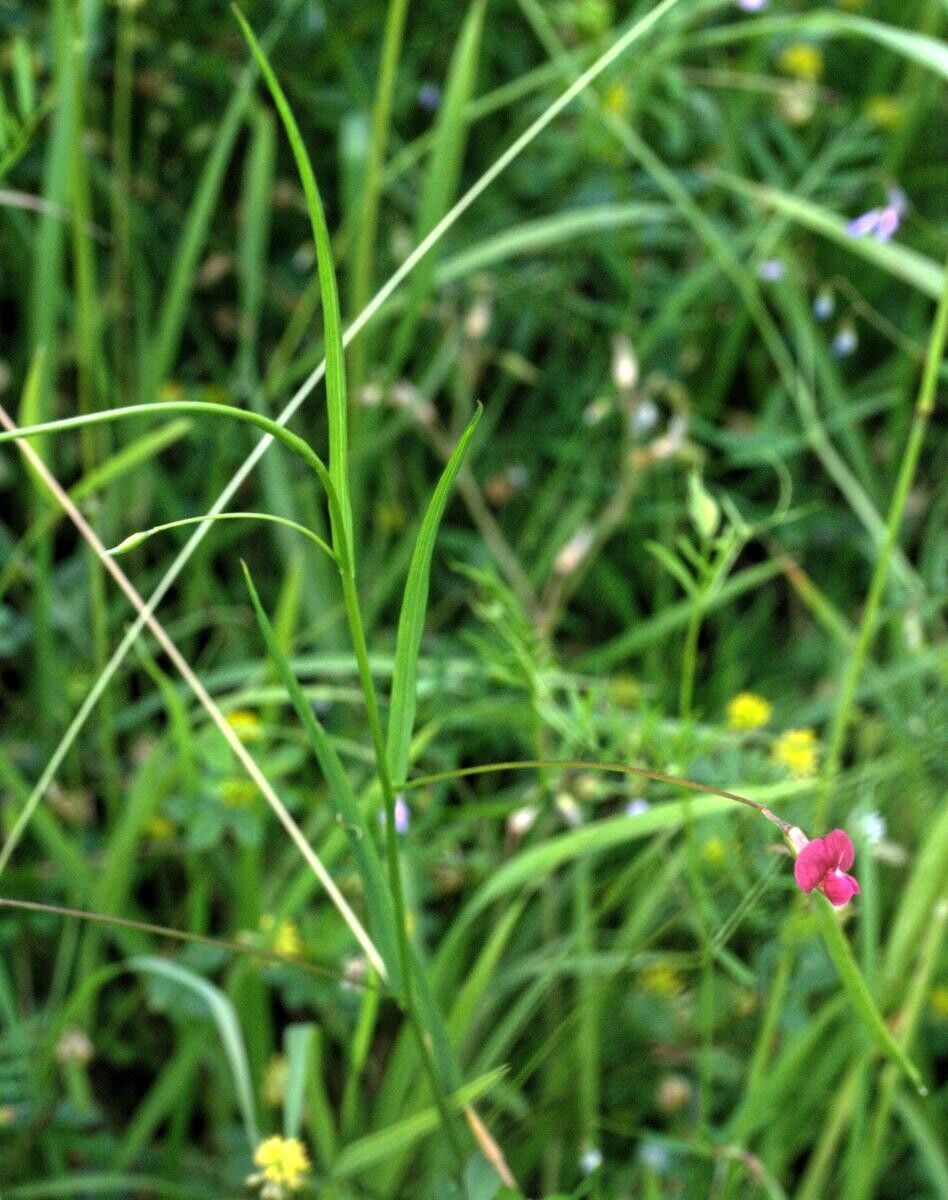
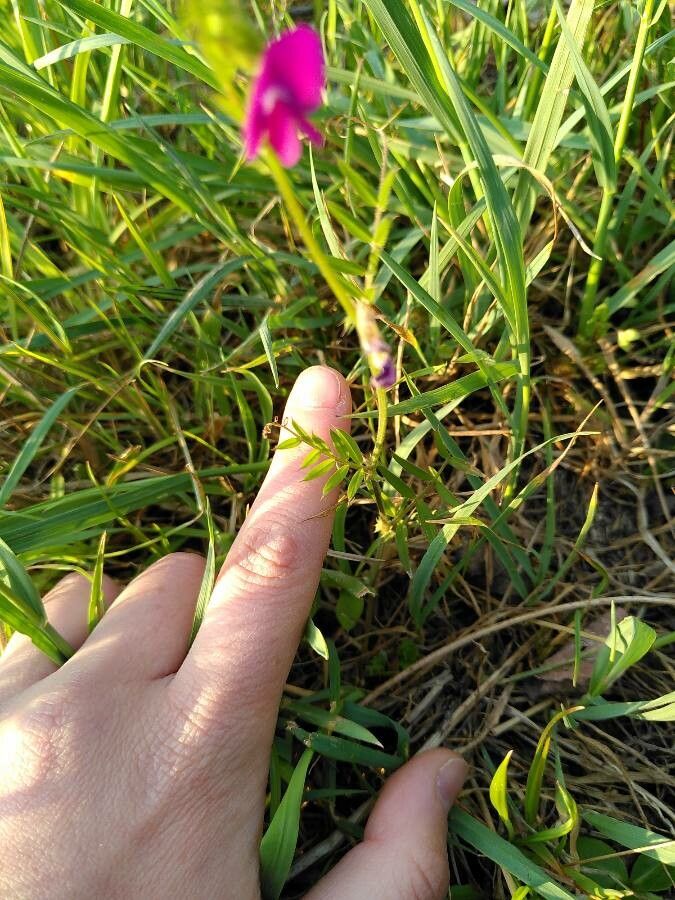
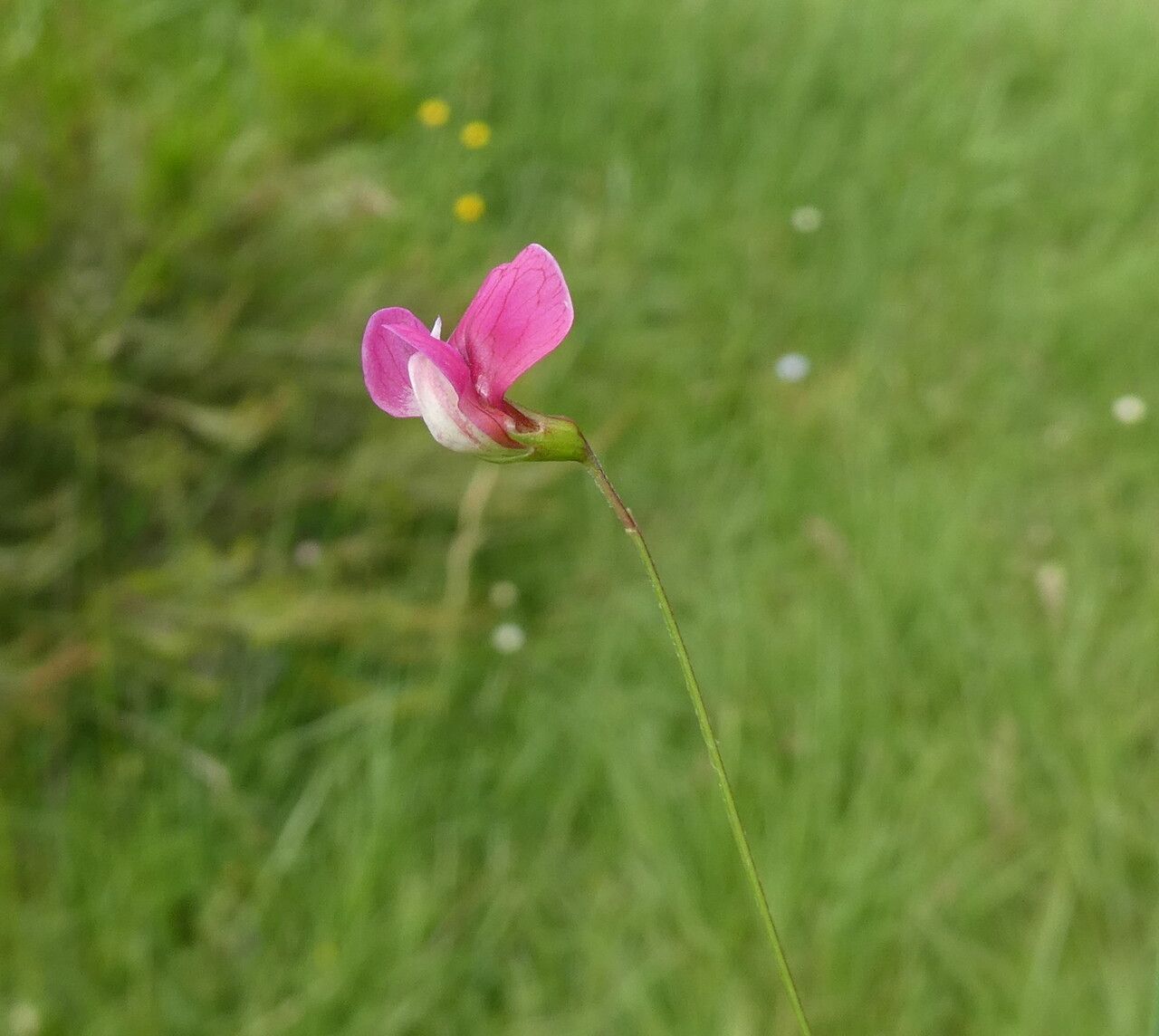
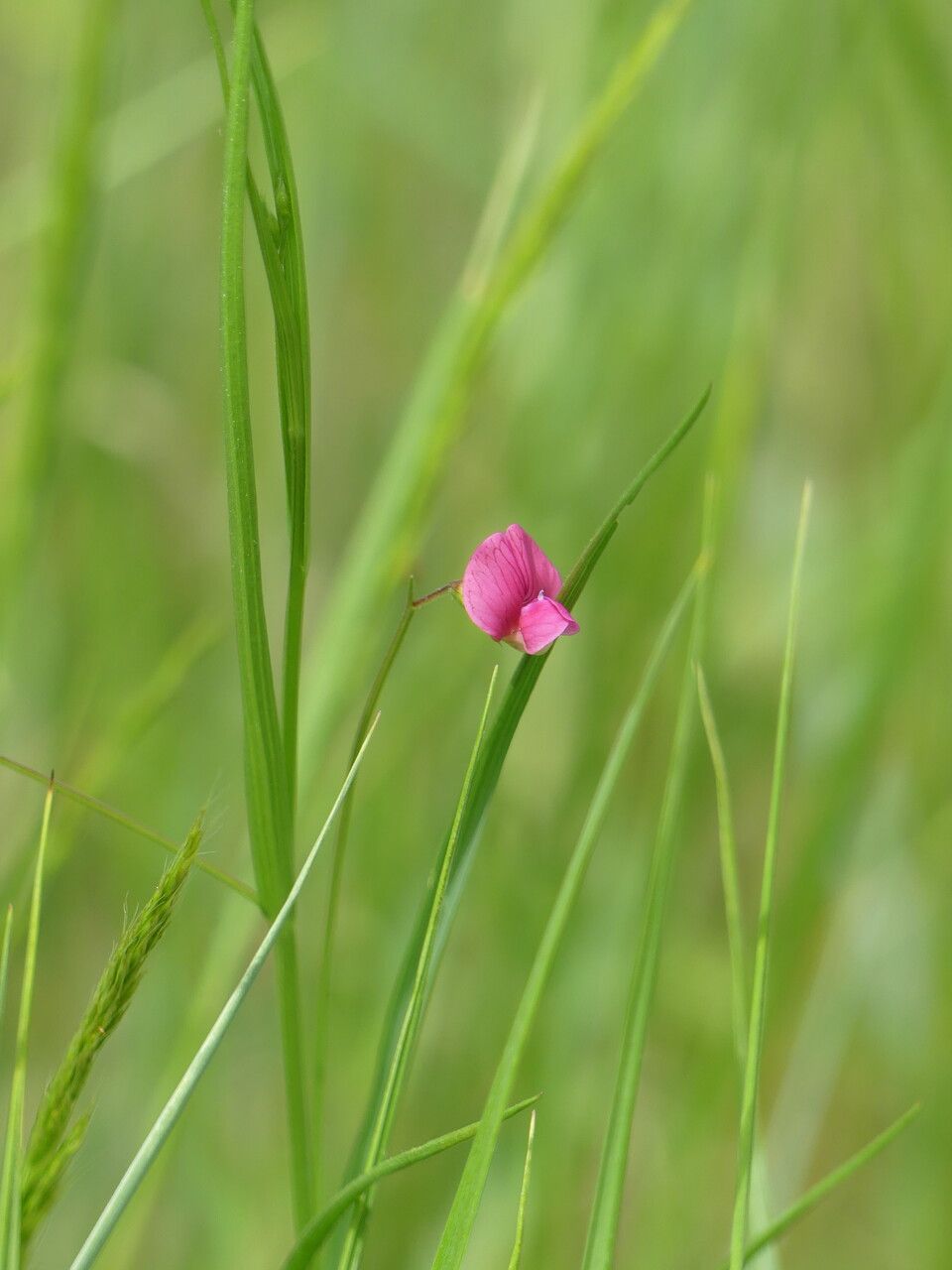
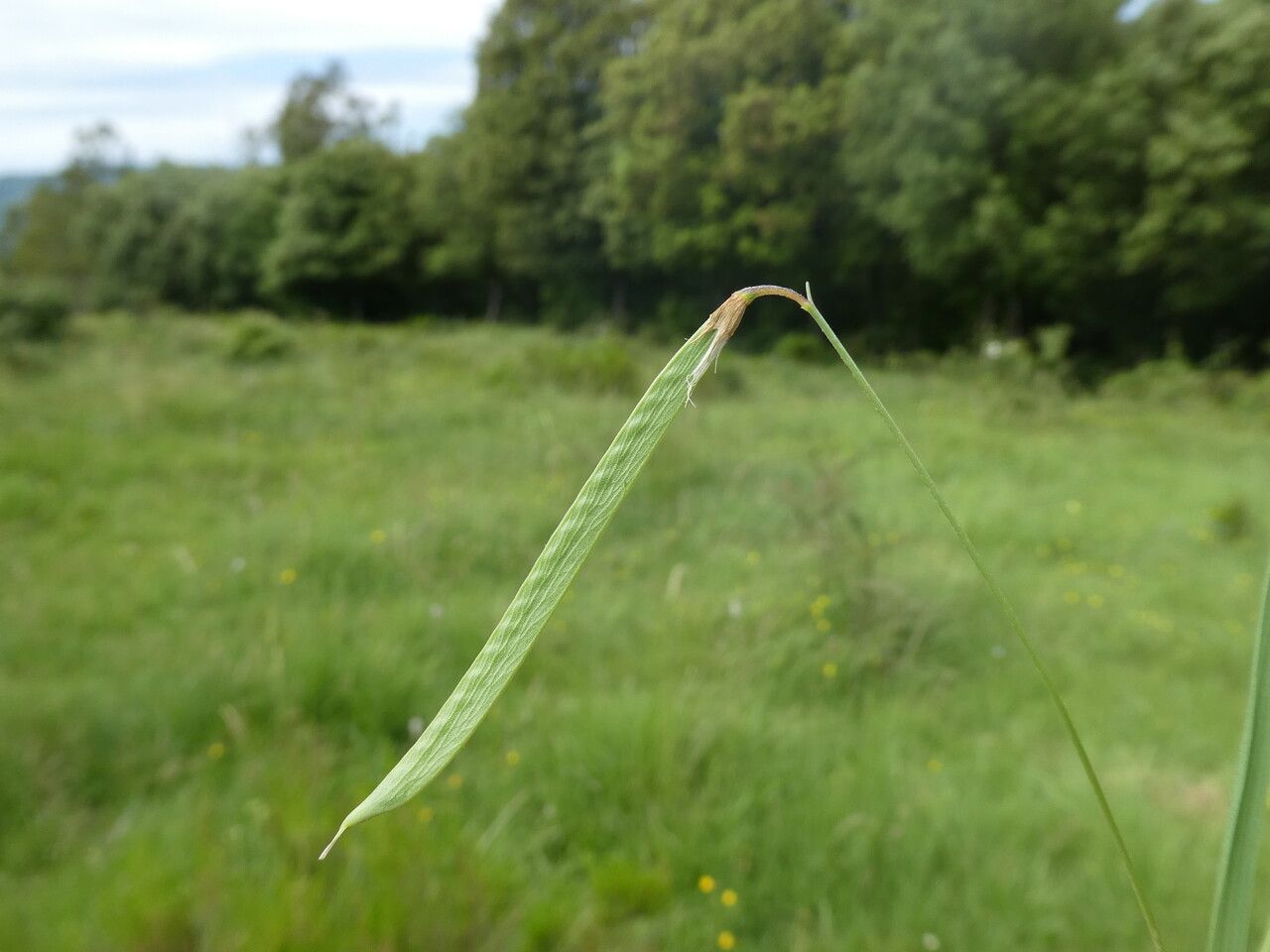
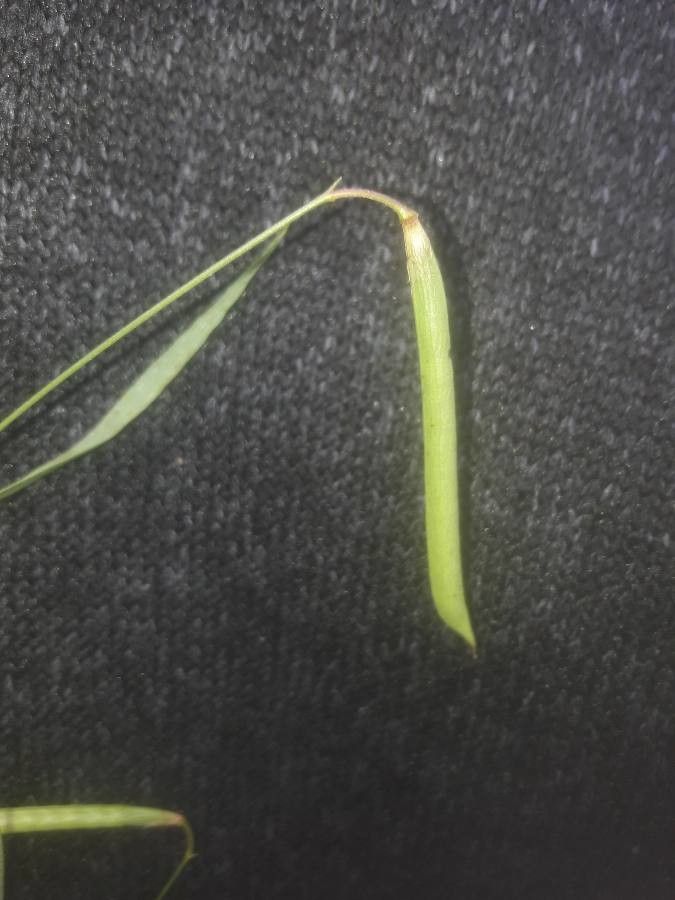
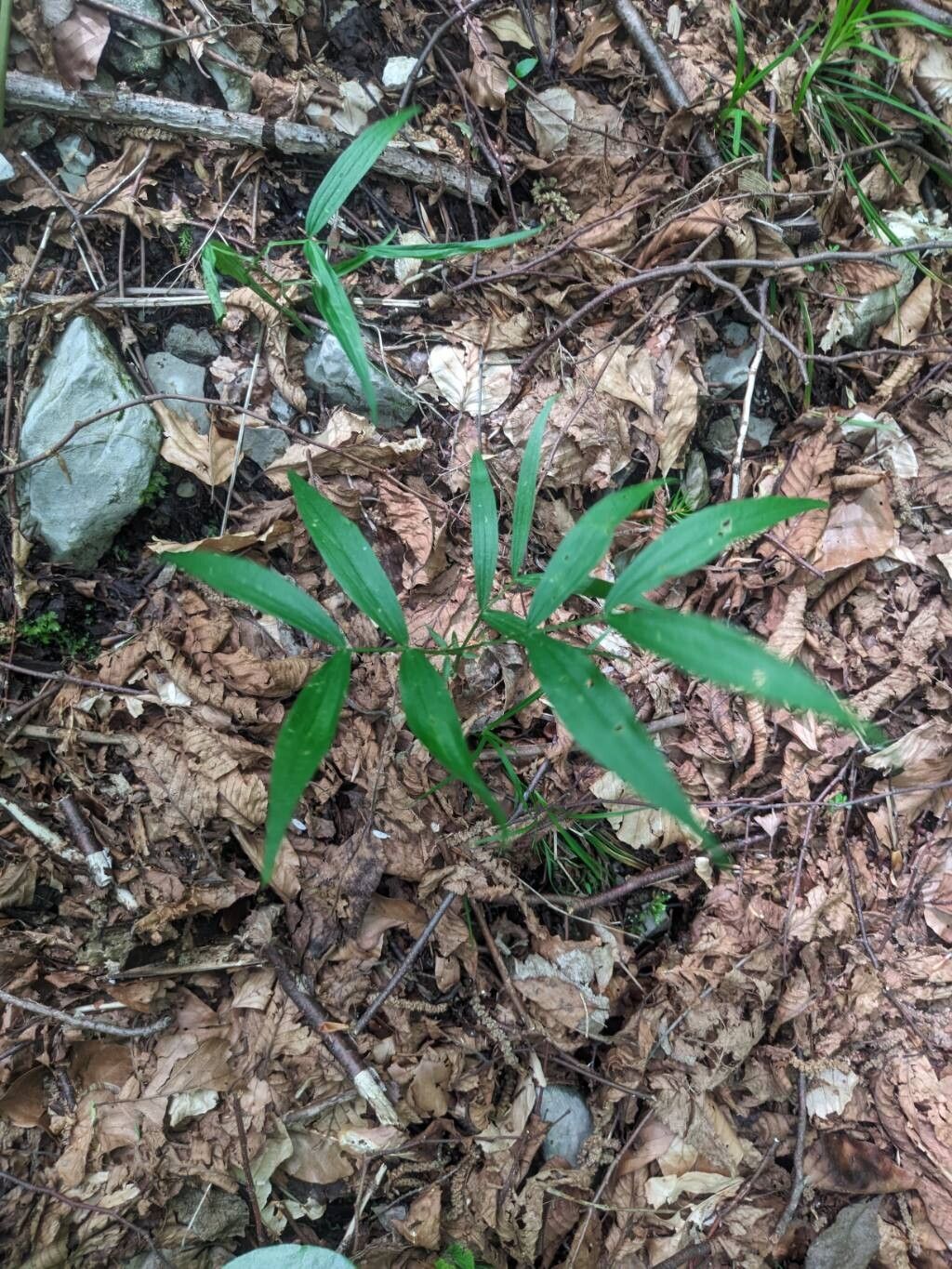
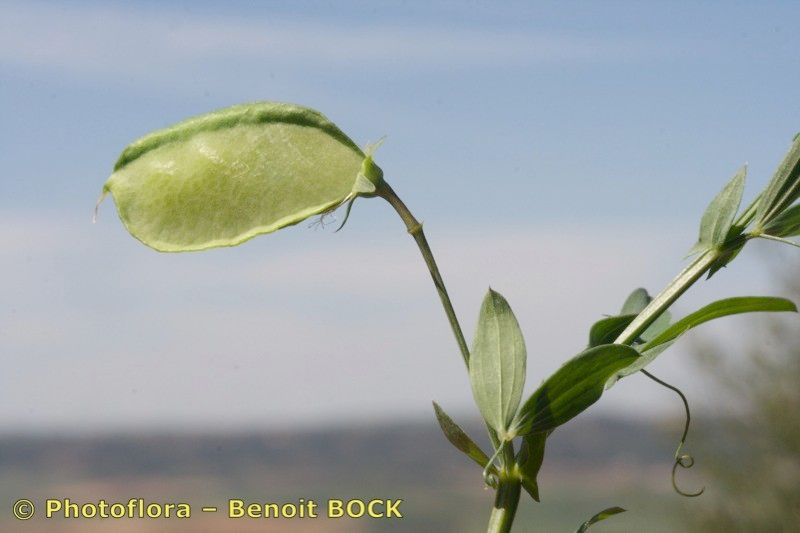
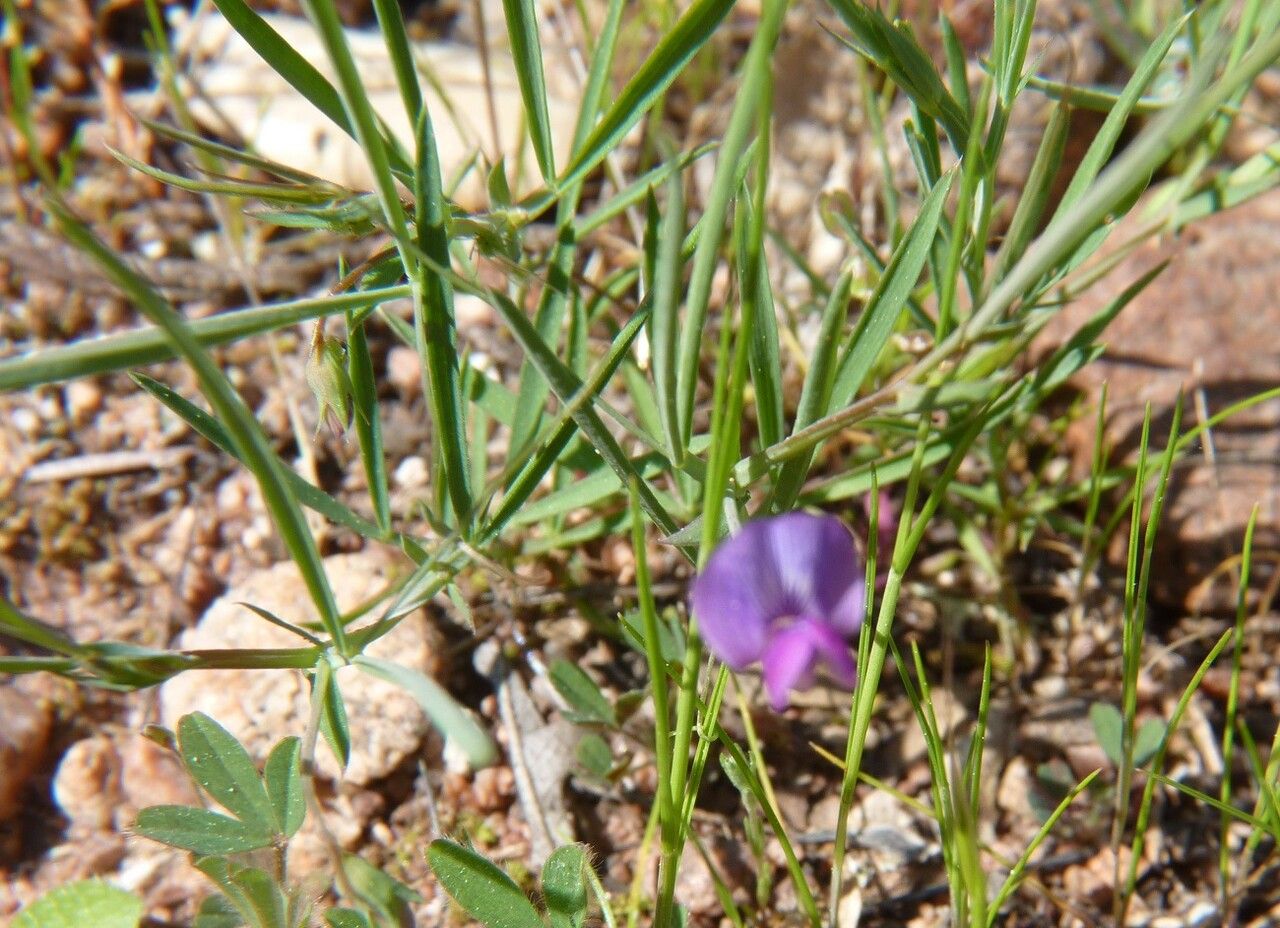
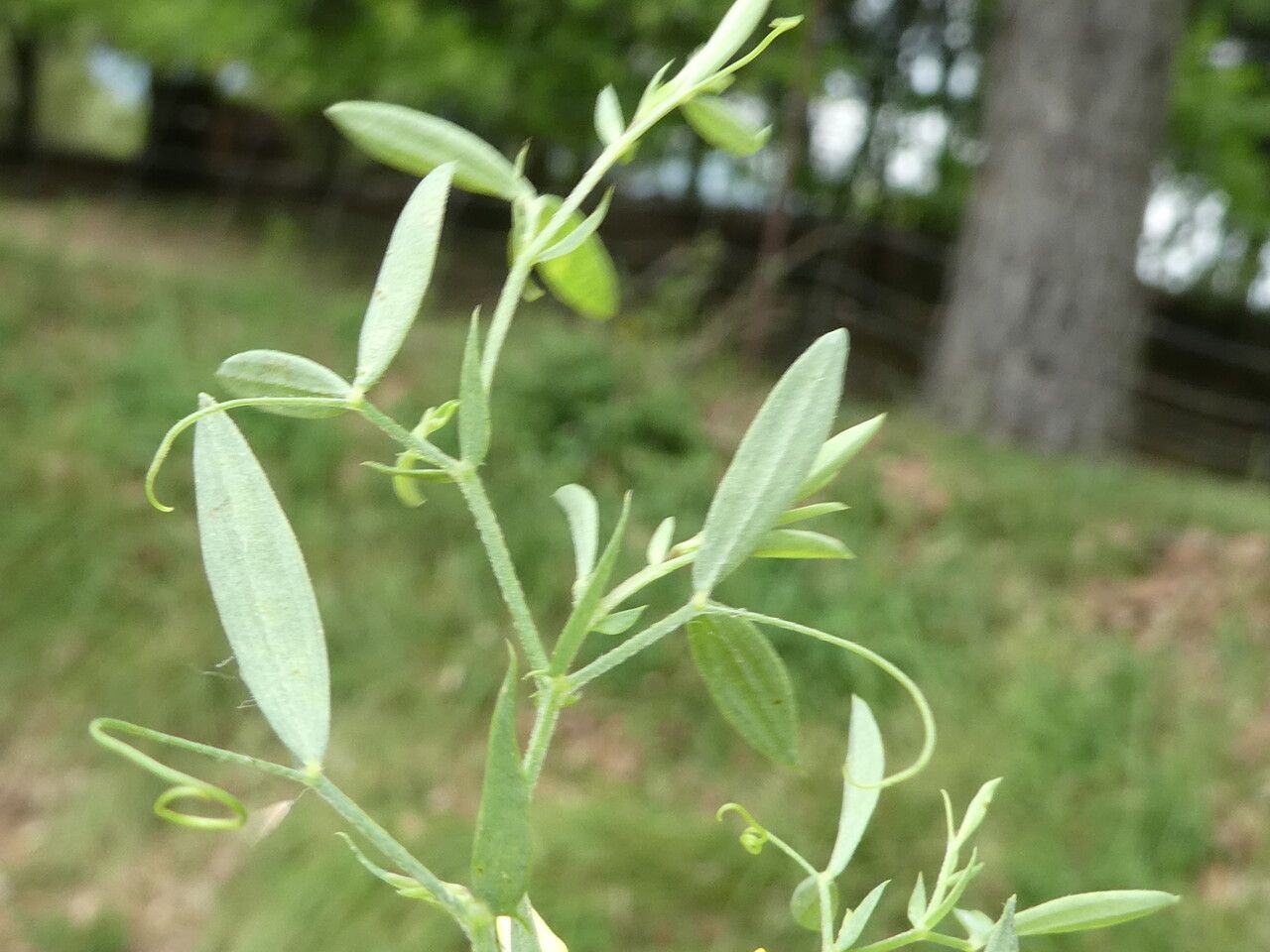
Lathyrus nissolia, the grass vetchling or grass pea, is a plant species of the genus Lathyrus. It is native to most of Europe, Maghreb, Levant and the Caucasus. Despite its common names, it is not a grass, but belongs to the legume family Fabaceae.
Grass pea is fairly resistant to disease and typically not prone to illness. Still, it can be affected by pests and diseases present in its environment. Such infections are generally mild. Regarding care, this plant needs moderate maintenance. It should be pruned regularly to keep a tidy appearance and support healthy growth. Applying fertilizer can also help encourage flowering. Grass pea is appropriate for anyone with an outdoor area, like a garden or patio, and does not demand extensive care experience. It may need more attention if grown indoors.
How to keep Lathyrus Nissolia.
Light
The grass pea performs best with abundant light, which supports vigorous growth. It can also tolerate partial shade, although this may alter its growth rate. Excessive exposure or too little sunlight can compromise its health. Having adapted to its native habitats, grass pea is able to withstand a range of sun intensities.
Water
Grass pea is native to temperate regions and thrives when it receives moderate watering. It prefers consistent soil moisture but should not be waterlogged. This plant grows best in well-draining soil and is well-suited for outdoor cultivation. During its growing season, it requires adequate watering and can adapt to local climate conditions.
Temperature
Grass pea is native to environments that meet its temperature requirement of 68 to 95 °F (20 to 35 ℃). Preferring warmer climates, it is important to monitor and adjust the surrounding temperatures as seasons change.
Fertilizer
When the Grass pea has opened most of its blooms to full size, resume fertilizing. Around the bloom peak, fertilize once every three to four weeks, weather permitting. Then, once the Grass pea begins producing fewer new blooms, stop fertilizing; there's no need to feed the plant when it can no longer produce additional blooms.
Pruning
Grass pea is a climbing annual plant with fern-like leaves and pea-shaped flowers. For optimal growth, prune it in early spring to remove weak stems and improve air circulation. Be sure to use clean, sharp tools for precise cuts. Regular maintenance encourages healthy blooms and a vigorous appearance all season long.
Botanical profile.
- Plant Type
- Herb
- Life Cycle
- Annual
- Genus
- Lathyrus
- Family
- Fabaceae
- Hardiness Zone
- 7-10
- Mature Height
- 20 cm to 49 cm
- Mature Spread
- 15 cm to 30 cm
- Leaf Color
- Green
- Leaf Type
- Semi-evergreen
- Flower Color
- Pink
- Flower Size
- 0.76 cm to 1.52 cm
- Bloom Time
- Late spring, Early summer, Mid summer
- Planting Time
- Spring
- Harvest Time
- Mid summer, Late summer, Early fall
Other names.
Reader questions.
How should I water my Grass pea when it's growing at different stages?
Throughout the year, Grass pea goes through various growth stages, each with different water needs. When you start your Grass pea as a seed, it will require more water. During the germination period, you should water it frequently to maintain consistent soil moisture. After a few weeks, when it grows above the soil, it will need slightly less water. Once the plant is mature, you can water it once per week. During flower development, you may need to provide a bit more water to support the process.
What are the sunlight requirements for grass pea plants?
Grass pea plants flourish in conditions where they are exposed to substantial light. Full sun, defined as over 6 hours of sunlight a day, is ideal and allows the plant to grow vigorously. They can also tolerate partial sun, which is about 3-6 hours of sunlight. However, it’s important to note that while grass pea plants can adapt to varying intensities of sunlight, their growth rate may be influenced under partially shaded conditions, and both over-exposure or limited exposure to sun might negatively impact their health. Observing the natural movement of sunlight through your garden and choosing spots that offer a perfect balance of light and shade are crucial for ensuring the plants' well-being.
What is the native climate of Grass pea?
Grass pea is native to environments that provide temperatures in the 68 to 95 °F (20 to 35 °C) range. It thrives in warmer climates, highlighting the importance of monitoring and adjusting its surrounding temperatures across different seasons to ensure optimal growth. Even though Grass pea possesses strong cold resistance and typically does not require special frost protection measures in winter, precautions should be taken if temperatures are expected to drop below -15°C. These precautions include covering the plant with insulating materials such as soil or straw and watering abundantly before the first freeze in autumn to keep the soil moist and help prevent drought and water scarcity during the winter and early spring.
How can artificial lighting be used for grass pea plants?
For indoor grass pea plants, when natural sunlight is insufficient, artificial lighting provides an essential alternative to promote healthy growth. LED lights are recommended because they can be tailored to supply specific wavelengths of light needed by plants. For plants requiring full sun, 30-50W/sq ft of artificial light is necessary, whereas partial sun plants need 20-30W/sq ft, and full shade plants require 10-20W/sq ft. The artificial light source should be positioned 12-36 inches above the plant to simulate natural sunlight conditions. Also, mimicking natural daylight hours is important, with most plants benefiting from 8-12 hours of light per day.
How does Grass pea respond to low temperatures?
Grass pea exhibits a high tolerance to cold, thriving best in temperatures above 20°C. During the winter season, it is crucial to ensure the temperature remains above 0°C. If temperatures fall below -15°C, Grass pea may show no noticeable changes during the winter, but there could be a decrease in sprouting or even no sprouting at all in the following spring. The recommended solution for any parts of the plant that fail to sprout in spring is to remove them, allowing the plant to focus its energy on the healthy, sprouting parts.
What are the symptoms of inadequate light in grass pea plants?
Grass pea plants suffering from insufficient light may exhibit several symptoms: New leaves might be smaller than previous ones, growth can become leggy or sparse, and there may be an accelerated drop of older leaves. Suboptimal light conditions can halt new growth, causing the plant to enter a survival mode where growth is delayed or stops entirely. Leaves might develop lighter colors or show signs of chlorosis, where they lose their green color and turn yellow, indicating a lack of chlorophyll. Excessive sunlight exposure can lead to sunscald, leaf curling as a defense mechanism against too much sun, wilting due to increased water loss, and leaf scorching characterized by brown, crispy edges on leaves.
How does Grass pea respond to high temperatures?
During the summer, it is important to keep Grass pea's surrounding temperature below 35°C. Exposure to temperatures exceeding 41°C can cause the leaves to lighten in color, curl, become prone to sunburn, and in severe cases, may result in the entire plant wilting and drying out. To mitigate such damage, it's advised to trim away the sunburned and dried-up parts of the plant. Moving the plant to a shaded area, especially during the midday and afternoon sun, or providing shade with a cloth can protect it. Additionally, watering the plant in the morning and evening to maintain soil moisture can help counteract the stress of high temperatures.
What are the solutions for managing light for grass pea plants?
Optimizing light for grass pea plants involves several strategies. Indoors, gradually increasing sunlight exposure each week until achieving at least 6 hours of direct sunlight daily is essential, utilizing south-facing windows and keeping curtains open during daylight. Artificial light sources, such as desk or ceiling lamps for 8 hours a day or professional plant grow lights, can provide additional light. Outdoors, plants should be moved gradually to sunnier locations to avoid sunburn, adapting to light changes slowly. For ground plants, reducing obstructions like pruning tree branches helps increase sunlight exposure. If necessary, transplanting during the plant's dormant period to a location with ample sunlight and good drainage is advised. Note that parts of the plant previously affected by insufficient light may not recover, but new growth following increased light exposure will be healthy.