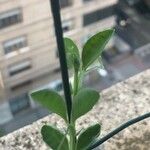
Lathyrus odoratus
Sweet Pea · Nasturtium · Pansy · Viola · Violet
Description
Source: leafsnapThe sweet pea, Lathyrus odoratus, is a flowering plant in the genus Lathyrus in the family Fabaceae (legumes), native to Sicily, southern Italy and the Aegean Islands.It is an annual climbing plant, growing to a height of 1–2 metres (3 ft 3 in – 6 ft 7 in), where suitable support is available. The leaves are pinnate with two leaflets and a terminal tendril, which twines around supporting plants and structures, helping the sweet pea to climb. In the wild plant the flowers are purple, 2–3.5 cm (3⁄4–1+1⁄2 in) broad; they are larger and highly variable in color in the many cultivars. Flowers are usually strongly scented. The annual species, L. odoratus, may be confused with the everlasting pea, L. latifolius, a perennial.
💡 Sweet pea, despite being a member of the legume family, is not edible and is actually poisonous. Nonetheless, it has been widely used in genetic research, particularly in the studies conducted by Reginald Punnett. Its traits, such as self-pollination, color, and height, make it an excellent subject for research.
🌳 Besides its decorative appeal, the sweet pea also functions ecologically as a bioindicator of polluted soils, especially those contaminated with heavy metals. Its sensitivity to soil conditions can reflect environmental quality. Furthermore, sweet pea has been widely employed in genetic research, providing important insights since the work of the pioneering geneticist Reginald Punnett and contributing to early understanding of genetic inheritance and traits.
🎭 The concepts of departures and farewells, and of blissful pleasure, can be used to say thank you.
Care Guide
💧 Water Every week
Sweet peas thrive in moist soil and require weekly watering to prevent waterlogging. They are best grown outdoors and develop a vining growth habit. During their active growing season, sweet peas produce fragrant flowers, a characteristic that reflects their origins in temperate regions.
How should I water my Sweet pea plant?
To best care for your Sweet pea, consider using filtered water at room temperature or slightly warmer. Tap water may contain harmful particles for the plant's health. Additionally, avoid watering from above as it can cause issues with the foliage. Instead, apply filtered room temperature water directly to the soil until the soil is thoroughly soaked. This method of watering helps nourish the roots and allows them to spread and gather essential nutrients.
What should I do if I give my Sweet pea too much or too little water?
Overwatering is a more common problem for Sweet pea plants, and it can cause wilting, yellowing leaves, and potential diseases like root rot, mold, and mildew. Underwatering is less common because Sweet peas are drought-tolerant, but it can still happen and result in brittle, brown leaves. It's important to notice signs of overwatering early to prevent irreversible damage. Reduce watering immediately if you notice these signs and consider the soil drainage. Replace poorly draining soil with a loose, well-draining potting mix. If underwatering is the issue, water more regularly until the signs improve.
How frequently should I water my Sweet pea?
If your Sweet pea plant is in a pot, the best way to determine if it needs water is by putting your finger in the soil. If the top two to three inches of soil feel dry, then it's time to water it. If you have your Sweet pea planted outside in the ground, you can use the same method. Once you find that the top few inches of soil have dried out, it's time to water. Usually, during spring and early fall, you'll need to water this plant about once a week. However, when it gets extremely hot, you may need to water it twice or more a week. That being said, mature and well-established Sweet pea can handle drought conditions quite well.
How much water does my Sweet pea plant require?
To properly water your Sweet pea, don't be afraid to give it a good amount of water. When the top 2-3 inches of soil is dry, it's time for a thorough watering. Make sure the water soaks the entire soil. You should add enough water for it to flow out of the drainage holes at the bottom of the pot. If there is no excess water draining, you may have not watered enough. However, be careful not to let the water accumulate in the soil, as this can harm the plant. On the other hand, if the water doesn't drain well from the pot, it means the soil isn't draining properly, which is bad for the plant's health. If the plant is outside, 1 inch of rain per week should be enough.
How do I water my Sweet pea as it grows?
The water needs of the Sweet pea can vary depending on its growth stages. When the Sweet pea is in its early years or has been recently transplanted, it requires more water than usual. This is because the plant is focused on developing new roots, which need extra moisture to support future growth. However, as the Sweet pea matures over time, its water requirements decrease. Another stage where increased watering may be necessary is during the bloom period, as flower development requires a significant amount of moisture.
☀️ Light Full sun
Sweet pea requires plenty of light and, to a lesser degree, tolerates moderate light. Bright light encourages healthier growth, while too little or too much light can hinder development or cause leaf scorching. Originating from habitats abundant in light, every stage of its growth needs ample sunlight.
What are the sunlight requirements for Sweet Pea (Lathyrus odoratus)?
Sweet Pea requires full sun, which means it should receive more than 6 hours of direct sunlight daily. It can also grow in partial sun, with about 3-6 hours of sunlight. It's essential to observe how sunlight moves through your garden to identify the best spots that offer a balanced light and shade environment for optimal plant health and growth.
Why is strong light important for Sweet Pea, and how can artificial lighting be used?
Strong light is crucial for Sweet Pea's growth as it facilitates healthier development. The plant originates from environments abundant in light, requiring ample sunlight at each growth stage. In situations where natural sunlight is insufficient, especially during winter or in areas that receive less sun, artificial lighting becomes a significant aid. Indoor plants benefit from LED lights, which can be customized to supply specific wavelengths needed for growth. Appropriate artificial lighting setup includes 30-50W/sq ft for full sun plants, 20-30W/sq ft for partial sun, and 10-20W/sq ft for full shade plants. The light source should be placed 12-36 inches above the plant for 8-12 hours a day to mimic natural sunlight.
What are the symptoms of inadequate light in Sweet Pea?
When Sweet Pea is grown indoors or in conditions with insufficient light, several symptoms can manifest. These include smaller new leaves, leggy or sparse growth, faster leaf drop, and either slower or completely halted new growth. New leaves may appear lighter in color or exhibit chlorosis, turning yellow due to a breakdown in chlorophyll, which hampers photosynthesis. Furthermore, intense sunlight exposure can cause sunscald, leaf curling as a defense against water loss, wilting due to excessive transpiration, and leaf scorching characterized by brown, crispy leaf edges.
How can light exposure be optimized for Sweet Pea?
Optimizing light exposure for Sweet Pea involves gradually adapting the plant to receive at least 6 hours of direct sunlight daily. For indoor plants, this may entail moving the plant to a sunnier location each week or employing artificial lighting, such as a desk lamp or professional grow lights, to ensure it gets enough light. Outdoors, gradually acclimate your plants to sunlight by moving them to sunnier spots each week to prevent sunburn. Addressing obstructions, like pruning trees to enhance sunlight penetration or transplanting smaller plants to sunnier locations, can also help. It's important to note that parts of the plant that have already suffered from insufficient light may not recover, but new growth should be healthy following improved light conditions.
🌡️ Temperature 0–37.8°C
Sweet pea originates from regions with temperatures ranging from 68 to 100 °F (20 to 38 ℃). That span matches its preferred temperature conditions. In colder periods, provide a warm indoor environment to replicate those conditions or plant during the warmer month(s) in your area.
What is the native temperature range for Sweet pea?
Sweet pea is native to environments where the temperatures range from 68 to 100°F (20 to 38°C). This range is where Sweet pea thrives best, enjoying the warmth that these conditions provide. To grow Sweet pea successfully, it's essential to mimic these conditions, especially during the colder seasons. If you live in a cooler climate, creating a warm indoor setup or waiting to plant until the warmer months in your area can help satisfy the Sweet pea's temperature preferences. Despite its strong cold resistance, meaning it usually doesn't require special frost protection measures, attention should still be given during exceptionally cold winters.
How to protect Sweet pea during cold winters?
Although Sweet pea has strong cold resistance and generally doesn't require special frost protection measures, it is essential to provide cold protection during winters with temperatures expected to drop significantly. This can be achieved by wrapping the trunk and branches with materials such as non-woven fabric or cloth to help shield the plant from extreme cold. Additionally, it is recommended to water the plant abundantly before the first freeze of autumn. Keeping the soil moist helps ensure that the plant doesn't suffer from drought and water scarcity during the winter and early spring months.
What are the key symptoms and solutions for Sweet pea when exposed to low temperatures?
When exposed to low temperatures, Sweet pea is quite resilient but there are limits. It thrives best when the temperature is kept above its suitable growth minimum. During the winter months, the temperature should remain above a certain minimum to avoid damage. If the temperature falls below a specific critical point, the sweet pea may still survive the winter without noticeable changes, but come spring, the branches might become brittle and dry, and new shoots could fail to emerge. The solution for this scenario is to prune away any dead branches that have failed to produce new leaves in the spring, encouraging new growth and maintaining the health of the plant.
What are the symptoms and solutions for Sweet pea when exposed to high temperatures?
Sweet pea prefers not to be exposed to temperatures above its suitable growth maximum. When summer temperatures exceed a certain maximum, symptoms may include leaves becoming lighter in color, tips turning dry and withered, and an increased susceptibility to sunburn. To mitigate these issues, you should trim away the sunburned and dried-up parts of the plant. Moving Sweet pea to a location with shade during the midday and afternoon sun or using a shade cloth can also protect the plant. Watering the plant in the morning and evening can help keep the soil moist and support the health of your Sweet pea during hot periods.
💨 Humidity normal (40-60%)
This plant will thrive in moderate humidity, which is probably the level in your home. However, misting it a few times a week can be very beneficial. Make sure the room has good ventilation.
🪴 Soil 6-7
🌱 Fertilizer
When most of Sweet pea's blooms have fully opened, resume fertilizing. At the time of peak flowering, apply fertilizer every three to four weeks, as weather permits. Then, once Sweet pea starts producing fewer new blooms, stop fertilizing; there's no reason to feed the plant when it can no longer make more blooms.
Why should I use fertilizer for my Sweet pea?
Sweet pea plants need nutrients to survive, which is something most gardeners are aware of, regardless of their experience. Without proper nourishment, sweet pea plants will die soon after their first pollination. To ensure their longevity and the production of large, beautiful flowers, it is crucial to provide the right type and amount of nutrients throughout the blooming season. Fertilizer is particularly beneficial for sweet pea plants as it helps them develop a robust root system. Because sweet pea plants have thin and delicate roots that are prone to damage, fertilizing during planting helps establish a strong foundation for the plant and enhances stability. In addition, timely fertilization can significantly prolong their flowering period.
When should I fertilize my Sweet pea?
Sweet pea experiences significant growth at the beginning of the growing season, once the threat of frost has passed. It is recommended to fertilize sweet pea during this time, specifically during planting. Whether it is planted in the ground or in planters, apply fertilizer when the plant is first put in. This will be the only fertilization until later in the year when blooms are abundant. Once the season is in full swing and sweet pea has bloomed most of its flowers to their maximum size, it's time to resume fertilizing. Start fertilizing every three to four weeks, as weather allows, around the time when the blooms are at their peak output. However, when sweet pea starts producing fewer new blooms, there is no need to continue fertilizing as the plant can no longer produce more blooms.
When is it a bad idea to put fertilizer on my Sweet pea?
Regular fertilizing is important for Sweet pea, but it is crucial to apply it at the right time. There are situations where it is best to hold back on fertilizing. These situations are usually related to the climate or other controllable factors. If something is wrong with the plant, soil, or climate, it is advisable to wait until the issue is resolved and the plant has recovered before fertilizing. For example, if there are severe or unexpected weather changes, it is not the right time to fertilize. If there is a sudden cold snap in the middle of summer, it is better to wait for warm weather before starting fertilization. Similarly, if the soil becomes too dry or compacted to absorb the fertilizer properly, it is not recommended to apply it. In such cases, the fertilizer will go straight to the roots instead of being diffused by the soil, which can be harmful to the Sweet pea roots. During the hottest parts of the day when temperatures soar to around 90 degrees Fahrenheit, it is also not suitable to fertilize. Fertilizer can break down at different rates depending on temperature, and hot temperatures can cause it to break down too quickly. It is important to allow the temperatures to cool before applying fertilizer. Additionally, it is essential to address any pest or disease issues and clear them up before re-fertilizing.
What kind of fertilizer does my Sweet pea plant need?
To ensure proper nutrition for Sweet pea plants, it is recommended to use a fertilizer specifically designed for high-yield blooming plants. Look for a fertilizer with a higher phosphorus content, indicated by a higher P number in the NPK number (e.g. 10-30-10). Many fertilizer brands offer suitable options for blooming plants like Sweet pea, which provide the necessary nutrients conveniently. If opting for a pre-mixed fertilizer, follow the package instructions to avoid over or under-fertilization, which can negatively affect plant growth and cause wilting.
How should I fertilize my Sweet pea?
The fertilizer instructions for Sweet pea may vary depending on the type of fertilizer you have. However, there are some general tips to follow. When first planting Sweet pea, mix the recommended amount of fertilizer into the soil before planting and water it in. For subsequent fertilizing, the process may be different. If using pellet fertilizers, mix them into the top inch of soil around the plant's outer edge and water them in well. For other fertilizers, you can mix them into a watering can and apply them like regular watering. Follow the instructions on the fertilizer packaging for consistency, but if you prefer a regular schedule, aim for every three to four weeks.
🪴 Pot & Repot
When repotting Sweet pea, choose a pot that's 1-2 inches (2.5–5.1 cm) larger in diameter and that provides good drainage. Use a well-draining potting mix and consider adding perlite for extra drainage. Repot in spring or early summer, water thoroughly afterward, and initially place it in a shady location.
✂️ Pruning
To help sweet peas thrive, it's important to prune them properly from early to late spring. Start by removing weak stems and pinching the tips to encourage bushier growth. Make sure to make clean cuts just above leaf nodes, as this directs energy towards producing blooms. Additionally, deadheading, or removing spent flowers, can extend the flowering period, promoting healthy growth and vibrant blossoms.
🌿 Propagating
🐛 Diseases & pets
☠️ Toxicity
Characteristics
- Plant Type
- Vine, Herb
- Life Cycle
- Annual, Perennial, Biennial
- Genus
- Lathyrus
- Family
- Fabaceae
- Hardiness Zone
- 2-11
- Mature Height
- 0.49 m to 2.13 m
- Mature Spread
- 61 cm to 91 cm
- Leaf Color
- Green
- Leaf Type
- Deciduous
- Flower Color
- Pink, Purple, White, Lavender
- Flower Size
- 2.03 cm to 3.56 cm
- Bloom Time
- Mid spring, Late spring, Early summer
- Planting Time
- Spring
- Harvest Time
- Early summer, Mid summer
- Native Area
- Italy