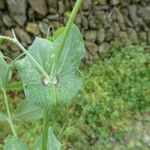
Lathyrus oleraceus
Garden pea · Madzâri · Round-seeded pea · Shelling pea · Snap pea
Description
Source: wikipedia (CC BY-SA)Pea is a pulse or fodder crop, but the word often refers to the seed or sometimes the pod of this flowering plant species. Peas are eaten as a vegetable.
🌳 Peas, commonly eaten as food, have a wider range of uses than is often realized. They are used to make eco-friendly products, such as biodegradable utensils and agricultural tools produced from pea by-products. Pea proteins are also important for developing plant-based alternatives in many foods, including vegan meats and dairy, reflecting the growing interest in sustainable diets.
🎭 Wealth, Love
Care Guide
💧 Water
☀️ Light Full sun
The pea grows best with plenty of sunlight during the day, which supports its healthy development. It can tolerate lower light, although that may limit optimal growth. Too much shade can produce frail plants, while excessive sun exposure may potentially damage the plant. Its native habitat has a comparable light profile.
🌡️ Temperature 0–37.8°C
Native to temperate regions, pea favors temperatures between 68 and 100 °F (20 to 38 ℃). During hotter seasons, take care to keep it cool. In cooler winters, temperatures should not fall drastically below its preferred range.
💨 Humidity
🪴 Soil 6-7
🌱 Fertilizer
Pea produces nitrogen naturally through its root system, reducing the need for extra fertilizers. It thrives in well-draining soils, and depending on the soil composition, additional fertilization may not be required. However, low potassium or phosphorus levels can impede successful growth, while nitrogen deficiency is not a problem.
🪴 Pot & Repot
When repotting Pea, choose a pot that's 1-2 inches (2.5–5.1 cm) larger in diameter and that has good drainage. Use a well-draining potting mix and consider adding perlite for extra drainage. Repot in spring or early summer, water thoroughly, and place it in a shady location at first.
✂️ Pruning
🌿 Propagating
🐛 Diseases & pets
☠️ Toxicity
Characteristics
- Plant Type
- Vine, Herb
- Life Cycle
- Annual, Biennial
- Genus
- Lathyrus
- Family
- Fabaceae
- Hardiness Zone
- 2-11
- Mature Height
- 0.91 m to 1.83 m
- Mature Spread
- 15 cm to 30 cm
- Leaf Color
- Green
- Leaf Type
- Deciduous
- Flower Color
- White
- Flower Size
- 1.02 cm to 2.54 cm
- Bloom Time
- Mid spring, Late spring, Early summer
- Planting Time
- Spring, Autumn
- Harvest Time
- Early summer, Mid summer