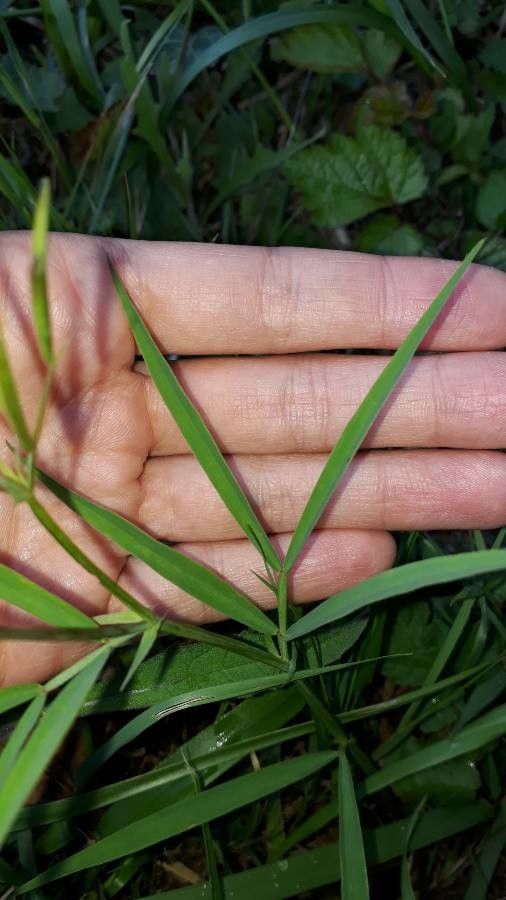
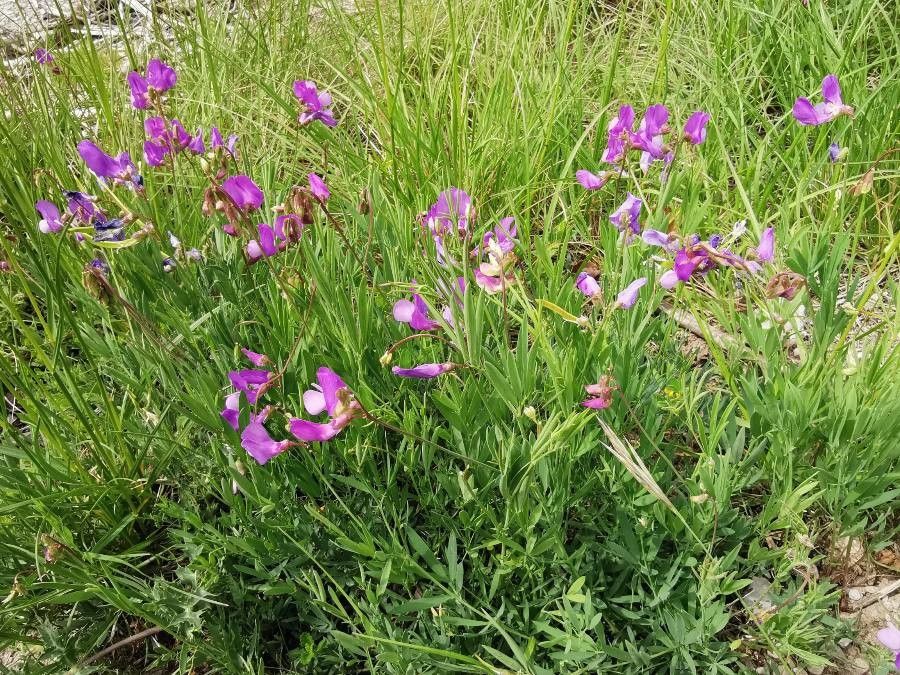
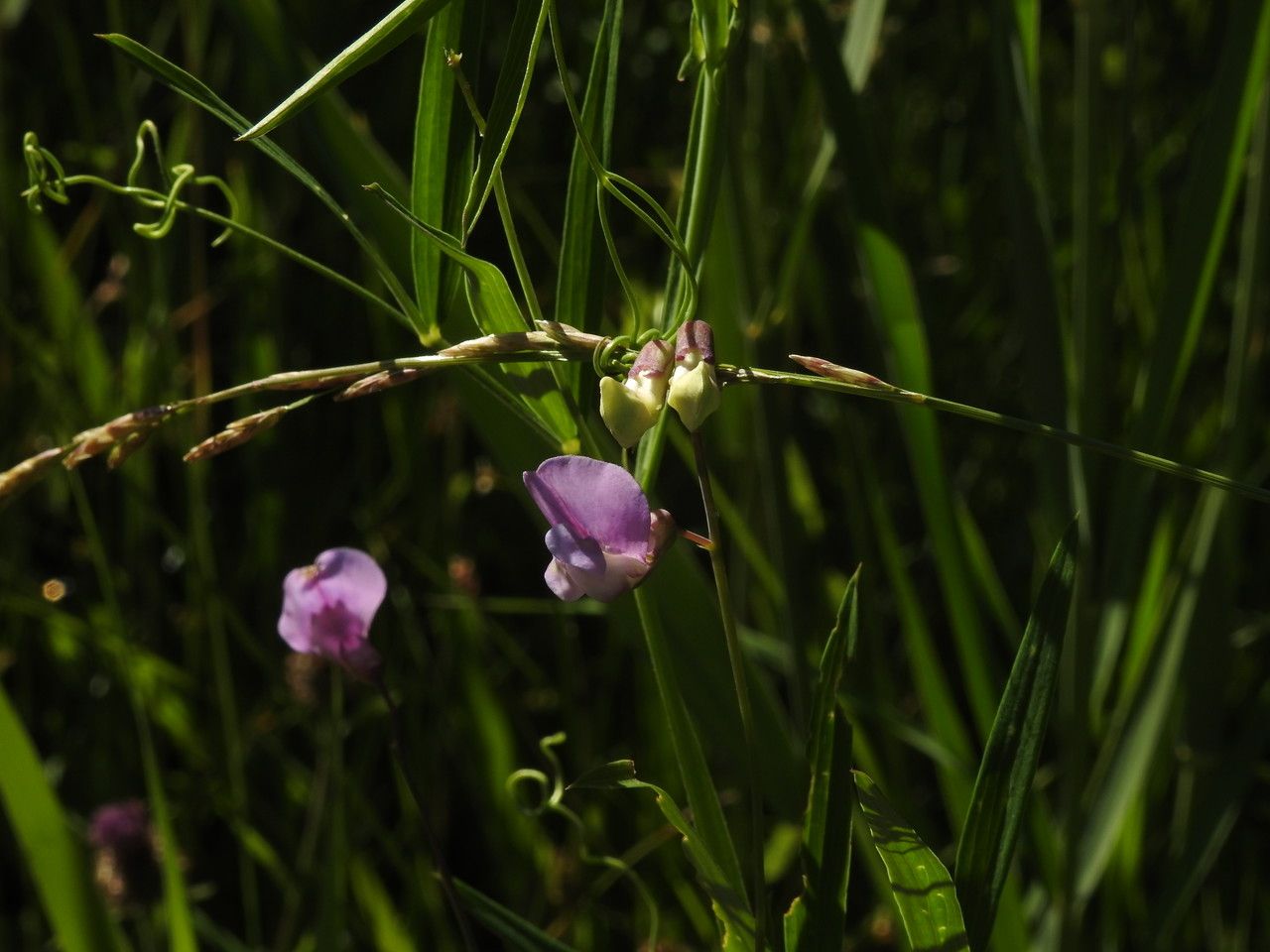
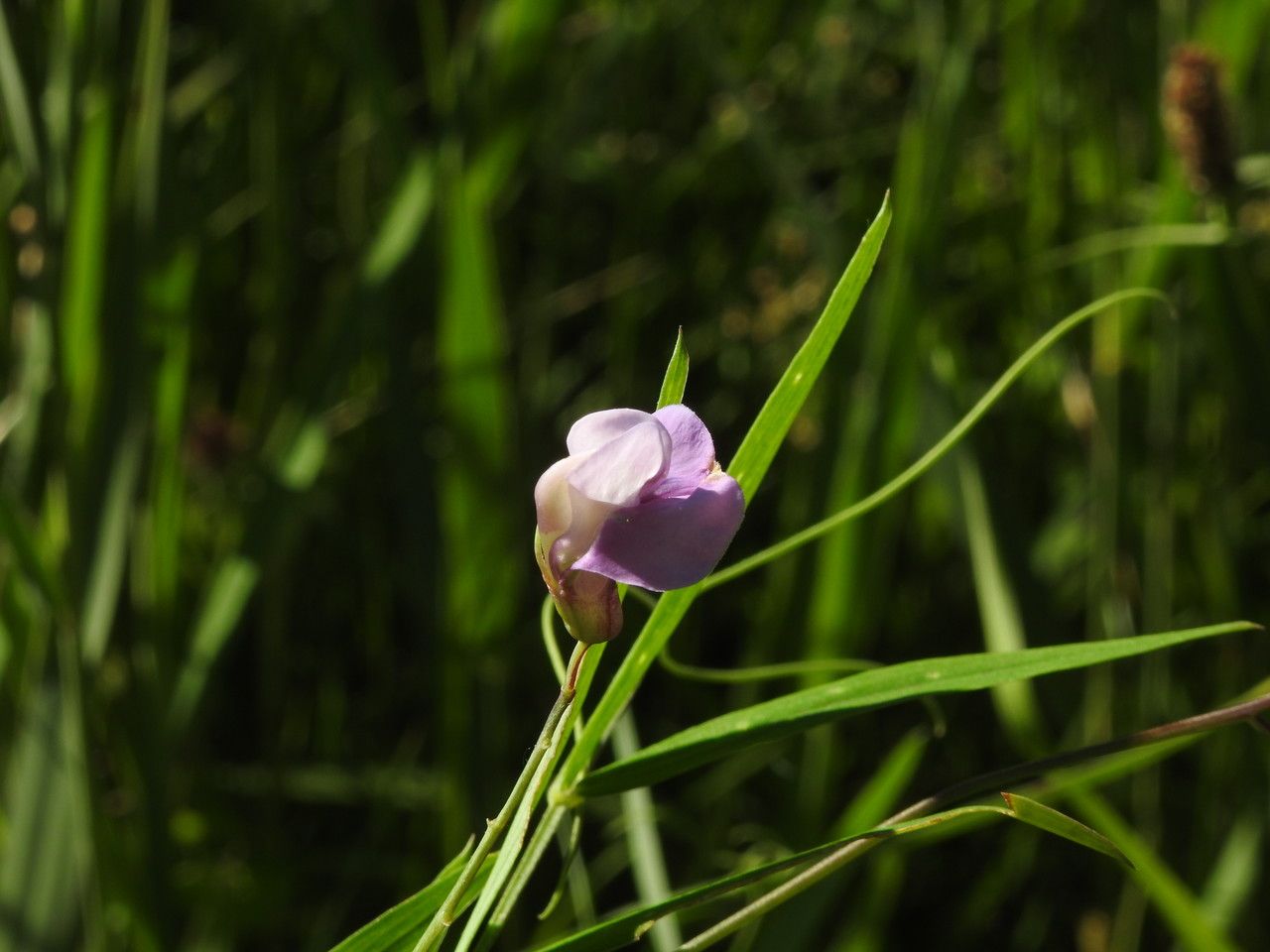
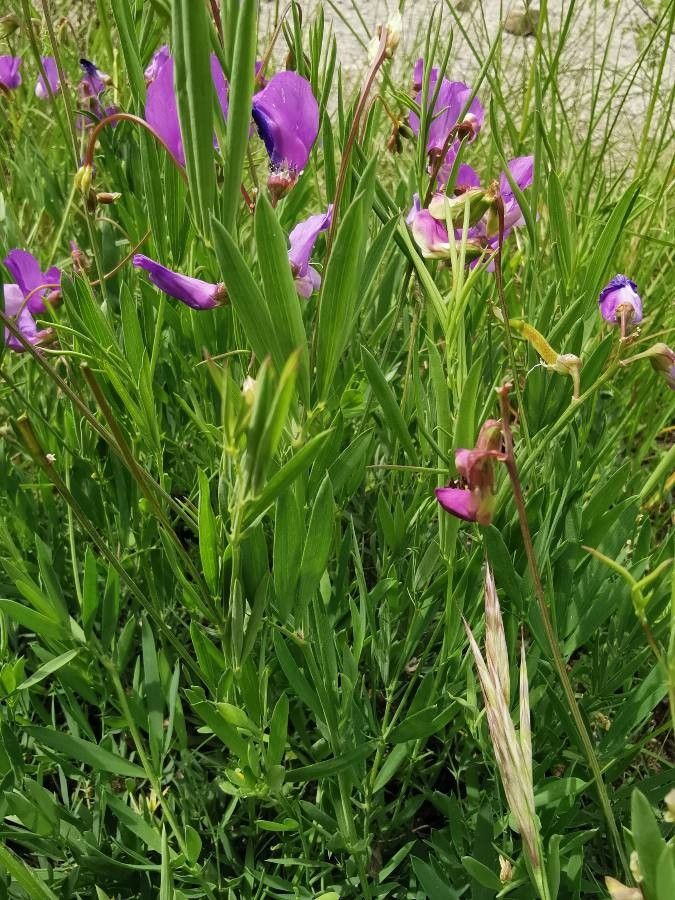
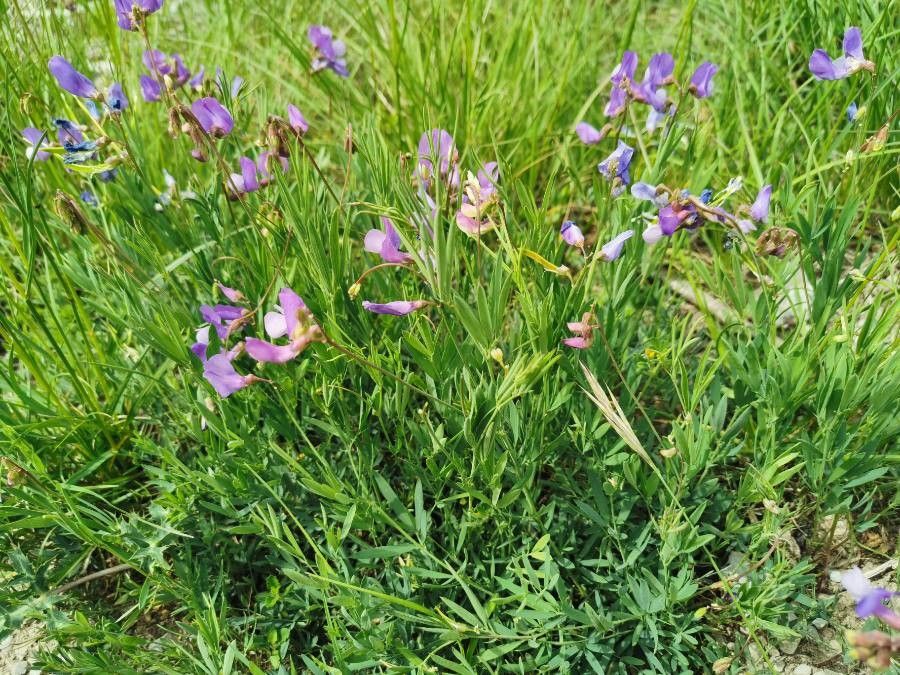
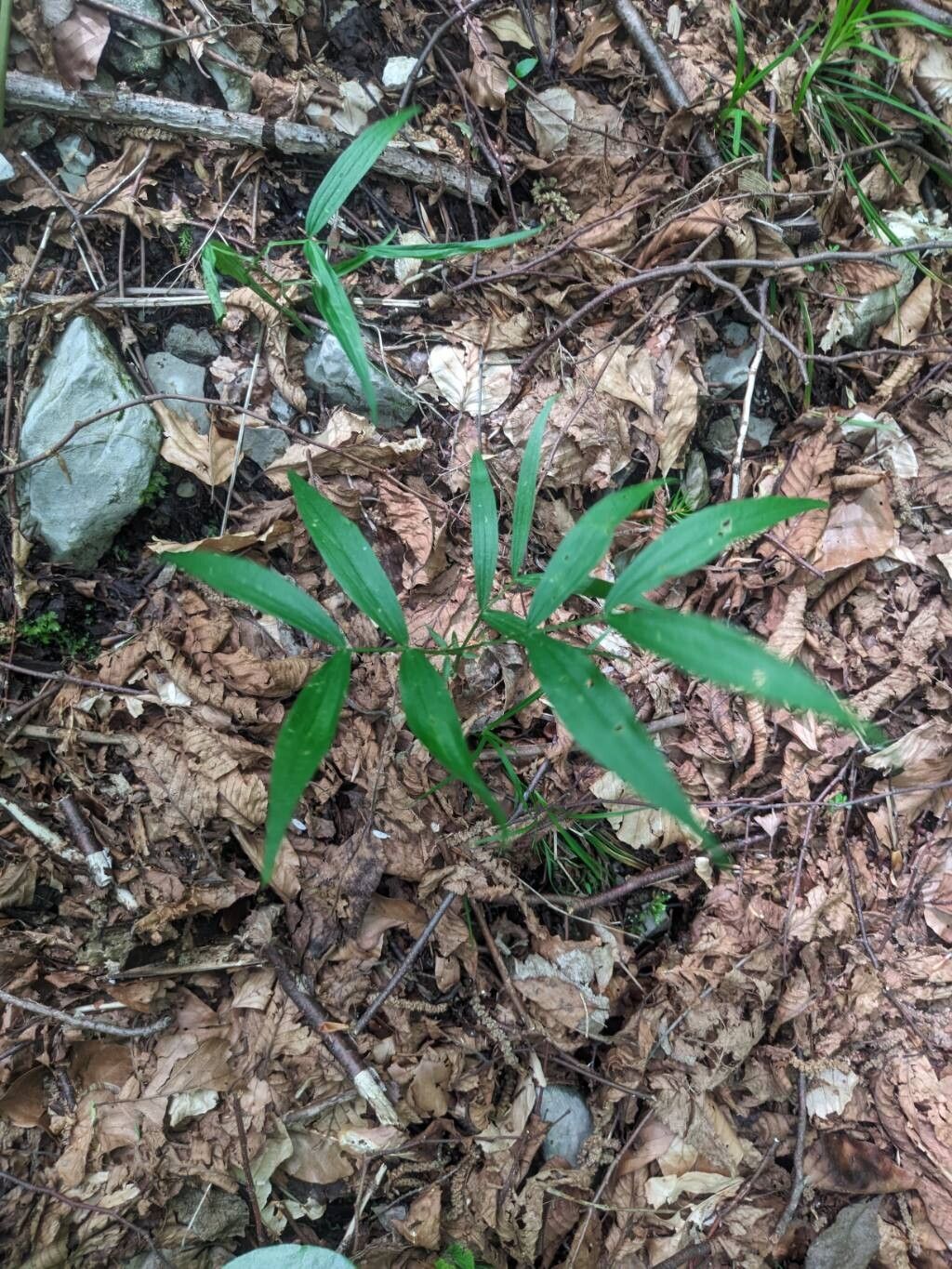
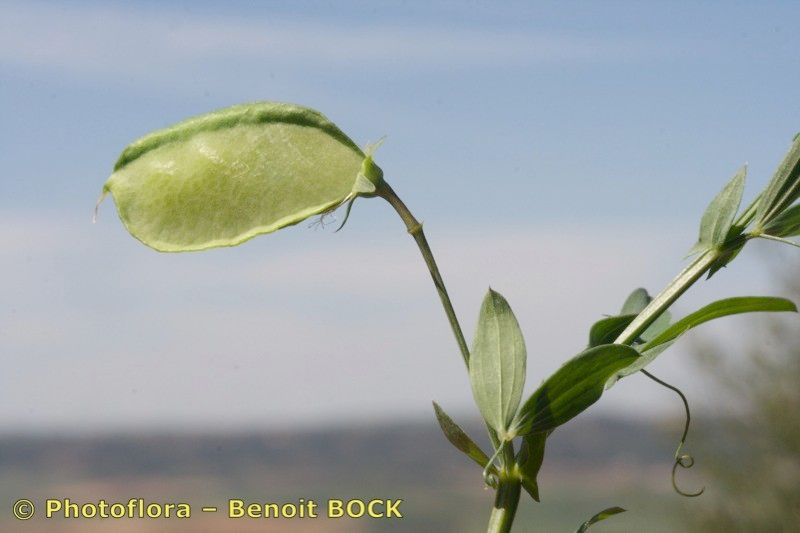
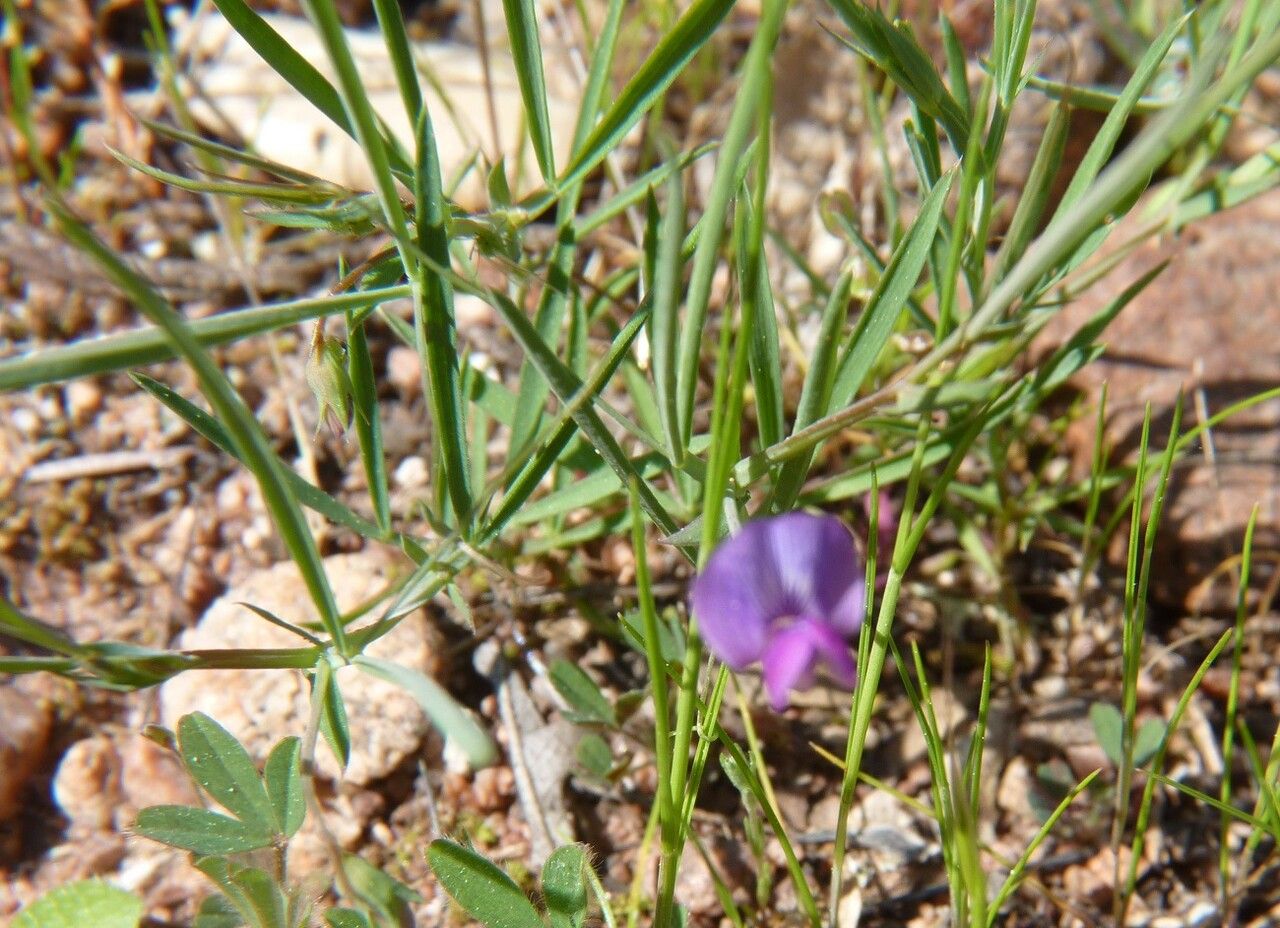
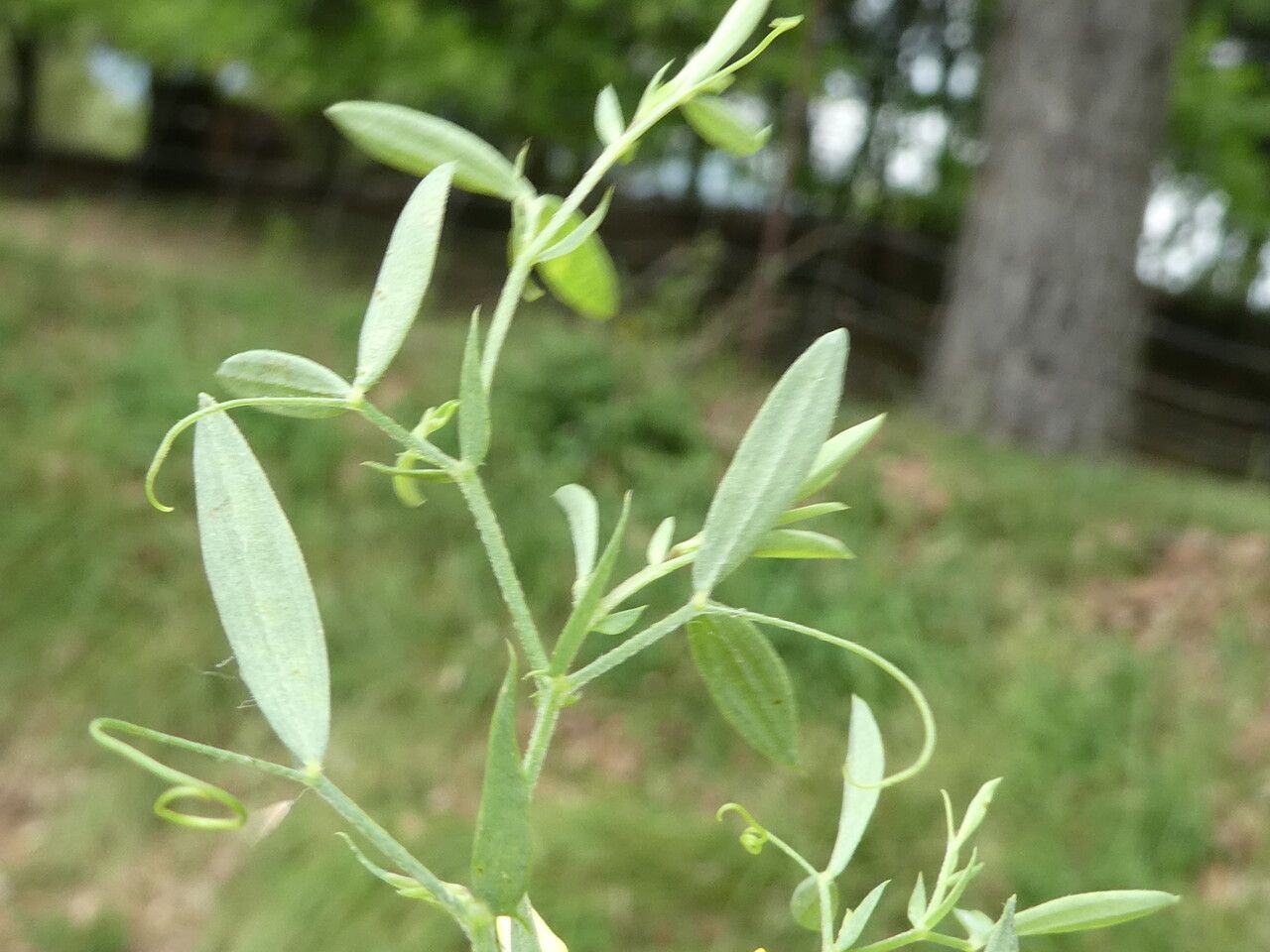
Lathyrus palustris is a species of wild pea known by the common name marsh pea. It is native to Europe, Asia, and North America. It is a perennial herb with leaves made up of oval-shaped or oblong leaflets a few centimeters long. It has branched, coiled tendrils. The plant bears an inflorescence of two to eight pinkish purple pea flowers each up to two centimeters wide. The fruit is a dehiscent legume pod.
Marsh pea has strong disease resistance and is generally unlikely to suffer from illnesses. However, it can be affected by pests and diseases present in its environment. Such infections are typically mild. Carewise, this plant needs moderate maintenance. It should be pruned regularly to preserve a neat appearance and healthy growth. Applying fertilizer can also encourage flowering. Marsh pea is well suited to anyone with outdoor space, like a garden or patio, and does not demand extensive care experience. It may require more attention when grown indoors.
How to keep Lathyrus Palustris.
Light
Marsh pea does best with ample sunlight, though it can also tolerate conditions with diffuse or reduced light. Its native habitat is characterized by abundant sun. Excessive sun can cause dehydration, while insufficient sun can limit its growth.
Water
Marsh pea thrives in moist soil and high humidity, needing weekly watering to stay healthy. Although it can tolerate moderate drought, it prefers hydration similar to its native wetland environment. For successful growth, choose outdoor planting sites that mimic its natural water conditions.
Temperature
Marsh pea is frequently encountered in cooler climates and does best at temperatures ranging from 41 to 89.6 °F (5 to 32 ℃). During warmer seasons, it may require shading or cooling adjustments depending on its native growth environment.
Fertilizer
The best time to fertilize a Marsh pea is in early spring, as it is coming out of dormancy and beginning active growth. Fertilizing supplies essential nutrients needed for healthy growth. Although Marsh pea has relatively low fertilizer requirements, applying fertilizer once a year can boost its survival and encourage better, longer-lasting flowers.
Pruning
To promote the healthy growth of marsh pea, prune the plant from early to late spring by removing old or weak stems. This encourages new growth and improves airflow. After the plant has flowered, pruning helps it recover and boosts future blooms. Additionally, reducing the plant's height by one-third helps maintain its shape and overall health.
Botanical profile.
- Plant Type
- Herb, Vine
- Life Cycle
- Perennial
- Genus
- Lathyrus
- Family
- Fabaceae
- Hardiness Zone
- 4-8
- Mature Height
- 1.22 m
- Mature Spread
- 15 cm to 30 cm
- Leaf Color
- Green
- Leaf Type
- Deciduous
- Flower Color
- Purple, Lavender
- Flower Size
- 1.27 cm to 2.03 cm
- Bloom Time
- Summer
- Planting Time
- Spring, Summer
- Harvest Time
- Late summer, Early fall, Mid fall
- Native Area
- Turkey, Sweden, Austria, Slovakia, Montenegro, Croatia, Belarus, Russia, Germany, Iceland, Estonia, Koppen, South Korea, Romania, Latvia, Belgium, Moldova, Netherlands, France, Czech Republic, Bulgaria, Poland, Ukraine, Serbia, China, Lithuania, Norway, Kyrgyzstan, Kazakhstan, Italy, Switzerland, Denmark, Japan, Mongolia, Finland, Albania, Ireland, United Kingdom, Hungary
Other names.
Reader questions.
How should I water my Marsh pea plant?
To effectively water the Marsh pea plant, it is recommended to use filtered water at room temperature. Tap water should be avoided as it may contain harmful particles. The Marsh pea prefers warmer water as it originates from a warm environment, and cold water may be stressful for it. Be cautious not to water the plant from above, as this can lead to problems with the leaves. Instead, gently pour the filtered room temperature water directly onto the soil until it is thoroughly soaked. This method is beneficial as it keeps the roots moist and aids in the spread and absorption of nutrients.
What are the sunlight requirements for Marsh Pea (Lathyrus palustris)?
Marsh Pea requires a significant amount of sunlight to thrive. It performs best in full sun, which is defined as receiving above 6 hours of sunlight daily, but it can also grow in partial sun, receiving about 3-6 hours of sunlight. Since its native environment is known for plentiful sunlight, it's essential to watch how sunlight moves through your garden and choose spots that offer the perfect balance of light and shade to ensure the plants' happiness and growth.
What are the ideal growing conditions for Marsh pea?
Marsh pea thrives in cooler climates, ideally between 41 to 89.6 °F (5 to 32 °C). While it has strong cold resistance and usually doesn't require special frost protection measures, it's important to ensure it's not exposed to temperatures below -30°C without protection. In warmer seasons, especially when temperatures are high, providing some shading or cooling adjustments is beneficial to mimic its native growth environment. Before the first freeze in autumn, it's advisable to water the plant abundantly to keep the soil moist, aiding in drought and water scarcity prevention during winter and early spring.
What if I give my Marsh pea plant too much water or too little water, what should I do?
Overwatering is a more common issue than underwatering for Marsh pea plants. When a Marsh pea plant receives too much water, its stems and leaves may wilt and turn yellow. Over time, overwatering can also lead to diseases like root rot, mold, and mildew that can kill the plant. On the other hand, underwatering is less common for Marsh pea plants because they have good drought tolerance. However, when underwatering does occur, you may notice that the leaves become brittle and brown. It is important to recognize the signs of overwatering early when caring for your Marsh pea plant because some diseases, like root rot, may not be fixable if you delay. If you see early signs of overwatering, reduce your watering schedule immediately. Also, check the soil drainage and replace it with a well-draining potting mix if it drains poorly. If you notice signs of underwatering, simply water the plant more regularly until the signs subside.
How do I use artificial lighting for Marsh Pea indoor growth?
For indoor Marsh Pea plants, artificial lighting can be crucial, especially when natural sunlight is insufficient. LED lights are recommended for their ability to be customized to provide specific wavelengths of light needed by plants. The general guidelines include using 30-50W/sq ft of artificial light for full sun plants, 20-30W/sq ft for partial sun plants, and 10-20W/sq ft for full shade plants. The light source should be placed 12-36 inches above the plant to mimic natural sunlight as closely as possible. Additionally, it is important to mimic natural daylight hours, which means most plants will need about 8-12 hours of light per day.
How does Marsh pea react to low temperatures and what are the solutions?
Marsh pea is cold-tolerant, performing best when temperatures are above 5°C and should ideally be kept above -25°C during winter. If temperatures fall below -30°C, there may not be noticeable changes immediately, but sprouting during spring could decrease or not happen at all. To mitigate this, any parts of the plant that have failed to sprout by spring should be removed.
How frequently should I water my Marsh pea plant?
If your Marsh pea plant is in a pot, the best way to determine if it needs water is to check the soil with your finger. When the top couple of inches of soil are dry, it's time to water it. If you're growing your Marsh pea outdoors in the ground, you can use the same method to test the soil. Once the top few inches of soil have dried out, it's time to add water. Typically, during spring and early fall, you'll need to water this plant about once a week using this method. However, in very hot weather, you might need to water it twice a week or even more. It's worth noting that mature Marsh pea plants have a strong ability to withstand drought.
What are the symptoms of inadequate lighting in Marsh Pea plants?
Marsh Pea plants can exhibit several symptoms when exposed to inadequate lighting, including smaller new leaves, leggy or sparse growth, faster leaf drop, slowed or halted growth, lighter-colored new leaves, and symptoms of overexposure like chlorosis, sunscald, leaf curling, wilting, and leaf scorching. These symptoms alert you to adjust the plant's lighting conditions, either by moving the plant to a sunnier spot or employing artificial lighting solutions.
What should I do if the Marsh pea is exposed to high temperatures?
During summer, it's crucial to keep Marsh pea's surrounding temperature below 32°C, as exceeding 35°C can cause the leaves to lighten in color, curl, become sunburnt, or in severe cases, cause the entire plant to wilt and dry out. To address these issues, trim away any sunburned or dried-up parts of the plant. Relocating the plant to a shaded area during the midday and afternoon sun, or using a shade cloth, can prevent further damage. Additionally, ensuring the plant is watered in the morning and evening will help keep the soil moist and support the plant's health.
How much water does my Marsh pea plant require?
When watering your Marsh pea, don't be afraid to give it a generous amount of water. Make sure the top two to three inches of soil are dry before watering, and then provide a thorough watering that completely soaks the soil. You should add enough water to the pot for the excess water to flow out of the drainage holes at the bottom. If you don't see any excess water draining, you may have underwatered the plant. However, be careful not to let water accumulate in the soil, as this can harm the plant. On the other hand, if water isn't draining properly, it could be a sign of poorly draining soil, which is bad for the plant's health. If the plant is outside, it should receive about 1 inch of rain per week, which is sufficient.
What are some solutions to improve lighting conditions for Marsh Pea plants?
Improving lighting conditions for Marsh Pea involves several steps. For indoor plants, gradually move them to sunnier locations until they receive at least 6 hours of direct sunlight daily. Use south-facing windows and keep curtains open for maximum exposure. If necessary, use artificial light sources for at least 8 hours daily or invest in professional grow lights. For outdoor plants, gradually acclimate them to sunnier spots to avoid sunburn. Reducing obstructions like overhanging branches can also help increase sunlight exposure. In case of transplanting, choose the plant's dormant period for this task, ensuring a new location with ample sunlight and good drainage.
How do I water my Marsh pea during different stages of growth?
The water needs of the Marsh pea can vary throughout its growth stages. When the Marsh pea is young or recently transplanted, it requires more water due to the energy focused on developing new roots for future growth. These roots need additional moisture compared to a more mature phase. As the Marsh pea ages, it will require less water. Additionally, during the bloom period, the plant may need more water to support the development of flowers.