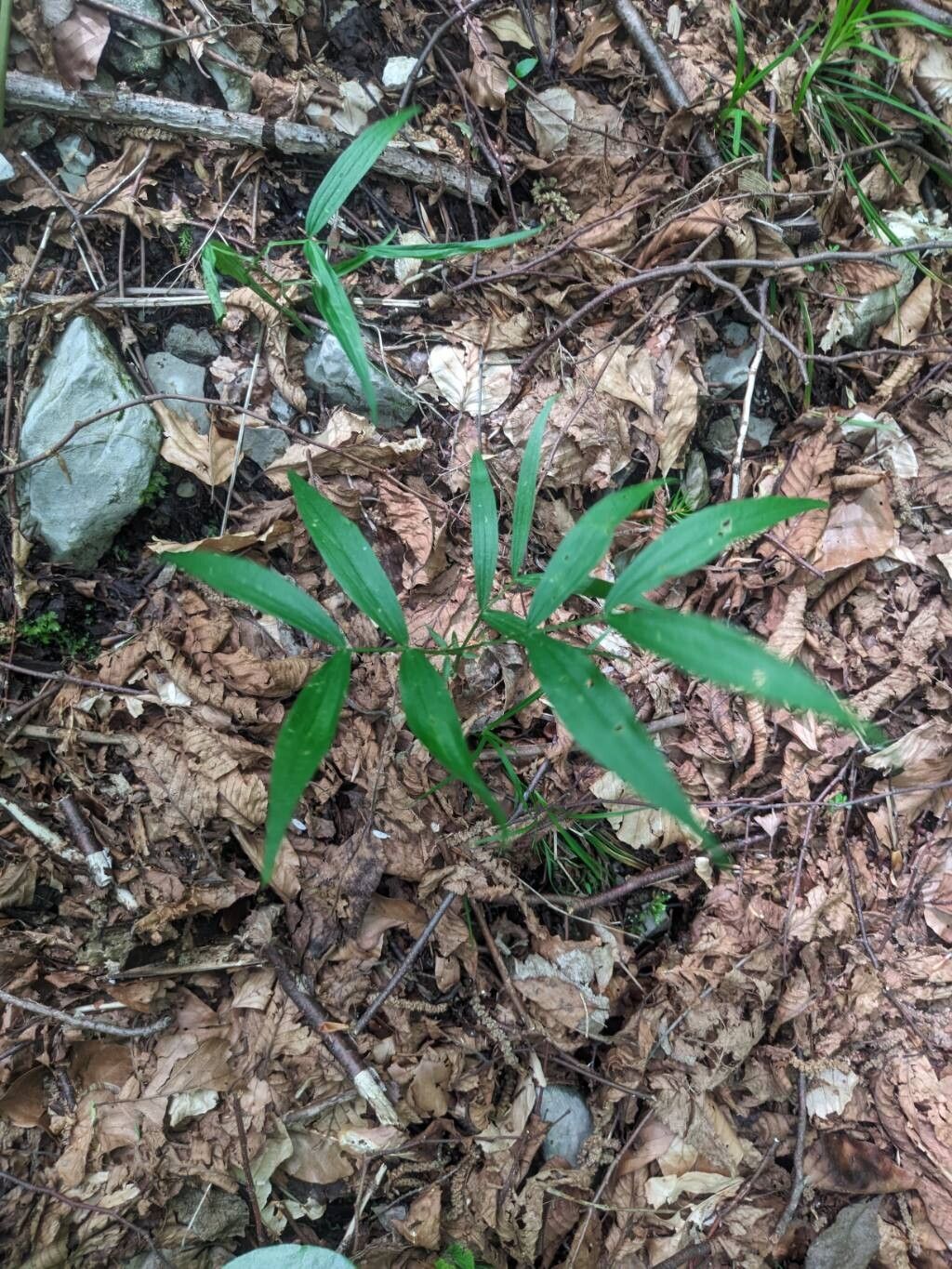
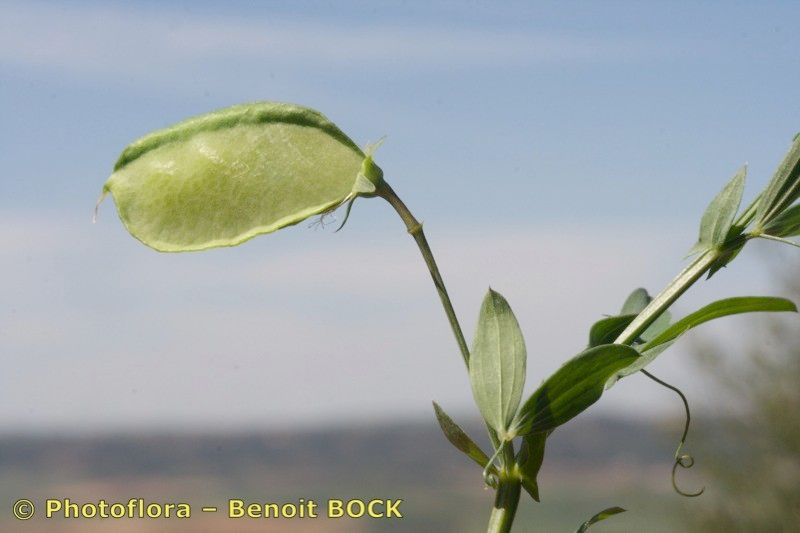
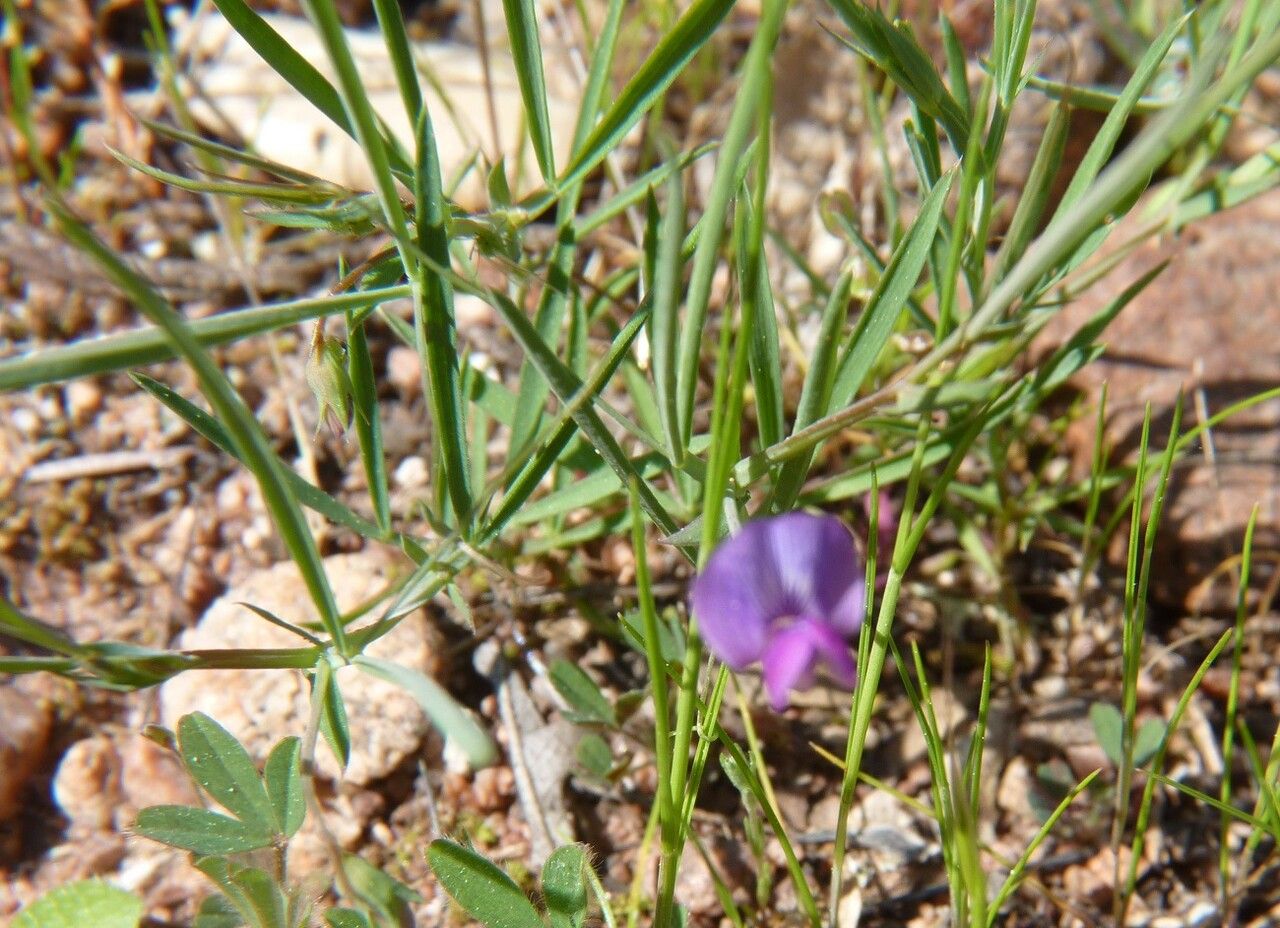
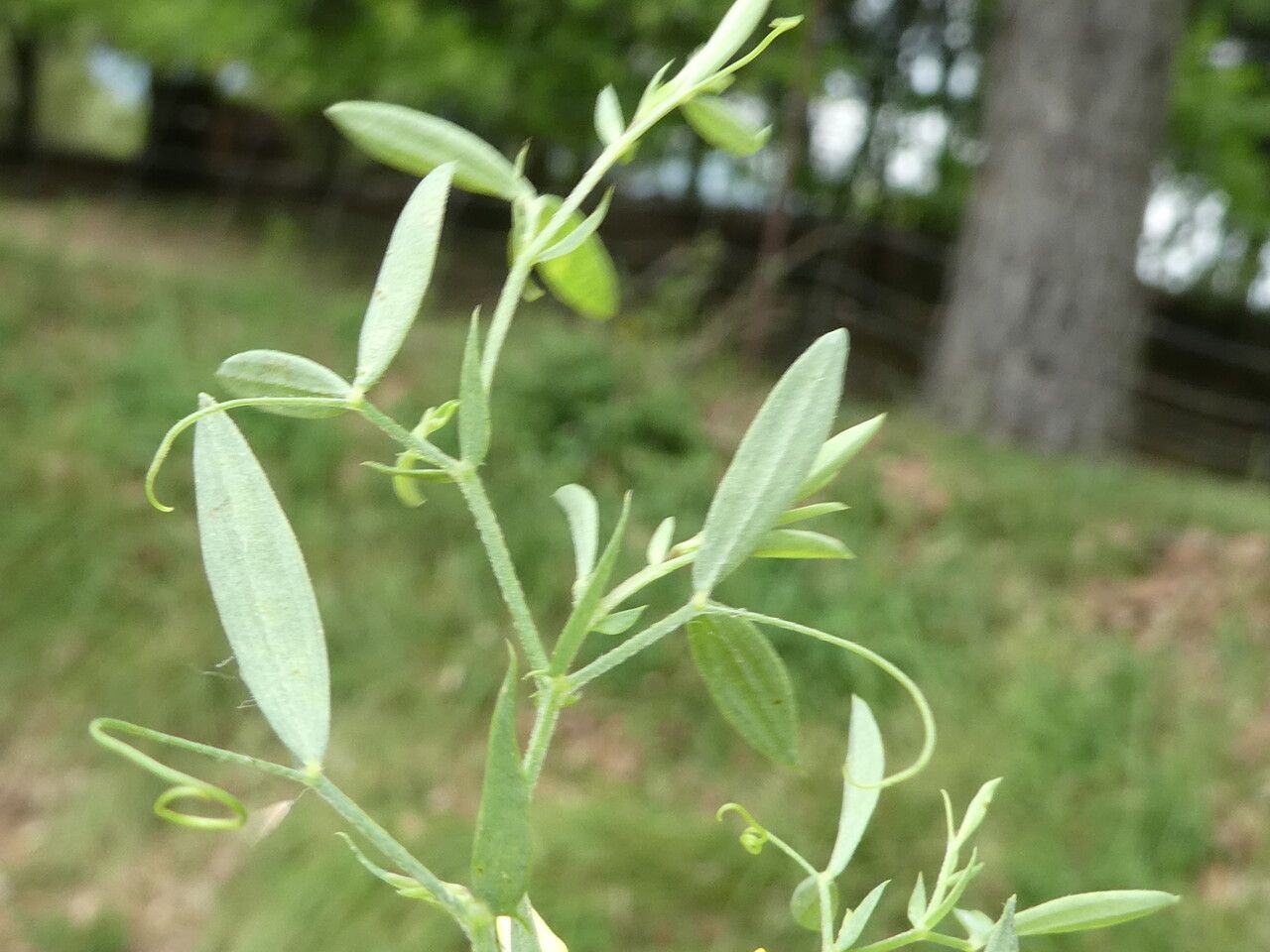
Lathyrus splendens is a species of wild pea known by the common names pride of California and Campo pea. It is native to Baja California and its range extends into San Diego County, California, where it grows in the chaparral. This is a climbing perennial pea vine with coiling tendrils. Its leaves are each made up of 6 to 8 linear to oval-shaped leaflets a few centimeters long and wavy-margined stipules. The plant produces showy inflorescences of up to 6 bright to deep red flowers each about 3 centimeters wide. The fruit is a hairless dehiscent legume pod.
Pride of california has strong resistance to disease and typically does not suffer from illnesses. Still, it can be vulnerable to pests and diseases present in its environment. When infections do occur, they are generally mild. Regarding care, this plant needs a medium amount of maintenance. It should be pruned on a regular basis to preserve a neat appearance and healthy growth. Applying fertilizer can also encourage flowering. Pride of california is appropriate for anyone who has an outdoor area, like a garden or patio, and does not demand extensive gardening experience. It may require more attention if kept indoors.
How to keep Lathyrus Splendens.
Light
Pride of california is a sun-loving perennial herbaceous plant native to open habitats, commonly found in meadows and grasslands. It prefers full sun but can also tolerate partial sun.
Water
The Pride of California plant needs regular watering during its seedling stage to keep the soil moist. Once it is established, the plant becomes more drought-tolerant. To prevent fungal problems, water the plant at its roots in the morning. If the plant is in a pot, it will dry out faster, so you will need to water it more often, particularly in warmer weather.
Temperature
Pride of california can tolerate a wide range of temperatures, yet its range may still be restricted by different combinations of moisture and heat. It performs best in warm summer climates with sufficient rainfall or irrigation. Extended stretches of cloudy, rainy weather or prolonged high temperatures can raise the chance of Pride of california dying. In winter, protecting the plant from cold can increase its survival rate.
Fertilizer
A single fertilizer application in spring is generally enough for Pride of california, though multiple feedings can maximize growth. Feed every one to one and a half months. Fertilization improves the leaves' appearance and function, helping maintain even color and a healthy texture. It also encourages root development and nutrient uptake for long-term plant health.
Pruning
To enhance lateral growth and flowering, prune the Pride of California when its branches exceed 15 cm. Deadheading will also encourage bud formation. For robust growth, prune the weaker branches and provide support using 2-meter tall stakes or nets. As a vine, it can climb 1-2 meters in a season without support, reaching a height of 0.8 meters.