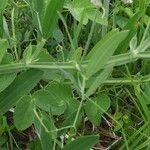
Lathyrus sylvestris
Narrow-leaf everlasting-pea · Flat peavine · Flat-pea · Narrow-leaved Everlasting-pea · Narrow-leaved everlasting pea
Description
Source: leafsnapLathyrus sylvestris, the flat pea or narrow-leaved everlasting-pea, is a species of flowering plant in the pea and bean family Fabaceae. It is native to parts of Africa, Europe, and Asia.The narrow-leaved everlasting-pea forms a mat of herbage. The stems are winged. Each leaf is made up of two elongated leaflets. The flowers are pink. The fruit is a legume pod about 2 inches long.
Care Guide
💧 Water
The flat pea flourishes in temperate regions with moderate moisture and well-drained soil. Watering it weekly helps prevent both over-saturation and dehydration. This plant is adaptable to different rainfall patterns, making it a resilient and versatile choice for a variety of garden climates.
How should I water my Flat pea plant for best results?
To properly care for the Flat pea plant, it is recommended to use filtered water at room temperature. Tap water may contain harmful particles for this plant's health. Since the Flat pea is accustomed to warm environments, avoid using cold water as it can be a shock to its system. It is also advised to avoid overhead watering to prevent foliage issues. Instead, gently water the soil with filtered room temperature water until it is completely saturated. This helps to keep the roots moist and nourished, enabling them to spread and absorb necessary nutrients from the soil.
What should I do if I give my Flat pea plant too much or too little water?
Overwatering and underwatering can both harm your Flat pea plant, but overwatering is more common. When the plant gets too much water, its stems and leaves can wilt and turn yellow. Overwatering for too long can also cause diseases like root rot, mold, and mildew, which can be fatal. Underwatering is less common because Flat peas can handle drought, but it can still happen. When underwatering occurs, the plant's leaves may become brittle and brown. It's important to recognize the signs of overwatering early to prevent irreparable damage. If you notice early signs, reduce your watering schedule and check the soil's drainage. If the soil doesn't drain well, replace it with a loose, well-draining potting mix. If your Flat pea shows signs of not getting enough water, increase your watering frequency until the signs disappear.
How frequently should I water my Flat pea plant?
If your Flat pea plant is in a pot, the most precise way to determine if it needs water is by checking the soil. Stick your finger into the soil and if the top two to three inches feel dry, it's time to water the plant. If you're growing the Flat pea outdoors in the ground, you can use a similar method to test the soil. Again, if the top few inches of soil have dried out, it's time to water. Typically, during spring and early fall, you'll need to water this plant about once a week using this method. However, in extremely hot weather, you may need to water it twice or more a week. It's worth noting that mature, well-established Flat pea plants can tolerate and withstand drought.
How much water does my plant need?
When watering your Flat pea, don't be afraid to give it plenty of water. Make sure the first two to three inches of soil are dry, and then water it thoroughly until the soil is completely soaked. The water should be enough to make excess water flow out of the drainage holes at the bottom of the pot. If you don't see any excess water draining, you may have not watered enough. However, be careful not to let water accumulate in the soil, as that can harm the plant. On the other hand, if water doesn't drain well from the pot, it means the soil doesn't have good drainage, which is not good for this plant's health. If the plant is outside, around 1 inch of rain per week should be sufficient.
How do I water my Flat pea plant at various stages of growth?
The water needs of the Flat pea vary throughout different growth stages. In the early years and after transplanting, it requires more water due to the focus on developing new roots. These roots need extra moisture to support future growth. However, as the plant matures, it will require less water. Additionally, during the bloom period, the Flat pea may need more water as the process of flower development utilizes a significant amount of moisture.
☀️ Light Full sun
Flat pea grows best with plentiful sunlight and also tolerates locations with moderate sun. Native to regions with extended sun exposure, this plant can experience growth problems if it lacks sufficient light, yet too much sun can also damage it.
What are the sunlight requirements for Flat pea (Lathyrus sylvestris)?
Flat pea, or Lathyrus sylvestris, flourishes in an environment that provides abundant sunlight. It thrives best in full sun, requiring more than 6 hours of sunlight per day, but can also grow in partial sun, with about 3-6 hours of sunlight. It's crucial to observe how sunlight traverses through your garden throughout the day to pick spots that offer the right mix of light and shade, ensuring that your Flat pea plants grow healthy and strong.
What should I know about Flat pea's essentials for growth?
The Flat pea plant thrives under conditions of ample sunlight, demonstrating optimal growth when exposed to the generous rays of the sun and fairing well even in moderate sun exposure. Originating from regions where sunlight is plentiful, this plant may struggle to grow if deprived of enough light, and conversely, excessive sunlight can be detrimental too. For indoor plants lacking natural sunlight, artificial lighting serves as an excellent alternative, ensuring the plants receive sufficient light, especially during the winter or in less sunny locations. LEDs are recommended for their ability to simulate the specific wavelengths of light needed by plants, with full sun plants requiring 30-50W/sq ft, partial sun plants needing 20-30W/sq ft, and full shade plants benefiting from 10-20W/sq ft of artificial light.
What are the symptoms of poor lighting conditions on Flat pea?
Flat pea plants exhibit several symptoms when subjected to inadequate lighting conditions, including the growth of smaller new leaves compared to older ones, leggy or sparse growth characterized by extended spaces between leaves or stems, premature leaf drop as a conservation measure, slower or halted new growth, and the appearance of lighter-colored or irregularly patterned new leaves due to insufficient sunlight. Excessive sunlight exposure can lead to chlorosis, where leaves lose their green color and turn yellow, sunscald resulting in damaged plant tissues, leaf curling as a defensive measure against sunlight, wilting due to increased water loss, and leaf scorching characterized by brown, dry, and crispy leaf edges.
How do I address sunlight-related issues for my Flat pea plant?
To mitigate sunlight-related issues for Flat pea plants, start by gradually moving your plants to locations with more suitable sunlight exposure. For indoor plants, shifting them to a sunnier spot each week or utilizing artificial lighting, such as keeping a lamp on for at least 8 hours daily or investing in professional plant grow lights, can ensure they receive enough light. Outdoors, gradually transition the plants to sunnier spots while avoiding sudden changes to prevent sunburn. Reducing obstructions that shade your plants, through pruning or transplanting to a sunnier location with better drainage, can significantly improve sunlight exposure. Although parts of the plant that have already been damaged by poor lighting conditions may not fully recover, enhancing light exposure can promote healthy new growth.
🌡️ Temperature 10–35°C
Flat pea is native to regions with moderate to warm temperatures, generally between 50 and 95°F (10 to 35℃). As seasons change, keep the plant within that range to maintain healthy growth.
What is the native temperature range for Flat pea?
Flat pea, or Lathyrus sylvestris, thrives in environments where the temperature ranges from moderate to warm, specifically between 50 to 95°F (10 to 35°C). To ensure healthy growth, it's essential to maintain this temperature range as the seasons change. Although Flat pea possesses strong cold resistance and doesn't usually require special frost protection measures during winter, it is important to protect them if temperatures are expected to dip below -25°C. This can be done by covering the plants with materials such as soil or straw. Additionally, watering the plant abundantly before the first freeze in autumn is recommended to keep the soil moist and help prevent drought and water scarcity during winter and early spring.
How does Flat pea handle low and high temperatures?
Flat pea is quite tolerant of cold weather and prefers temperatures above 10°C for optimal growth. During winter, it's vital to ensure the temperature doesn't fall below -15°C, and special attention should be paid if temperatures drop below -25°C. While there may not be noticeable changes during winter at such low temperatures, this can lead to decreased or even no sprouting in the spring. The solution is to remove any parts of the plant that have failed to sprout once spring arrives. As for high temperatures, Flat pea should ideally be kept below 35°C during summer. Temperatures exceeding 38°C can cause the leaves to lighten in color, curl, become prone to sunburn, and in severe cases, cause the entire plant to wilt and dry. To combat this, trim away the sunburned and dried-up parts, move the plant to a shaded location or use shade cloth to protect it from the midday and afternoon sun, and water the plant in the morning and evening to keep the soil moist.
💨 Humidity
🪴 Soil 6-7
🌱 Fertilizer
The best time to fertilize a Flat pea is in early spring, when it is coming out of dormancy and beginning active growth. Fertilizing supplies essential nutrients required for healthy development. Although Flat pea has relatively low fertilizer needs, fertilizing once a year can improve its survival and encourage better, longer-lasting flowers.
Why do I have to put fertilizer on my Flat pea plant?
Fertilization is essential for the Flat pea's leaves to look great and function properly. It not only enhances leaf color and texture but also promotes root growth. By fertilizing, you not only ensure your plant's current health but also improve its ability to absorb nutrients from the soil in the long run.
When should I fertilize my Flat pea plants?
If you grow your Flat pea outdoors, you will notice new growth in early spring. This signals that it's time to start fertilizing for the year. Usually, a single application of fertilizer in the spring is sufficient for the pea plant. However, if you want to promote maximum growth, you can fertilize multiple times during the spring and early summer. In this case, fertilize your Flat pea about once every month to a month and a half.
When is it not a good idea to add fertilizer to my Flat pea plant?
During the late fall and winter, your Flat pea will go through a dormant phase and stop producing new growth. It's best not to fertilize your Flat pea during this time. As spring and summer approach, if you decide to fertilize, start decreasing the amount of fertilizer used, as your Flat pea's growth rate will also slow down. It's important to avoid fertilizing your Flat pea when the weather is unusually hot or the soil is extremely dry, as this can cause stress and premature death.
Which fertilizer should I use for my Flat peas?
Choosing the best fertilizer for Flat peas is straightforward. To thrive, these plants need a general-purpose garden fertilizer with equal amounts of nitrogen, phosphorus, and potassium, such as a 10-10-10 ratio. Avoid fertilizers with high nitrogen levels when uncertain. Granular fertilizers, preferably slow-release ones, are recommended for Flat peas and are easy to apply to the soil. Additionally, feeding them with organic soil amendments like compost can be beneficial.
How can I make my Flat pea plant grow better?
To ensure proper growth and nutrition for your Flat pea, start by waiting until its first leaves emerge from the soil in early spring. Once you notice this, apply a balanced slow-release fertilizer to the soil around the base of the plant. If necessary, you can repeat this process later in the season. Remember to apply the fertilizer to the soil and not directly to the plant itself. Sometimes, you may need to gently move the leaves aside to access the soil near the roots. Additionally, watering your Flat pea before and after fertilizing is a recommended practice.
🪴 Pot & Repot
✂️ Pruning
The flat pea benefits from regular pruning, which is best done from early to late spring as the plant begins its active growth phase. To promote plant health and increase blooming, remove any dead stems, but avoid heavy pruning to prevent stressing the plant. Pinching back young shoots can encourage a bushier growth habit and help manage the plant's vigorous nature.
🌿 Propagating
🐛 Diseases & pets
☠️ Toxicity
Characteristics
- Plant Type
- Herb, Vine
- Life Cycle
- Perennial
- Genus
- Lathyrus
- Family
- Fabaceae
- Hardiness Zone
- 6-9
- Mature Height
- 2.13 m
- Mature Spread
- 49 cm
- Leaf Color
- Green
- Leaf Type
- Deciduous
- Flower Color
- Pink, Purple
- Flower Size
- 1.52 cm to 2.54 cm
- Bloom Time
- Summer
- Planting Time
- Spring, Summer, Autumn
- Harvest Time
- Late summer, Early fall, Mid fall